Kirjojen hintavertailu – 12 859 828 kirjaa ja 27 kauppaa

Kirjailija

Mary Wollstonecraft

Kirjat ja teokset yhdessä paikassa: 360 kirjaa, julkaisuja vuosilta 1755–2026, suosituimpiin kuuluu Maria. Vertaile teosten hintoja ja tarkista saatavuus suomalaisista kirjakaupoista.

360 kirjaa

Kirjojen julkaisuvuodet: 1755–2026.

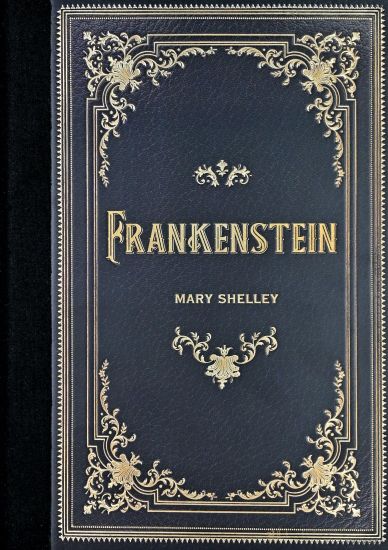
Frankenstein (Masterpiece Library Edition)

Frankenstein (Masterpiece Library Edition)

Mary Wollstonecraft

PETER PAUPER PRESS
2023
sidottu

Halvin toimitettuna 19,10 €

Frankenstein; or, The Modern Prometheus has thrilled generations of readers for over two hundred years. - Rediscover Mary Shelley's compelling masterwork in this elegant yet affordable Masterpiece Library Edition, honoring the Peter Pauper Press founders' tradition of publishing beautiful books.- Deluxe, durably bound hardcover keepsake volume.- Embossed cover with iridescent highlighting.- Gold foil-stamped spine.- Reinforced cloth quarter-binding for durability- Premium acid-free archival-quality paper for longevity.- Cream-color pages with font, type size, and line spacing chosen for a comfortable, luxurious reading experience, even under imperfect lighting.- Comes with a matching satin ribbon bookmark with which to keep your place.- A must-have for every home library.- 220 pages. English novelist Mary Wollstonecraft Shelley (1797-1851) wrote Frankenstein during a summer spent near Lake Geneva, Switzerland, with her betrothed, Percy Bysshe Shelley, her stepsister Claire Clairmont, poet George Gordon Byron, and Lord Byron's physician, John William Polidari. Inclement weather kept the group indoors and they challenged one another to create fantastic tales. Shelley's was the result of a haunting vision: ''I saw the pale student of unhallowed arts kneeling beside the thing he had put together.''
Mary Wollstonecraft's Maria, or, The Wrongs of Woman
This radical feminist work is an extraordinary gothic novel exploring themes of gender inequality, social injustice, and the indomitable spirit of a resilient woman. Maria is a courageous and intelligent woman, imprisoned in an insane asylum by her own husband. She defies societal norms and challenges eighteenth-century England's oppressive systems that confine women. As she navigates the labyrinth of patriarchal society, Maria confronts the injustices and abuses that women endure. Mary Wollstonecraft's powerful prose vividly depicts Maria's struggle for autonomy and explores complex social issues, offering a thought-provoking critique of gender roles. This volume is part of the Mothers of the Macabre series, celebrating the gothic horror masterpieces of pioneering women writers who played a pivotal role in shaping and advancing the genre. First published posthumously in 1798, Maria, or, The Wrongs of Woman stands as an influential work of early feminist literature, advocating for women's rights with unwavering conviction.
Thoughts on the Education of Daughters

Thoughts on the Education of Daughters

Mary Wollstonecraft

Outlook Verlag
2023
pokkari
Mary Wollstonecraft (27 April 1759 - 10 September 1797) was an English writer, philosopher, and advocate of women's rights. During her brief career, she wrote novels, treatises, a travel narrative, a history of the French Revolution, a conduct book, and a children's book. Wollstonecraft is best known for A Vindication of the Rights of Woman (1792), in which she argues that women are not naturally inferior to men, but appear to be only because they lack education. She suggests that both men and women should be treated as rational beings and imagines a social order founded on reason. Until the late 20th century, Wollstonecraft's life, which encompassed several unconventional personal relationships, received more attention than her writing. After two ill-fated affairs, with Henry Fuseli and Gilbert Imlay (by whom she had a daughter, Fanny Imlay), Wollstonecraft married the philosopher William Godwin, one of the forefathers of the anarchist movement. Wollstonecraft died at the age of 38, eleven days after giving birth to her second daughter, leaving behind several unfinished manuscripts. This daughter, Mary Wollstonecraft Godwin, became an accomplished writer herself, as Mary Shelley, the author of Frankenstein. After Wollstonecraft's death, her widower published a Memoir (1798) of her life, revealing her unorthodox lifestyle, which inadvertently destroyed her reputation for almost a century. However, with the emergence of the feminist movement at the turn of the twentieth century, Wollstonecraft's advocacy of women's equality and critiques of conventional femininity became increasingly important. Today Wollstonecraft is regarded as one of the founding feminist philosophers, and feminists often cite both her life and work as important influences. Wollstonecraft has what scholar Cora Kaplan labelled in 2002 a "curious" legacy that has evolved over time: "for an author-activist adept in many genres ... up until the last quarter-century Wollstonecraft's life has been read much more closely than her writing". After the devastating effect of Godwin's Memoirs, Wollstonecraft's reputation lay in tatters for a century; she was pilloried by such writers as Maria Edgeworth, who patterned the "freakish" Harriet Freke in Belinda (1801) after her. Other novelists such as Mary Hays, Charlotte Turner Smith, Fanny Burney, and Jane West created similar figures, all to teach a "moral lesson" to their readers. (Hays had been a close friend, and helped nurse her in her dying days.) One writer who never mentioned Wollstonecraft by name, but whose novels often contain allusions to her was Jane Austen. The American scholar Anne Mellor noted as example that the character of Wickham in Pride and Prejudice seems to be based upon the sort of man that Wollstonecraft claimed that standing armies produce while the sarcastic remarks that Elizabeth Bennet makes about "female accomplishments" in the same novel closely echo Wollstonecraft's condemnation of "female accomplishments" in A Vindication of the Rights of Women; the balance between a woman must strike between feelings and reason in Sense and Sensibility follows what Wollstonecraft had recommended in her novel Mary; the moral equivalence that Austen drew between slavery and the treatment of women in British society in Mansfield Park follows one of Wollstonecraft's favorite arguments; and presentation of Anne Eliot in Persuasion as better qualified to manage her family estate than her father also echoes a thesis of Wollstonecraft.

Thoughts on the Education of Daughters

Thoughts on the Education of Daughters

Mary Wollstonecraft

Outlook Verlag
2023
sidottu
Mary Wollstonecraft (27 April 1759 - 10 September 1797) was an English writer, philosopher, and advocate of women's rights. During her brief career, she wrote novels, treatises, a travel narrative, a history of the French Revolution, a conduct book, and a children's book. Wollstonecraft is best known for A Vindication of the Rights of Woman (1792), in which she argues that women are not naturally inferior to men, but appear to be only because they lack education. She suggests that both men and women should be treated as rational beings and imagines a social order founded on reason. Until the late 20th century, Wollstonecraft's life, which encompassed several unconventional personal relationships, received more attention than her writing. After two ill-fated affairs, with Henry Fuseli and Gilbert Imlay (by whom she had a daughter, Fanny Imlay), Wollstonecraft married the philosopher William Godwin, one of the forefathers of the anarchist movement. Wollstonecraft died at the age of 38, eleven days after giving birth to her second daughter, leaving behind several unfinished manuscripts. This daughter, Mary Wollstonecraft Godwin, became an accomplished writer herself, as Mary Shelley, the author of Frankenstein. After Wollstonecraft's death, her widower published a Memoir (1798) of her life, revealing her unorthodox lifestyle, which inadvertently destroyed her reputation for almost a century. However, with the emergence of the feminist movement at the turn of the twentieth century, Wollstonecraft's advocacy of women's equality and critiques of conventional femininity became increasingly important. Today Wollstonecraft is regarded as one of the founding feminist philosophers, and feminists often cite both her life and work as important influences. Wollstonecraft has what scholar Cora Kaplan labelled in 2002 a "curious" legacy that has evolved over time: "for an author-activist adept in many genres ... up until the last quarter-century Wollstonecraft's life has been read much more closely than her writing". After the devastating effect of Godwin's Memoirs, Wollstonecraft's reputation lay in tatters for a century; she was pilloried by such writers as Maria Edgeworth, who patterned the "freakish" Harriet Freke in Belinda (1801) after her. Other novelists such as Mary Hays, Charlotte Turner Smith, Fanny Burney, and Jane West created similar figures, all to teach a "moral lesson" to their readers. (Hays had been a close friend, and helped nurse her in her dying days.) One writer who never mentioned Wollstonecraft by name, but whose novels often contain allusions to her was Jane Austen. The American scholar Anne Mellor noted as example that the character of Wickham in Pride and Prejudice seems to be based upon the sort of man that Wollstonecraft claimed that standing armies produce while the sarcastic remarks that Elizabeth Bennet makes about "female accomplishments" in the same novel closely echo Wollstonecraft's condemnation of "female accomplishments" in A Vindication of the Rights of Women; the balance between a woman must strike between feelings and reason in Sense and Sensibility follows what Wollstonecraft had recommended in her novel Mary; the moral equivalence that Austen drew between slavery and the treatment of women in British society in Mansfield Park follows one of Wollstonecraft's favorite arguments; and presentation of Anne Eliot in Persuasion as better qualified to manage her family estate than her father also echoes a thesis of Wollstonecraft.
Mary och Maria

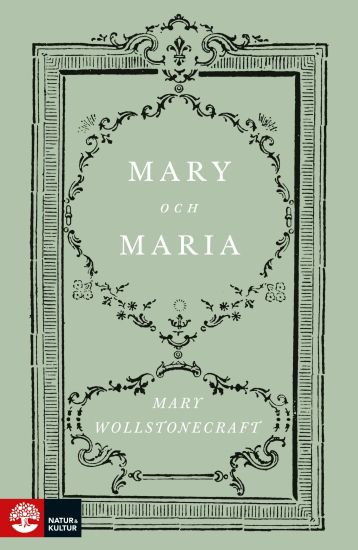
Mary och Maria

Mary Wollstonecraft; Elisabeth Mansén

Natur Kultur Allmänlitteratur
2023
sidottu
Mary Wollstonecraft har gått till historien med sitt välformulerade försvar av kvinnans rättigheter. Här möter vi samma författare, i samma ärende, men i två texter där hon utvecklar sitt manifest i skönlitterär form. Huvudpersonerna i de bägge kortromanerna delar förnamn med sin författare – kanske inte av en slump. I Mary skildras ”en karaktär som skiljer sig från dem som vanligen porträtteras”, nämligen ”en kvinnosjäl som kan tänka”, såsom Wollstonecraft själv skriver. Kvinnans utsatthet syftar på äktenskapets despotism, kvinnans stora olycka enligt författaren. Detta kom att bli det sista hon skrev och har kallats hennes mest radikala verk. Blygsamma till formatet men nydanande i sitt sätt att skildra kvinnors intellektuella utveckling – dessa två pärlor är en kritik av den stereotypa litterära hjältinnan och av de fördomar som framfött henne. De föreligger nu i svensk översättning av Erik Carlquist. En inledning har skrivits av Elisabeth Mansén.