Kirjailija
Maurice Magre
Kirjat ja teokset yhdessä paikassa: 87 kirjaa, julkaisuja vuosilta 2003–2026, suosituimpiin kuuluu Kingdom of Lu: The Virtuous Reforms of Confucius Therein, Something about His Rival Sage Lao-Tsze and More about That Deplorable Vaga. Vertaile teosten hintoja ja tarkista saatavuus suomalaisista kirjakaupoista.
87 kirjaa
Kirjojen julkaisuvuodet: 2003–2026.
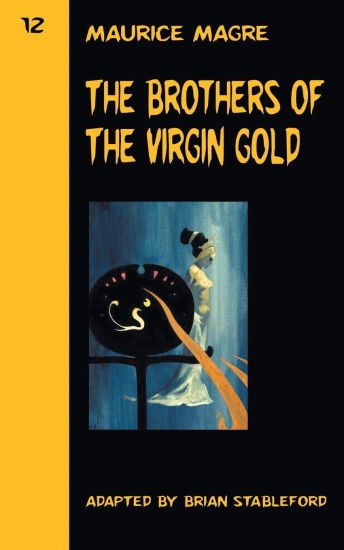
In the mid-19th century, a number of French folks from the Pyrenees region emigrated to America, seduced by the prospects offered by the colonization of Mexico and inspired with dreams of enrichment by the California Gold Rush. Magre recounts the fates of these emigrants through a set of interconnected stories.
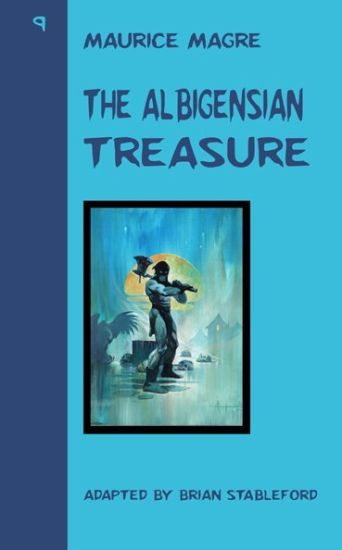
This volume is the ninth of a series of twelve dedicated to Magre's works. In The Albigensian Treasure (1938), we follow the adventures of Michel de Bramevaque, who launched himself in search of the Holy Grail after receiving a supernatural injunction. Magre, with elegant simplicity, leads us through a series of adventures and trials on the quest for the sacred artifact hidden by his Albigensian ancestors in the Languedoc soil. Long considered as one of the best works of esoteric literature of 20th century, The Albigensian Treasure, rooted in the Cathar religion, is rich in spirituality, demonstrating that, behind the visible face of things, often hides another, much more subtle. This is a superb novel of fantastic realism, steeped in a dark and tormented atmosphere. The book also includes a collection of similarly-themed vignettes from La BeautE invisible (1937).
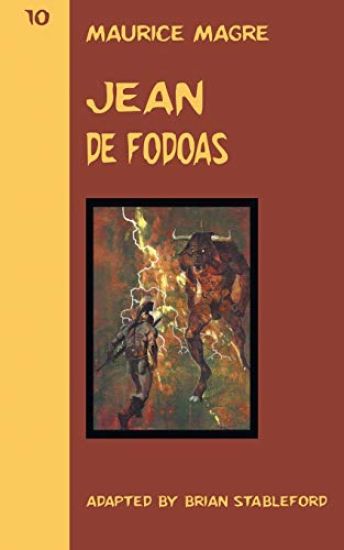
This volume is the tenth of a series of twelve dedicated to Magre's works. In Jean de Fodoas (1939), the eponymous hero leaves his natal city of Toulouse, travelling to the heart of India in the heyday of the Mogul Empire, to the court of Emperor Akbar the Great. Adventure and mysticism are brought together in the novel, because Jean's cousin has recruited him to accomplish a mysterious task at Akbar's court, involving the treasure of Genghis Khan and the enigmatic Baphomet that was once allegedly worshipped by the Knights Templars. A picaresque and rambunctious adventure story, Jean de Fodoas is a stylish example of Magre's ability to bring together adventure and mysticism.
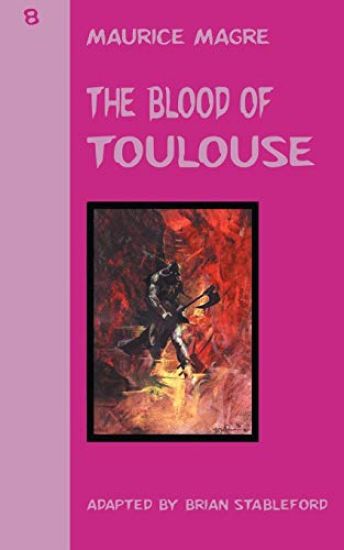
Maurice Magre (1877-1941) was one of the most far-ranging and extravagant French writers of fantastic fiction in the first half of the 20th century, and perhaps the finest of them, because of the fertility and versatility of his imagination and the manner and purpose for which he deployed it. This volume is the eighth of a series of twelve dedicated to Magre's works. In The Blood of Toulouse (1931), Dalmas Rochemaure, son of a cathedral-builder, embarks on the sacred mission to preserve Occitania from the armies of French invaders hell-bent of exterminating the Cathar heresy. The young equerry of the count of Toulouse faces unending combats and carnage, saving the most precious treasure from the ashes of the tragic pyre of Montsegur. The Blood of Toulouse is dramatic and poignant, full of verve and intensity, ending with a memorable flamboyant finish; it remains Magre's finest achievement, as well as his most celebrated.
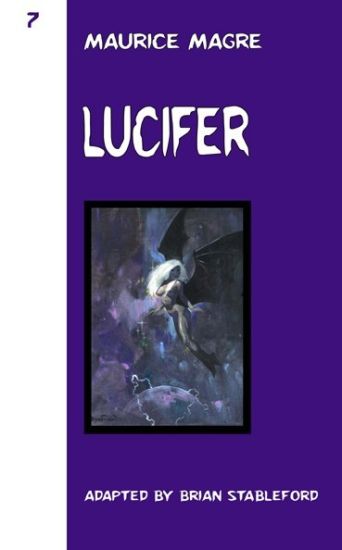
Maurice Magre (1877-1941) was one of the most far-ranging and extravagant French writers of fantastic fiction in the first half of the 20th century, and perhaps the finest of them, because of the fertility and versatility of his imagination and the manner and purpose for which he deployed it. This volume, the seventh of a series of twelve dedicated to Magre's works, contains the novel Lucifer and the novella The Night of Hashish and Opium (both 1929). The former reads as a kind of confession exploring a demonic possession resulting from a casually-made diabolical pact--which might or might not be entirely subjective and psychological. The Church is at best impotent, at worst in tacit alliance with the forces of evil and the narrator is forced to find his own way out of his predicament--if he can. As an account of metaphorical possession, it is detailed with a persuasive conviction, if one regards its essential purpose as that of sowing a discomfort in the reader's mind similar to one experienced by the author. In The Night of Hashish and Opium set in India, a young, lovely, divorcEe is caught in a magical trap by men who bet that they could force the beautiful woman who once turned them down to dance in the magical temple of Chillambaram.
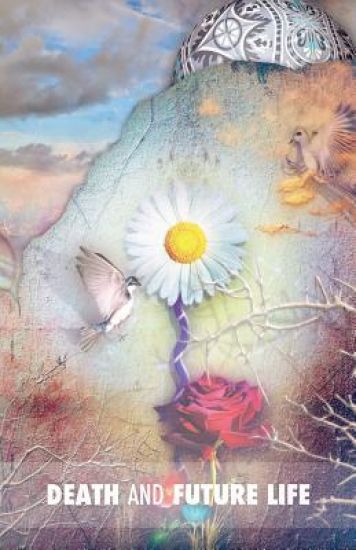
Death and the Future Life: the true secret of death, the suicide of men and that of animals, the power of sexuality, perfection through love, the
Maurice Magre
Createspace Independent Publishing Platform
2016
nidottu
It is only after the advent of the new idol, science, that men have ceased to admit the existence of a higher intelligence. This condition has become an absolute dogma, even for today's most occultists and theosophists. However, in light of recent discoveries, it is shown that men have no other future than to become perfect, and their goal is not to escape from humanity but attain its -illusory- summit. How is the metamorphosis called "death" carried on in the afterlife? For thousands of years, Hindus have thought that innumerable incarnations and asceticism to reach a superhuman perfection were necessary to attain the status of God. Many Greek philosophers have estimated that the practice of virtues, along with daily wisdom with moderate participation in the pleasures of life, were sufficient to enable men to attain the highest degree of human life. Animated by decades of extensive research on the subject of the metamorphosis of death, the author, Maurice Magre, has a unique goal: "I want the diseased to stop fearing death, the old man to think of his future youth, the dying to see the liberating light at the end of the tunnel, and families to sing with joy at funerals."
The Return of the Magi is a novel written by Maurice Magre. The book tells the story of three wise men, who are descendants of the Magi who visited Jesus at his birth. The three men, named Melchior, Caspar, and Balthazar, have been living in the East for many years, studying ancient knowledge and practicing the art of magic. One day, they receive a message from a young woman named Sarah, who claims to be a descendant of King David. She asks for their help in finding a lost treasure that belonged to her ancestors. The three wise men agree to help her and embark on a journey across the desert, facing many challenges and dangers along the way. As they travel, the three men reflect on their past and the choices they have made in life. They also encounter various characters, including a group of bandits, a mysterious hermit, and a beautiful princess. Through their experiences, they learn valuable lessons about life, love, and the true meaning of wisdom. The Return of the Magi is a captivating and thought-provoking story that explores themes of spirituality, faith, and the pursuit of knowledge. It is a timeless tale that will appeal to readers of all ages and backgrounds. This is a new release of the original 1931 edition. This scarce antiquarian book is a facsimile reprint of the old original and may contain some imperfections such as library marks and notations. Because we believe this work is culturally important, we have made it available as part of our commitment for protecting, preserving, and promoting the world's literature in affordable, high quality, modern editions, that are true to their original work.