
Kirjailija
Maxim Gorky
Kirjat ja teokset yhdessä paikassa: 173 kirjaa, julkaisuja vuosilta 1988–2026, suosituimpiin kuuluu Easter Stories. Vertaile teosten hintoja ja tarkista saatavuus suomalaisista kirjakaupoista.
173 kirjaa
Kirjojen julkaisuvuodet: 1988–2026.
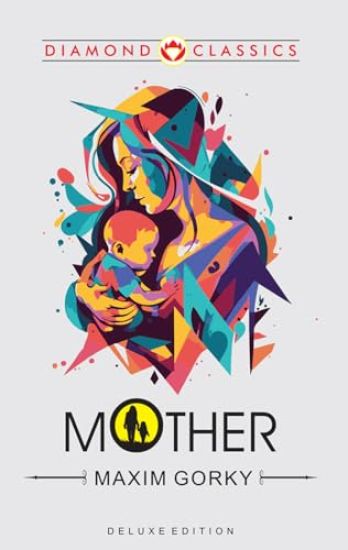
'Mother' by Maxim Gorky is a timeless masterpiece of Russian literature that delves into the lives of ordinary people during a period of political upheaval. The novel follows the journey of Pelageya Nilovna, a simple, downtrodden woman whose awakening to the injustices around her leads her to embrace the revolutionary cause. From a meek housewife, she sheds her fear and steps into the fight for justice. Pelageya's love for her son fuels her courage to face brutality and hardship. Can a mother's unwavering spirit change the tide of a nation?" Mother" is considered one of the foundational texts of Russian literature.
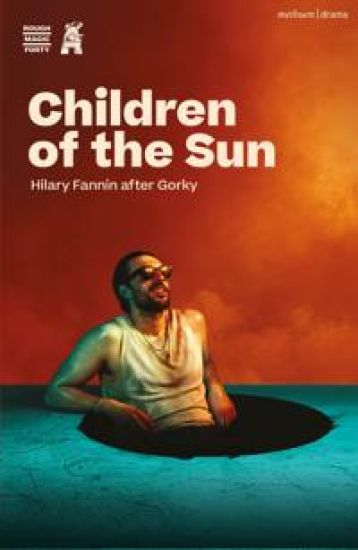
I am attempting to colonise the last frontier. Time, Elena, time. If we could inhabit different iterations of self, we could undo all the mistakes of the past. Don’t you see? Hilary Fannin’s radical adaptation of Maxim Gorky’s classic 1905 dark comedy reworks the original text and draws it into the here and now. Children of the Sun is the story of a small family and their quixotic collection of acquaintances, entertaining and enraging each other while, unseen beyond their fragile walls, their world is being reshaped by unstoppable forces. The play asks how we survive without the benefit of hindsight and whether science, art or love are capable of saving us from uncertainty and destruction. Co-produced by Rough Magic and the Abbey Theatre, Children of the Sun premiered on the Abbey stage as part of Rough Magic’s 40th-anniversary year in April 2024. This edition was published to coincide with that production.

Etsitkö jännitystä, uusia näkökulmia tai rentouttavaa lukuelämystä? Tutustu kirjakategorioihimme ja löydä seuraava suosikkikirjasi.

Tervetuloa Pohjoismaiden suurimpaan verkkokirjakauppaan! Adlibris kannattaa sananvapautta, ja haluamme edistää kirjallisuuden ja tiedon saatavuutta.

Etsitkö jännitystä, uusia näkökulmia tai rentouttavaa lukuelämystä? Tutustu kirjakategorioihimme ja löydä seuraava suosikkikirjasi.

Tervetuloa Pohjoismaiden suurimpaan verkkokirjakauppaan! Adlibris kannattaa sananvapautta, ja haluamme edistää kirjallisuuden ja tiedon saatavuutta.

Etsitkö jännitystä, uusia näkökulmia tai rentouttavaa lukuelämystä? Tutustu kirjakategorioihimme ja löydä seuraava suosikkikirjasi.

Etsitkö jännitystä, uusia näkökulmia tai rentouttavaa lukuelämystä? Tutustu kirjakategorioihimme ja löydä seuraava suosikkikirjasi.

Tervetuloa Pohjoismaiden suurimpaan verkkokirjakauppaan! Adlibris kannattaa sananvapautta, ja haluamme edistää kirjallisuuden ja tiedon saatavuutta.

Tervetuloa Pohjoismaiden suurimpaan verkkokirjakauppaan! Adlibris kannattaa sananvapautta, ja haluamme edistää kirjallisuuden ja tiedon saatavuutta.

Tervetuloa Pohjoismaiden suurimpaan verkkokirjakauppaan! Adlibris kannattaa sananvapautta, ja haluamme edistää kirjallisuuden ja tiedon saatavuutta.
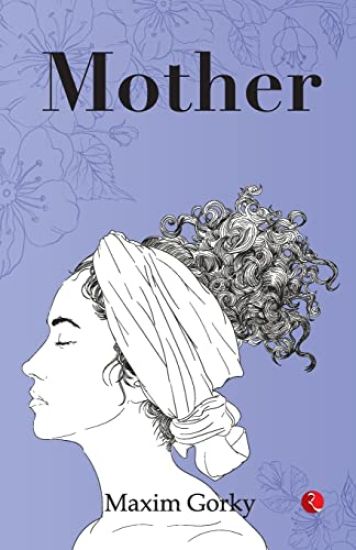
Maxim Gorky, the founder of social realism, was a Russian writer who pioneered literary style through his magnum opus, Mother. It is the story of the radicalization of an uneducated, hard-working peasant woman who faces domestic assaults by her husband. Mother raises the suppressed voices of the working-class people and depicts the power of dignity of an individual. Written in 1906, the book still stirs the emotional journey to the soul, showing the protective and selfless concerns of a mother for the crushed spirit of her people. Born of the people, and having experienced in his own person their sufferings and their misery, he was enabled by his extraordinary genius to voice their grievances and their aspirations in the book that has stood the test of time.
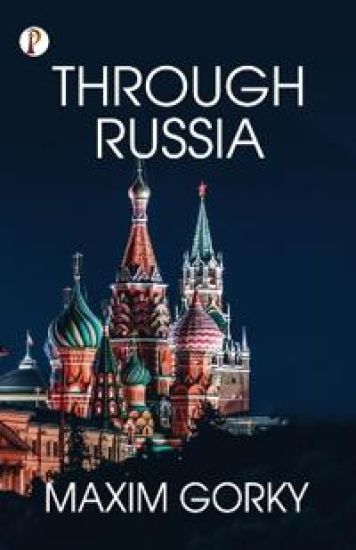
A collection of short stories by the popular and influential Russian author, a founder of the socialist realism literary method and arguably the greatest Russian literary figure of the 20th century. Alexei Maximovich Peshkov, popularly known as Maxim Gorky, was a Russian writer and political activist. He was nominated five times for the Nobel Prize in Literature. Gorky's most famous works are his early short stories, written in the 1890s; plays The Philistines (1901), The Lower Depths (1902) and Children of the Sun (1905); a poem, "The Song of the Stormy Petrel" (1901); his autobiographical trilogy, My Childhood, In the World, My Universities (1913-1923); and a novel, Mother (1906); and post-revolutionary works such as the novels The Artamonov Business (1925) and The Life of Klim Samgin (1925-1936), the latter is considered Gorky's masterpiece and has sometimes been viewed by critics as a modernist work. He had associations with fellow Russian writers Leo Tolstoy and Anton Chekhov, both mentioned by Gorky in his memoirs.
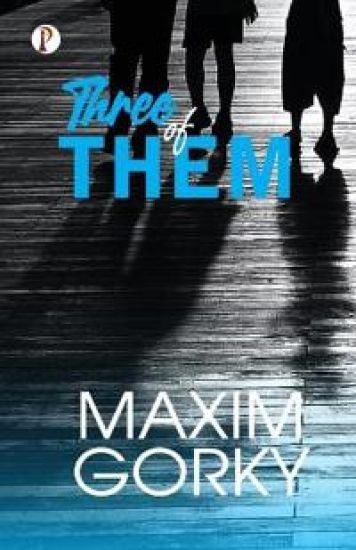
Three of Them is a 1901 novel by Maxim Gorky. The plot concerns Ilya Lunyev, a boy from an urban slum, who enters the middle-class milieu only to be disillusioned to find the same moral corruption. Alexei Maximovich Peshkov, popularly known as Maxim Gorky, was a Russian writer and political activist. He was nominated five times for the Nobel Prize in Literature. Gorky's most famous works are his early short stories, written in the 1890s; plays The Philistines (1901), The Lower Depths (1902) and Children of the Sun (1905); a poem, ""The Song of the Stormy Petrel"" (1901); his autobiographical trilogy, My Childhood, In the World, My Universities (1913-1923); and a novel, Mother (1906); and post-revolutionary works such as the novels The Artamonov Business (1925) and The Life of Klim Samgin (1925-1936), the latter is considered Gorky's masterpiece and has sometimes been viewed by critics as a modernist work. He had associations with fellow Russian writers Leo Tolstoy and Anton Chekhov, both mentioned by Gorky in his memoirs.
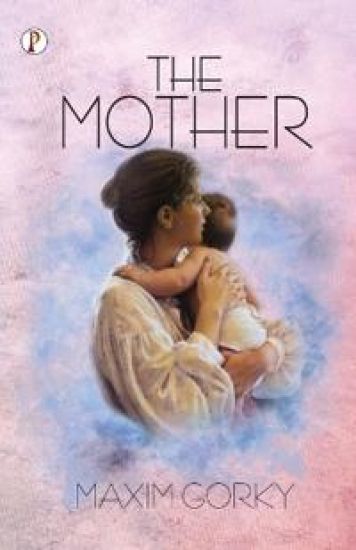
Mother is a novel written by Maxim Gorky in 1906 about revolutionary factory workers. Gorky portrays the life of a woman who works in a Russian factory doing hard manual labour and combating poverty and hunger, among other hardships. Pelageya Nilovna Vlasova is the real protagonist; her husband, a heavy drunkard, physically assaults her and leaves all the responsibility for raising their son, Pavel Vlasov, to her, but unexpectedly dies. Pavel noticeably begins to emulate his father in his drunkenness and stammer, but suddenly becomes involved in revolutionary activities. Abandoning drinking, Pavel starts to bring books to his home. Being illiterate and having no political interest, Nilovna is at first cautious about Pavel's new activities. However, she wants to help him. Pavel is shown as the main revolutionary character. Nevertheless Nilovna, moved by her maternal feelings and, though uneducated, overcoming her political ignorance to become involved in revolution, is considered the true protagonist of the novel. Alexei Maximovich Peshkov, popularly known as Maxim Gorky, was a Russian writer and political activist. He was nominated five times for the Nobel Prize in Literature. Gorky's most famous works are his early short stories, written in the 1890s; plays The Philistines (1901), The Lower Depths (1902) and Children of the Sun (1905); a poem, ""The Song of the Stormy Petrel"" (1901); his autobiographical trilogy, My Childhood, In the World, My Universities (1913-1923); and a novel, Mother (1906); and post-revolutionary works such as the novels The Artamonov Business (1925) and The Life of Klim Samgin (1925-1936), the latter is considered Gorky's masterpiece and has sometimes been viewed by critics as a modernist work. He had associations with fellow Russian writers Leo Tolstoy and Anton Chekhov, both mentioned by Gorky in his memoirs.