Kirjailija
Michael Bright
Kirjat ja teokset yhdessä paikassa: 48 kirjaa, julkaisuja vuosilta 1995–2027, suosituimpiin kuuluu Early Life on Earth. Vertaile teosten hintoja ja tarkista saatavuus suomalaisista kirjakaupoista.
48 kirjaa
Kirjojen julkaisuvuodet: 1995–2027.
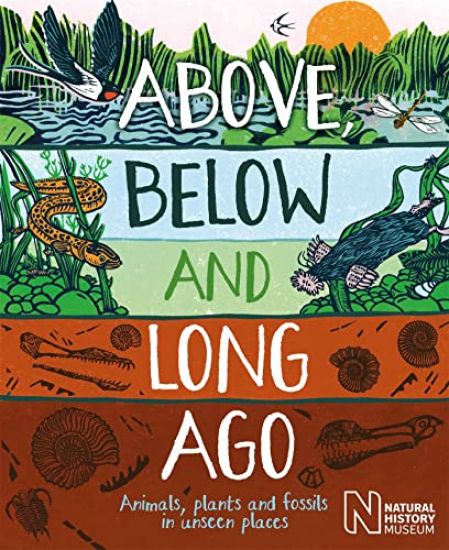
A beautiful book, produced with the Natural History Museum, that reveals animals and plants that are hard to see in the skies, deep underwater, on clifftops, in caves and underground
Nordpolen ; Sørpolen: fra pol til pol: Utforsk det barske klimaet på Nordpolen og Sørpolen
Michael Bright
Gyldendal
2022
sidottu
I de iskalde landområdene lengst nord og lengst sør på jorda finner vi Nordpolen og Sørpolen. Her, på verdens ytterkanter, er det tjukke isdekker, bikkjekaldt vann og isbukter. Denne boka utforsker de ekstreme forholdene. Start reisen nordpå før du snur boka og havner i sør; her er verdens laveste temperatur registrert. Finn ut hva slags dyreliv forskerne studerer, og hvordan vær og klima er i Arktis og Antarktis. Boka har luftig design og flotte illustrasjoner. Kan leses høyt fra tidlig skolealder, og er spennende å lese selv for litt eldre barn.
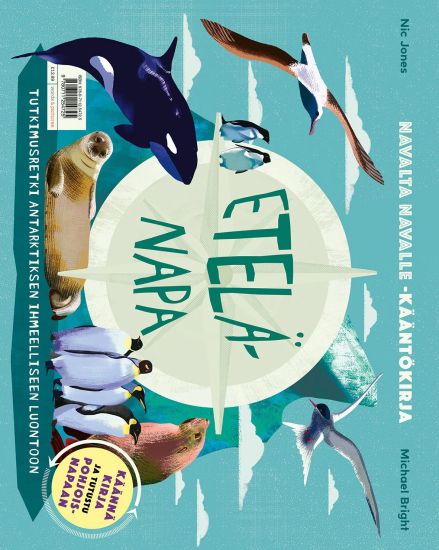
Pohjoisnapa - etelänapa: Navalta navalle -kääntökirja
Michael Bright
KUSTANNUS-MÄKELÄ
2021
sidottu
Halvin toimitettuna 22,60 €
Kekseliäs kääntökirja tarjoaa täydellisen tavan tutkia ja vertailla maapallon kahta napaseutua. Lukija tutustuu alueiden maantieteeseen ja säähän sekä eläin- ja kasvilajeihin, jotka ovat sopeutuneet äärimmäisen karuihin olosuhteisiin. Pohjoisnapa-osuus esittelee Arktiksen elämää kuhisevia vesiä ja pesien täyttämiä lintukallioita. Se kertoo, miksi ilmaston lämpenemisen aiheuttamat muutokset uhkaavat monia pohjoisen lajeja, kuten mursuja ja jääkarhuja. Kirjaa kiepauttamalla saavutaan sekunnissa täsmälleen maapallon toiselle puolelle: pakkasennätysten ja hyytävien tuulien etelänavalle. Antarktiksen luonnon ihmeitä kartoitetaan 14-metrisistä kolossikalmareista ja muista meren jättiläisistä Etelämantereen suurimpaan maapetoon - pikkuruiseen punkkiin. Kiehtova koululaisen tietokirja kertaa myös ensimmäisten naparetkikuntien jännittävät vaiheet ja valottaa napa-alueiden tulevaisuudennäkymiä.
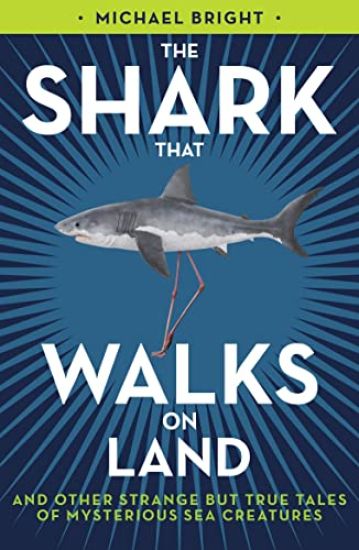
Just when you thought it was safe to go back in the water... When you dive into the sea, do you ever wonder what's down there, beneath you, poised to take an inquisitive bite? Author of Jaws Peter Benchley and film director Steven Spielberg certainly did, for below the waves lies a world we neither see nor understand; an alien world where we are but the briefest of visitors. The Shark that Walks on Land uncovers tales of ancient and modern mariners, with stories of sea serpents, mermaids and mermen, sea dragons, and the true identity of the legendary kraken. But this book contains more than just a medley of maritime myths and mysteries for marine biologists; it celebrates wonderful discoveries by blending the unknown and the familiar in an entertaining miscellany of facts, figures and anecdotes about the myriad creatures that inhabit the oceans. Along the way we meet the giants, the most dangerous, the oddballs and the record breakers - and the shark that really does walk on land!
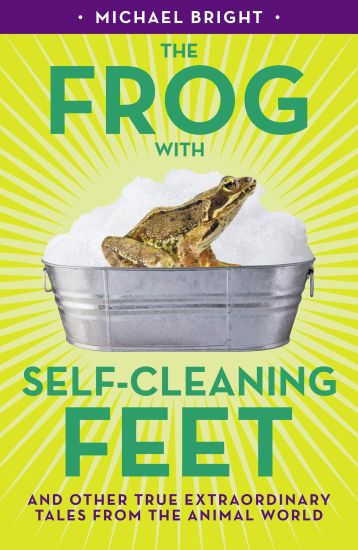
Wild animals do the most extraordinary things. Some are exceptionally bright, use tools and solve complex problems. Others are devious: they cheat, steal and run protection rackets. There are animals with enormous appetites and those that self-medicate. Then we come across the extreme travellers: the highest flyers, the deepest divers and the fastest runners. But which animal is the most venomous, and which the most dangerous? Which has the loudest voice, the longest tongue, the biggest eyes or the most powerful bite? How do animals tell the time? How did the zebra get those stripes? And what is the most mysterious animal on Earth? The Frog with Self-cleaning Feet is a miscellany of fascinating animal anecdotes, facts and figures. The weird, the wonderful and the downright unbelievable of the animal world - you couldn't make it up!
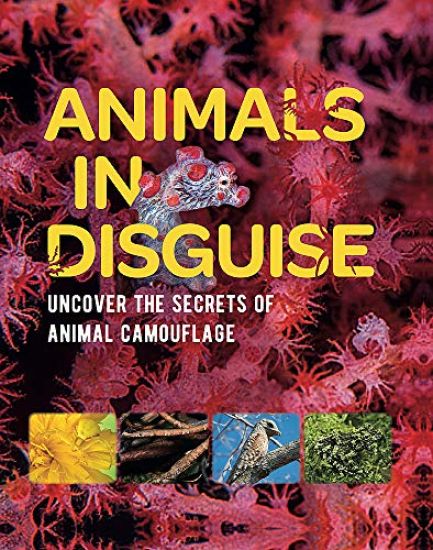
Discover the most well-disguised animals on the planet! Some animals disguise themselves to look like plants or rocks. Others disappear from view altogether as they blend in to their habitats. How do they do this? In Animals in Disguise, learn about the various ways animals hide in plain sight and why. From avoiding predators and protecting themselves to ambushing or sneaking up on prey, each animal featured in this book has an astonishing skill for keeping out of sight. With different creatures from around the world, organised by classification, this book encourages the reader to seek out each creature hiding in plain sight in the full-page photograph of the featured animal. Younger children will enjoy looking at the photos to spot the camouflaged animals. To help find them a second picture shows them clearly and all is revealed at the end of the book. Perfect for readers aged 9 and up.
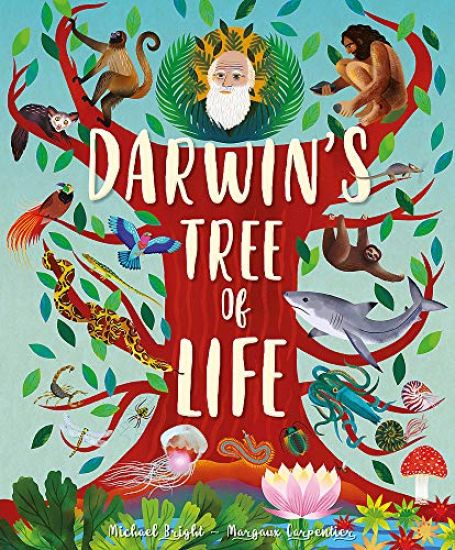
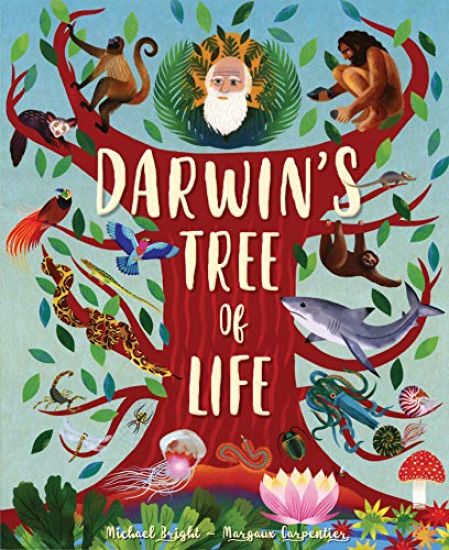
Follow the evolution of plants and animals, from the first living things 6 billion years ago to the animals living in the world today. Darwin's Tree of Life shows how the incredible diversity of life on earth came to be. This beautifully illustrated book starts from the dawn of life and shows the order in which plants and animals evolved, the different branches of 'The Tree of Life', and how plants and animals have changed over time in many amazingly different ways. Find out:· why crabs run sideway· which fish was the first to walk on land· why birds are similar to dinosaurs · why human brains are located in the head and not in our feet. which creatures can survive 30 years without eating· which mammal has the strongest bite of any predator· why hedgehogs have spinesStunningly illustrated by illustrator and print maker, Margaux Carpentier, children will enjoy finding out about a whole world of wonderful animals on our amazing planet Earth. The author, Michael Bright, has worked as an executive producer with the BBC's world-renowned Natural History Unit, based in Bristol, and with its Science Unit in London. He is author of over a hundred books on wildlife, science, travel, and conservation, including many for children. His bestseller Africa: Eye to Eye with the Unknown accompanied the popular television series presented by Sir David Attenborough. He is the recipient of many international radio and television awards, including the prestigious Prix Italia. He is a graduate of the University of London and a corporate biologist and member of the Royal Society of Biology. This book is perfect for the study of evolution, adaptation and inheritance in KS2 and KS2 science and covers topics such as classification, habitats and conservation.
From the first living things six billion years ago to the animals living around the world today, explore how the huge diversity of the life on Earth came to be. Follow the branches of Charles Darwin's "Tree of Life" and discover how plants and animals have evolved in many amazing ways. Find out why crabs run sideways, which fish was the first to walk on land, why birds are similar to dinosaurs, and why brains are located in our heads and not in our feet. The book is stunningly illustrated by Margaux Carpentier in a bright and bold distinctive style.
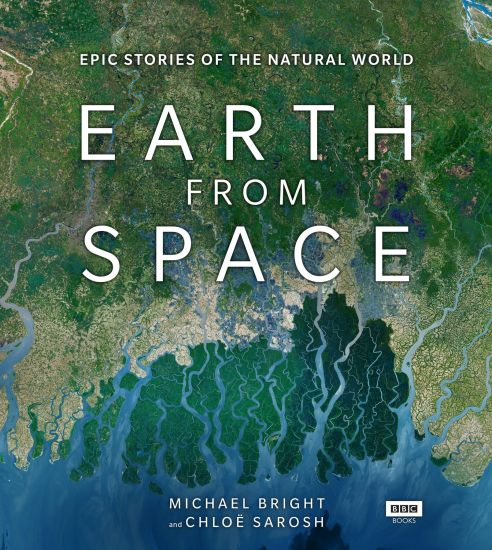
You don't know home until you leave it. With over 200 spectacular images, including astonishing satellite images and stills from the BBC Natural History Unit’s footage, Earth from Space reveals our planet as you’ve never seen it before. For decades we competed to be the first to reach space, but it was when we looked back at Earth that we were truly awestruck. Now, for the first time, using advanced satellite images we can show the earth’s surface, its mega structures, weather patterns and natural wonders in breathtaking detail. From the colours and patterns that make up our planet to the mass migrations and seismic changes that shape it, Earth from Space sheds new light on the planet we call home. It reveals the intimate stories behind the breathtaking images, following herds of elephants crossing the plains of Africa and turtles travelling on ocean currents that are invisible unless seen from space. The true colours of our blue planet are revealed, from the striped tulip fields of Holland to the green swirl of a plankton super bloom that attracts a marine feeding frenzy. Whether it's the world’s largest beaver dam – so remote it was only discovered through satellite imagery – or newly formed islands born from volcanic eruptions, discover a new perspective on our ever-changing planet.
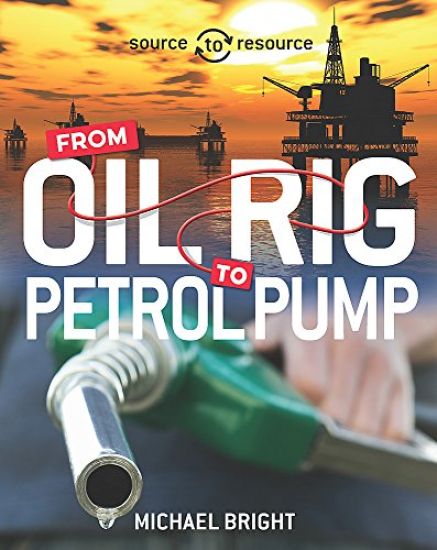
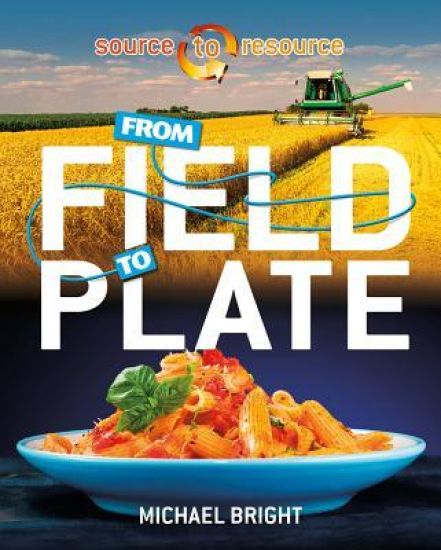
The vast majority of today's transport depends on fuel that comes from oil. Hundreds of thousands of items we use every day - from trainers to medicines - come from or use products that come from oil. But where does oil come from - and what happens when this ancient resource runs out? Oil is one of the most important resources to man today. It was discovered many thousands of years ago and has become central to the transport and petrochemical industries. Find out about the origins of oil - from its first discovery to its first use in industry. Learn how it is found, mined and processed into many different products that are used all over the world today - including petrol that we fill our cars with each day. Finally, consider the disasters that have resulted from the drilling, transportation and use of oil, as well as its future: what will happen when the oil finally runs out? We look at the advantages and disadvantages of oil, and the possible industry alternatives. Source to Resource is an incredibly valuable series in today's fast-paced world where natural resources are in such constant demand. Many people don't stop to think about where these resources come from and the journey they take from the raw material or element to the useful product that reaches us at home, school or work. Source to Resource provides that information as well as the chance to stop and think about our use of resources and the implications of the use of these for future generations. Other titles in the Source To Resource series include:From Field to PlateFrom Raindrop to Tap From Sunshine to Light Bulb
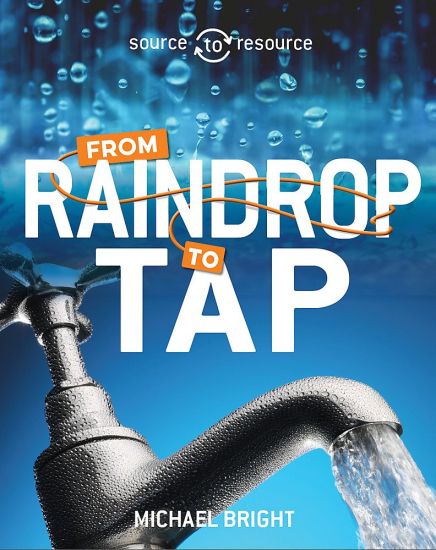
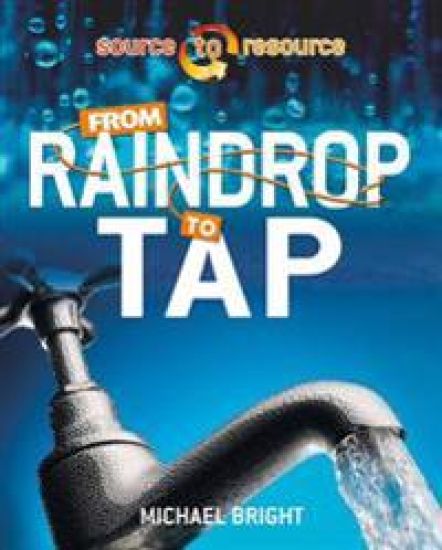
What happens when you turn on a tap? Or the washing machine, shower or garden hose? Water flows! Most of us use water all day, every day, without thinking about it. But how does it get to our homes? Water is one of the most amazing resources that we use in abundance and have come to rely on heavily. It is used in all sorts of household chores, leisure activities and in work and industry. From the pitter-patter of raindrops to the whoosh of water from the shower, we follow the journey from the source to the resource. We begin by looking at what water is and where it comes from, and the all-important water cycle. We then look at how water is stored and treated ready to be pumped around the country and into our homes. Finally we consider the environmental impact of our water use and what we can do to use less water in our daily lives. We also look at how people live in places that do not have a reliable water supply and methods that can be used to clean water that is in short supply. Other titles in the Source to Resource series include:From Field to PlateFrom Oil Rig to Petrol PumpFrom Sunshine to Light Bulb
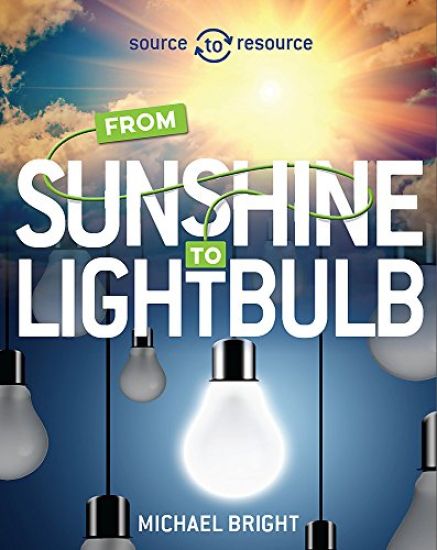
What happens when you switch a lightswitch? Or the power button on the TV? Electricity flows to the device and it switches on. Most of us use electrical gadgets all day, every day, without thinking about it. But where does electricity come from? Solar power is one of the most exciting forms of renewable energy today. From the powerful solar rays to the bright light bulbs being switched on all over the world, we follow the journey from the source to the resource. We look at other sources of energy, how the national grid works to move electricity across land and sea, and how it is fed into our homes. Home electricity is not the only use for solar power, so we look at solar farms, solar furnaces, solar towers and even solar transport. Finally we consider the future for solar energy and the advantages and disadvantages of this amazing resource. Other titles in the Source to Resource series include:From Field to PlateFrom Oil Rig to Petrol PumpFrom Raindrop to Tap
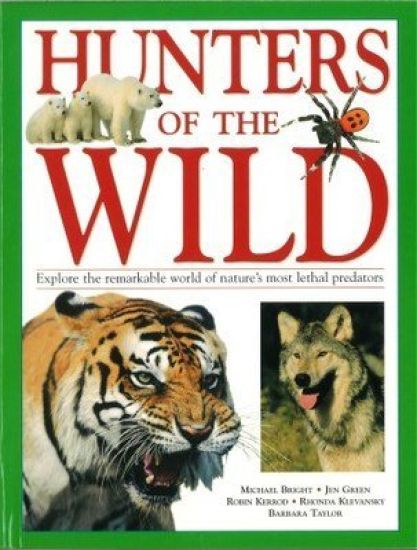
Hunters of the Wild
Michael Bright; Jen Green; Robin Kerrod; Rhonda Klevansky; Barbara Taylor
Hermes House
2018
nidottu
Halvin toimitettuna 17,90 €
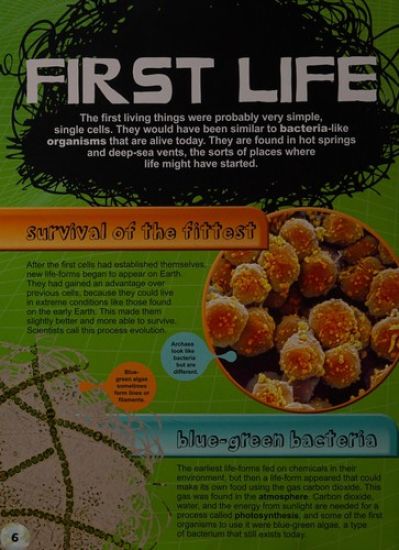
How and where did life begin on Earth? What makes Earth capable of sustaining living creatures? This information-rich book takes readers billions of years into the past to understand the earliest life-forms on Earth. They'll delve deeply into essential science topics such as geological time, evolution, and animal classification. Intricate illustrations and 3-D images transport readers to a time before humans walked the earth. Engaging fact boxes highlight fascinating information and encourage curiosity. Avid and developing readers alike will be transfixed by the marvels of our planet's earliest life-forms, making this book a valuable addition to any library and classroom.
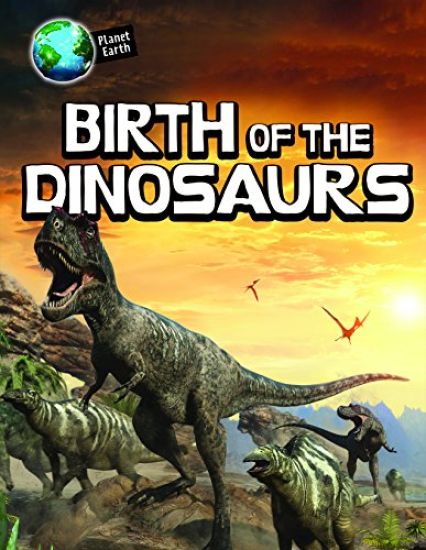
Long before humans even walked the earth, dinosaurs ruled its lands, seas, and skies. This information-rich book takes readers millions of years into Earth's past to witness the birth, reign, and mass extinction of these incredible creatures. Intricately detailed 3-D images and illustrations of prehistoric species immerse readers in a time before humanity. As they explore the Mesozoic era, readers will learn about geological time, evolution, animal classification, and other essential science curriculum topics. Readers will pour over fascinating fact boxes to satiate their curiosity on this high-interest subject. With crucial science material and engaging subject matter even reluctant readers will absorb, this intriguing book will be a popular addition to any library.
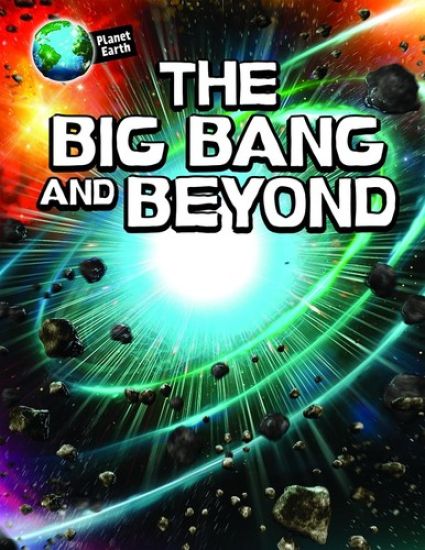
Big questions need big answers. This captivating book takes readers all the way back to the Big Bang, down to the Earth's fiery hot core, and through our planet's early history on a quest for knowledge. Readers will delve into the origins of the solar system, the water cycle, climate change, gravity, magnetic fields, and many other essential science topics. Clear, easy-to-understand language makes difficult concepts accessible and engaging, and stunning photographs, illustrations, and 3-D visuals will amaze readers and inspire curiosity. Fact boxes illuminate key concepts and fascinating tidbits of information. This high-interest topic ensures this book will be a popular addition to any library.
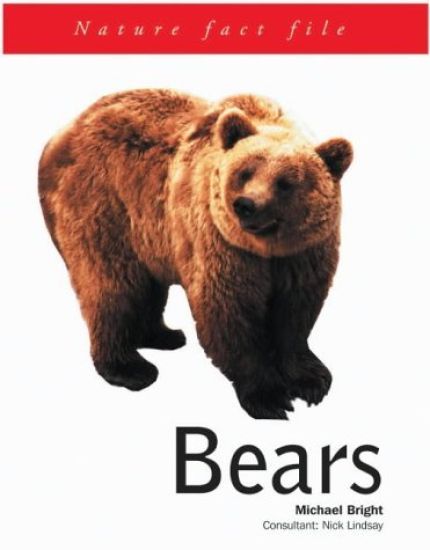
From the fearsome grizzly of North America to the giant panda in the remotest regions of China, bears have long captured the human imagination. This volume offers an insight into the lives of these shy and uncompromising wild creatures. Discover how they live, examine the differences between the many species and learn how they cope with their diverse habitats. Five focus sections allow the reader to observe detailed aspects of bear and panda life, such as the behaviour of the giant brown bears of Kodiak Island and how polar bear migration brings a town in Canada to a standstill. Myth boxes explore popular stories about bears and pandas, and "Did You Know?" features provide quirky facts.
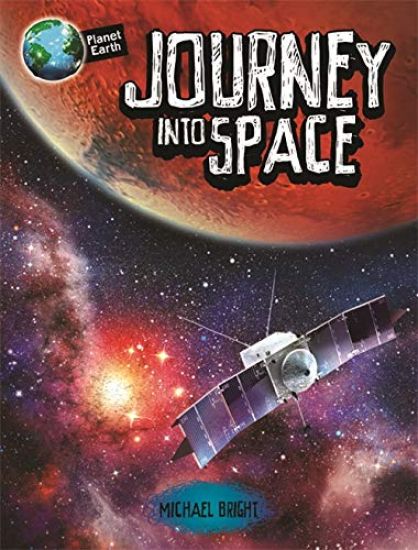
Journey into Space takes readers beyond Earth and into the depths of our solar system. Take a closer look at the planets that make up the Milky Way, explore ice giants and dwarf planets, find out about the asteroid near-misses, delve into black holes and see if there is life elsewhere in the Universe. Using stunning photographs and graphic 3-D images, Journey into Space brings core curriculum subjects to life with an engaging design. Written by bestselling author Michael Bright, his digestible approach to science makes this the perfect book for project work or interest reading.