Kirjojen hintavertailu – 12 903 725 kirjaa ja 27 kauppaa
Kirjailija
National Institute Fo Safety and Health
Kirjat ja teokset yhdessä paikassa: 115 kirjaa, julkaisuja vuosilta 2012–2014, suosituimpiin kuuluu National Survey of the Mining Population: Part II: Mines. Vertaile teosten hintoja ja tarkista saatavuus suomalaisista kirjakaupoista.
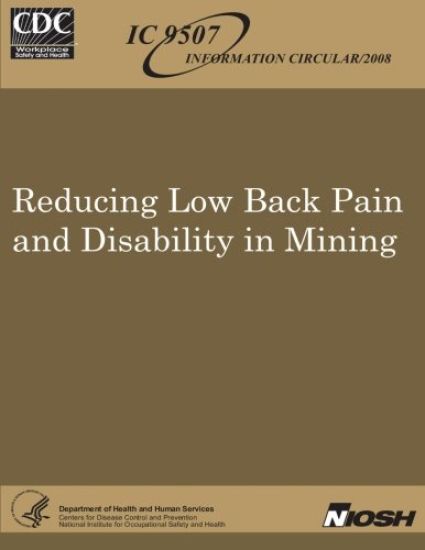
This report was written in an effort to provide better control measures for low back pain (LBP) and low back disability in the mining industry. There are numerous factors associated with development of LBP, many of which can be effectively controlled while some cannot. Better job design is promoted as the best method of reducing cases of LBP and can also reduce the disability (i.e., lost time from work) associated with LBP when it happens. The report draws attention to what is currently known about LBP, what the causes are thought to be, and discusses recent back injury trends in the mining industry. Research describing unique physical demands in mining, such as the capabilities and limitations of working in awkward postures, is also presented. Methods that can be used to prevent initial LBP episodes are provided, including facilities design and layout for materials and supplies, use of mechanical-assist devices, improved design of lifting tasks, and better seat design. Methods of reducing the disability associated with LBP (including workplace design, proactive return-to-work efforts, communication, and management commitment) are also discussed. The report concludes that control of LBP and disability in mining requires a comprehensive approach to limit the repetitive loading that can occur on the low back due to manual materials-handling tasks and exposure to whole-body vibration (WBV). Specific recommendations include the following: - Successful LBP prevention efforts require a proactive program that has strong management commitment and incorporates employee involvement. - More efficient supply handling systems and use of mechanical-assist devices can greatly reduce exposure to hazardous lifting tasks. - Lifting tasks should be designed to minimize low back stress. Tools to evaluate and redesign lifting tasks are presented. - Improved seat design can reduce exposure to WBV and improve posture, leading to reduced LBP risk. - The disability associated with LBP can be reduced. Getting the worker back on the job as quickly as possible is in the interest of everyone involved.
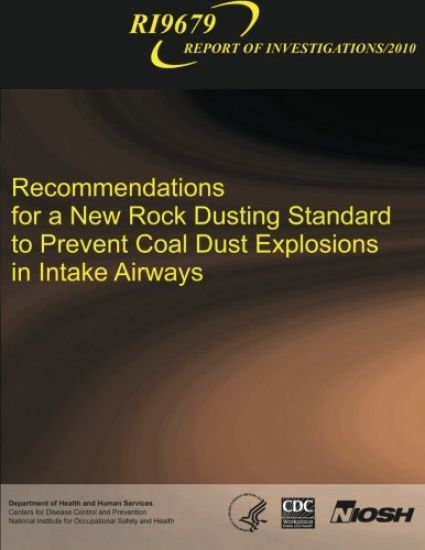
The workings of a bituminous coal mine produce explosive coal dust for which adding rock dust can reduce the potential for explosions. Accordingly, guidelines have been established by the Mine Safety and Health Administration (MSHA) about the relative proportion of rock dust that must be present in a mine's intake and return airways. Current MSHA regulations require that intake airways contain at least 65% incombustible content and return airways contain at least 80% incombustible content. The higher limit for return airways was set in large part because finer coal dust tends to collect in these airways. Based on extensive in-mine coal dust particle size surveys and large-scale explosion tests, the National Institute for Occupational Safety and Health (NIOSH) recommends a new standard of 80% total incombustible content (TIC) be required in the intake airways of bituminous coal mines in the absence of methane. MSHA inspectors routinely monitor rock dust inerting efforts by collecting dust samples and measuring the percentage of TIC, which includes measurements of the moisture in the samples, the ash in the coal, and the rock dust. These regulations were based on two important findings: a survey of coal dust particle size that was performed in the 1920s, and large-scale explosion tests conducted in the U. S. Bureau of Mines' Bruceton Experimental Mine (BEM) using dust particles of that survey's size range to determine the amount of inerting material required to prevent explosion propagation. Mining technology and practices have changed considerably since the 1920s, when the original coal dust particle survey was performed. Also, it has been conclusively shown that as the size of coal dust particles decreases, the explosion hazard increases. Given these factors, NIOSH and MSHA conducted a joint survey to determine the range of coal particle sizes found in dust samples collected from intake and return airways of U. S. coal mines. Results from this survey show that the coal dust found in mines today is much finer than in mines of the 1920s. This increase in fine dust is presumably due to the increase in mechanization. In light of this recent comprehensive dust survey, NIOSH conducted additional large-scale explosion tests at the Lake Lynn Experimental Mine (LLEM) to determine the degree of rock dusting necessary to abate explosions. The tests used Pittsburgh seam coal dust blended as 38% minus 200 mesh and referred to as medium-sized dust. This medium-sized blend was used to represent the average of the finest coal particle size collected from the recent dust survey. Explosion tests indicate that medium-sized coal dust required 76.4% TIC to prevent explosion propagation. Even the coarse coal dust (20% minus 200 mesh or 75 μm), representative of samples obtained from mines in the 1920s, r equired approximately 70% TIC to be rendered inert in the larger LLEM, a level higher than the current regulation of 65% TIC. Given the results of the extensive in-mine coal dust particle size surveys and large-scale explosion tests, NIOSH recommends a new standard of 80% TIC be required in the intake airways of bituminous coal mines in the absence of methane. The survey results indicate that in some cases there are no substantial differences between the coal dust particle size distributions in return and intake air courses in today's coal mines. The survey results indicate that the current requirement of 80% TIC in return airways is still appropriate in the absence of background methane.
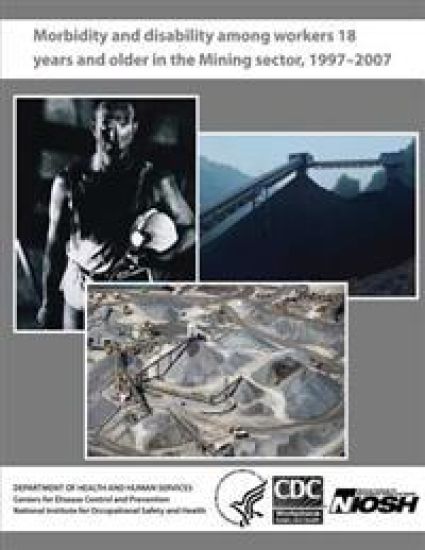
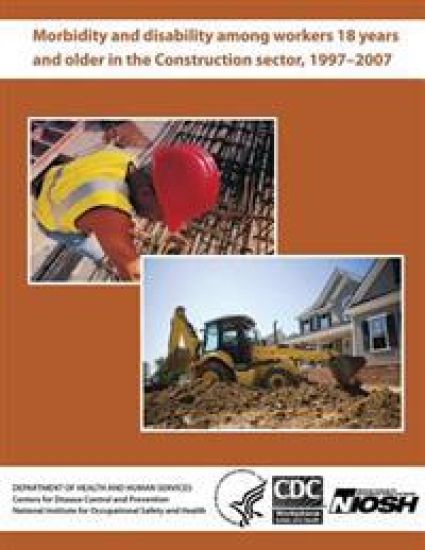
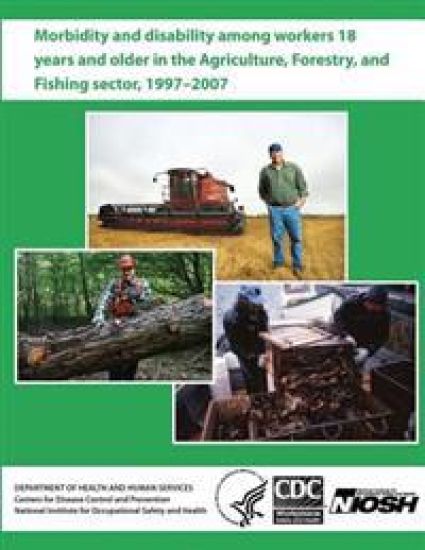
The National Institute for Occupational Safety and Health (NIOSH) is the Federal agency responsible for occupational safety and health research. In collaboration with its many partners, NIOSH is committed to the collection, analysis, dissemination, and use of data describing the prevalence of disease and health risk factors among workers in the United States. The National Academies has urged greater use of injury and illness data at the national level to identify priorities, focus resources, and evaluate prevention program effectiveness. The Occupational Research Group at the University of Miami is illustrative of an extramural partnership which complements NIOSH intramural programs of surveillance and research. Using population health data collected through CDC's National Center for Health Statistics (NCHS), they have successfully undertaken a broadly based research program that describes employed worker's disability, disease, health care access, health behaviors and mortality among occupational groups and industry sectors. With the second decade of NORA, NIOSH is developing strategies and programs to better move research to practice within workplaces, using an industry sector-based approach to define high priority needs. The Occupational Research Group at the University of Miami has since completed extensive analyses describing the prevalence of disability, morbidity, mortality, and injury & disease burden among workers employed within the eight NORA sector groups identified in 2006: Agriculture, forestry and Fishing; Mining; Construction; Manufacturing; Wholesale and Retail Trade; Transportation, Warehousing, and Utilities; Services; and Health Care and Social Assistance. This report is one of a series of reports developed to describe the prevalence of disability and morbidity among current workers within these eight industry sectors. Survey data from the years 1997-2007 were used to describe the five aspects of worker's health, including (1) health status, (2) physical activity limitations or disability, (3) prevalent chronic conditions (cancer, hypertension, heart disease, asthma, diabetes, and severe psychological distress); (4) access to and use of health care services; and (5) health risk factors or behaviors. The report was developed as a descriptive resource to supplement ongoing research, and guide occupational health research and research-to-practice activities within industry. Additionally, the information in this report will facilitate a Total Worker Health(TM) approach to occupational safety and health research. NIOSH increasingly sees the value of integrating occupational safety and health programs that safeguard workers from work-related hazards and programs that promote overall well-being. This report provides data on characteristics of workers health that must be better understood to fulfill the mandate to assure safe and healthful working conditions and to preserve our human resources.
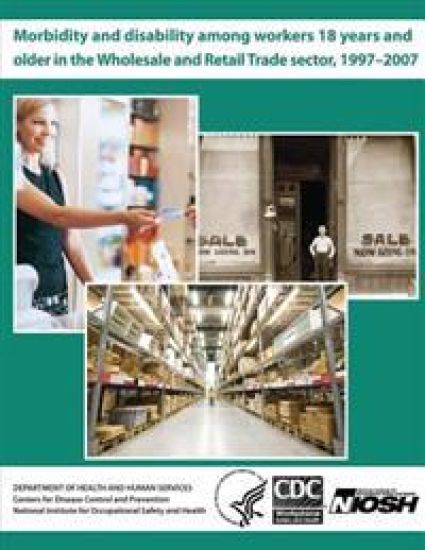
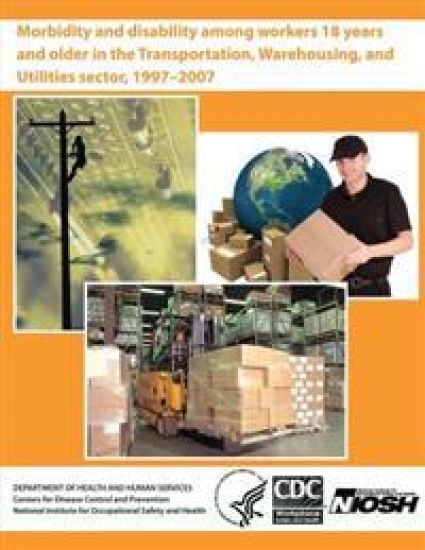
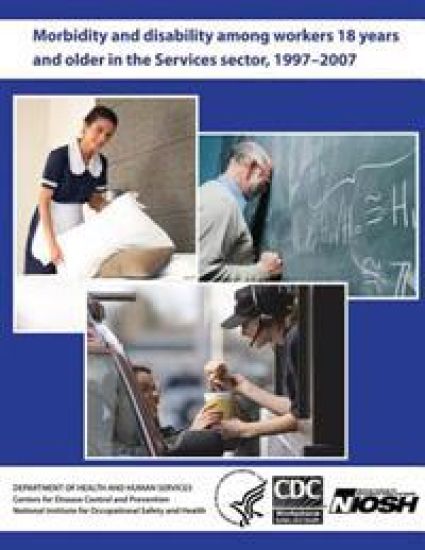
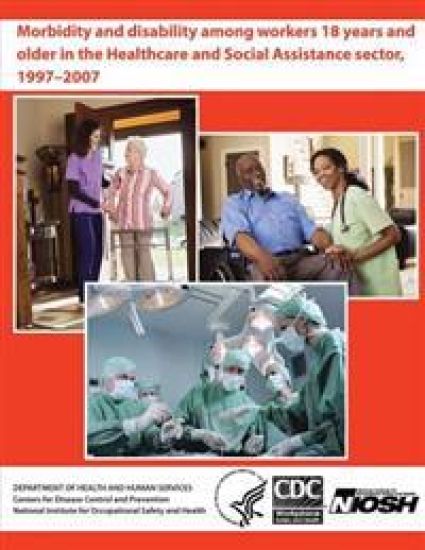
The National Institute for Occupational Safety and Health (NIOSH) is the Federal agency responsible for occupational safety and health research. In collaboration with its many partners, NIOSH is committed to the collection, analysis, dissemination, and use of data describing the prevalence of disease and health risk factors among workers in the United States. The National Academies has urged greater use of injury and illness data at the national level to identify priorities, focus resources, and evaluate prevention program effectiveness. The Occupational Research Group at the University of Miami is illustrative of an extramural partnership which complements NIOSH intramural programs of surveillance and research. Using population health data collected through the Centers for Disease Control and Prevention's (CDC) National Center for Health Statistics (NCHS), they have successfully undertaken a broadly based research program that describes employed worker's disability, disease, health care access, health behaviors and mortality among occupational groups and industry sectors. With the second decade of NORA, NIOSH is developing strategies and programs to better move research to practice within workplaces, using an industry sector-based approach to define high priority needs. The Occupational Research Group at the University of Miami has since completed extensive analyses describing the prevalence of disability, morbidity, mortality, and injury & disease burden among workers employed within the eight NORA sector groups identified in 2006: Agriculture, forestry and Fishing; Mining; Construction; Manufacturing; Wholesale and Retail Trade; Transportation, Warehousing, and Utilities; Services; and Healthcare and Social Assistance. This report is one of a series of reports developed to describe the prevalence of disability and morbidity among current workers within these eight sectors. Survey data from the years 1997-2007 were used to describe the five aspects of worker's health, including (1) health status, (2) physical activity limitations or disability, (3) prevalent chronic conditions (cancer, hypertension, heart disease, asthma, diabetes, and severe psychological distress); (4) access to and use of health care services; and (5) health risk factors or behaviors. The report was developed as a descriptive resource to supplement ongoing research, and guide occupational health research and research-to-practice activities within industry. Additionally, the information in this report will facilitate a Total Worker Health(TM) approach to occupational safety and health research. NIOSH increasingly sees the value of integrating occupational safety and health programs that safeguard workers from work-related hazards and programs that promote overall well-being. This report provides data on characteristics of workers health that must be better understood to fulfill the mandate to assure safe and healthful working conditions and to preserve our human resources.
The National Institute for Occupational Safety and Health (NIOSH) is the Federal agency responsible for occupational safety and health research. In collaboration with its many partners, NIOSH is committed to the collection, analysis, dissemination, and use of data describing the prevalence of disease and health risk factors among workers in the United States. The National Academies has urged greater use of injury and illness data at the national level to identify priorities, focus resources, and evaluate prevention program effectiveness. The Occupational Research Group at the University of Miami is illustrative of an extramural partnership which complements NIOSH intramural programs of surveillance and research. Using population health data collected through the Centers for Disease Control and Prevention's (CDC) National Center for Health Statistics (NCHS), they have successfully undertaken a broadly based research program that describes employed worker's disability, disease, health care access, health behaviors and mortality among occupational groups and industry sectors. With the second decade of NORA, NIOSH is developing strategies and programs to better move research to practice within workplaces, using an industry sector-based approach to define high priority needs. The Occupational Research Group at the University of Miami has since completed extensive analyses describing the prevalence of disability, morbidity, mortality, and injury & disease burden among workers employed within the eight NORA sector groups identified in 2006: Agriculture, forestry and Fishing; Mining; Construction; Manufacturing; Wholesale and Retail Trade; Transportation, Warehousing, and Utilities; Services; and Healthcare and Social Assistance. This report is one of a series of reports developed to describe the prevalence of disability and morbidity among current workers within these eight sectors. Survey data from the years 1997-2007 were used to describe the five aspects of worker's health, including (1) health status, (2) physical activity limitations or disability, (3) prevalent chronic conditions (cancer, hypertension, heart disease, asthma, diabetes, and severe psychological distress); (4) access to and use of health care services; and (5) health risk factors or behaviors. The report was developed as a descriptive resource to supplement ongoing research, and guide occupational health research and research-to-practice activities within industry. Additionally, the information in this report will facilitate a Total Worker Health(TM) approach to occupational safety and health research. NIOSH increasingly sees the value of integrating occupational safety and health programs that safeguard workers from work-related hazards and programs that promote overall well-being. This report provides data on characteristics of workers health that must be better understood to fulfill the mandate to assure safe and healthful working conditions and to preserve our human resources.