Kirjailija
Niccolo Machiavelli
Kirjat ja teokset yhdessä paikassa: 586 kirjaa, julkaisuja vuosilta 1908–2027, suosituimpiin kuuluu Sotataidosta. Vertaile teosten hintoja ja tarkista saatavuus suomalaisista kirjakaupoista.
Nimi esiintyy myös muodoissa: Niccolò Machiavelli, Niccoló Machiavelli, Niccolo` Machiavelli, Niccolõ Machiavelli
586 kirjaa
Kirjojen julkaisuvuodet: 1908–2027.
The Works of Nicholas Machiavel - Translated from the originals: illustrated with notes, annotations, dissertations, and several new plans on the Art of war. Vol. 2 is an unchanged, high-quality reprint of the original edition of 1775. Hansebooks is editor of the literature on different topic areas such as research and science, travel and expeditions, cooking and nutrition, medicine, and other genres. As a publisher we focus on the preservation of historical literature. Many works of historical writers and scientists are available today as antiques only. Hansebooks newly publishes these books and contributes to the preservation of literature which has become rare and historical knowledge for the future.
Bench si tratti dell'unico lavoro storico-politico dell'autore pubblicato mentre questi era ancora in vita, un libro meno letto e conosciuto del Principe, uscito postumo. L'opera scritta, nello stile del dialogo, con lo scopo, dichiarato in principio da Fabrizio Colonna (Machiavelli): di onorare e premiare le virt , non dispregiare la povert , stimare i modi e gli ordini della disciplina militare, costringere i cittadini ad amare l'uno l'altro, a vivere sanza s tte, a stimare meno il privato che il pubblico
Il Principe (titolo originale in lingua latina: De Principatibus, lett. " Sui Principati") un trattato di dottrina politica scritto da Niccol Machiavelli nel 1513, nel quale espone le caratteristiche dei principati e dei metodi per mantenerli e conquistarli. Si tratta senza dubbio della sua opera pi rinomata, quella dalle cui massime (spesso superficialmente interpretate) sono nati il sostantivo "machiavellismo" e l'aggettivo "machiavellico".
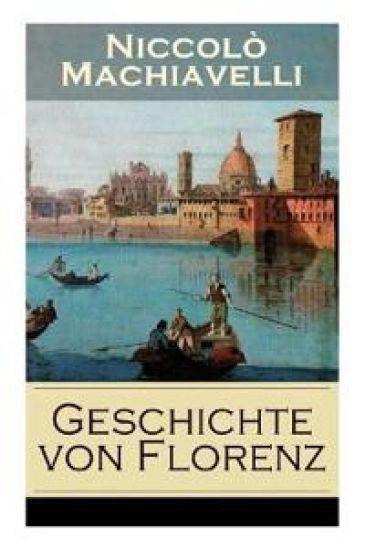
Die Geschichte von Florenz ist heute deshalb so bekannt, weil sie um das Jahr 1520 von Niccol Machiavelli erstmals aufgeschrieben wurde. Er schrieb seine Istorie fiorentine im Auftrag der Medici und berreichte das umfangreiche Werk im Jahre 1525 dem Papst Giulio de' Medici, der sich Clemens VII. nannte. Machiavelli begann schon in seiner Jugendzeit, die Geschichte seiner Heimatstadt aufzuschreiben und nannte sein erstes Buch Decannale. Sp ter kn pfte er daran an und wurde einer der ersten Historiker. Machiavelli blieb wenig anderes brig, als sich mit der Pr senz der Medici zu arrangieren. Im Auftrag von Kardinal Giulio de' Medici selbst schrieb Machiavelli die Geschichte von Florenz. Machiavelli erhielt daf r 100 Florin. In dem Werk beschrieb er die Medici auch positiv, aber geizte nicht mit unterschwelliger Kritik nach Volker Reinhardt. Im M rz 1525 war die Istorie Fiorentine bis zum Jahr 1492 fertig. Weiter wagte Machiavelli nicht zu schreiben. Auch sonst f rchtete Machiavelli beim jetzigen Papst v llig in Ungnade zu fallen, wenn er seine Sicht der Wahrheit unverschl sselt schreibe. So w hlte Machiavelli einen Mittelweg. Er lobte scheinbar Cosimo de' Medici (1389-1464) und stellte ihn als perfekten F rsten dar, aber er stellt ihn auch als Paten von Florenz dar, da dank seines Geldes alle von ihm abh ngig waren. Cosimo befriedete Florenz, l hmte aber gleichzeitig den Ehrgeiz. Dadurch erstickte er den Antrieb bei den B rgern, selbstst ndig zu sein. Au erdem stiegen die Anh nger der Medici in Florenz auf und nicht die Besten. "Die St rke der Medici war also die Schw che des Staates; sie saugten ihn aus, um sich zu behaupten." Niccol Machiavelli (1469-1527) war ein florentinischer Philosoph, Politiker, Diplomat, Geschichtsschreiber und Dichter.
Gesammelte Werke
Niccolò Machiavelli; Johann Gottlob Regis; Alfred Von Reumont
E-Artnow
2017
pokkari
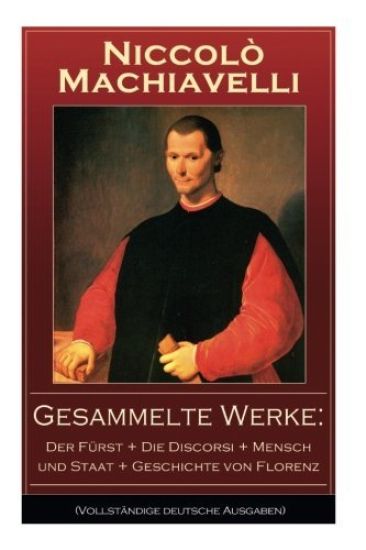
Niccol Machiavelli (1469-1527) war ein florentinischer Philosoph, Politiker, Diplomat, Geschichtsschreiber und Dichter. Inhalt: - Der F rst - Die Discorsi: Das Wesen einer starken Republik (Politische Betrachtungen ber die alte und die italienische Geschichte) - Mensch und Staat - Geschichte von Florenz - Machiavellis Buch Der F rst steht nur stilistisch in der langen Tradition der F rstenspiegel, inhaltlich aber waren f r ihn "alle Traktate von Theologen und Humanisten hohles Geschw tz, das von reinem Wunschdenken diktiert wurde." Nach Volker Reinhardt formuliert Machiavelli in diesem Werk als erster berhaupt die Grunds tze der Staatsr son: "Der Herrscher, der dem Staat dient, muss die Gesetze der traditionellen Moral verletzen. Schreckt er davor zur ck, geht er zusammen mit seinem Staat unter, dessen elementare Bed rfnisse er falsch verstanden hat." - Die Discorsi: Das Wesen einer starken Republik ist das literarische Hauptwerk von Niccol Machiavelli, in dem er seine Gedanken zur Politik, zum Krieg und zur politischen F hrung zusammenfasst. In seinem umfangreichen Werk entwickelt Machiavelli, der ein berzeugter Republikaner war, seine Vorstellung ber ein ideales Staatswesen.
Aus dem Buch: "Was die Klugheit und Best ndigkeit anbelangt, so sage ich, da ein Volk kl ger und best ndiger ist und ein richtigeres Urteil hat als ein F rst. Nicht ohne Grund vergleicht man die Stimme des Volkes mit der Stimme Gottes. Die ffentliche Meinung prophezeit so wunderbar richtig, was geschehen wird, da es den Anschein hat, als s he sie kraft einer verborgenen Eigenschaft das Wohl und Wehe des Volkes voraus... Lange haben die monarchischen Staaten gedauert, lange die republikanischen, und beide mu ten durch Gesetze geregelt werden. Denn ein F rst, der tun kann, was er will, wird unvern nftig herrschen; ein Volk, das tun kann, was es will, wird auch nicht weise regieren. Betrachtet man beide in gesetzlosem Zustand, so wird man beim Volke weniger, kleinere und leichter zu bessernde Fehler finden als beim F rsten. Zu einem z gellosen, aufr hrerischen Volke kann ein wohlmeinender Mann sprechen und es leicht wieder auf den rechten Weg f hren; zu einem schlechten F rsten kann niemand reden, gegen ihn gibt es kein anderes Mittel als das Eisen. Hieraus l t sich schlie en, welches von beiden das gr ere bel ist." Niccol Machiavelli (1469-1527) war ein florentinischer Philosoph, Politiker, Diplomat, Geschichtsschreiber und Dichter. Machiavellis politisches Verm chtnis findet sich in seinen vier Hauptwerken. Dazu geh ren neben seinem bekanntesten Buch Der F rst von 1513, die Abhandlungen ber die ersten zehn B cher des Titus Livius, die er von 1513 bis 1517 schrieb und die 1532 ver ffentlicht wurden, sowie seine 1521 verfasste Geschichte von Florenz.

Il Principe (The Prince) is a political treatise by the Florentine public servant and political theorist Niccol Machiavelli. Originally called De Principatibus (About Principalities), it was written in 1513, but not published until 1532, five years after Machiavelli's death. The treatise is not representative of the work published during his lifetime, but it is the most remembered, and the work responsible for bringing "Machiavellian" into wide usage as a pejorative term. It has also been suggested by some critics that the piece is, in fact, a satire.
The Art of War and The Prince: The Strategy of Sun Tzu and Niccolo Machiavelli
Niccolo Machiavelli; Sun Tzu
Createspace Independent Publishing Platform
2017
nidottu
Sun Tzu said: The art of war is of vital importance to the State. It is a matter of life and death, a road either to safety or to ruin. Hence it is a subject of inquiry which can on no account be neglected. The art of war, then, is governed by five constant factors, to be taken into account in one's deliberations, when seeking to determine the conditions obtaining in the field. These are: (1) The Moral Law; (2) Heaven; (3) Earth; (4) The Commander; (5) Method and discipline.
The Prince
Taylor Anderson; Niccolo Machiavelli
Createspace Independent Publishing Platform
2017
nidottu
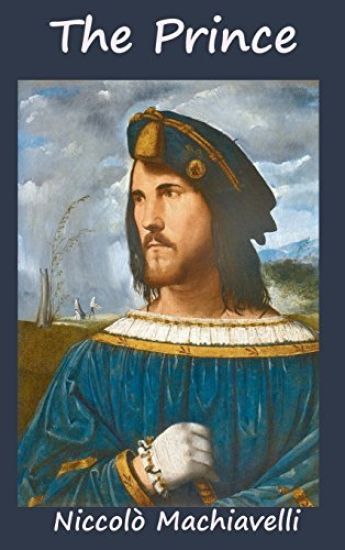
The Prince is the sixteenth century political treatise by the political theorist Niccol Machiavelli. While it is typically considered the pinnacle of his thesis on politics, it was published posthumously. It gained instant recognition in its day, partly because it was published in Italian rather than the traditional Latin, a practice gaining in popularity at the time. The Prince is generally considered the first work of modern political philosophy, and has given birth to the term Machiacellian, generally a pejorative for deceit and duplicity. Odin's Library Classics is dedicated to bringing the world the best of humankind's literature from throughout the ages. Carefully selected, each work is unabridged from classic works of fiction, nonfiction, poetry, or drama.
The Prince: Strategy of Niccolo Machiavelli
Niccolo Machiavelli
Createspace Independent Publishing Platform
2017
nidottu
The Prince is a 16th-century political treatise, by the Italian diplomat and political theorist Niccol Machiavelli. From correspondence a version appears to have been distributed in 1513, using a Latin title, De Principatibus (About Principalities). However, the printed version was not published until 1532, five years after Machiavelli's death. This was done with the permission of the Medici pope Clement VII, but "long before then, in fact since the first appearance of The Prince in manuscript, controversy had swirled about his writings". Although it was written as if it were a traditional work in the mirrors for princes style, it is generally agreed that it was especially innovative. This is only partly because it was written in the vernacular Italian rather than Latin, a practice which had become increasingly popular since the publication of Dante's Divine Comedy and other works of Renaissance literature. The Prince is sometimes claimed to be one of the first works of modern philosophy, especially modern political philosophy, in which the effective truth is taken to be more important than any abstract ideal. It was also in direct conflict with the dominant Catholic and scholastic doctrines of the time concerning politics and ethics. Although it is relatively short, the treatise is the most remembered of Machiavelli's works and the one most responsible for bringing the word "Machiavellian" into usage as a pejorative. It even contributed to the modern negative connotations of the words "politics" and "politician" in western countries. In terms of subject matter it overlaps with the much longer Discourses on Livy, which was written a few years later. In its use of near-contemporary Italians as examples of people who perpetrated criminal deeds for politics, another lesser-known work by Machiavelli which The Prince has been compared to is the Life of Castruccio Castracani. The descriptions within The Prince have the general theme of accepting that the aims of princes - such as glory and survival - can justify the use of immoral means to achieve those ends: "He who neglects what is done for what ought to be done, sooner effects his ruin than his preservation."
The Art of War By Niccol Machiavelli
Il Principe (The Prince) is the famous text by Florentine public servant Niccolo Machiavelli, in which he outlines the best strategy by which a prince can acquire, maintain and protect his state. Published posthumously, the text departs from his previous works, but is that for which he is remembered, and which has produced the adjective "Machiavellian". Machiavelli directives for maintaining a secure state are direct and at times brutal, taking the view that the ends justify the means.
The Prince is a 16th-century political treatise, by the Italian diplomat and political theorist Niccol Machiavelli. The Prince is sometimes claimed to be one of the first works of modern philosophy, especially modern political philosophy, in which the effective truth is taken to be more important than any abstract ideal. It was also in direct conflict with the dominant Catholic and scholastic doctrines of the time concerning politics and ethics.
Niccol Machiavelli, or more formally Niccol di Bernardo dei Machiavelli, was an Italian Renaissance historian, politician, diplomat, philosopher, humanist, and writer. He has often been called the founder of modern political science. He was for many years a senior official in the Florentine Republic, with responsibilities in diplomatic and military affairs. He also wrote comedies, carnival songs, and poetry. His personal correspondence is renowned in the Italian language. He was secretary to the Second Chancery of the Republic of Florence from 1498 to 1512, when the Medici were out of power. He wrote his most renowned work The Prince (Il Principe) in 1513. "The Prince" is a reference about political philosophy that has influenced our modern society, like "The Art of War" by Sun Tzu (Also by Niccol Machiavelli), "The Communist Manifesto" by Karl Marx and Friedrich Engels.
L'intera opera fu composta nella seconda met del 1513 all'Albergaccio, tranne la dedica a Lorenzo de' Medici e l'ultimo capitolo, composti pochi anni dopo. La prima edizione a stampa fu edita nel 1532. Egli infatti ne inizi la stesura mentre si trovava a Sant'Andrea in Percussina, confinato in seguito al ritorno a Firenze della casata Medici (1512) a cui aveva seguito l'accusa di aver partecipato alla congiura antimedicea di Pietro Paolo Boscoli.