Kirjojen hintavertailu – 12 903 725 kirjaa ja 27 kauppaa

Kirjailija

Norbert Elias

Kirjat ja teokset yhdessä paikassa: 49 kirjaa, julkaisuja vuosilta 1976–2026, suosituimpiin kuuluu Der Fußballsport im Prozeß der Zivilisation. Vertaile teosten hintoja ja tarkista saatavuus suomalaisista kirjakaupoista.

49 kirjaa

Kirjojen julkaisuvuodet: 1976–2026.

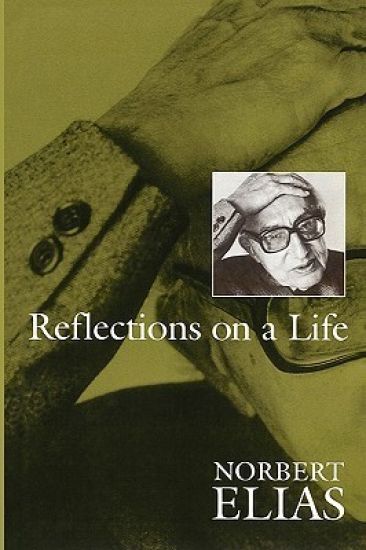
Reflections on a Life

Reflections on a Life

Norbert Elias

Polity Press
1994
nidottu
This book provides a valuable insight into the work and life of Norber Elias - one of the most important social thinkers of the twentieth century. It includes an extended interview with Elias and an autobiographical account which demonstrates the connection between the development of his theories and life experience.
Mozart

Mozart

Norbert Elias

Polity Press
1994
nidottu
Now available in paperback, Mozart is a brilliant study of the great composer's life and creative genius, written by one of the most important social thinkers of our time. In Mozart, Elias provides insight into this case of tragic conflict between personal creativity and the tastes of a society which sought to control it.
The Symbol Theory

The Symbol Theory

Norbert Elias

SAGE Publications Ltd
1991
nidottu
In The Symbol Theory, Norbert Elias draws together three central themes. At the first level the book is concerned with symbols in relation to language, knowing and thinking. Secondly, Elias stresses that symbols are also tangible sound-patterns of human communication, made possible by the evolutionary biological precondition of human vocal apparatus. At a third level, the book addresses theoretical issues about the ontological status of knowledge, moving beyond traditional philosophical dualisms such as subject/object and idealism/materialism. The bulk of The Symbol Theory was published in Vol 6, issues 2, 3 and 4 of Theory, Culture & Society.

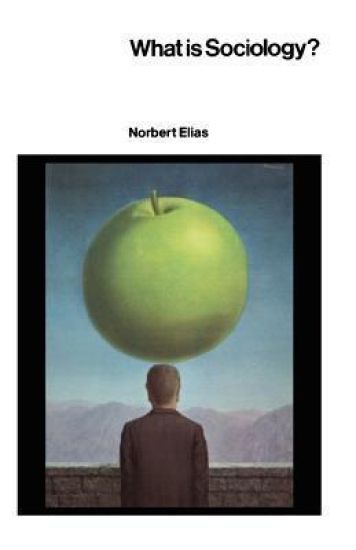
What Is Sociology?

What Is Sociology?

Norbert Elias

Columbia University Press
1984
pokkari

Halvin toimitettuna 39,10 €

What is Sociology? presents in concise and provocative form the major ideas of a seminal thinker whose work-spanning more than four decades-is only now gaining the recognition here it has long had in Germany and France. Unlike other post-war sociologists, Norbert Elias has always held the concept of historical development among his central concerns; his dynamic theories of the evolution of modern man have remedied the historical and epistemological shortcomings of structualism and ethno-methodology. What is Sociology? refines the arguments that were first found in Elias' massive work on the civilizing process, in which he formulated his major assertions about the interdependence of the making of modern man and modern society. It is Elias' contention that changes in personality structure-embodied in phenomena ranging from table manners and hygiene habits to rites of punishment and courtly love-inevitably reflect and mould patterns of control generated by new political and social instututions. Elias' rejection of a dichotomy between individual and society, and his use of psychoanalysis, political theory, and social history, help restore a fullness of resource to sociology.