
Kirjailija
Oscar Wilde
Kirjat ja teokset yhdessä paikassa: 2 744 kirjaa, julkaisuja vuosilta 1890–2026, suosituimpiin kuuluu Aforismeja. Vertaile teosten hintoja ja tarkista saatavuus suomalaisista kirjakaupoista.
2 744 kirjaa
Kirjojen julkaisuvuodet: 1890–2026.
El niño-astro: (low cost). Edición limitada
Oscar Wilde
Createspace Independent Publishing Platform
2016
nidottu
ranse una vez dos pobres le adores que regresaban a su casa cruzando un gran pinar. Era invierno y hac a un fr o terrible. La nieve ca a espesa sobre la tierra y sobre los rboles; el hielo acumulado romp a las ramas m s peque as y d biles, y cuando los le adores llegaron al Torrente de la Monta a, vieron que ste colgaba in nime en el aire porque hab a recibido el beso del Rey de Hielo. Tanto fr o hac a, que aun los animales, hasta los mismos p jaros, no sab an qu hacer. - Muh -Gru el lobo saltando entre los matorrales con su cola entre las patas-. Hace un tiempo perfectamente horrible Por qu no trata de reme-diarlo el gobierno? - Uit Uit Uit -Gorjeaban los verdes colorines-; la an-ciana Tierra ha muerto, y le han puesto su mortaja blanca. -La Tierra se va a desposar, y ste es su traje de bodas -murmuraban las t rtolas entre s . Ten an sus piececitos de rosa heridos por el hielo; pero sent an que era un deber el considerar la situaci n de un modo rom ntico. - Vamos -Gru el lobo-. Les digo que toda la culpa la tiene el gobierno, y a quien no me crea me lo comer . El lobo pose a un gran sentido pr ctico, y no le faltaban nunca argumentos s lidos.

La Invación Yanqui: La verdad sobre las Macaras
Oscar Wilde
Createspace Independent Publishing Platform
2016
nidottu
"...el pueblo ingl s se interesa mucho m s por lo que hay de barbarie que por lo que hay de civilizaci n en Am rica" Oscar Wilde, define la arqueolog a en el teatro como norma de buen uso y en particular en el teatro de Shakespeare como hecho evidente y caracter stico. El autor es el primer dramaturgo en darse cuenta de que la arqueolog a teatral es "uno de los factores esenciales de los medios a disposici n de un ilusionista aut ntico". Con este t rmino se refiere al uso de vestuarios, atrezos y elementos escenogr ficos que imitan con exactitud la realidad hist rica. Esta visi n est basada en caracter sticas de las obras de Shakespeare, que Wilde analizar nuevamente muy a fondo para reivindicar su teor a, apoy ndose en puntos como sus dramatis personae, en los que abundan personajes hist ricos tanto del pasado como de la contemporaneidad del autor; las tramas extra das en su gran mayor a de la historia o de canciones antiguas, de la tradici n; la dotaci n de los hechos con el car cter general de la poca correspondiente; la fidelidad a las "caracter sticas de la raza", es decir, los personajes reproducen las caracter sticas t picas de las gentes de la regi n de donde proceden.
Cuentos de Oscar Wilde: - El millonario modelo Una nota de admiración - La esfinge sin secretos Un aguafuerte - El niño estrella
Oscar Wilde
Createspace Independent Publishing Platform
2016
nidottu
El xito de Oscar Wilde se basaba en el ingenio punzante y epigram tico que derrochaba en sus obras, dedicadas casi siempre a fustigar las hipocres as de sus contempor neos. Una muestra de su talento puede disfrutarse a trav s de sus cuentos. *El millonario modelo: Se trata de un muchacho llamado Hughie Erskine era muy guapo, pero no ten a muchas habilidades y menos de hacer dinero. ." A menos que se sea rico, no sirve de nada ser una persona encantadora. Lo rom ntico es privilegio de los ricos, no profesi n de los desempleados..." * La esfinge sin secretos: En La esfige sin secretos. Lord Murchison, el protagonista, se enamora de una dama que parece ser la t pica mujer fatal * El ni o estrella: cuenta la misteriosa aparici n, en un bosque nevado, de un ni o ca do del cielo, que revolucionar la aldea de le adores que lo acogen
The Importance of Being Earnest
Oscar Wilde
Createspace Independent Publishing Platform
2016
nidottu

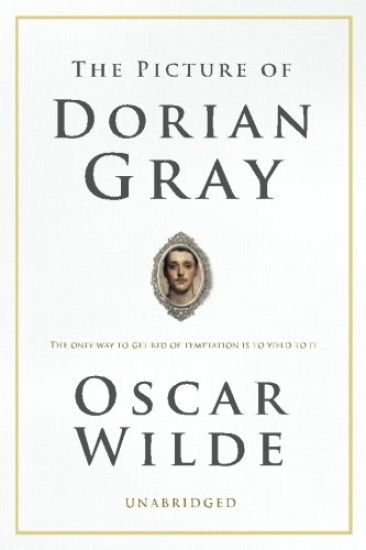
Dorian Gray is the subject of a full-length portrait in oil by Basil Hallward, an artist who is impressed and infatuated by Dorian's beauty; the artist believes that Dorian's beauty is responsible for the new mode in his art as a painter. Through Basil, Dorian meets Lord Henry Wotton, and he soon is enthralled by the aristocrat's hedonistic worldview: that beauty and sensual fulfilment are the only things worth pursuing in life Newly understanding that his beauty will fade, Dorian expresses the desire to sell his soul, to ensure that the picture, rather than he, will age and fade. The wish is granted, and Dorian pursues a libertine life of varied and amoral experiences, while staying young and beautiful; all the while his portrait ages and records every sin.

Das Gespenst von Canterville - Zweisprachig Deutsch Englisch - Mit nebeneinander angeordneten Übersetzung
Oscar Wilde
Createspace Independent Publishing Platform
2016
nidottu
In dieser Geschichte von Oscar Wilde bem ht sich das Gespenst redlich, die neu eingezogene Familie in Angst und Schrecken zu versetzen. Aber britischer Geisteradel kommt nicht gegen amerikanischen Pragmatismus an und f hrt zu feiner Ironie und Situationskomik. In keiner Weise gruselig kann es mit Kindern gelesen werden, aber auch Erwachsene werden ihre Freude daran haben. Sehr lustig, mit Witz und SituationskomikEffektiv und schnell durch spezielle TextbearbeitungZum Vorlesen geeignetRasche Erweiterung des WortschatzesEnglisch lernen mit "Das Gespenst von Canterville"Der englische Text und die deutsche bersetzung sind in diesem Buch in Spalten satzweise nebeneinander angeordnet (Paralleler Text, Zweisprachig, Bilingual). Ihre VorteileSie k nnen sofort kontrollieren ob Sie etwas verstanden haben ohne lange suchen zu m ssenDurch die satzweise Zuordnung der bersetzung brauchen Sie nur kurze Zeit um eine fehlende bersetzung zu finden. So geraten Sie nicht aus dem Lesefluss und k nnen die Geschichte wirklich genie en. Zum Englisch verbessern, Englisch auffrischen oder einfach Englisch lesen. (Umfangreicher Wortschatz)Das Buch ist zum Vorlesen geeignet. Sie k nnen zum Vorlesen die deutsche oder englische Variante w hlen, zwischen den Sprachen wechseln oder nur jeweils ein paar englische W rter beim Vorlesen einstreuenwegen des gro en Wortschatzes werden wichtige W rter automatisch wiederholt, da sie im Text fter vorkommen. Ein langweiligess Auswendiglernen entf llt. Extensives Lesen und Englisch lernen mit parallelen Texten: Warum? Extensives Lesen bedeutet hier Lesen, sehr viel Lesen in einer Fremdsprache. Dabei kommt es nicht darauf an jedes Wort zu verstehen sondern der Handlung zu folgen und herauszufinden was als n chstes passiert. Der Spa am Lesen steht im Vordergrund. Kato Lomb, eine ungarische Dolmetscherin die viele Sprachen flie end beherrschte, beschrieb in ihrem Buch "Wie lerne ich jede Sprache" wie sie extensives Lesen benutzte um schnell ihren Wortschatz zu erweitern. Der amerikanische Linguist Stephen Krashen bezeichnet extensives Lesen als das wirksamsten Mittel zum Spracherwerb und ver ffentlichte viele Artikel zu diesem Thema.
The Importance Of Being Earnest
Oscar Wilde
Createspace Independent Publishing Platform
2016
nidottu
The Importance of Being Earnest, A Trivial Comedy for Serious People is a play by Oscar Wilde. First performed on 14 February 1895 at the St James's Theatre in London, it is a farcical comedy in which the protagonists maintain fictitious person to escape burdensome social obligations. Working within the social conventions of late Victorian London, the play's major themes are the triviality with which it treats institutions as serious as marriage, and the resulting satire of Victorian ways. Contemporary reviews all praised the play's humour, though some were cautious about its explicit lack of social messages, while others foresaw the modern consensus that it was the culmination of Wilde's artistic career so far. Its high farce and witty dialogue have helped make The Importance of Being Earnest Wilde's most enduringly popular play. Each RADLEY CLASSIC is a meticulously restored, luxurious and faithful reproduction of a classic book; produced with elegant text layout, clarity of presentation, and stylistic features that make reading a true pleasure. Special attention is given to legible fonts and adequate letter sizing, correct line length for readability, generous margins and triple lead (lavish line separation); plus we do not allow any mistakes/changes to creep into the original author's words. Visit RADLEY BOOKS at www.radleybooks.com to see more classic book titles in this series.

The Happy Prince and Other Tales
Oscar Wilde
Createspace Independent Publishing Platform
2016
nidottu
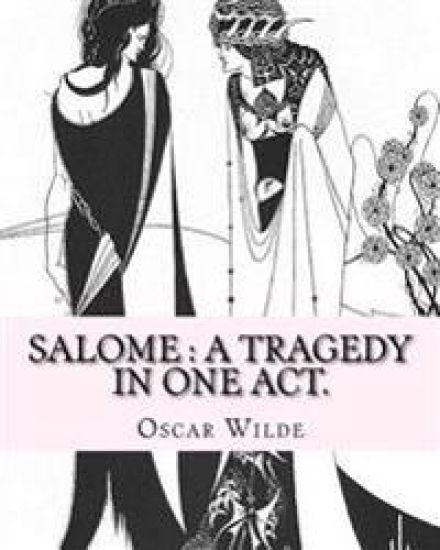
Salome: a tragedy in one act. By: Oscar Wilde, Drawings By: Aubrey Beardsley: Aubrey Vincent Beardsley (21 August 1872 - 16 Ma
Aubrey Beardsley; Oscar Wilde
Createspace Independent Publishing Platform
2016
nidottu
Oscar Fingal O'Flahertie Wills Wilde (16 October 1854 - 30 November 1900) was an Irish playwright, novelist, essayist, and poet. After writing in different forms throughout the 1880s, he became one of London's most popular playwrights in the early 1890s. He is remembered for his epigrams, his novel The Picture of Dorian Gray, his plays, as well as the circumstances of his imprisonment and early death. Wilde's parents were successful Anglo-Irish Dublin intellectuals. Their son became fluent in French and German early in life. At university, Wilde read Greats; he proved himself to be an outstanding classicist, first at Dublin, then at Oxford. He became known for his involvement in the rising philosophy of aestheticism, led by two of his tutors, Walter Pater and John Ruskin. After university, Wilde moved to London into fashionable cultural and social circles. As a spokesman for aestheticism, he tried his hand at various literary activities: he published a book of poems, lectured in the United States and Canada on the new "English Renaissance in Art", and then returned to London where he worked prolifically as a journalist. Known for his biting wit, flamboyant dress and glittering conversation, Wilde became one of the best-known personalities of his day. At the turn of the 1890s, he refined his ideas about the supremacy of art in a series of dialogues and essays, and incorporated themes of decadence, duplicity, and beauty into his only novel, The Picture of Dorian Gray (1890). The opportunity to construct aesthetic details precisely, and combine them with larger social themes, drew Wilde to write drama. He wrote Salome (1891) in French in Paris but it was refused a licence for England due to the absolute prohibition of Biblical subjects on the English stage. Unperturbed, Wilde produced four society comedies in the early 1890s, which made him one of the most successful playwrights of late Victorian London. At the height of his fame and success, while his masterpiece, The Importance of Being Earnest (1895), was still on stage in London, Wilde had the Marquess of Queensberry prosecuted for libel. The Marquess was the father of Wilde's lover, Lord Alfred Douglas. The charge carried a penalty of up to two years in prison. The trial unearthed evidence that caused Wilde to drop his charges and led to his own arrest and trial for gross indecency with men. After two more trials he was convicted and imprisoned for two years' hard labour. In 1897, in prison, he wrote De Profundis, which was published in 1905, a long letter which discusses his spiritual journey through his trials, forming a dark counterpoint to his earlier philosophy of pleasure. Upon his release he left immediately for France, never to return to Ireland or Britain. There he wrote his last work, The Ballad of Reading Gaol (1898), a long poem commemorating the harsh rhythms of prison life. He died destitute in Paris at the age of 46. Aubrey Vincent Beardsley (21 August 1872 - 16 March 1898) was an English illustrator and author. His drawings in black ink, influenced by the style of Japanese woodcuts, emphasized the grotesque, the decadent, and the erotic. He was a leading figure in the Aesthetic movement which also included Oscar Wilde and James A. McNeill Whistler. Beardsley's contribution to the development of the Art Nouveau and poster styles was significant, despite the brevity of his career before his early death from tuberculosis....
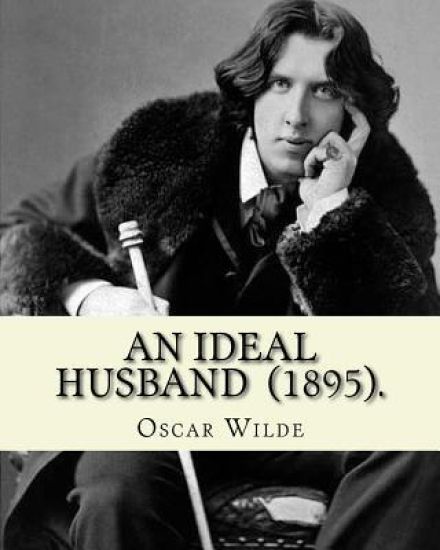
An Ideal Husband (1895). By: Oscar Wilde: An Ideal Husband is an 1895 comedic stage play by Oscar Wilde which revolves around blackmail and politic
Oscar Wilde
Createspace Independent Publishing Platform
2016
nidottu
An Ideal Husband is an 1895 comedic stage play by Oscar Wilde which revolves around blackmail and political corruption, and touches on the themes of public and private honour. The action is set in London, in "the present", and takes place over the course of twenty-four hours. "Sooner or later," Wilde notes, "we shall all have to pay for what we do." But he adds that, "No one should be entirely judged by their past." Together with The Importance of Being Earnest, it is often considered Wilde's dramatic masterpiece. After Earnest, it is his most popularly produced play. In the summer of 1893, Oscar Wilde began writing An Ideal Husband, and he completed it later that winter. His work began at Goring-on-Thames, after which he named the character Lord Goring, and concluded at St. James Place. He initially sent the completed play to the Garrick Theatre, where the manager rejected it, but it was soon accepted by the Haymarket Theatre, where Lewis Waller had temporarily taken control. Waller was an excellent actor and cast himself as Sir Robert Chiltern. The play gave the Haymarket the success it desperately needed. After opening on 3 January 1895, it continued for 124 performances. In April of that year, Wilde was arrested for "gross indecency" and his name was publicly taken off the play. On 6 April, soon after Wilde's arrest, the play moved to the Criterion Theatre where it ran from 13-27 April. The play was published in 1899, although Wilde was not listed as the author. This published version differs slightly from the performed play, for Wilde added many passages and cut others. Prominent additions included written stage directions and character descriptions. Wilde was a leader in the effort to make plays accessible to the reading public.......... Oscar Fingal O'Flahertie Wills Wilde (16 October 1854 - 30 November 1900) was an Irish playwright, novelist, essayist, and poet. After writing in different forms throughout the 1880s, he became one of London's most popular playwrights in the early 1890s. He is remembered for his epigrams, his novel The Picture of Dorian Gray, his plays, as well as the circumstances of his imprisonment and early death. Wilde's parents were successful Anglo-Irish Dublin intellectuals. Their son became fluent in French and German early in life. At university, Wilde read Greats; he proved himself to be an outstanding classicist, first at Dublin, then at Oxford. He became known for his involvement in the rising philosophy of aestheticism, led by two of his tutors, Walter Pater and John Ruskin. After university, Wilde moved to London into fashionable cultural and social circles. As a spokesman for aestheticism, he tried his hand at various literary activities: he published a book of poems, lectured in the United States and Canada on the new "English Renaissance in Art", and then returned to London where he worked prolifically as a journalist. Known for his biting wit, flamboyant dress and glittering conversation, Wilde became one of the best-known personalities of his day. At the turn of the 1890s, he refined his ideas about the supremacy of art in a series of dialogues and essays, and incorporated themes of decadence, duplicity, and beauty into his only novel, The Picture of Dorian Gray (1890). The opportunity to construct aesthetic details precisely, and combine them with larger social themes, drew Wilde to write drama. He wrote Salome (1891) in French in Paris but it was refused a licence for England due to the absolute prohibition of Biblical subjects on the English stage. Unperturbed, Wilde produced four society comedies in the early 1890s, which made him one of the most successful playwrights of late Victorian London.....
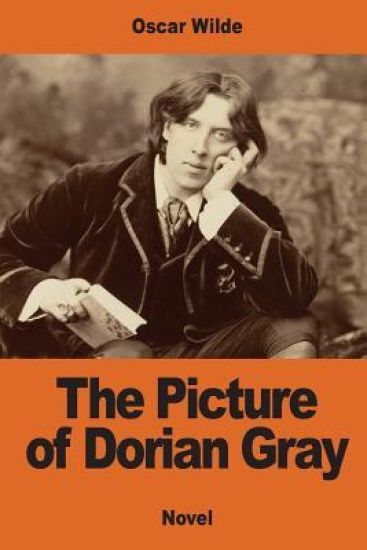
The Picture of Dorian Gray is a philosophical novel by Oscar Wilde, first published complete in the July 1890 issue of Lippincott's Monthly Magazine. 1] The magazine's editor feared the story was indecent, and without Wilde's knowledge, deleted roughly five hundred words before publication. Despite that censorship, The Picture of Dorian Gray offended the moral sensibilities of British book reviewers, some of whom said that Oscar Wilde merited prosecution for violating the laws guarding the public morality. In response, Wilde aggressively defended his novel and art in correspondence with the British press, although he personally made excisions of some of the most controversial material when revising and lengthening the story for book publication the following year. Each RADLEY CLASSIC is a meticulously restored, luxurious and faithful reproduction of a classic book; produced with elegant text layout, clarity of presentation, and stylistic features that make reading a true pleasure. Special attention is given to legible fonts and adequate letter sizing, correct line length for readability, generous margins and triple lead (lavish line separation); plus we do not allow any mistakes/changes/additions to creep into the original author's words. Visit RADLEY BOOKS at www.radleybooks.com to see more classic book titles in this series.
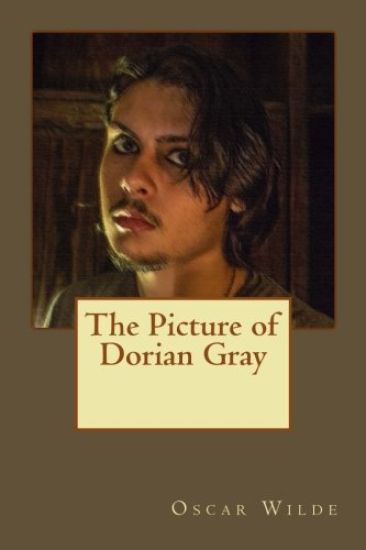
Dorian Gray is the subject of a full-length portrait in oil by Basil Hallward, an artist who is impressed and infatuated by Dorian's beauty; he believes that Dorian's beauty is responsible for the new mode in his art as a painter. Through Basil, Dorian meets Lord Henry Wotton, and he soon is enthralled by the aristocrat's hedonistic worldview: that beauty and sensual fulfilment are the only things worth pursuing in life. Newly understanding that his beauty will fade, Dorian expresses the desire to sell his soul, to ensure that the picture, rather than he, will age and fade. The wish is granted, and Dorian pursues a libertine life of varied and amoral experiences, while staying young and beautiful; all the while his portrait ages and records every sin.