Kirjojen hintavertailu – 12 859 826 kirjaa ja 27 kauppaa
Kirjailija
Oscar Wilde
Kirjat ja teokset yhdessä paikassa: 2 744 kirjaa, julkaisuja vuosilta 1890–2026, suosituimpiin kuuluu Aforismeja. Vertaile teosten hintoja ja tarkista saatavuus suomalaisista kirjakaupoista.
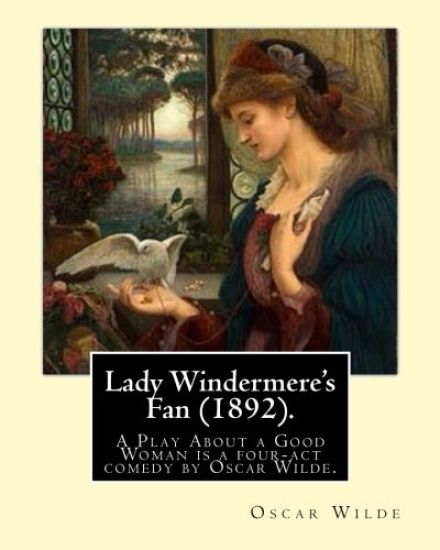
El abanico de Lady Windermere es una obra de teatro en cuatro actos de Oscar Wilde, estrenada el 22 de febrero de 1892 en el Teatro St James. La obra comienza cuando Lady Windermere descubre que su marido puede estar manteniendo una relaci n con otra mujer. La duquesa de Berwick es la que ha delatado al marido. Lady Windermere se enfrenta a su esposo y le pide explicaciones, pero ste rechaza las acusaciones e invita a la supuesta amante, Mrs Erlynne, al baile de cumplea os de su mujer. Ultrajada por la infidelidad de su marido, Lady Windermere decide abandonarlo para seguir a Lord Darlington, un amigo que acaba de confesarle su amor. Tras descubrir lo sucedido, Mrs Erlynne sigue a Lady Windermere hasta casa de Lord Darlington e intenta convencerla para que vuelva con su marido. Tras una discusi n en la que finalmente, Lady Windermere cede a la pretensi n de regresar al hogar, ambas mujeres deben esconderse, al o r a varios caballeros que se acercan. Entre ellos Lord Windermere y Lord Darlington. Cuando los hombres entran en la casa conversan poco tiempo, pero uno de los amigos de Lord Windermere encuentra el abanico de lady Windermere, y l reconoce el abanico de su mujer, acusa a Lord Darlington de tener a su mujer escondida en alg n lugar y exige que el apartamento sea registrado. Entonces aparece Mrs Erlynne y confiesa que ha cogido el abanico por error. De ese modo, sacrifica su reputaci n para salvar el matrimonio de Lady Windermere.
The Picture of Dorian Gray is a philosophical novel by Oscar Wilde. The Picture of Dorian Gray offended the moral sensibilities of British book reviewers, some of whom said that Oscar Wilde merited prosecution for violating the laws guarding the public morality. In response, Wilde aggressively defended his novel and art in correspondence with the British press, although he personally made excisions of some of the most controversial material when revising and lengthening the story for book publication the following year. "Dorian Gray is the subject of a full-length portrait in oil by Basil Hallward, an artist who is impressed and infatuated by Dorian's beauty; he believes that Dorian's beauty is responsible for the new mode in his art as a painter. Through Basil, Dorian meets Lord Henry Wotton, and he soon is enthralled by the aristocrat's hedonistic worldview: that beauty and sensual fulfilment are the only things worth pursuing in life. Newly understanding that his beauty will fade, Dorian expresses the desire to sell his soul, to ensure that the picture, rather than he, will age and fade. The wish is granted, and Dorian pursues a libertine life of varied and amoral experiences, while staying young and beautiful; all the while his portrait ages and records every bad sin." As literature of the 19th century, The Picture of Dorian Gray is an example of Gothic fiction with strong themes interpreted from Faust.
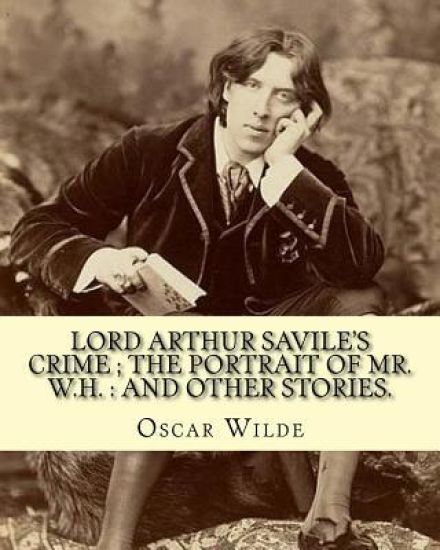
Oscar Fingal O'Flahertie Wills Wilde (16 October 1854 - 30 November 1900) was an Irish playwright, novelist, essayist, and poet. After writing in different forms throughout the 1880s, he became one of London's most popular playwrights in the early 1890s. He is remembered for his epigrams, his novel The Picture of Dorian Gray, his plays, as well as the circumstances of his imprisonment and early death. Wilde's parents were successful Anglo-Irish Dublin intellectuals. Their son became fluent in French and German early in life. At university, Wilde read Greats; he proved himself to be an outstanding classicist, first at Dublin, then at Oxford. He became known for his involvement in the rising philosophy of aestheticism, led by two of his tutors, Walter Pater and John Ruskin. After university, Wilde moved to London into fashionable cultural and social circles. As a spokesman for aestheticism, he tried his hand at various literary activities: he published a book of poems, lectured in the United States and Canada on the new "English Renaissance in Art", and then returned to London where he worked prolifically as a journalist. Known for his biting wit, flamboyant dress and glittering conversation, Wilde became one of the best-known personalities of his day. At the turn of the 1890s, he refined his ideas about the supremacy of art in a series of dialogues and essays, and incorporated themes of decadence, duplicity, and beauty into his only novel, The Picture of Dorian Gray (1890). The opportunity to construct aesthetic details precisely, and combine them with larger social themes, drew Wilde to write drama. He wrote Salome (1891) in French in Paris but it was refused a licence for England due to the absolute prohibition of Biblical subjects on the English stage. Unperturbed, Wilde produced four society comedies in the early 1890s, which made him one of the most successful playwrights of late Victorian London. At the height of his fame and success, while his masterpiece, The Importance of Being Earnest (1895), was still on stage in London, Wilde had the Marquess of Queensberry prosecuted for libel. The Marquess was the father of Wilde's lover, Lord Alfred Douglas. The charge carried a penalty of up to two years in prison. The trial unearthed evidence that caused Wilde to drop his charges and led to his own arrest and trial for gross indecency with men. After two more trials he was convicted and imprisoned for two years' hard labour. In 1897, in prison, he wrote De Profundis, which was published in 1905, a long letter which discusses his spiritual journey through his trials, forming a dark counterpoint to his earlier philosophy of pleasure. Upon his release he left immediately for France, never to return to Ireland or Britain. There he wrote his last work, The Ballad of Reading Gaol (1898), a long poem commemorating the harsh rhythms of prison life. He died destitute in Paris at the age of 46. Lord Arthur Savile's Crime and Other Stories is a collection of short semi-comic mystery stories that were written by Oscar Wilde and published in 1891. It includes:
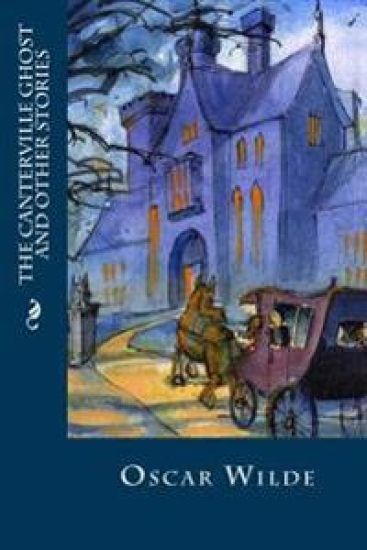
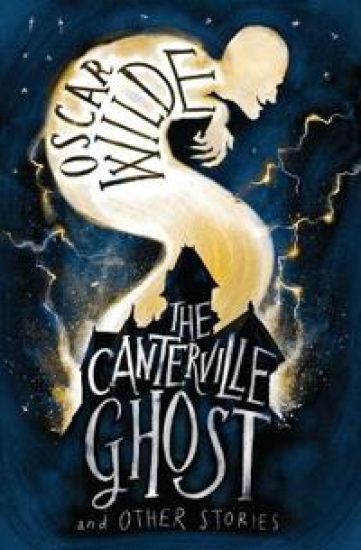
When the Americans Mr and Mrs Otis and their four children move into Canterville Chase, its previous occupant Lord Canterville warns them that the ghost of his ancestor still haunts the house. Their disbelief is soon shattered by the nightly sound of rattling chains in the hallways and the appearance of mysterious bloodstains in the living room. However, the ghost struggles to intimidate his new victims, as they counter his ghoulish behaviour with typically transatlantic pragmatism, offering lubricator for his chains and cleaning up the stains with detergent. As the spirit is deserted by his capacity to scare, Virginia, the Otises’ daughter, gets to know him and learns the tragic tale behind his sad fate. Sparkling with his trademark wit, this classic tale is one of Oscar Wilde’s finest stories and is presented here with three other comic mystery stories, ‘Lord Arthur Savile’s Crime’, ‘The Sphinx without a Secret’ and ‘The Model Millionaire’, all of which were first published together in 1891.