
Kirjailija
Ovid
Kirjat ja teokset yhdessä paikassa: 336 kirjaa, julkaisuja vuosilta 1914–2027, suosituimpiin kuuluu The Metamorphoses of Ovid. Vertaile teosten hintoja ja tarkista saatavuus suomalaisista kirjakaupoista.
Nimi esiintyy myös muodoissa: Ovid .
336 kirjaa
Kirjojen julkaisuvuodet: 1914–2027.
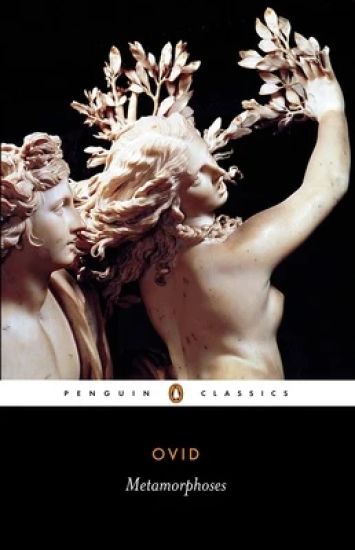
'Still remarkably vivid. It is easier to read this for pure pleasure than just about any other ancient text' Nicholas Lezard, GuardianOvid's sensuous and witty poem begins with the creation of the world and brings together a dazzling array of mythological tales, ingeniously linked by the idea of transformation - often as a result of love or lust - where men and women find themselves magically changed into extraordinary new beings. Including the well-known stories of Daedalus and Icarus, Pyramus and Thisbe, Pygmalion, Perseus and Andromeda, and the fall of Troy, the Metamorphoses has influenced writers and artists from Shakespeare and Chaucer to Picasso and Ted Hughes. This translation by David Raeburn is in hexameter verse, which brilliantly captures the energy and spontaneity of the original. Translated by DAVID RAEBURN with an Introduction by DENIS FEENEY
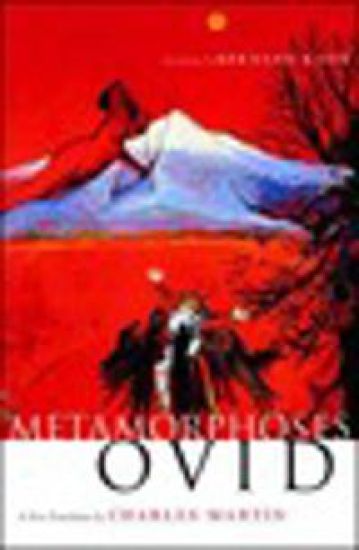
A new translation of the epic Roman poem on the dynamics of change seeks to remain faithful to the author's original text and reflects Ovid's themes of speed and liveliness.
Ovid's Metamorphosis Englished, Mythologized and Represented in Figures, 1632
Ovid; George (TRN) Sandys
Kessinger Pub
2003
pokkari
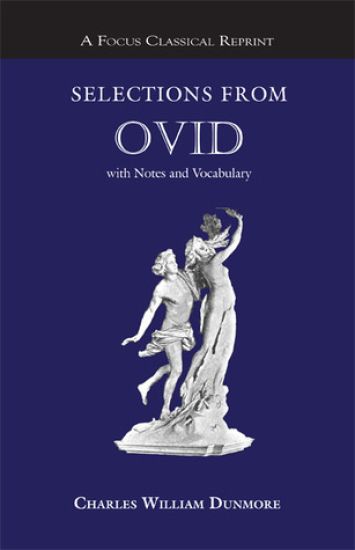
This reprint of the classic commentary on Ovid by Dr. Charles W. Dunmore contains selections in Latin from the Metamorphoses, the Fasti, Heroides, Tristia, Epistulae ex Ponto, Amores, and Ars Amatoria. Notes are below the text and a full vocabulary concludes the book. Macrons are not used.
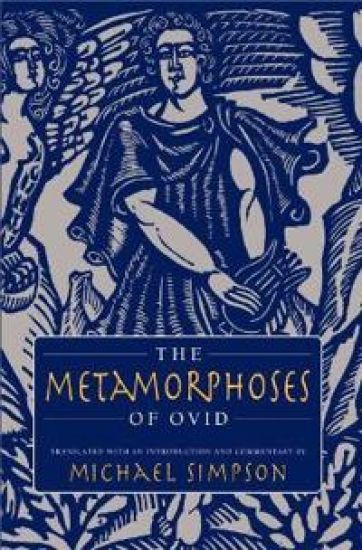
Composed in Latin in the early years of the 1st century by the Roman poet Ovid, the ""Metamorphoses"" presents a collection of tales of transformation based on Greek mythology and legend. Michael Simpson's prose translation of Ovid's masterpiece in the rapid and direct American idiom aims to catch the swiftness and clarity of the Latin original. His introduction sketches the poet's life, describes his extant works, discusses his unusual exile to the west coast of the Black Sea (where he died) and provides a useful context for reading the ""Metamorphoses"". Simpson has also prepared extensive endnotes that serve as mini essays, illuminating the manifold aspects of the poem and offering commentary and interpretation that should enable readers to enter Ovid's magical world and enjoy its richness.
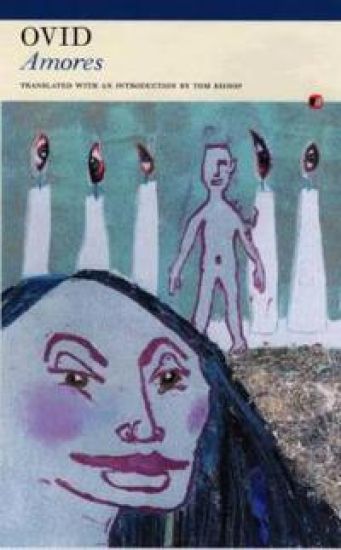
Ovid (c. 43 BC-AD17), a daring, original and passionate poet, has been an enduring influence on later poets. "Amores" is the work that first made Ovid famous, and infamous. A scandal in its day, and probably in part responsible for Ovid's banishment from Rome, "Amores" lays bare the intrigues and appetites of high society in the imperial capital at the time of Caesar Augustus. Clandestine sex, orgies and entertainments, fashion and violence, are among the subjects Ovid explores: the surface dazzle and hidden depths, secret liaisons and their public postures. This new translation by Tom Bishop closely follows the movement and metre of Ovid's verse, rendering his world of love, licentiousness and conspiracy so as to catch Ovid's raciness. His introduction sets the work in historical context.
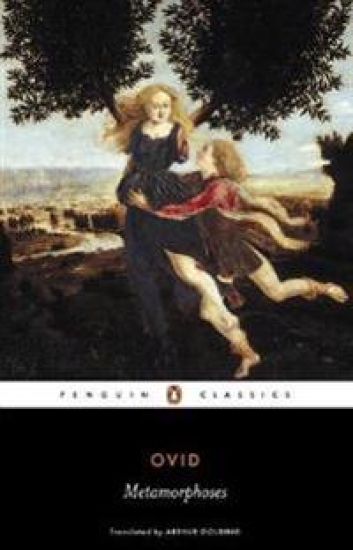
Bringing together a series of ingeniously linked myths and legends, Ovid's deliciously witty and poignant Metamorphoses describes a magical world in which men and women are transformed - often by love - into flowers, trees, animals, stones and stars. First published in 1567, this landmark translation by Arthur Golding was the first major English edition of the epic, which includes such tales as the legend of Narcissus; the parable of Icarus; and the passion held by the witch-queen Circe for the great Aeneas. A compelling adaptation that used imagery familiar to English sixteenth-century society, it powerfully influenced Spenser, Shakespeare and the character of Elizabethan literature.
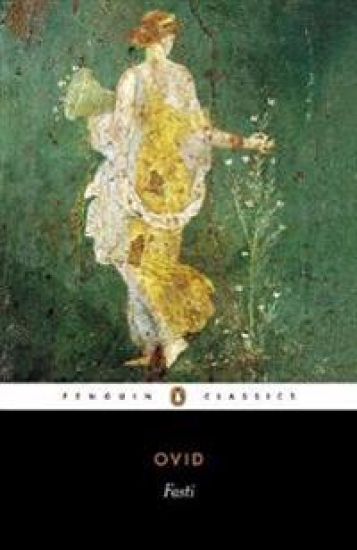
Written after he had been banished to the Black Sea city of Tomis by Emperor Augustus, the Fasti is Ovid's last major poetic work. Both a calendar of daily rituals and a witty sequence of stories recounted in a variety of styles, it weaves together tales of gods and citizens together to explore Rome's history, religious beliefs and traditions. It may also be read as a subtle but powerful political manifesto which derides Augustus' attempts to control his subjects by imposing his own mythology upon them: after celebrating the emperor as a Jupiter-on-earth, for example, Ovid deliberately juxtaposes a story showing the king of the gods as a savage rapist. Endlessly playful, this is also a work of integrity and courage, and a superb climax to the life of one of Rome's greatest writers.
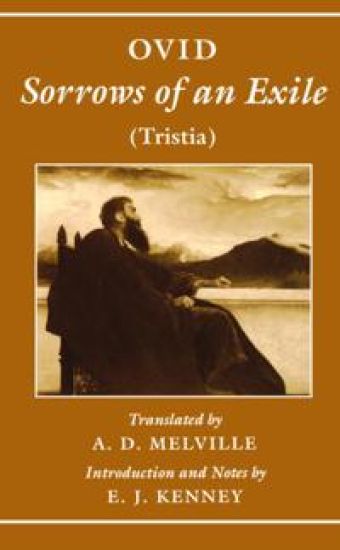
In AD 8 Ovid's brilliant career was abruptly blasted when the Emperor Augustus banished him, for reasons never satisfactorily explained, to Tomis (Constanta) on the Black Sea. This is a new translation of the five books of Tristia (Sorrows) which express his reaction to this savage and, as he clearly regarded it, unjust sentence. The title of the Tristia belies them: though their ostensible theme is the misery and loneliness of exile, their real message, if they are read with the care they deserve, is one of affirmation. Both directly and, as befitted the Roman Callimachus, allusively, Ovid repeatedly asserts, often with a wit and irony that borders on defiance, his conviction of the injustice of his sentence and of the pre-eminence of the eternal values of poetry over the ephemeral dictates of an earthly power. These elegies are informed throughout by Ovid's awareness of, and continuing pride in, his poetic identity and mission. In technical skill and inventiveness they rank with the Art of Love or the Fasti. This is poetry as accomplished as anything he wrote in happier days and which demands no less critical respect.
This edition of the first book of Ovid's "Amores" was first published in 1973 by OUP. It has been kept in print by BCP because it remains an outstandlingly useful volume. It was one of two editions (the other being Gordon Williams' "Horace 'Odes' III", 1969) in which OUP pioneered a new kind of continuous running commentary particularly suited to short poems, one 'likely to be more illuminating than a series of disconnected notes on isolated problems, which may contribute little to the total understanding of the poem as the poet conceived it'. This approach was intended to promote in sixth-formers and undergraduates not just an understanding of the Latin but a critical appreciation of literary quality. In this aim, the edition has been a continued success.
This is the first separate edition of Metamorphoses XI since that of G. A. T. Davies in 1907. While Davies' edition is incomplete (it omits certain lines) and his commentary is mainly concerned with philological matter, this new edition gives a complete text and the notes are designed to assist appreciation of Ovid's literary qualities. The introduction seeks to define Ovid's literary originality in the Metamorphoses and analyses his considerable influence upon English literature. The appendix provides an opportunity for comparative literary criticism. Book XI contains some of Ovid's best descriptive passages and offers the student an admirable introduction to the Metamorphoses.
This simple, utilitarian edition offers sixth-form and undergraduate students an introduction to the enchanted, sometimes violent, often sad, often funny world of the "Metamorphoses". Book III is ideal in this respect, for it possesses a homogeneity unusual among the fifteen books of the poem and follows the fortunes of the royal house of Thebes in episodes which are related at some length, allowing the reader to savour the individual quality of each story and fix its 'dramatis personae' in mind and memory. The brief introduction places the book in its ancient context. Notes serve primarily to aid comprehension of the Latin but also give aesthetic and antiquarian information. A vocabulary is included.