Kirjojen hintavertailu – 12 903 725 kirjaa ja 27 kauppaa

Kirjailija

Paul Oliver

Kirjat ja teokset yhdessä paikassa: 28 kirjaa, julkaisuja vuosilta 1984–2021, suosituimpiin kuuluu Broadcasting the Blues. Vertaile teosten hintoja ja tarkista saatavuus suomalaisista kirjakaupoista.

28 kirjaa

Kirjojen julkaisuvuodet: 1984–2021.

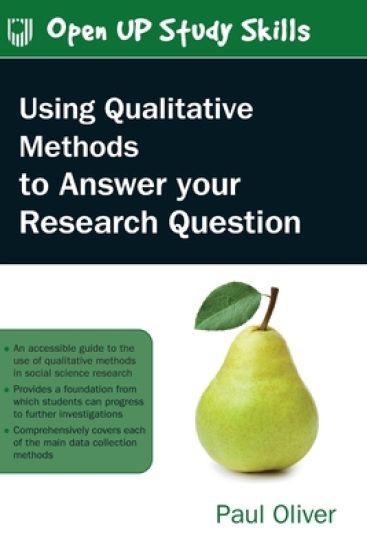
Using Qualitative Methods to Answer Your Research Question
Using Qualitative Methods to Answer Your Research Question provides an accessible and detailed guide to using qualitative methods in social science research. This book places your research question at the centre of your choice of methodology and helps you to identify the strongest qualitative approach to maximize your success. The book provides detailed guidance on:•Types of research questions best suited to investigation using qualitative approaches•Selecting a research question and applying the appropriate methodology•Relating the aims of a research question to the nature of the methodology chosen•The main approaches to the collection and analysis of qualitative data•Using qualitative methods in your research•The different levels of detail required of undergraduate and postgraduate writingThis book is ideal for all students carrying out a research dissertation or planning the research for their thesis.“Oliver’s book is an interesting and engaging personal introduction to qualitative research and would be a useful text for first time researchers on undergraduate courses or as a pre-course suggested reading for those starting postgraduate research programmes.” Alaster Scott Douglas, Reader in Education and Professional Practice, University of Roehampton, London, UK “Accessible, clear and with the needs of the researcher in mind, this book ensures the fundamentals of qualitative research are explored through enthusiasm for the subject matter, an appreciation of the conceptual and philosophical underpinnings, as well as the practicalities of planning and conducting research.” Dr. Yunis Alam, Senior Lecturer in Sociology, University of Bradford, UKPaul Oliver is a former Principal Lecturer in the School of Education and Professional Development, at the University of Huddersfield, UK. He was course leader for the Doctor of Education programme, and also taught widely on the master's programme in education.
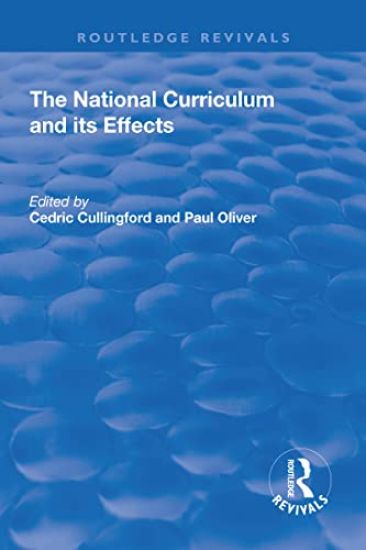
The National Curriculum and its Effects

The National Curriculum and its Effects

Cedric Cullingford; Paul Oliver

Routledge
2019
nidottu
This title was first published in 2001. What impact has the National Curriculum for England and Wales had on pupils, teachers, academic and social standards in the ten years since its introduction? The distinguished contributors to this volume examine the history and development of the National Curriculum to date and assess its effects.
The National Curriculum and its Effects

The National Curriculum and its Effects

Cedric Cullingford; Paul Oliver

Routledge
2017
sidottu
This title was first published in 2001. What impact has the National Curriculum for England and Wales had on pupils, teachers, academic and social standards in the ten years since its introduction? The distinguished contributors to this volume examine the history and development of the National Curriculum to date and assess its effects.
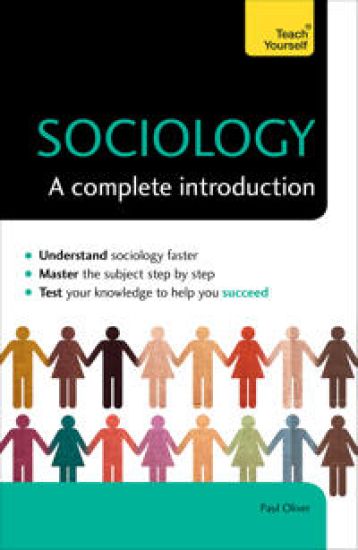
Sociology: A Complete Introduction: Teach Yourself
Sociology: A Complete Introduction is designed to give you everything you need to succeed, all in one place. It covers the key areas that students are expected to be confident in, outlining the basics in clear, jargon-free English and providing added-value features like summaries of key experiments and even lists of questions you might be asked in your seminar or exam. The text is split into four parts, with an emphasis throughout on understanding and treating all concepts with clarity and precision. The first part covers theoretical issues including research methods. Part two looks at the social environment, including urbanization, work, politics, religion and the mass media. The final two parts examine global society and the position of the individual. It is structured to mirror the way Sociology is taught on many A Level and university courses with each chapter covering a key introductory area. By the end you'll have a clear understanding of the essential principles of sociology.
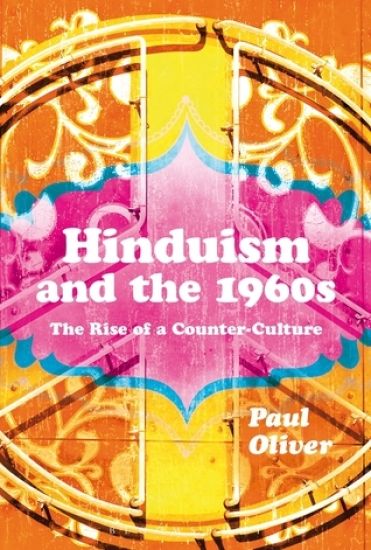
Hinduism and the 1960s

Hinduism and the 1960s

Paul Oliver

Bloomsbury Academic
2014
sidottu
The West has drawn upon Hinduism on a wide scale, from hatha yoga and meditation techniques, to popular culture in music and fashion, yet the contribution of Hinduism to the counter-culture of the 1960s has not been analysed in full. Hinduism and the 1960s looks at the youth culture of the 1960s and early 1970s, and the way in which it was influenced by Hinduism and Indian culture. It examines the origins of the 1960s counter-culture in the Beat movement of the 1950s, and their interest in Eastern religion, notably Zen. When the Beatles visited India to study transcendental meditation, there was a rapid expansion in interest in Hinduism. Young people were already heading east on the so-called 'Hippie Trail', looking for spiritual enlightenment and an escape from the material lifestyle of the West. Paul Oliver examines the lifestyle which they adopted, from living in ashrams to experimenting with drugs, sexual liberation, ayurvedic medicine and yoga. This engaging book analyses the interaction between Hinduism and the West, and the way in which each affected the other. It demonstrates the ways in which contemporary Western society has learned from the ancient religion of Hinduism, and incorporated such teachings as yoga, meditation and a natural holistic lifestyle, into daily life. Each chapter contains a summary and further reading guidance, and a glossary is included at the end of the book, making this ideal reading for courses on Hinduism, Indian religions, and religion and popular culture.
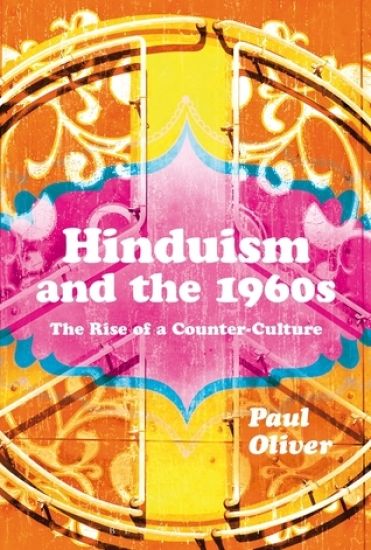
Hinduism and the 1960s

Hinduism and the 1960s

Paul Oliver

Bloomsbury Academic
2014
nidottu
The West has drawn upon Hinduism on a wide scale, from hatha yoga and meditation techniques, to popular culture in music and fashion, yet the contribution of Hinduism to the counter-culture of the 1960s has not been analysed in full. Hinduism and the 1960s looks at the youth culture of the 1960s and early 1970s, and the way in which it was influenced by Hinduism and Indian culture. It examines the origins of the 1960s counter-culture in the Beat movement of the 1950s, and their interest in Eastern religion, notably Zen. When the Beatles visited India to study transcendental meditation, there was a rapid expansion in interest in Hinduism. Young people were already heading east on the so-called 'Hippie Trail', looking for spiritual enlightenment and an escape from the material lifestyle of the West. Paul Oliver examines the lifestyle which they adopted, from living in ashrams to experimenting with drugs, sexual liberation, ayurvedic medicine and yoga. This engaging book analyses the interaction between Hinduism and the West, and the way in which each affected the other. It demonstrates the ways in which contemporary Western society has learned from the ancient religion of Hinduism, and incorporated such teachings as yoga, meditation and a natural holistic lifestyle, into daily life. Each chapter contains a summary and further reading guidance, and a glossary is included at the end of the book, making this ideal reading for courses on Hinduism, Indian religions, and religion and popular culture.
Writing Your Thesis

Writing Your Thesis

Paul Oliver

SAGE Publications Ltd
2013
nidottu
'Written in an authoritative and accessible style, this is a must-read for anyone planning, researching and writing a doctoral thesis or dissertation. I will certainly be recommending this book to my research students.' - Professor Goeffrey Elliott, University of Worcester 'Paul's book was a lifeline during my doctorate: it is now the first book that I recommend for my research students! His book is easily accessible, full of practical advice, and provides useful study strategies to carefully guide you - this third edition is a valuable asset wherever you are on your doctoral journey.' - Dr Scott Buckler, University of Worcester Based on his extensive experience as a successful thesis supervisor, Paul Oliver shows you how to turn your notes and data into a finished Masters or PhD thesis or dissertation. Fully up-to-date with current HEFCE/other EU requirements, the book sets out a template for you to follow, including planning and preparation, theoretical perspectives, publishing preliminary findings, and preparing for the viva. This edition contains: Examples of common mistakes and how you can avoid them Discussions of artefacts such as creative work Research-focused content A section on the relationship with your supervisor Information on online and digital work, so you are up to date with the latest developments in thesis writing. Student Success is a series of essential guides for students of all levels. From how to think critically and write great essays to boosting your employability and managing your wellbeing, the Student Success series helps you study smarter and get the best from your time at university.
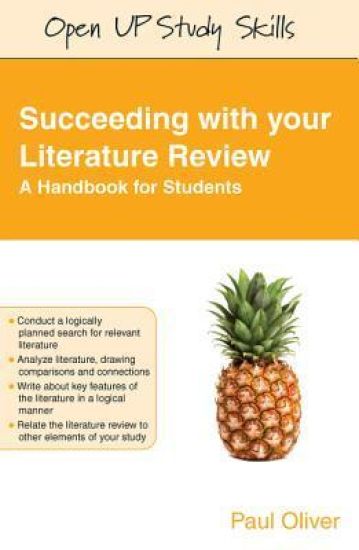
Succeeding with your Literature Review: A Handbook for Students

Succeeding with your Literature Review: A Handbook for Students

Paul Oliver

Open University Press
2012
nidottu

Halvin toimitettuna 34,00 €

"An excellent and accessible text that will help all students and scholars to develop a strong review and enable them to outline and analyse the key ideas for their study. The structure of the book is really well thought out and the chapters are written in a way which readers will find helpful and easy to understand. I would highly recommend this book to research students." Professor Mark Brundrett, Liverpool John Moores University, UKThis step-by-step handbook provides comprehensive and practical guidance on the process of researching a range of relevant literature on a subject, as well as planning and writing a literature review. The book takes a student friendly approach to offer complete novices a simple review of a process which is often central to producing a research study. Succeeding with your Literature Review will enable you to:Design a literature review which is related to the main facets of a research projectConduct a logically-planned search for relevant literature Determine which literature is most suited to inclusion in your studyAnalyse the literature, drawing comparisons and connections where appropriateAppraise the strengths and weaknesses of relevant literatureWrite logically and rationally about the key features of literature Write a literature review in a sound academic styleUnderstand how to relate a literature review to other elements of your study or dissertationWritten by an author with extensive experience of supervising and examining undergraduate, Masters and doctoral dissertations, this book covers the latest trends, such as: RSS feeds, wikis, grey literature, blogs and forms of open access publishing. The book also includes examples of common pitfalls, good practice, key terms and questions to reinforce student learning and reflection. Succeeding with your Literature Review is relevant in all subject areas and is essential reading for third year undergraduate and postgraduate students.
New Religious Movements: A Guide for the Perplexed

New Religious Movements: A Guide for the Perplexed

Paul Oliver

Continuum Publishing Corporation
2012
sidottu
New Religious Movements: A Guide for the Perplexed examines the phenomenon of new faiths and alternative spiritualities which has become a feature of the contemporary world. Those interested in the spiritual dimension to life are no longer limited to the major world faiths, but can draw upon a rapidly-expanding range of new religions. Some of these are derived from the major religions, some are a re-working of ancient traditions, while others signify a completely new departure in spiritual experience. This book analyses the concepts we use to discuss new religions, and surveys a range of different movements which were established in the second half of the 20th century. Paul Oliver explores the organization of the movements, and the psychological aspects of life within them; the distribution of power and authority within movements; the position of women in relation to such organizations, and finally, the nature of the evolution and expansion of such movements in relation to post-modern society. This book is ideal for students wishing to understand the more perplexing elements of this contemporary phenomenon.
New Religious Movements: A Guide for the Perplexed

New Religious Movements: A Guide for the Perplexed

Paul Oliver

Continuum Publishing Corporation
2012
nidottu
This is an exploration of 'new' religious movements which have originated since 1950, setting them within their social and cultural context. "New Religious Movements: A Guide for the Perplexed" examines the phenomenon of new faiths and alternative spiritualities which has become a feature of the contemporary world. Those interested in the spiritual dimension to life are no longer limited to the major world faiths, but can draw upon a rapidly-expanding range of new religions. Some of these are derived from the major religions, some are a reworking of ancient traditions, while others signify a completely new departure in spiritual experience. This book analyses the concepts we use to discuss new religions, and surveys a range of different movements which were established in the second half of the 20th century. Paul Oliver explores the organization of the movements, and the psychological aspects of life within them; the distribution of power and authority within movements; the position of women in relation to such organizations; and finally, the nature of the evolution and expansion of such movements in relation to post-modern society. This book is ideal for students wishing to understand the more perplexing elements of this contemporary phenomenon. "Continuum's Guides for the Perplexed" are clear, concise and accessible introductions to thinkers, writers and subjects that students and readers can find especially challenging - or indeed downright bewildering. Concentrating specifically on what it is that makes the subject difficult to grasp, these books explain and explore key themes and ideas, guiding the reader towards a thorough understanding of demanding material.
Foucault - The Key Ideas

Foucault - The Key Ideas

Paul Oliver

Teach Yourself
2010
pokkari
Foucault - The Key Ideas is a concise introduction to the life, works and ideas of this ground-breaking modern philosopher. This book will not only guide you through the events of Foucault's life and help you to understand his most complex ideas with ease; it will also demonstrate the practical impact of those ideas on life today. Covering everything from Foucault's views on the philosophy and sociology of knowledge to his analysis of power and institutions in society, this book offers a fascinating insight into the legacy of this revolutionary thinker. NOT GOT MUCH TIME? One, five and ten-minute introductions to key principles to get you started. AUTHOR INSIGHTSLots of instant help with common problems and quick tips for success, based on the author's many years of experience. TEST YOURSELFTests in the book and online to keep track of your progress. EXTEND YOUR KNOWLEDGEExtra online articles at www.teachyourself.com to give you a richer understanding of study skills. FIVE THINGS TO REMEMBERQuick refreshers to help you remember the key facts. TRY THISInnovative exercises illustrate what you've learnt and how to use it.
World Faiths - An Introduction: Teach Yourself
This book is a concise guide to the major religions around the world. Become familiar with the history of each faith, its core beliefs, and how it is practised today. Whether you're studying theology or just want to know more about the faiths that shape our world, this clearly structured guide offers everything you need to get started. NOT GOT MUCH TIME? One, five and ten-minute introductions to key principles to get you started. AUTHOR INSIGHTSLots of instant help with common problems and quick tips for success, based on the author's many years of experience. TEST YOURSELFTests in the book and online to keep track of your progress. EXTEND YOUR KNOWLEDGEExtra online articles at www.teachyourself.com to give you a richer understanding of psychology. FIVE THINGS TO REMEMBERQuick refreshers to help you remember the key facts. TRY THISInnovative exercises illustrate what you've learnt and how to use it.
The Student's Guide to Research Ethics

The Student's Guide to Research Ethics

Paul Oliver

Open University Press
2010
nidottu

Halvin toimitettuna 34,00 €

Why should every researcher consider the ethical implications of their work? What constitutes ethical research? How can best practice be maintained throughout a research project? This reader-friendly book examines the ethical issues and questions that occur in university and professional research and will help both beginning and experienced researchers to identify ethical issues when they are conducting research. The book thoroughly examines the broader ethical issues that arise throughout research, from the design stage through to data collection and analysis. It also investigates topical issues such as content, confidentiality and ethical questions in the dissemination of research. There are also discussions of ethical theories as well as case studies that highlight dilemmas and how they can be avoided or resolved. This new edition is thoroughly updated to reflect the greater emphasis researchers must now place on ethics and includes information on:Ethical concerns of the internet and technology Regulatory frameworks and research governanceEthical requirements of funding bodiesThe involvement of research participants in research designCodes of ethics within different disciplines'Ethical Dialogue' and 'Ethical Dilemmas' boxes feature throughout the book in order to highlight key issues. There are also further reading sections at the end of each chapter as well as expanded coverage of plagiarism. The Student's Guide to Research Ethics is an invaluable tool for both undergraduate and postgraduate students as well as professionals who research as part of their jobs.
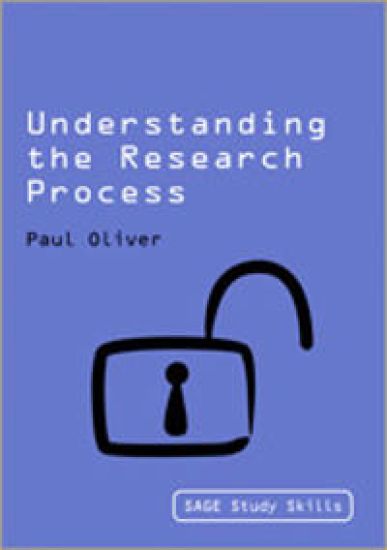
Understanding the Research Process

Understanding the Research Process

Paul Oliver

SAGE Publications Ltd
2010
nidottu
Understanding the Research Process helps students understand the use of specialist vocabulary and terminology of educational and social science research. The author explores the ways in which research terminology is used, and shows students - how to use specialist research terminology appropriately - how to distinguish between appropriate and inappropriate uses of research terminology - how to understand the meaning of research terms - how to disseminate research in a style which is clear and easily understood The book is for final year undergraduates and masters students in humanities, education and social science subjects. Paul Oliver is a widely-published author in the fields of education, philosophy and religious studies. He is currently principal lecturer in the School of Education and Professional Development, at the University of Huddersfield.
Understanding the Research Process

Understanding the Research Process

Paul Oliver

SAGE Publications Ltd
2010
sidottu
Understanding the Research Process helps students understand the use of specialist vocabulary and terminology of educational and social science research. The author explores the ways in which research terminology is used, and shows students - how to use specialist research terminology appropriately - how to distinguish between appropriate and inappropriate uses of research terminology - how to understand the meaning of research terms - how to disseminate research in a style which is clear and easily understood The book is for final year undergraduates and masters students in humanities, education and social science subjects. Paul Oliver is a widely-published author in the fields of education, philosophy and religious studies. He is currently principal lecturer in the School of Education and Professional Development, at the University of Huddersfield.
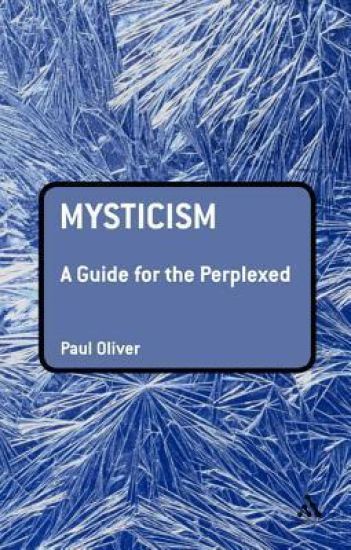
Mysticism: A Guide for the Perplexed

Mysticism: A Guide for the Perplexed

Paul Oliver

Continuum International Publishing Group Ltd.
2009
sidottu
This is a guide to mysticism: one of the most enduring and fascinating aspects of religious life, and one of the most difficult to unpick. Mysticism is one of the most enduring and fascinating aspects of religious life, and one of the most difficult to unpick. It has, over the centuries, inspired many of the leading figures in different faiths to seek a sense of union with God or with the spiritual forces in the universe, and is increasingly part of the spiritual mainstream. Designed for students grappling with this complicated area, this will enable readers to understand the nature of mysticism, and to examine in detail the traditional methods used by mystics in seeking an intimate understanding of the spiritual world. Including a detailed survey of mystical trends within all the main world religions, and case studies of the lives of important mystics, "Mysticism: A Guide for the Perplexed" also examines the nature of the mystical lifestyle, and examines the extent to which ordinary people can develop a sense of personal mysticism. "Continuum's Guides for the Perplexed" are clear, concise and accessible introductions to thinkers, writers and subjects that students and readers can find especially challenging - or indeed downright bewildering. Concentrating specifically on what it is that makes the subject difficult to grasp, these books explain and explore key themes and ideas, guiding the reader towards a thorough understanding of demanding material.
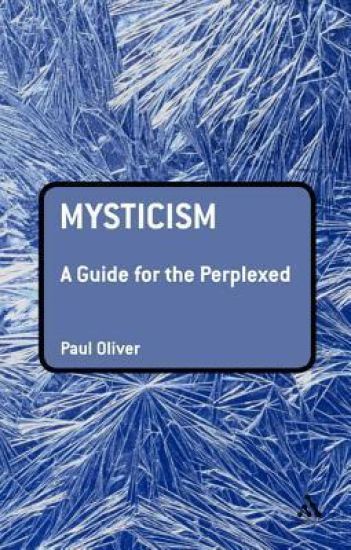
Mysticism: A Guide for the Perplexed

Mysticism: A Guide for the Perplexed

Paul Oliver

Continuum International Publishing Group Ltd.
2009
nidottu
This is a guide to mysticism: one of the most enduring and fascinating aspects of religious life, and one of the most difficult to unpick. Mysticism is one of the most enduring and fascinating aspects of religious life, and one of the most difficult to unpick. It has, over the centuries, inspired many of the leading figures in different faiths to seek a sense of union with God or with the spiritual forces in the universe, and is increasingly part of the spiritual mainstream. Designed for students grappling with this complicated area, this will enable readers to understand the nature of mysticism, and to examine in detail the traditional methods used by mystics in seeking an intimate understanding of the spiritual world. Including a detailed survey of mystical trends within all the main world religions, and case studies of the lives of important mystics, "Mysticism: A Guide for the Perplexed" also examines the nature of the mystical lifestyle, and examines the extent to which ordinary people can develop a sense of personal mysticism. "Continuum's Guides for the Perplexed" are clear, concise and accessible introductions to thinkers, writers and subjects that students and readers can find especially challenging - or indeed downright bewildering. Concentrating specifically on what it is that makes the subject difficult to grasp, these books explain and explore key themes and ideas, guiding the reader towards a thorough understanding of demanding material.
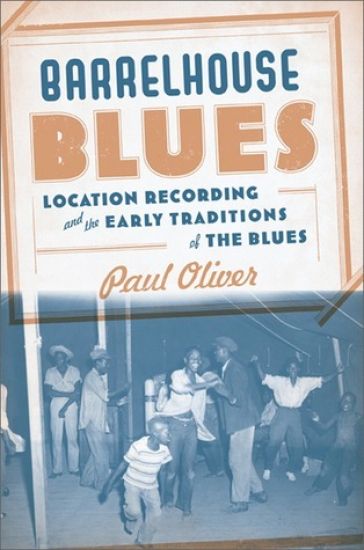
Barrelhouse Blues

Barrelhouse Blues

Paul Oliver

Basic Books
2009
sidottu
In the 1920s, Southern record companies ventured to cities like Dallas, Atlanta, and New Orleans, where they set up primitive recording equipment in makeshift studios. They brought in street singers, medicine show performers, pianists from the juke joints and barrelhouses. The music that circulated through Southern work camps, prison farms, and vaudeville shows would be lost to us if it hadn't been captured on location by these performers and recorders. Eminent blues historian Paul Oliver uncovers these folk traditions and the circumstances under which they were recorded, rescuing the forefathers of the blues who were lost before they even had a chance to be heard. A careful excavation of the earliest recordings of the blues by one of its foremost experts, Barrelhouse Blues expands our definition of that most American style of music.
Atlas of Vernacular Architecture of the World

Atlas of Vernacular Architecture of the World

Marcel Vellinga; Paul Oliver; Alexander Bridge

Routledge
2008
sidottu
The first world atlas ever compiled on vernacular architecture, this comprehensive work illustrates the variety and ingenuity of the world’s vernacular building traditions from a multi-disciplinary, cross-cultural and comparative approach, using over sixty world and regional maps. Mapping such diverse aspects as materials and resources, technologies, structural systems, symbolism, forms and service systems on a cross-cultural and comparative basis, the Atlas of Vernacular Architecture of the World reveals the distribution, diversity and relationships of the world’s vernacular building traditions. Indicating geographical patterns, developments, lacunae and anomalies, it gives rise to new insights and understandings, stimulating new hypotheses, questions and research efforts. Augmenting the award-winning Encyclopedia of Vernacular Architecture of the World, the Atlas of Vernacular Architecture of the World constitutes a unique and unparalleled resource for anyone involved in the growing field of vernacular architecture studies, including architects, geographers, art historians, planners, folklorists, conservationists, builders, and anthropologists as well as being of use to all those working in the fields of heritage conservation, architecture, regeneration, energy efficient building, resources management, development and sustainability.