Kirjojen hintavertailu – 12 859 829 kirjaa ja 27 kauppaa

Kirjailija

Paul Smith

Kirjat ja teokset yhdessä paikassa: 428 kirjaa, julkaisuja vuosilta 1967–2026, suosituimpiin kuuluu Sana'i: Life & Poems. Vertaile teosten hintoja ja tarkista saatavuus suomalaisista kirjakaupoista.

428 kirjaa

Kirjojen julkaisuvuodet: 1967–2026.

The Adventures of Moose & Mr Brown

The Adventures of Moose & Mr Brown

Paul Smith

Pavilion Children's Books
2019
sidottu
This is the iconic international fashion designer Sir Paul Smith's very first children's picture book – and the first book in a new and exciting series. Written by Sir Paul and illustrated by the brilliant Sam Usher, this is a stunning, beautiful, laugh-out-loud story of animals, travel, design and finding inspiration in the most unlikely of places. Inspired by toys that Paul has owned for many years, the main characters are curious, charming and characterful. Mr Brown is an international fashion designer, who meets Moose on a plane travelling to London. Moose is distraught as he has lost his twin brother Monty – who got on the wrong plane! Mr Brown agrees to help Moose track Monty down, and in return, Moose helps bring even more inspiration to Mr Brown's business. They travel around the world, helping other animals with their designs (slippers for sloths, parkas for penguins, scarves for giraffes, and more) while looking for Monty. Will Mr Brown and Moose find Monty before Mr Brown's big catwalk show?
The 10 Stories Great Leaders Tell: A Workbook and Study Guide Companion
The creative worbook companion to the new release, 10 Stories Great Leaders Tell As a manager, CEO, or team leader, how can you innovatively engage your employees so that they understand where your organization came from, where it's going, and how you're going to get there? How can you connect with your customers in a way that makes them believe in your company as passionately as you do? Paul Smith is one of the world's leading experts in business storytelling. He teaches people how to be more effective leaders by communicating their company's important mission, inspiring creativity, and earning the trust of valued stakeholders. The 10 Stories Great Leaders Tell explores the journey behind success, and breaks down not just the importance of your company's story but how to craft compelling ones of your own.
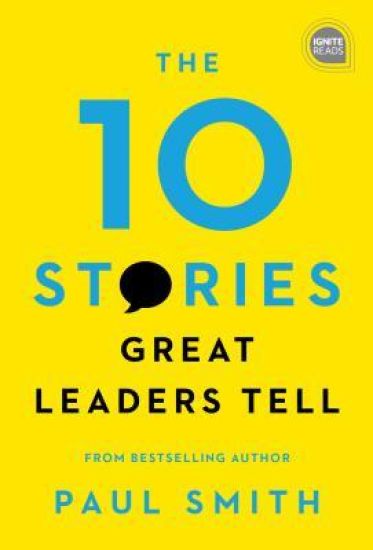
The 10 Stories Great Leaders Tell

The 10 Stories Great Leaders Tell

Paul Smith

Simple Truths, LLC
2019
sidottu
NOW AN OWL (Outstanding Work of Literature) Leadership Award Winner! Every great leader is a great storyteller. As a manager, CEO, or team leader, how can you innovatively engage your employees so that they understand where your organization came from, where it's going, and how you're going to get there? How can you connect with your customers in a way that makes them believe in your company as passionately as you do? Paul Smith is one of the world's leading experts in business storytelling. He teaches people how to be more effective leaders by communicating their company's important mission, inspiring creativity, and earning the trust of valued stakeholders. The 10 Stories Great Leaders Tell explores the journey behind success, and breaks down not just the importance of your company's story but how to craft compelling ones of your own.
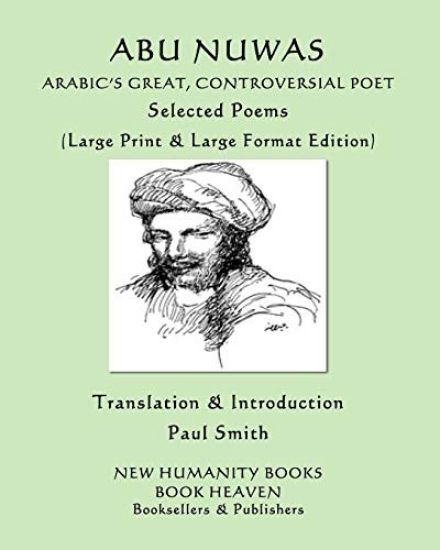
Abu Nuwas: ARABIC'S GREAT, CONTROVERSIAL POET Selected Poems: (Large Print & Large Format Edition)
ABU NUWAS: ARABIC'S GREAT, CONTROVERSIAL POET Selected Poems (Large Print & Large Format Edition) Translation & Introduction Paul Smith Abu Nuwas (757-814) was the most famous and infamous poet who composed in Arabic of the Abbasid era. His style was extravagant and his compositions reflected the licentious manners of the upper classes of his day. By the time he reached manhood he had settled in Baghdad and was composing poetry. Gradually he attracted the attention of Harun al-Rashid and was given quarters at court. His ability as a poet no doubt was one reason for Abu Nuwas' success with the caliph, but after a while he became known as a reprobate and participated in less reputable pastimes with the ruler. He spent time in Egypt but soon returned to Baghdad to live out his remaining years. It is said he lived the last part of his life as a Sufi and some of his poems reflect this. He is popular today, perhaps more so than he ever was, as a kind of comic anti-hero in many Muslim countries. His poems consist of qit'as (of which he was the first master) ghazals and qasidas. All forms are here in the meaning & rhyme structure, the largest in print. Introduction: Life, Times & Poetry and forms he composed in: 2 appendixes of some of the stories about him in Arabian Nights and elsewhere. Large Print 18pt., Large Format 8" x 10" 363 pages. Paul Smith (b.1945) is a poet, author and translator of many books of Sufi poets from the Persian, Arabic, Urdu, Turkish, Pashtu and other languages... including Hafiz, Sadi, Nizami, 'Attar, Sana'i, Jahan Khatun, Obeyd Zakani, Nesimi, Kabir, Anvari, Ansari, Jami, Khayyam, Rudaki, Bulleh Shah, Shah Latif, Mansur Hallaj, Jigar, Seemab and many others, as well as poetry, fiction, plays, children's books, biographies and 12 screenplays. amazon.com/author/smithpa
Right Seat Right Table

Right Seat Right Table

Paul Smith

Future Directors Institute
2019
pokkari
BOARDROOMS are experiencing major transformation and disruption as we transition into a world that demands greater transparency, digitalization and social accountability. The old ways of doing business are becoming less relevant. DIRECTORS now need different skills, a sense of purpose and capabilities that far exceed being well connected and experienced. There is an increasing demand for a new type of board member to help govern companies and organizations in the 21st century. But, where will the next generation of directors come from? And, how do you become a non-executive board director, especially if you consider yourself an 'outsider'? RIGHT SEAT, RIGHT TABLE offers a practical yet inspiring 'how-to' guide for getting a seat in the contemporary boardroom. In the book, you'll: - Follow a proven and universal methodology for finding and securing your ideal (first) board role. - Be inspired by the impactful boardroom journeys of people just like you. - Understand how to overcome the challenges faced by new directors trying to make a difference. - Ultimately learn what it takes to become an effective, successful, and influential non-executive board director. Paul Smith is co-founder and CEO of the Future Directors Institute. His business has empowered, trained, and supported hundreds of "outsiders" into their ideal boardrooms. He started his own governance career at a relatively young age and is now an experienced non-executive director and chairperson. He is also a coach, board advisor, international keynote speaker, and host of the popular podcast, Boardroom Hustle.
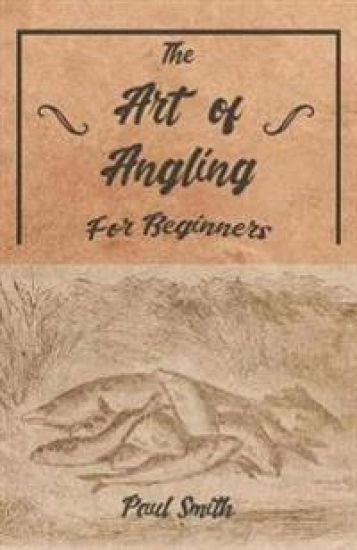
The Art of Angling for Beginners

The Art of Angling for Beginners

Paul Smith

Read Country Books
2019
pokkari
Paul Smith's "The Art of Angling for Beginners" is an introductory guide to fishing, containing a wealth of information that will be of considerable utility to the young or novice fisher. Written in simple, clear language and full of invaluable tips, this vintage guide is highly recommended for those looking to enter into the wonderful world of fishing, and it would make for a worthy addition to collections of allied literature. Contents include: "Articles Requisite for Anglers", "Fishing Rods", "Lines", "Hooks", "Baits", "Ground-Baits", "The Bleak", "The Bream", "The Chub, or Chevin", "The Dace", "grayling", "Gudgeon", "The Minnow", "The Perch", "The Jack, or Pike", "The Pope, or Ruff", "The Roach", "The Tench", etc. Many vintage books such as this are becoming increasingly scarce and expensive. We are republishing this volume now in a modern, high-quality edition complete with a specially commissioned new introduction on the history of fishing.
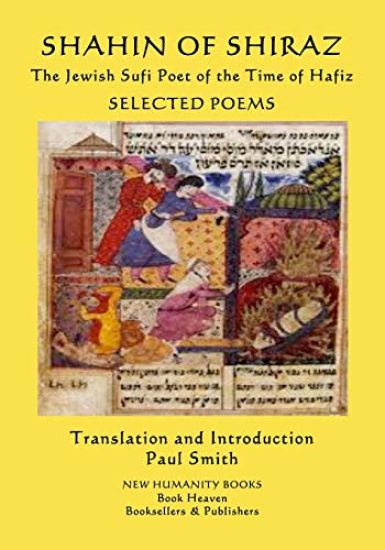
SHAHIN OF SHIRAZ - The Jewish Sufi Poet of the Time of Hafiz
SHAHIN OF SHIRAZ The Jewish Sufi Poet of the Time of Hafiz SELECTED POEMS Translation & Introduction Paul Smith Maulana Shahin of Shiraz was a 14th century Jewish Persian Poet who composed only masnavis in the Persian language but written in the Hebrew script. He was alive in his birthplace of Shiraz during the reign of the Il-khanid sultan of Baghdad Abu Said (1316-1335) at whose court was Obeyd Zakani and Khaju Kermani. He is said to have greatly admired three great masnavi writers who came before him, Firdausi, Nizami and Rumi and to have been much influenced by Sufism. It is quite possible that although he would have lived in the large Jewish quarter of Shiraz at the time, with the liberality that existed in that city of about 100,000 (within the walls and another 100,000 outside) he would most likely have come into contact with other poets living there including Hafiz (see Appendix), Obeyd Zakani, Khaju Kermani and Ruh Attar and Jahan Khatun. His first epic masnavi Musa-Nama, 'The Book of Moses' (10,000 couplets) was composed in 1327 and he followed that with Ardashir-Nama, 'The Book of Ardashir and Esther' (9000 couplets) six years later. It would be another 25 years for his last masterpiece to appear in 1358, his Bereshit-Nama, 'Book of Genesis' (8,700 couplets). In his 'Book of Moses' (see cover illustration) he turns Moses into an epic hero like those in Firdausi's Shah-Nama that seems to have been a great influence on him. He should be known as one of the great masnavi Sufi poets of Iran. The form of the masnavi has been kept. Introduction: The Life, Times & Works of Shahin of Shiraz, APPENDIX: Shahin of Shiraz in Paul Smith's 'Hafiz of Shiraz', 3 vols. 2012. Large Format Paperback 7" x 10" Illustrated, 126 pages COMMENTS ON PAUL SMITH'S TRANSLATION OF HAFIZ'S 'DIVAN'. "It is not a joke... the English version of ALL the ghazals of Hafiz is a great feat and of paramount importance. I am astonished." Dr. Mir Mohammad Taghavi (Dr. of Literature) Tehran. "Superb translations. 99% Hafiz 1% Paul Smith." Ali Akbar Shapurzman, translator into Persian and knower of Hafiz's Divan off by heart. Paul Smith (b. 1945) is a poet, author and translator of many books of Sufi poets of the Persian, Arabic, Urdu, Turkish, Pashtu and other languages, including Hafiz, Sadi, Nizami, Rumi, 'Attar, Sana'i, Jahan, Obeyd Zakani, Nesimi, Kabir, Anvari, Ansari, Jami, Khayyam, Rudaki, Yunus Emre, Shah Latif, Mahsati, Bulleh Shah, Iqbal, Seemab, Jigar, Makhfi and others and his own poetry, fiction, plays, biographies, children's books and a dozen screenplays. amazon.com/author/smithpa
Later Sufi Poetry: From the 15th to the 20th Century
LATER SUFI POETRY From the 15th to the 20th century Translation & Introduction Paul Smith Considered the last great poet of the Classical Period (8th-15th c.) and the forerunner of what is called the 'modern period' or 'Later Sufi Poetry' was Jami. After him there were many 'great' Sufi poets writing in Arabic, Persian, Urdu, Turkish, Punjabi and other languages. Here is a good selection of most with biographies of the poets and 'Further Reading', like in the companion volume 'Classical Sufi Poetry'. THE POETS Jami 31, Alisher Navoi 43, 'Aishah al-Ba'uniyah 54, Baba Fighani 63, Pir Sultan 67, Khayali 70, Fuzuli 74, Huda'i 81, Faizi 83, Urfi 87, Qutub Shah 92, Naziri 95, Vaez Qazvini 100, Rahim 103, Mirza 106, Nef'i 118, Sa'ib 121, Dara Shikoh 124, Sarmad 129, Ghani Kashmiri 136, Nasir Ali 145, Khushal 146, Sultan Bahu 153, Ashraf Khan 156, Makhfi 159, Bedil 174, Abdul-Khadir 180, Rahman Baba 184, Khwaja Mohammad 194, Hamid 200, Niyazi 209, Wali 212, Bulleh Shah 216, Shah Latif 221, Mushtaq 228, Ali Haider 230, Sauda 233, Dard 236, Ahmad Shah 240, Shaida 246, Nazir 251, Hatef 257, Mir 263, Sachal Sarmast 273, Galib 277, Nur 'Ali Shah 283, Bibi Hayati 285, Rida 'Ali Shah 291, Muzaffar 'Ali Shah 293, Esrar Dede 294, Aatish 296, Zafar 301, Zauq 306, Ghalib 309, Momin 316, Dabir 321, Anees 322, Shefta 324, Tahirah 326, Dagh 333, Hali 341, Farid 345, Shad 347, Khusrawi 351, Iqbal 353, Inayat Khan 362, Ashgar 367, Seemab 370, Jigar 378, Huma 387, Josh 394, Khadim 398, Veysel 403, Firaq 406, Khalili 412, Nurbaksh 414, Paul 416. The correct rhyme-structure has been kept in all poems. Introduction Sufi Poetry & Forms. Large Format Paperback 7"x 10" 432 pages. COMMENTS ON PAUL SMITH'S TRANSLATION OF HAFEZ'S GHAZALS." It is not a joke... the English version of ALL the ghazals of Hafez is a great feat and of paramount importance. I am astonished.." Dr. Mir Mohammad Taghavi (Dr. of Literature) Tehran." Superb translations. 99% Hafez 1% Paul Smith." Ali Akbar Shapurzman, translator of English to Persian and knower of Hafiz's Divan off by heart. Paul Smith (b.1945) is a poet, author and translator of many books of Sufi poets of Persian, Arabic, Urdu, Turkish and other languages including Hafez, Sadi, Nizami, Rumi, 'Attar, Sana'i, Jahan Khatun, Obeyd Zakani, Mu'in ud-din Chishti, Amir Khusrau, Nesimi, Kabir, Anvari, Ansari, Jami, Khayyam, Hallaj, Rudaki, Yunus Emre, Ghalib, 'Iraqi, Iqbal, Makhfi, Lalla Ded, Abu Nuwas, Ibn al-Farid, Rahman Baba, Nazir, and many others, as well as his own poetry, fiction, plays, biographies, childrens books and a dozen screenplays.

Classical Sufi Poetry: From Hazrat 'ali (7th C.) to Jami (15th C.)
CLASSICAL SUFI POETRY From Hazrat 'Ali (7th c.) to Jami (15th c. )Translation & Introduction Paul Smith Mohammed's son-in-law Hazrat Ali who composed one of the first ghazals ever recorded that essentially sums up the meaning of Sufism and Dervishness... You do not know it, but in you is the remedy; you cause the sickness, but this you don't see. You are but a small form... this, you assume: but you're larger than any universe, in reality. You are the book that of any fallacies is clear, in you are all letters spelling out, the mystery. You are the Being, you're the very Being, It: you contain That... which contained cannot be THE POETS... Hazrat Ali 31, Ali Ibn Husain 31, Rabi'a of Basra 32, Dhu'l-Nun 35, Bayazid Bistami 39, Al Nuri 40, Junaid 43, Sumnun 44, Mansur al-Hallaj 45, Ibn 'Ata 51, Rudaki 53, Shibli 57, Baba Tahir 58, Abu Said 62, Ibn Sina 68, Baba Kuhi 71, Ansari 73, Al-Ghazzali 74, Hamadani 77, Sana'i 79, Gilani 89, Ahmed Yesevi 91, Mahsati 103, Abu Maydan 107, Khaqani 109, Mu'in 118, Suhrawadi 130, Nizami 133, Ruzbihan 151, Baghdadi 152, 'Attar 154, Auhad-ud-din Kermani 171, Kamal ud-din 176, Ibn al-Farid 179, Ibn 'Arabi 189, Baba Farid 196, Hamavi 202, Baba Afzal 203, Rumi 206, Imami 249, Sadi 250, 'Iraqi 290, Sultan Valad 300, Humam 303, Yunus Emre 307, Shabistari 317, Amir Khusrau 324, Hasan Dihlavi 333, Simnani 343, Auhadi 345, Ibn Yamin 349, Khaju 353, Obeyd Zakani 358, Emad 368, Lalla Ded 375, Hafiz 377, Jahan Khatun 419, Ruh Attar 445, Haydar 451, Junaid Shirazi 460, Ahmedi 462, Kadi Burhan-ud-din 465, Kamal 469, Maghribi 472, Nesimi 480, Nund Rishi 487, 'Arifi 491, Suleyman Chelebi 496, Sheykhi 501, Kasim Anwar 502, Shah Ni'matu'llah 508, Shah Da'i 513, Kabir 518, Jami 530. The correct rhyme-structure & meaning has been kept in all poems... biographies of poets and 'Further Reading'. Introduction. Sufi Poetry & the Forms it takes. Large Format Paperback 7"x10" 542 pages. COMMENTS ON PAUL SMITH'S TRANSLATION OF HAFEZ'S GHAZALS." It is not a joke... the English version of ALL the ghazals of Hafez is a great feat and of paramount importance. I am astonished.." Dr. Mir Mohammad Taghavi (Dr. of Literature) Tehran." Superb translations. 99% Hafez 1% Paul Smith." Ali Akbar Shapurzman, translator of English to Persian and knower of Hafiz's Divan off by heart. Paul Smith (b.1945) is a poet, author and translator of many books of Sufi poets of Persian, Arabic, Urdu, Turkish and other languages including Hafez, Sadi, Nizami, Rumi, 'Attar, Sana'i, Jahan Khatun, Obeyd Zakani, Mu'in ud-din Chishti, Amir Khusrau, Nesimi, Kabir, Anvari, Ansari, Jami, Khayyam, Hallaj, Rudaki, Yunus Emre, Ghalib, 'Iraqi, Iqbal, Makhfi, Lalla Ded, Abu Nuwas, Ibn al-Farid, Rahman Baba, Nazir, and many others, as well as his own poetry, fiction, plays, biographies, childrens books and a dozen screenplays. amazon.com/author/smithpa
Get Through MRCOG Part 3

Get Through MRCOG Part 3

T. Justin Clark; Arri Coomarasamy; Justin Chu; Paul Smith

CRC Press
2018
nidottu
This study guide offers a systematic, comprehensive and focused approach to preparation for the MRCOG Part 3 Clinical Assessment exam. After an initial introduction, the text divides by OSCE station, beginning with an analysis of what the station is testing and what approaches and preparation are required, supported by tips and examples; this is followed by thoroughly worked practice questions based upon the exam format, with an analysis of how these are likely to be marked. Practice exam 'circuits' with fully worked questions and answers conclude the book.
Get Through MRCOG Part 3

Get Through MRCOG Part 3

T. Justin Clark; Arri Coomarasamy; Justin Chu; Paul Smith

CRC Press
2018
sidottu
This study guide offers a systematic, comprehensive and focused approach to preparation for the MRCOG Part 3 Clinical Assessment exam. After an initial introduction, the text divides by OSCE station, beginning with an analysis of what the station is testing and what approaches and preparation are required, supported by tips and examples; this is followed by thoroughly worked practice questions based upon the exam format, with an analysis of how these are likely to be marked. Practice exam 'circuits' with fully worked questions and answers conclude the book.
Love - A Play in Poetry & First Love Story (The Only Miracle)

Love - A Play in Poetry & First Love Story (The Only Miracle)

Paul Smith

Createspace Independent Publishing Platform
2018
pokkari
LOVE: A Play in Poetry & FIRST LOVE STORY (The Only Miracle) Poems by Paul Smith From the Introduction: The history of Love has been written by few historians - why is that? Because love cannot be pinpointed to a time and place... because, it is in all times and all places. It is responsible for every sequence of events - it is also beyond all that, as a matter of fact, events are the responsibility of love, they are the tools with which love works: 'Love, is its own reason for being' Meher Baba. Love's game is so simple, yet... seemingly so complicated. Love complicates events to make the game more worthwhile. The objective of the game is reunion. "There is an extremely powerful force that, so far, science has not found a formal explanation to. It is a force that includes and governs all others, and is even behind any phenomenon operating in the universe and has not yet been identified by us. This universal force is... love." Albert Einstein. 117 loving pages COMMENTS ON PAUL SMITH'S TRANSLATION OF HAFIZ'S 'DIVAN'." It is not a joke... the English version of ALL the ghazals of Hafiz is a great feat and of paramount importance. I am astonished." Dr. Mir Mohammad Taghavi (Dr. of Literature) Tehran." Superb translations. 99% Hafiz 1% Paul Smith." Ali Akbar Shapurzman, translator of many mystical works in English into Persian and knower of Hafiz's Divan off by heart. Paul Smith (b. 1945) is a poet, author and translator of many books of Sufi poets of the Persian and other languages of Hafiz, Sadi, Nizami, Rumi, 'Attar, Sana'i, Jahan Khatun, Nesimi, Kabir, Anvari, Ansari, Iqbal, Jami, Khayyam, Rudaki, Yunus Emre, Ghalib, Iqbal, Shah Latif, Baba Farid, Nazir, Makhfi and many others, as well as his own poetry, fiction, plays, biographies and 12 screenplays. amazon.com/author/smithpa
Learning While Working

Learning While Working

Paul Smith

ATD Press
2018
pokkari
Don’t Leave On-the-Job Training to Chance. People become experts at their job by learning while doing. But when your employees need to develop a new skill, how do you ensure they all receive the same experience if a trainer isn’t leading and guiding them? Most on-the-job training programmes leave learners to sink or swim with whomever is overseeing their work. One worker may excel with a mentor who allows her to take charge of what she learns—while a second may get someone who uses the opportunity to offload paperwork and other administrative tasks. Learning While Working shows you how to provide the focus and direction needed to track on-the-job progress and build a pipeline of better-skilled workers. Author Paul Smith combines real insight into building a structured program for project managers at the Waldinger Corporation with in-depth interviews of experienced learning and development professionals. Discover how a well-designed structured on-the-job training program can be your company’s talent development answer to a Swiss Army knife. This book doesn’t prescribe a one-size-fits-all solution. Instead, it will help you prepare a tailored, sustainable structured on-the-job training program for your organization. Included are practical tips to set defined roles for the learner, mentor, and trainer; create a tracking tool to clearly document skill growth; and ensure organizational learning gets put to use. On-the-job training won’t replace all employee development happening in the classroom, online, or through peer sharing of best practices. But by bringing order to these often disconnected and siloed efforts, you can fortify the learning structure that your organization needs to succeed.
Record Breakers

Record Breakers

Paul Smith

Pitch Publishing Ltd
2018
sidottu
Record Breakers: The Inside Story of Notts County's Momentous 1997/98 Title Triumph delves into the inner sanctum of a basement-league dressing room in the 90s, as its inhabitants attempt to write themselves into the history books. Led by future England boss Sam Allardyce, taking some of his first managerial steps, Record Breakers is the inspirational tale of how the world's oldest Football League club fought back from a plunge down the divisions, falling attendances and financial strife to become the first side in post-war English football to win a title in March. The momentous feat is relived by the players themselves, lending a unique insight into their record run. It's packed with characters and anecdotes, and augmented with memories of supporters who lived through this season of tumbling records. From training ground punch-ups to transfer tales and unforgettable celebrations, Record Breakers is a remarkable winners' story in what now seems a bygone era.
MEHERABAD and the Tomb of Meher Baba

MEHERABAD and the Tomb of Meher Baba

Paul Smith

Createspace Independent Publishing Platform
2018
pokkari
MEHERABAD AND THE TOMB OF MEHER BABA Poems & Photographs by Paul Smith Meherabad Ashram, a small township of Meher Baba's close disciples and resident Baba lovers, came into existence in the year 1923. Meherabad is located at Arangaon, about 10 kilometers from Ahmednagar town in the state of Maharashtra in India. When Meher Baba choose this site to live, he named it Meherabad. Meherabad witnessed some of the most important activities in the life and times of Meher Baba. It was at Meherabad, Meher Baba commenced His Silence on the 10th of July 1925. Meher Baba's Silence remained unbroken for 44 years right until he dropped His physical body on 31st of January 1969. Poet/Translator Paul Smith became a devotee of Meher Baba in 1965 and first visted Meherabad in 1969 and went on pilgrimage there about 16 times and composed free-form & rhyming poems on it and his experiences while there and took photographs. Introduction includes Paul Smith: Life & Work; The Life and Works of Avatar Meher Baba; Meherabad & Meher Baba's Tomb-Shrine; Selected Bibliography; Meherabad & the Tomb of Meher Baba, Poems & Photographs. Large Format Photograph 7" x 10" Pages 137 OTHER TITLES IN THIS SERIES: PUNE: THE CITY OF GOD, MEHER BABA'S SECLUSION HILL. COMMENTS ON PAUL SMITH'S TRANSLATION OF HAFIZ'S 'DIVAN'." It is not a joke... the English version of ALL the ghazals of Hafiz is a great feat and of paramount importance. I am astonished." Dr. Mir Mohammad Taghavi (Dr. of Literature) Tehran." Superb translations. 99% Hafiz 1% Paul Smith." Ali Akbar Shapurzman, translator of many mystical works in English into Persian and knower of Hafiz's Divan off by heart. Paul Smith (b. 1945) is a poet, author and translator of many books of Sufi poets of the Persian, Arabic, Urdu, Turkish, Pashtu and other languages... including Hafiz, Sadi, Nizami, Rumi, 'Attar, Sana'i, Jahan Khatun, Obeyd Zakani, Nesimi, Kabir, Anvari, Ansari, Jami, Khayyam, Rudaki, Yunus Emre, Lalla Ded, Bulleh Shah, Rahman Baba, Mahsati, Huma (Meher Baba), Jigar, Seemab, Ibn al-Farid, Abu Nuwas, Makhfi, Hali and many others, as well as poetry, fiction, plays, biographies, children's books and 12 screenplays. amazon.com/author/smithpa
Three Very Special Meher Baba Places: Poona: The City of God, Meherazad & Seclusion Hill, Meherabad & The Tomb
THREE VERY SPECIAL MEHER BABA PLACES Poona: The City of God, Meherazad & Seclusion Hill, Meherabad & The Tomb Poems & Photographs... by Paul Smith Poet/Translator Paul Smith became a devotee of Meher Baba in 1965 and visted India in 1969 and went on pilgrimage there many times and composed free-form & rhyming poems on his experiences at very special places connected with Meher Baba, the Perfect Spiritual Master Who declared Himself, Avatar of the Age. In 1985 the author began to feel the need (usually on the site, or shortly afterwards) to put pen to paper and express in free-form, internally-rhyming poetry... a kind of descriptive inner and outer guide to each 'Baba place' in Meher Baba's birth-place of Poona (Pune), as he was experiencing it... a 'feeling' of the presence of the Master from the past that was still available... and, (having gone back often to many of the places and discovered this)... the future. He began to take black & white photographs of all the places at the same time, sometimes even in the middle of writing the poem. Interestingly, often when he read these poems to others they inspired them to visit Poona, Meherazad & Seclusion Hill and Meherabad and Meher Baba's Tomb/Shrine and see and experience the 'vibe' or 'feeling' of the presence of Avatar Meher Baba that remains there. Introduction: Paul Smith: Life & Work; Life and Works of Meher Baba; Bibliography. Large Format Paperback 7" x 10" Pages 458 COMMENTS ON PAUL SMITH'S TRANSLATION OF HAFIZ'S 'DIVAN'." It is not a joke... the English version of ALL the ghazals of Hafiz is a great feat and of paramount importance. I am astonished." Dr. Mir Mohammad Taghavi (Dr. of Literature) Tehran." Superb translations. 99% Hafiz 1% Paul Smith." Ali Akbar Shapurzman, translator of many mystical works in English into Persian and knower of Hafiz's Divan off by heart. Paul Smith (b. 1945) is a poet, author and translator of many books of Sufi poets of the Persian, Arabic, Urdu, Turkish, Pashtu and other languages... including Hafiz, Sadi, Nizami, Rumi, 'Attar, Sana'i, Jahan Khatun, Obeyd Zakani, Nesimi, Kabir, Anvari, Ansari, Jami, Khayyam, Rudaki, Yunus Emre, Lalla Ded, Bulleh Shah, Rahman Baba, Mahsati, Huma (Meher Baba), Jigar, Seemab, Ibn al-Farid, Abu Nuwas, Makhfi, Hali and many others, as well as poetry, fiction, plays, biographies, children's books and 12 screenplays. New Humanity Books amazon.com/author/smithpa
Strangers at Tremedra

Strangers at Tremedra

Paul Smith

Createspace Independent Publishing Platform
2018
nidottu
With an alcoholic mother, a criminal father on the run and an enforced move to a distant and remote outpost, the exhilaration and adventure of Holly's teenage years are lost in the responsibility dictated by her circumstances. Everything changes, however, with the emergence of two strangers and a series of horrifying revelations, all of which have a devastating effect on her, culminating in an impossible decision that has to be made, knowing that whichever one she takes will ultimately lead to heartbreak. Against all odds though, could the ensuing dramatic scenes finally provide the happy ending that has remained so remote and imaginary?
Loving the One: Anthology of Sufi & Folk Strophe Poems of Persia, Arabia & the Indian Sub-Continent
LOVING THE ONE Anthology of Sufi & Folk Strophe Poems of Persia, Arabia & the Indian Sub-Continent Translation & Introduction Paul Smith A Persian tarji-band consists of a series of strophes each containing a variable but equal, or nearly equal, number of couplets all in one rhyme... these stanzas being separated from each other by a series of isolated rhyming couplets that mark the end of each strophe. If the same couplet (or refrain) is repeated at the end of each band, or strophe, the poem is a tarji-band, or 'return-tie'. The mukhammas consists of verses of five lines. In the first verse, all of the lines rhyme. In the verses that follow, the first four lines rhyme with each other and the last line rhymes with the rhymes of the first verse. A close inspection of this form shows that it is also as with the ghazal, a spiral, and probably originated from the ghazal. There are other forms in Persian poetry similar to it, with six (musaddes) and seven lines (musebba) in each verse. In some ways a mukhammas is like an extended form of the ghazal, but is a totally rhymed poem and doesn't have the ghazal's freedom, where one can be spontaneous because of the lack of rhyme in the first line of each couplet after the first. The kafi contains a radif or refrain that begins the poem and ends it and is repeated between the rhyming verses in-between and reminds one of the mukhammas. Kafis are common in Punjabi Sufi poetry. Kan Wa-Kan is an Arabic poem in which each stanza has four lines in which the fourth has the sam end rhyme. It became popular in the 13th century for giving spiritual advice. The correct rhyme-structure & meaning has been achieved in all poems. Biographies & Bibliographies of each poet. A Short History of the Strophe Poem: THE POETS: Farrukh, Rumi, 'Iraqi, Obeyd Zakani, Hafiz, Jahan Khatun, Shah Ni'matu'llah, Shah Shuja, 'Aishah al-Ba'uniyah, Bedil, Rahman Baba, Bulleh Shah, Hatef, Nazir Akbarabadi, Qa'ani, Tahirih, Iqbal, Parvin, Large Format Paperback 7" x 10" 451 pages. COMMENTS ON PAUL SMITH'S TRANSLATION OF HAFIZ'S 'DIVAN'." It is not a joke... the English version of ALL the ghazals of Hafiz is a great feat and of paramount importance.." Dr. Mir Mohammad Taghavi (Dr. of Literature) Tehran." Superb translations. 99% Hafiz 1% Paul Smith." Ali Akbar Shapurzman, translator in English into Persian and knower of Hafiz's Divan off by heart. Paul Smith (b.1945) is a poet, author and translator of many books of Sufi poets from the Persian, Arabic, Urdu, Turkish and other languages... including Hafiz, Sadi, Nizami, Rumi, 'Attar, Sana'i, Obeyd Zakani, Nesimi, Kabir, Anvari, Ansari, Jami, Khayyam, Rudaki, Yunus Emre, Baba Farid, Mu'in, Lalla Ded, Mahsati, Ghalib, Iqbal and many others and his own poetry, fiction, plays, biographies, children's books and a dozen screenplays. amazon.com/author/smithpa
A Year with the Sufi Poets of India

A Year with the Sufi Poets of India

Paul Smith

Createspace Independent Publishing Platform
2018
nidottu
A YEAR WITH THE SUFI POETS OF INDIATranslation & Introduction by Paul Smith This is a Daybook of Sufi and Dervish Poetry of India in various poetic forms. Over 400 inspirational and spiritually helpful and beautiful poems to inspire and make your day. CONTENTS: The Poets, Sufis & Dervishes: Their Art and Use of Poetry, Glossary, The Main Forms in Persian, Punjabi, Hindi, Kashmiri, Sindhi and Urdu Sufi and Dervish Poetry of India, Selected Bibliography... THE POETS: Mu'in ud-din Chishti, Baba Farid, Amir Khusrau, Hasan Dihlavi, Lalla Ded, Kabir, Qutub Shah, Dara Shikoh, Sarmad, Sultan Bahu, Nasir Ali, Makhfi, Wali, Bedil, Bulleh Shah, Shah Latif, Ali Haider, Sauda, Dard, Nazir, Mir, Sachal Sarmast, Aatish, Zafar, Zauq, Ghalib, Dabir, Anees, Hali, Farid, Shad, Iqbal, Inayat Khan, Asghar, Jigar, Huma, Firaq, Josh. Pages 404. COMMENTS ON PAUL SMITH'S TRANSLATION OF HAFIZ'S 'DIVAN'." It is not a joke... the English version of ALL the ghazals of Hafiz is a great feat and of paramount importance. I am astonished." Dr. Mir Mohammad Taghavi (Dr. of Literature) Tehran. "Superb translations. 99% Hafiz 1% Paul Smith." Ali Akbar Shapurzman, translator of English to Persian and knower of Hafiz's Divan off by heart. "Smith has probably put together the greatest collection of literary facts and history concerning Hafiz." Daniel Ladinsky (Penguin Books author). Paul Smith (b.1945) is a poet, author and translator of many books of Sufi poets of Persian, Arabic, Urdu, Turkish and other languages including Hafiz, Sadi, Nizami, Rumi, 'Attar, Sana'i, Jahan Khatun, Obeyd Zakani, Mu'in, Amir Khusrau, Nesimi, Kabir, Anvari, Ansari, Jami, Khayyam, Mansur Hallaj, Rudaki, Yunus Emre, Mahsati, Bulleh Shah, Shah Latif, Lalla Ded, Mu'in and many others, as well as his own poetry, fiction, plays, biographies, children's books and a dozen screenplays.