Kirjailija
Peter Sloterdijk
Kirjat ja teokset yhdessä paikassa: 101 kirjaa, julkaisuja vuosilta 1988–2026, suosituimpiin kuuluu Ny Jord 3-4. Vertaile teosten hintoja ja tarkista saatavuus suomalaisista kirjakaupoista.
101 kirjaa
Kirjojen julkaisuvuodet: 1988–2026.
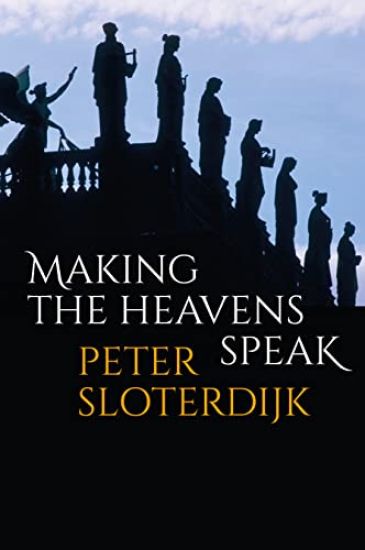
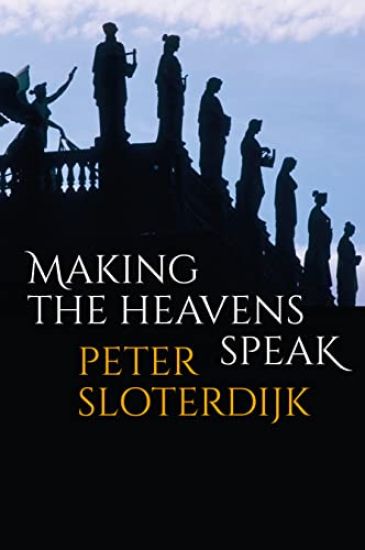
The idea of a connection between poetry and religion is as old as civilization. Homer consulted the Olympian gods on the fate of the fighters on the plain before Troy, and the poet made the heavenly ones speak. It was through poetry that the gods were brought within reach of human hearing. In the centuries after Homer, the Athenian stage became the setting where gods made their poetic interventions, resolving human impasses and contributing to the emotional synchronization of the public life of the city. Sloterdijk argues that, as with the culture of the Ancient Greeks, all religions inscribe a kind of “theopoetry” at the heart of their cultural life and thought, even as they strenuously obscure these poetic origins through the cultivation and enforcement of orthodox norms. Sloterdijk also shows how, in conditions of religious pluralism, religions poetically reshape themselves to accommodate the demands of the religious marketplace. This highly original study of the poetic devices that inform accounts of the otherworldly offers a new interpretation of religious practice and its theological elaboration through history, as well as a fresh perspective on our contemporary age in which collective life, interwoven with imaginative fabrications, is fraying under critical stress.
Michael Bielicky
Mel Alexenberg; Norman M Klein; Siegfried Zielinski; Peter Sloterdijk; Bettina Korintenberg; Jorge Fernández Torres
Dr. Cantz'sche Verlagsgesellschaft mbH Co. KG
2022
sidottu
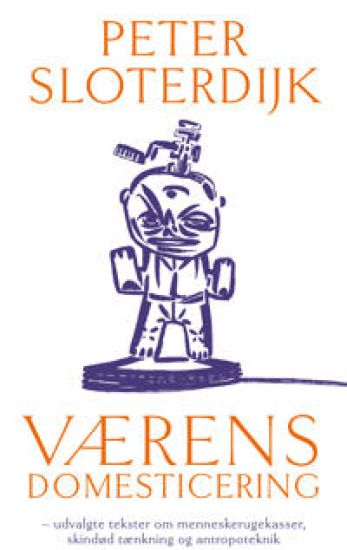
"Den, der lytter til tænkningens stemme, er dykket ned i en sfære, som noget andet altid allerede har fået til at skælve. Tænkningen er i subjektet som tonen i violinen – kraften fra et svingningsforhold. Mennesker er, for så vidt som de tænker, på sæt og vis musikinstrumenter for forestillinger, der betyder verden." Peter Sloterdijk er en af de væsentligste tyske filosoffer i dag. Men det er næsten 20 år siden, større tekster af den originale tænker er blevet oversat til dansk. Fem tekster præsenteres – omhandlende:• den fatale, skindøde og kropsløse tænkning• menneskets øvende og engagerede liv• menneskerugekasser• værens domesticering• antropoteknik. Værens domesticering byder på en undersøgelse af, hvordan mennesket bebor væren og tæmmes af den. Sloterdijks sfærologiske tænkning fornyer den filosofiske antropologi og leverer en nådesløs civilisations- og modernitetskritik. Samtidig anes et bud på en teknologifilosofi. Sloterdijks øvelsesantropologi viser, at mennesket frem for alt er et øvende dyr. Vi bor i menneskerugekasser – en slags sfæriske mikrorum – og vi lærer at benytte os af antropoteknikker – det vil sige en række fysiske og psykiske øvelses- og (selv)immuniseringstiltag. De vokser sammen med kroppene og sætter sig i de kulturelle og sociale mønstre – rækkende fra primitive håndvåben og avancerede telekommunikationssystemer til fostervandsdiagnostik. Bogens tekster er udvalgt og redigeret af Steen Nepper Larsen, der tillige har skrevet indledning, og Mads Lund Mikkelsen, der også har stået for de tyske oversættelser sammen med Lars Christiansen.
Med en uvanlig idérikdom og et vell av slående formuleringer stiller den tyske filosofen Peter Sloterdijk spørsmålet om hvor mennesket og dets verden er på vei. Hva er menneskets natur i en tid preget av det kunstige og kunstferdige? Vil en mer raffinert teknologi og en mer avansert ontologi føre til en ny etikk og politikk - der vi gradvis legger bak oss vår tids grove utnyttelse av mennesker og natur?
Tiden går, kloden drejer, blomsterne springer ud – og mennesket mobiliserer på liv og død. Hvad der ikke bevæger sig, kommer i bevægelse. Det statiske og harmoniske samfund er en saga blot, nu vil vi vækst og fremskridt i det uendelige. Ekspansion, vokseværk, indgriben og omformning. Det er den politiske, praktiske og paniske kinetik. Ikke at lade noget uberørt, men dynamisk nedbryde enhver uskyld. Det er den europæiske og vestlige foretagsomhed, som i ly af oplysningens dialektik splitter helheder og moderniserer det forgangne til ukendelighed. Det er bevægelsen i bevægelsen, og det har intet med tao at gøre. En eurotaoisme er derfor lige så mærkværdig som en bevægelse, der står stille, eller en kynisme i uskyld. Hvad der er utænkeligt må tænkes, og det er, hvad Peter Sloterdijk gør i denne bog. Ikke som en kvit og smart sammenkobling af vestlig filosofi og østlig mystik, men som en krævende, meditativ kritik af vores kulturs uro og den oplyste fornufts sære bevægelser. Eurotaoisme er intet mindre end et fejende forsøg på begrebets anstrengelse, på at tænke de sammenhænge frem, vi ikke kender eller endnu ikke vil kendes ved. For at imødegå den uendelige politiske bevægelse mod bedre vidende, og for at bringe det hvilende tao ind som en bremse af vores katastrofekurs. Som et udkast til en ontologi for det endnu-værende. Eurotaoisme udkom første gang på dansk i 1990 og genudgives nu i Hans Reitzels Forlags serie Klassikere.
”At handle mod bedre vidende, det er den globale måde at forholde sig på i dagens overbygning; man ved, at man er illusionsløs, men er alligevel tynget af ’tingenes magt’. Således fremtræder det, der i logikken regnes for et paradoks og i litteraturen for en vits, i realitetens verden som tingenes tilstand.” Oplysningsprojektet er ikke nået til vejs ende, for fornuften har skiftet ham og vil slet ikke længere vide af, hvad den ved, endsige bringe sine argumenter og handlinger i overensstemmelse hermed. Rationaliteten er ikke simpelthen blevet irrationel, men kynisk – strategisk, fuld af mod til de mange fleksible ’sandheder’ og til dels at vende det døve øre til, dels at lade magten og magtfulde interesser køre butikken. Derfor denne Kritik af den kyniske fornuft, der er lige så aktuel og vedkommende i dag, som da den udkom første gang i 1983. Også hvad angår Peter Sloterdijks (f. 1947) muntre rehabilitering af den antikke cynisme hos Diogenes og Co. – stavet med c for at minde om en helt anden betydning og tradition i den vesterlandske filosofi: dér hvor kroppen taler med, og hvor der er sammenhæng mellem hvad man siger og hvad man gør. Et manifest for den varme og sande fornuft. Redigeret af Søren Damkjær og Peter Thielst og oversat af Hans Christian Fink. Kritik af den kyniske fornuft udkom første gang på dansk i 1989 og genudgives nu i Hans Reitzels Forlags serie Klassikere.
”Filosofferne har blot smigret samfundene forskelligt, det, det drejer sig om, er at provokere dem.” Med denne omskrivning af en kendt Marx-frase karakteriserer Peter Sloterdijk (f. 1947) indirekte sin egen opgave i dette essay om vor tids massetilbøjelighed til på én gang at inkarnere og selv ligge under for den forskelsløse foragt. Vi taler om nærhed, men lever i fremmedhed; vi fabler om kvalitet, men hengiver os til middelmådighed; vi hylder frihed, men lader os nøje med grydeklare tilbud; og vi kræver respekt, men viser (og modtager) kun foragt. Dén udvikling har sin egen historie, en historie om massens forvandling fra fysisk mylder og protest til medieformidlet isolation og følgagtighed – fra krævende fællesskab baseret på forskelle til banal rettighedskultur uden markører. Eller med endnu en Sloterdijk-turnering af de gamle mestre (Freud): ”Hvor identitet var, skal indifferens være”. Masse og foragt er en rystende – rystende præcis – afdækning af vor egen kultur netop nu, og det store essay, oversat af Hans Christian Fink, introduceres her af Steen Nepper Larsen. Masse og foragt udkom første gang på dansk i 2002 og genudgives nu i Hans Reitzels Forlags serie Klassikere.
Los cinco ensayos de Peter Sloterdijk reunidos en este libro giran todos alrededor de un sistema de conceptos entrelazados: populismo, democracia, pol tica, medios de comunicaci n y lenguaje. Anclado en ideas muy claras como que "seg n su modo funcional primario, los medios de comunicaci n modernos son menos medios informativos que portadores de infecciones", o bien que "las aberraciones morales y pol ticas empiezan casi siempre con descuidos ling sticos", Sloterdijk desentra a el funcionamiento de las sociedades capitalistas modernas, discutiendo contra el sentido com n y las ideas
The core of what we refer to as ‘the project of modernity’ is the idea that human beings have the power to bring the world under their control, and hence it is based on a ‘kinetic utopia’: the movement of the world as a whole reflects the implementation of our plans for it. But as soon as the kinetic utopia of modernity is exposed, its seemingly stable foundation cracks open and new problems appear: things don’t happen according to plan because as we actualize our plans, we set in motion other things that we didn’t want as unintended side-effects. We watch with mounting unease as the self-perpetuating side-effects of modern progress overshadow our plans, as a foreign movement breaks off from the very core of the modern project supposedly guided by reason and slips away from us, spinning out of control. What looked like a steady march towards freedom turns out to be a slide into an uncontrollable and catastrophic syndrome of perpetual mobilization. And precisely because so much comes about through our actions, these developments turn out to have explosive consequences for our self-understanding, as we begin to realize that, so far from bringing the world under our control, we are instead the agents of our own destruction. In this brilliant and insightful book Sloterdijk lays out the elements of a new critical theory of modernity understood as a critique of political kinetics, shifting the focus of critical theory from production to mobilization and shedding new light on a world facing the growing risk of humanly induced catastrophe.
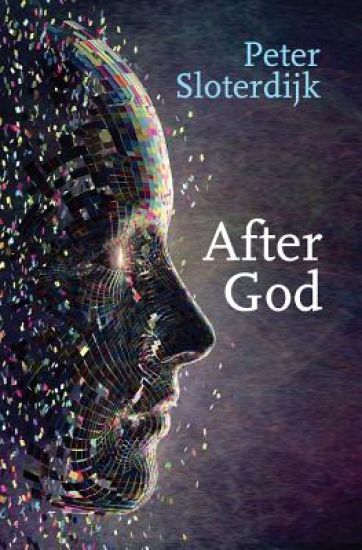
In his Critique of Cynical Reason, Peter Sloterdijk pursued an enlightenment of the Enlightenment in both its beginnings and the present. After God is dedicated to the theological enlightenment of theology. It ranges from the period when gods reigned, through the rule of the world-creator god to reveries about the godlike power of artificial intelligence. The path of this self-enlightening theology, which is carried out here by a non-theologian, must begin well before Nietzsche’s declaration of the death of God, and it must move beyond this dictum to explore the present and the future. Since the early 20th century we have seen how the metaphysical twilight of the gods, which has preoccupied philosophers and theologians, has been accompanied by an earthly twilight of the souls. The emergence of psychoanalysis, and more recently the development of the neuro-cognitive sciences, have secularized the old Indo-European concept of the soul and transferred many accomplishments of the human mind to computerized machines. What remains of the eternal light of the soul after the artificial lights have been turned on? Have the inventors of AI thrust themselves into the position vacated by the death of god? Perhaps the distinction between God and idols will soon re-emerge here for the citizens of modernity, only this time in a technological and political register. For them, theological enlightenment – which is completely different from an instinctive rejection of religion – will be a fateful task. This new work by one of the most original thinkers today will appeal to students and scholars across the humanities and social sciences, as well as anyone interested in religion, philosophy and critical theory today.
Der Blaue Reiter. Journal für Philosophie / Die Kunst des Zweifelns
Peter Sloterdijk; Gernot Böhme; Harald Lesch
der blaue Reiter
2020
nidottu