Kirjojen hintavertailu – 12 859 818 kirjaa ja 27 kauppaa
Kirjailija
Peter Weiss
Kirjat ja teokset yhdessä paikassa: 49 kirjaa, julkaisuja vuosilta 1964–2026, suosituimpiin kuuluu The Persecution and Assassination of J-P Marat As Performed by the Inmates O.T.A. O.C.U.T. Direction of the Marquis De Sade. Vertaile teosten hintoja ja tarkista saatavuus suomalaisista kirjakaupoista.
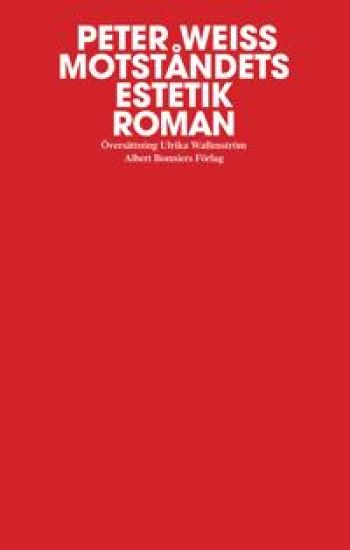
Motståndets estetik är en romantrilogi om en grupp människor i det sena trettiotalets Europa. Deras tänkande och handlande bestäms av en enda målsättning: motstånd mot det fascistiska förtrycket. Bokens "jag" är en ung arbetare, som oavlåtligen strävar efter att vidga sitt medvetande och sina kunskaper för att ställa dessa i kampens tjänst. Första delen inleds med berättarens avfärd från Berlin inbördeskriget i Spanien. Den andra delen handlar om hans första år i exil, i det revolutionära Paris och i saltsjöbadsandans Stockholm. I tredje delen får vi följa berättelsen om de människor som deltog i motståndet mot fascismen fram till krigsslutet, i Alingsås, i Stockholm och i Berlin. Många går ett ohyggligt öde till mötes, och för de överlevande innebär krigsslutet ingen seger för de värden som väglett dem. Men genom att berätta om motståndet vil de hålla det levande och föra det vidare. Motståndets estetik hälsades som ett epokgörande verk av kritiken då boken kom ut i Västtyskland 1975 - 1981, och sanmtidigt i Sverige i Ulrika Wallenströms översättning 1976 - 1981. I november 2006 skulle den tyskspråkige men i Sverige bosatte författaren, dramatikern och filmaren Peter Weiss ha fyllt 90 år. I samband med detta ordnas ett stort internationellt seminarium av ABF i Stockholm i samarbete med Centrum för marxistiska samhällsstudier, Goetheinstitutet och Cinemateket. Det planeras också en offentlig läsning av och studiecirkel kring romantrilogin Motståndets estetik, vilket sammanfaller med Stockholms stadsteaters planer att sätta upp pjäsen Marat/Sade under våren 2007.
Motståndets estetik är en romantrilogi om en grupp människor i det sena trettiotalets Europa. Deras tänkande och handlande bestäms av en enda målsättning: motstånd mot det fascistiska förtrycket. Bokens "jag" är en ung arbetare, som oavlåtligen strävar efter att vidga sitt medvetande och sina kunskaper för att ställa dessa i kampens tjänst. Första delen inleds med berättarens avfärd från Berlin inbördeskriget i Spanien. Den andra delen handlar om hans första år i exil, i det revolutionära Paris och i saltsjöbadsandans Stockholm. I tredje delen får vi följa berättelsen om de människor som deltog i motståndet mot fascismen fram till krigsslutet, i Alingsås, i Stockholm och i Berlin. Många går ett ohyggligt öde till mötes, och för de överlevande innebär krigsslutet ingen seger för de värden som väglett dem. Men genom att berätta om motståndet vil de hålla det levande och föra det vidare. Motståndets estetik hälsades som ett epokgörande verk av kritiken då boken kom ut i Västtyskland 1975 - 1981, och sanmtidigt i Sverige i Ulrika Wallenströms översättning 1976 - 1981. I november 2006 skulle den tyskspråkige men i Sverige bosatte författaren, dramatikern och filmaren Peter Weiss ha fyllt 90 år. I samband med detta ordnas ett stort internationellt seminarium av ABF i Stockholm i samarbete med Centrum för marxistiska samhällsstudier, Goetheinstitutet och Cinemateket. Det planeras också en offentlig läsning av och studiecirkel kring romantrilogin Motståndets estetik, vilket sammanfaller med Stockholms stadsteaters planer att sätta upp pjäsen Marat/Sade under våren 2007.
Motståndets estetik är en romantrilogi om en grupp människor i det sena trettiotalets Europa. Deras tänkande och handlande bestäms av en enda målsättning: motstånd mot det fascistiska förtrycket. Bokens "jag" är en ung arbetare, som oavlåtligen strävar efter att vidga sitt medvetande och sina kunskaper för att ställa dessa i kampens tjänst. Första delen inleds med berättarens avfärd från Berlin inbördeskriget i Spanien. Den andra delen handlar om hans första år i exil, i det revolutionära Paris och i saltsjöbadsandans Stockholm. I tredje delen får vi följa berättelsen om de människor som deltog i motståndet mot fascismen fram till krigsslutet, i Alingsås, i Stockholm och i Berlin. Många går ett ohyggligt öde till mötes, och för de överlevande innebär krigsslutet ingen seger för de värden som väglett dem. Men genom att berätta om motståndet vil de hålla det levande och föra det vidare. Motståndets estetik hälsades som ett epokgörande verk av kritiken då boken kom ut i Västtyskland 1975 - 1981, och sanmtidigt i Sverige i Ulrika Wallenströms översättning 1976 - 1981. I november 2006 skulle den tyskspråkige men i Sverige bosatte författaren, dramatikern och filmaren Peter Weiss ha fyllt 90 år. I samband med detta ordnas ett stort internationellt seminarium av ABF i Stockholm i samarbete med Centrum för marxistiska samhällsstudier, Goetheinstitutet och Cinemateket. Det planeras också en offentlig läsning av och studiecirkel kring romantrilogin Motståndets estetik, vilket sammanfaller med Stockholms stadsteaters planer att sätta upp pjäsen Marat/Sade under våren 2007.
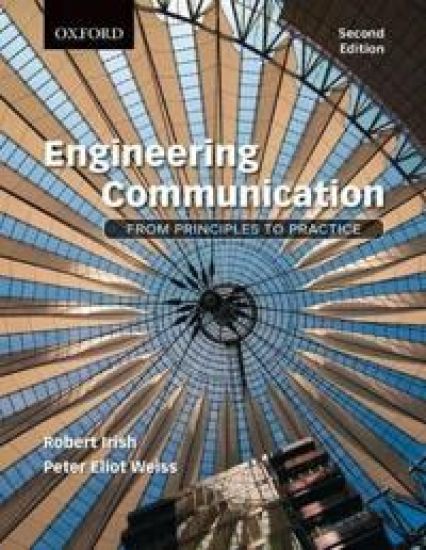
Engineering Communication: From Principles to Practice, 2e, is a writing and communications text designed to guide engineering students through the process of writing polished and professional documents. The text is organized around 18 principles of clear communication derived from linguistic theory that can be applied practically to everyday writing and speaking challenges. The principles are supported by numerous tips found in marginal boxes, exercises in new "Try This" boxes, and writing samples that clearly demonstrate how each principle can be applied to everyday communication challenges. This resource also includes a series of appendices covering the fundamentals of grammar, plus a new primer on ethics for engineers.
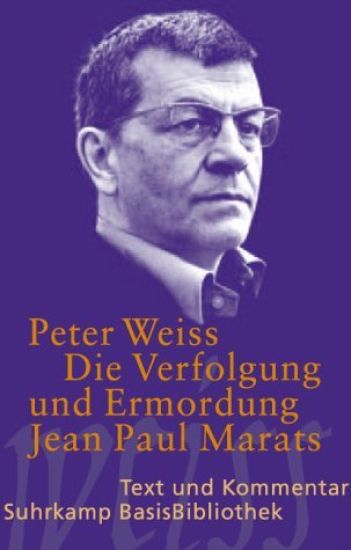
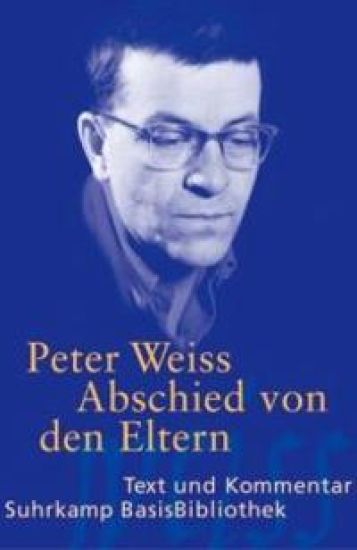
Text und Kommentar in einem Band. In der Suhrkamp BasisBibliothek erscheinen literarische Hauptwerke aller Epochen und Gattungen als Arbeitstexte für Schule und Studium. Der vollständige Text wird ergänzt durch anschaulich geschriebene Kommentare.
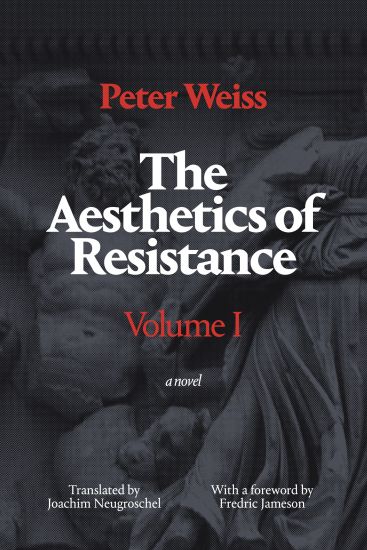
A major literary event, the publication of this masterly translation makes one of the towering works of twentieth-century German literature available to English-speaking readers for the first time. The three-volume novel The Aesthetics of Resistance is the crowning achievement of Peter Weiss, the internationally renowned dramatist best known for his play Marat/Sade. The first volume, presented here, was initially published in Germany in 1975; the third and final volume appeared in 1981, just six months before Weiss’s death. Spanning the period from the late 1930s to World War II, this historical novel dramatizes antifascist resistance and the rise and fall of proletarian political parties in Europe. Living in Berlin in 1937, the unnamed narrator and his peers-sixteen- and seventeen-year-old working-class students-seek ways to express their hatred for the Nazi regime. They meet in museums and galleries, and in their discussions they explore the affinity between political resistance and art, the connection at the heart of Weiss’s novel. Weiss suggests that meaning lies in embracing resistance, no matter how intense the oppression, and that we must look to art for new models of political action and social understanding. The novel includes extended meditations on paintings, sculpture, and literature. Moving from the Berlin underground to the front lines of the Spanish Civil War and on to other parts of Europe, the story teems with characters, almost all of whom are based on historical figures. The Aesthetics of Resistance is one of the truly great works of postwar German literature and an essential resource for understanding twentieth-century German history.
A major literary event, the publication of this masterly translation makes one of the towering works of twentieth-century German literature available to English-speaking readers for the first time. The three-volume novel The Aesthetics of Resistance is the crowning achievement of Peter Weiss, the internationally renowned dramatist best known for his play Marat/Sade. The first volume, presented here, was initially published in Germany in 1975; the third and final volume appeared in 1981, just six months before Weiss’s death. Spanning the period from the late 1930s to World War II, this historical novel dramatizes antifascist resistance and the rise and fall of proletarian political parties in Europe. Living in Berlin in 1937, the unnamed narrator and his peers-sixteen- and seventeen-year-old working-class students-seek ways to express their hatred for the Nazi regime. They meet in museums and galleries, and in their discussions they explore the affinity between political resistance and art, the connection at the heart of Weiss’s novel. Weiss suggests that meaning lies in embracing resistance, no matter how intense the oppression, and that we must look to art for new models of political action and social understanding. The novel includes extended meditations on paintings, sculpture, and literature. Moving from the Berlin underground to the front lines of the Spanish Civil War and on to other parts of Europe, the story teems with characters, almost all of whom are based on historical figures. The Aesthetics of Resistance is one of the truly great works of postwar German literature and an essential resource for understanding twentieth-century German history.
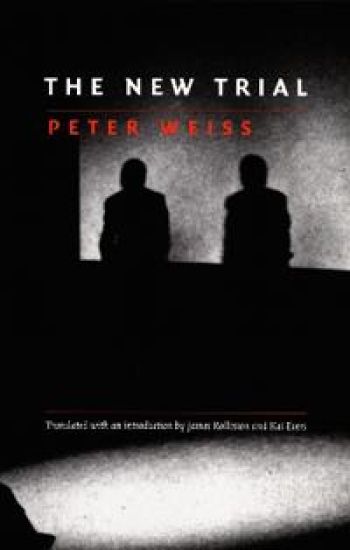
The New Trial is Peter Weiss’s final drama, completed only months before his death in 1982 and never before published in English. One of Europe’s most important twentieth century playwrights-often considered as influential as Brecht and Beckett-Weiss is best known to American audiences as the author of the Broadway play Marat/Sade and the three-volume novel The Aesthetics of Resistance, which has elicited comparison with Joyce’s Ulysses and Garcia Marquez’s One Hundred Years of Solitude. Initially influenced by Franz Kafka and later by the American Henry Miller, Weiss worked to expose the hypocrisy, the deception, and the nature of aggression in the contemporary world. A transformative “updating” of Kafka’s novel The Trial, The New Trial presents a surreal, hallucinatory look at the life of “Josef K.,” chief attorney in an enormous multinational firm that exploits both his idealism and his self-doubt in order to present to the world a public face that will mask its own dark and fascistic intentions. Fusing Marxist and capitalist perspectives in a manner that anticipates aspects of the current global market expansion, Weiss evokes a world in which nothing is private and everything is for sale. This edition of The New Trial is designed to facilitate theatrical teaching and stage production of the play. An extensive introduction by James Rolleston and Kai Evers situates the work in the full context of Weiss’s life, including his Swedish exile during the regime of the Third Reich. In addition, the play’s text is followed by interviews with Weiss and his original codirector (and wife) Gunilla Palmstierna-Weiss, as well as an account of the challenges of the first English staging by director Jody McAuliffe.
The New Trial is Peter Weiss’s final drama, completed only months before his death in 1982 and never before published in English. One of Europe’s most important twentieth century playwrights-often considered as influential as Brecht and Beckett-Weiss is best known to American audiences as the author of the Broadway play Marat/Sade and the three-volume novel The Aesthetics of Resistance, which has elicited comparison with Joyce’s Ulysses and Garcia Marquez’s One Hundred Years of Solitude. Initially influenced by Franz Kafka and later by the American Henry Miller, Weiss worked to expose the hypocrisy, the deception, and the nature of aggression in the contemporary world. A transformative “updating” of Kafka’s novel The Trial, The New Trial presents a surreal, hallucinatory look at the life of “Josef K.,” chief attorney in an enormous multinational firm that exploits both his idealism and his self-doubt in order to present to the world a public face that will mask its own dark and fascistic intentions. Fusing Marxist and capitalist perspectives in a manner that anticipates aspects of the current global market expansion, Weiss evokes a world in which nothing is private and everything is for sale. This edition of The New Trial is designed to facilitate theatrical teaching and stage production of the play. An extensive introduction by James Rolleston and Kai Evers situates the work in the full context of Weiss’s life, including his Swedish exile during the regime of the Third Reich. In addition, the play’s text is followed by interviews with Weiss and his original codirector (and wife) Gunilla Palmstierna-Weiss, as well as an account of the challenges of the first English staging by director Jody McAuliffe.