Kirjojen hintavertailu – 12 859 829 kirjaa ja 27 kauppaa

Kirjailija

Richard King

Kirjat ja teokset yhdessä paikassa: 70 kirjaa, julkaisuja vuosilta 1995–2026, suosituimpiin kuuluu Narrative of a Journey to the Shores of the Artic Ocean; Volume I. Vertaile teosten hintoja ja tarkista saatavuus suomalaisista kirjakaupoista.

70 kirjaa

Kirjojen julkaisuvuodet: 1995–2026.

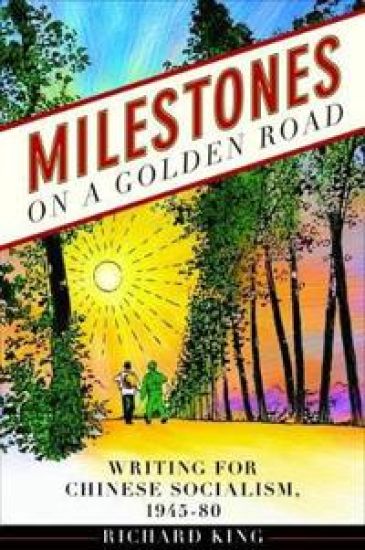
Milestones on a Golden Road

Milestones on a Golden Road

Richard King

University of British Columbia Press
2013
pokkari
In Milestones on a Golden Road, Richard King presentspivotal works of fiction produced in four key periods of Chineserevolutionary history: the civil war (1945-49), the Great Leap Forward(1958-60), the Cultural Revolution (1966-76), and the post-Maocatharsis (1979-80). Taking its cues from the Soviet Union'soptimistic depictions of a society liberated by Communism, the officialChinese literature of this era is characterized by grand narratives ofprogress. Addressing questions of literary production, King looks at how writersdealt with shifting ideological demands, what indigenous and importedtraditions inspired them, and how they were able to depict a utopianCommunist future to their readers, even as the present took a verydifferent turn. Early "red classics" were followed by worksfeaturing increasingly lurid images of joyful socialism, and later byfiction exposing the Mao era as an age of irrationality, arbitraryrule, and suffering – a Golden Road that had led to nowhere.
Milestones on a Golden Road

Milestones on a Golden Road

Richard King

University of British Columbia Press
2013
sidottu
In Milestones on a Golden Road, Richard King presentspivotal works of fiction produced in four key periods of Chineserevolutionary history: the civil war (1945-49), the Great Leap Forward(1958-60), the Cultural Revolution (1966-76), and the post-Maocatharsis (1979-80). Taking its cues from the Soviet Union'soptimistic depictions of a society liberated by Communism, the officialChinese literature of this era is characterized by grand narratives ofprogress. Addressing questions of literary production, King looks at how writersdealt with shifting ideological demands, what indigenous and importedtraditions inspired them, and how they were able to depict a utopianCommunist future to their readers, even as the present took a verydifferent turn. Early "red classics" were followed by worksfeaturing increasingly lurid images of joyful socialism, and later byfiction exposing the Mao era as an age of irrationality, arbitraryrule, and suffering – a Golden Road that had led to nowhere.