

Kirjailija
Robert Stewart
Kirjat ja teokset yhdessä paikassa: 53 kirjaa, julkaisuja vuosilta 1989–2026, suosituimpiin kuuluu Investing in the Fight. Vertaile teosten hintoja ja tarkista saatavuus suomalaisista kirjakaupoista.
53 kirjaa
Kirjojen julkaisuvuodet: 1989–2026.
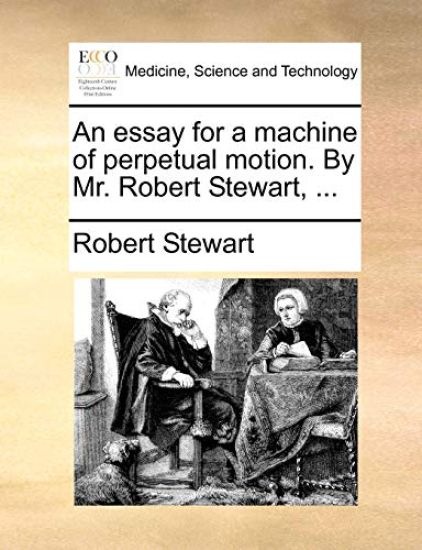
An essay for a machine of perpetual motion. By Mr. Robert Stewart, ...
Robert Stewart
Gale Ecco, Print Editions
2010
pokkari
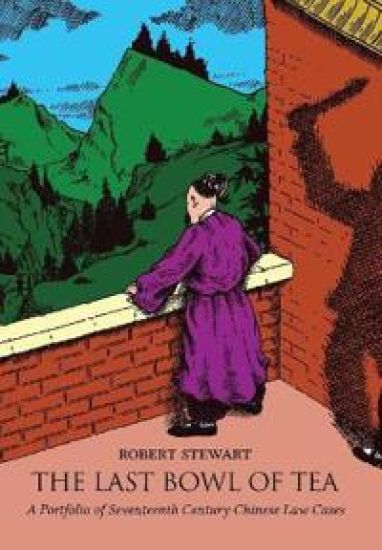
The genre of stories presented in this fascinating collection evolved over several millennia from the ancient tradition of oracle bone divinations, some of which dealt with the subjects of law and jurisprudence, into the casebooks that were employed by magistrates from the Song dynasty through the end of the Qing dynasty. Corollary to the official case books were the tales that stemmed from the oral storytelling tradition, strange and unnatural tales, chuanqi, that were recited in the public markets and teahouses of the common folk. These tales were often about crime and mystery, the stranger the better, and their synthesis with the case book literature led to the development of Chinese detective fiction, which came to full flower in the Qing dynasty. In preparing this portfolio of casebook-based short stories, the author drew from a wide variety of sources. R. H. van Gulik's Judge Dee novels were a preliminary model, but here the main character is Judge Shi, a more prolific and better-known magistrate from the Qing. The author chose Judge Shi as the protagonist for these stories, retold here with the Western audience in mind, because of the extensive volume of information available on Judge Shi through his own writings as well as in local histories and documents written about his life and career. Although presented as fiction, the stories presented in this volume are loosely based on actual recorded cases which the author has translated over many years. These detective stories reveal a fascinating world of intrigue and adventure long overlooked in the West. Fresh and stimulating, they are timeless in their ancient wisdom.
The genre of stories presented in this fascinating collection evolved over several millennia from the ancient tradition of oracle bone divinations, some of which dealt with the subjects of law and jurisprudence, into the casebooks that were employed by magistrates from the Song dynasty through the end of the Qing dynasty. Corollary to the official case books were the tales that stemmed from the oral storytelling tradition, strange and unnatural tales, chuanqi, that were recited in the public markets and teahouses of the common folk. These tales were often about crime and mystery, the stranger the better, and their synthesis with the case book literature led to the development of Chinese detective fiction, which came to full flower in the Qing dynasty. In preparing this portfolio of casebook-based short stories, the author drew from a wide variety of sources. R. H. van Gulik's Judge Dee novels were a preliminary model, but here the main character is Judge Shi, a more prolific and better-known magistrate from the Qing. The author chose Judge Shi as the protagonist for these stories, retold here with the Western audience in mind, because of the extensive volume of information available on Judge Shi through his own writings as well as in local histories and documents written about his life and career. Although presented as fiction, the stories presented in this volume are loosely based on actual recorded cases which the author has translated over many years. These detective stories reveal a fascinating world of intrigue and adventure long overlooked in the West. Fresh and stimulating, they are timeless in their ancient wisdom.
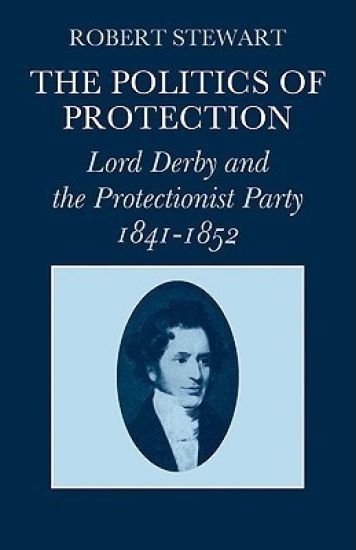
One of the great landmarks in the history of English politics in the nineteenth century was the struggle to repeal the Corn Laws in the 1840s. Earlier accounts have examined the episode from the side of the free-traders. This book explains the conduct of those Tories who broke with Robert Peel, and who, in the fighting to save the Corn Laws, preserved the foundations of the modern Conservative Party. Examining the relationship before 1846 between Peel's government and the right-wing back-benchers of the Conservative Party, Dr Stewart argues that there was much more to the split in 1846 than a dispute over tariff policy. He stresses the importance and prevalence of anti-Catholicism among Tory Protectionists, and shows how differences were broad enough to make the 1846 split permanent, and for the Protectionists to organize themselves into a separate party under Lord George Bentinck and Lord Derby.
The United States Of America: Their Climate, Soil, Productions, Population, Manufactures, Religion, Arts, Government, Etc. (1853)
Robert Stewart
KESSINGER PUBLISHING, LLC
2008
sidottu
The History of Modern Europe, from the Commencement of the Sixteenth Century to the Year 1850
Robert Stewart
Kessinger Pub
2007
pokkari
Story of the Royal Hospital Kilmainham
E. S. E. Childers; Robert Stewart
Naval Military Press Ltd
2006
sidottu
An Introduction to Sixteenth Century Counterpoint and Palestrina's Musical Style
Robert Stewart
Scarecrow Press
1994
nidottu
This is a music theory text that presents a systematic approach to polyphonic composition in the ecclesiastical style of Palestrina. It is designed for use in beginning and intermediate level courses in modal counterpoint and helps students develop a systematic and reliable method to compare individual composers and stylistic trends of the Renaissance. It contains a comprehensive collection of Palestrina's works as well as selections from Lassus. Tear-out exercises can be used in conjunction with the text.
'... Undergraduate and sixth-form students will undoubtedly benefit from his lucid and critical commentary.' Martin Pugh, History.