

Kirjailija
Robert W. Chambers
Kirjat ja teokset yhdessä paikassa: 694 kirjaa, julkaisuja vuosilta 2002–2026, suosituimpiin kuuluu Keltainen kuningas. Vertaile teosten hintoja ja tarkista saatavuus suomalaisista kirjakaupoista.
Nimi esiintyy myös muodoissa: Robert W Chambers
694 kirjaa
Kirjojen julkaisuvuodet: 2002–2026.
HAVE YOU FOUND THE YELLOW SIGN? First published in 1895 by F. Tennyson Neely, The King in Yellow by Robert W. Chambers stands as one of the earliest examples of weird fiction in American literature, influencing future generations of writers including H. P. Lovecraft, Clark Ashton Smith, and Karl Edward Wagner. This new edition preserves the original text of all ten stories as they were originally published in 1895. Contained in this volume are stories of madness, obsession, despair, and the macabre, fueled by an outlawed play known as "The King in Yellow." Complimenting the text is a new introduction by Joseph S. Pulver, Sr., with interior illustrations by Luke Spooner. Fans of The King in Yellow will enjoy this new presentation of familiar material, while newcomers to the world of weird fiction will be entranced by the eerie legacy of Chambers' achievement. Prepare yourself, reader. Carcosa awaits.
The King in Yellow is a book of short stories by American writer Robert W. Chambers, first published by F. Tennyson Neely in 1895. The book is named after a play with the same title which recurs as a motif through some of the stories. The first half of the book features highly esteemed weird stories, and the book has been described by critics such as E. F. Bleiler, S. T. Joshi and T. E. D. Klein as a classic in the field of the supernatural. There are ten stories, the first four of which ("The Repairer of Reputations", "The Mask", "In the Court of the Dragon", and "The Yellow Sign") mention The King in Yellow, a forbidden play which induces despair or madness in those who read it. "The Yellow Sign" inspired a film of the same name released in 2001.
"... After another moment's hesitation I handed Smith his suit-case, picked up my own, and descended from the Flivver. The Swiss officer at the wheel, Captain Schey, and the Swiss officer of Gendarmerie beside him, Major Schoot, remained heavily uninterested in the proceedings. To think of nothing is bovine; to think of nothing at all, and do that thinking in German, is porcine. I inspected their stolid features: no glimmer of human intelligence illuminated them. Their complexions reminded me of that moist pink hue which characterizes a freshly cut boiled ham. Smith leisurely examined the buildings and their surroundings, including the red-headed girl, and I saw him shrug his shoulders. He was right; it was a silly situation and a ridiculous property for a New Yorker to inherit. And the longer I surveyed my new property the more worried I became. I said in English to Major Schoot, one of the ample, pig-pink gentlemen in eye-glasses and the uniform of the Swiss Gendarmerie: "So this is Schwindlewald, is it?"..."

The King in Yellow and Other Horrors
Robert W Chambers
Createspace Independent Publishing Platform
2016
pokkari
Reading it made men go completely insane. One man demanded that he be made emperor of America, committed a vicious murder, and died in an asylum for the criminally insane. One went to his church in search of absolution but found a temple built to madness in its place. One woman teasingly read it against the wishes of her lover and died hours later; he was beaten by a man who had been dead for months and died before he could receive last rites. "The King in Yellow" - a play invented by Robert W. Chambers - drove men mad with its eldritch lore of black stars and cyclopean towers decades before Lovecraft's "Necronomicon," and Chambers' allure continues today: he has influenced Stephen King and Neil Gaiman, been adapted by Derleth and the Call of Cthulhu roleplaying game, and made appearances in HBO's "True Detective" series. Chambers' supernatural fiction was not limited to "The King in Yellow," however, and here you will find mystical stories of dying men's fantasies, parallel dimensions, murder mysteries, love affairs with the dead, an amphibious gill man (who inspired Lovecraft's "Innsmouth" folk and the Creature from the Black Lagoon), the skeletal ghost of a satanic priest, drowned corpses roaming New York parks, the resurrection of an ancient Egyptian dancer, and hooded ferrymen who lure you onto the river during blizzards. His universe is one of depravity, madness, and oblivion. It is the land of Carcosa. It is the kingdom of the King in Yellow. TALES INCLUDED in this ANNOTATED EDITION: The Repairer of Reputations - The Mask - In the Court of the Dragon - The Yellow Sign - The Prophets' Paradise - The Maker of Moons - The Harbor-Master -The Key to Grief - The Messenger - The Tomb of Samaris - The Purple Emperor - A Pleasant Evening -The Bridal Pair - Passeur - Demoiselle D'Y
A young man in a hurry, and other short stories. By: Robert W. Chambers: Novel (illustrated)
Robert W. Chambers
Createspace Independent Publishing Platform
2016
nidottu
A Young Man in a Hurry is a collection of short stories by American writer Robert W. Chambers. A collection of light romantic tales in which Chambers' love of fishing and hunting and natural scenery prevails. The stories are set in America. The title story is a comedy of coincidence which has an atmospheric setting of nocturnal snow in New York. Table of contents "A Young Man in a Hurry" "A Pilgrim" "The Shining Band" "One Man in a Million" "The Fire-Warden" "The Market-Hunter" "The Path-Master" "In Nauvoo" "Marlett's Shoes" "Pasque Florida".... Robert William Chambers (May 26, 1865 - December 16, 1933) was an American artist and fiction writer, best known for his book of short stories entitled The King in Yellow, published in 1895. He was born in Brooklyn, New York, to William P. Chambers (1827-1911), a corporate and bankruptcy lawyer, and Caroline Smith Boughton (1842-1913). His parents met when Caroline was twelve years old and William P. was interning with her father, Joseph Boughton, a prominent corporate lawyer. Eventually the two formed the law firm of Chambers and Boughton which continued to prosper even after Joseph's death in 1861. Robert's great-grandfather, William Chambers (birth unknown), a lieutenant in the British Royal Navy, was married to Amelia Saunders, (1765-1822), the great grand daughter of Tobias Saunders, of Westerly, Rhode Island. The couple moved from Westerly, to Greenfield, Massachusetts and then to Galway, New York, where their son, also William Chambers, (1798-1874) was born. The second William graduated from Union College at the age of 18, and then went to a college in Boston, where he studied to be a doctor. Upon graduating, he and his wife, Eliza P. Allen (1793-1880), a direct descendant of Roger Williams, the founder of Providence, Rhode Island were among the first settlers of Broadalbin, New York. His brother was architect Walter Boughton Chambers. Robert was first educated at the Brooklyn Polytechnic Institute, and then entered the Art Students' League at around the age of twenty, where the artist Charles Dana Gibson was his fellow student. Chambers studied at the cole des Beaux-Arts, and at Acad mie Julian, in Paris from 1886 to 1893, and his work was displayed at the Salon as early as 1889. On his return to New York, he succeeded in selling his illustrations to Life, Truth, and Vogue magazines. Then, for reasons unclear, he devoted his time to writing, producing his first novel, In the Quarter (written in 1887 in Munich). His most famous, and perhaps most meritorious, effort is The King in Yellow, a collection of Art Nouveau short stories published in 1895. This included several famous weird short stories which are connected by the theme of a fictitious drama of the same title, which drives those who read it insane. E. F. Bleiler described The King in Yellow as one of the most important works of American supernatural fiction. It was also strongly admired by H. P. Lovecraft and his circle....

Special Messenger (1909). By: Robert W. Chambers: United States, History Civil War, 1861-1865
Robert W. Chambers
Createspace Independent Publishing Platform
2016
nidottu
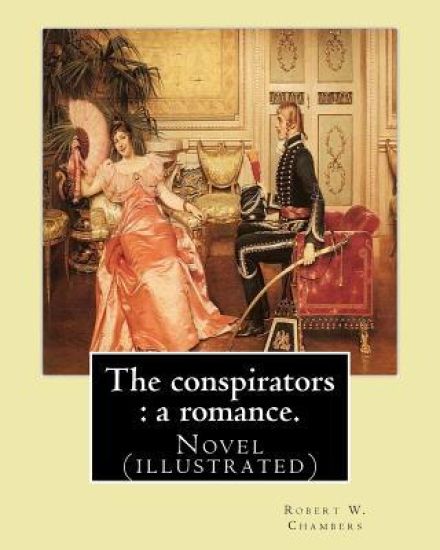
The conspirators: a romance. By: Robert W. Chambers: Novel (illustrated)
Robert W. Chambers
Createspace Independent Publishing Platform
2016
nidottu
Robert William Chambers (May 26, 1865 - December 16, 1933) was an American artist and fiction writer, best known for his book of short stories entitled The King in Yellow, published in 1895. He was born in Brooklyn, New York, to William P. Chambers (1827-1911), a corporate and bankruptcy lawyer, and Caroline Smith Boughton (1842-1913). His parents met when Caroline was twelve years old and William P. was interning with her father, Joseph Boughton, a prominent corporate lawyer. Eventually the two formed the law firm of Chambers and Boughton which continued to prosper even after Joseph's death in 1861. Robert's great-grandfather, William Chambers (birth unknown), a lieutenant in the British Royal Navy, was married to Amelia Saunders, (1765-1822), the great grand daughter of Tobias Saunders, of Westerly, Rhode Island. The couple moved from Westerly, to Greenfield, Massachusetts and then to Galway, New York, where their son, also William Chambers, (1798-1874) was born. The second William graduated from Union College at the age of 18, and then went to a college in Boston, where he studied to be a doctor. Upon graduating, he and his wife, Eliza P. Allen (1793-1880), a direct descendant of Roger Williams, the founder of Providence, Rhode Island were among the first settlers of Broadalbin, New York. His brother was architect Walter Boughton Chambers. Robert was first educated at the Brooklyn Polytechnic Institute, and then entered the Art Students' League at around the age of twenty, where the artist Charles Dana Gibson was his fellow student. Chambers studied at the cole des Beaux-Arts, and at Acad mie Julian, in Paris from 1886 to 1893, and his work was displayed at the Salon as early as 1889. On his return to New York, he succeeded in selling his illustrations to Life, Truth, and Vogue magazines. Then, for reasons unclear, he devoted his time to writing, producing his first novel, In the Quarter (written in 1887 in Munich). His most famous, and perhaps most meritorious, effort is The King in Yellow, a collection of Art Nouveau short stories published in 1895. This included several famous weird short stories which are connected by the theme of a fictitious drama of the same title, which drives those who read it insane. E. F. Bleiler described The King in Yellow as one of the most important works of American supernatural fiction. It was also strongly admired by H. P. Lovecraft and his circle. Chambers returned to the weird genre in his later short story collections The Maker of Moons, The Mystery of Choice and The Tree of Heaven, but none earned him as much success as The King in Yellow. Some of Chambers's work contains elements of science fiction, such as In Search of the Unknown and Police , about a zoologist who encounters monsters. Chambers later turned to writing romantic fiction to earn a living. According to some estimates, Chambers had one of the most successful literary careers of his period, his later novels selling well and a handful achieving best-seller status. Many of his works were also serialized in magazines. His novel The Man They Hanged was about Captain Kidd, and argued that Kidd was not a pirate, and had been made a scapegoat by the British government. During World War I he wrote war adventure novels and war stories, some of which showed a strong return to his old weird style, such as "Marooned" in Barbarians (1917). After 1924 he devoted himself solely to writing historical fiction. Chambers for several years made Broadalbin, New York, his summer home. Some of his novels touch upon colonial life in Broadalbin and Johnstown. On July 12, 1898, he married Elsa Vaughn Moller (1882-1939). They had a son, Robert Edward Stuart Chambers (who sometimes used the name Robert Husted Chambers). Robert W. Chambers died on December 16, 1933, after having undergone intestinal surgery three days earlier.......

The maids of Paradise a novel. By: Robert W. Chambers: Franco-Prussian War, 1870-1871 (illustrated)
Robert W. Chambers
Createspace Independent Publishing Platform
2016
nidottu
Robert William Chambers (May 26, 1865 - December 16, 1933) was an American artist and fiction writer, best known for his book of short stories entitled The King in Yellow, published in 1895. He was born in Brooklyn, New York, to William P. Chambers (1827-1911), a corporate and bankruptcy lawyer, and Caroline Smith Boughton (1842-1913). His parents met when Caroline was twelve years old and William P. was interning with her father, Joseph Boughton, a prominent corporate lawyer. Eventually the two formed the law firm of Chambers and Boughton which continued to prosper even after Joseph's death in 1861. Robert's great-grandfather, William Chambers (birth unknown), a lieutenant in the British Royal Navy, was married to Amelia Saunders, (1765-1822), the great grand daughter of Tobias Saunders, of Westerly, Rhode Island. The couple moved from Westerly, to Greenfield, Massachusetts and then to Galway, New York, where their son, also William Chambers, (1798-1874) was born. The second William graduated from Union College at the age of 18, and then went to a college in Boston, where he studied to be a doctor. Upon graduating, he and his wife, Eliza P. Allen (1793-1880), a direct descendant of Roger Williams, the founder of Providence, Rhode Island were among the first settlers of Broadalbin, New York. His brother was architect Walter Boughton Chambers. Robert was first educated at the Brooklyn Polytechnic Institute, and then entered the Art Students' League at around the age of twenty, where the artist Charles Dana Gibson was his fellow student. Chambers studied at the cole des Beaux-Arts, and at Acad mie Julian, in Paris from 1886 to 1893, and his work was displayed at the Salon as early as 1889. On his return to New York, he succeeded in selling his illustrations to Life, Truth, and Vogue magazines. Then, for reasons unclear, he devoted his time to writing, producing his first novel, In the Quarter (written in 1887 in Munich). His most famous, and perhaps most meritorious, effort is The King in Yellow, a collection of Art Nouveau short stories published in 1895. This included several famous weird short stories which are connected by the theme of a fictitious drama of the same title, which drives those who read it insane. E. F. Bleiler described The King in Yellow as one of the most important works of American supernatural fiction. It was also strongly admired by H. P. Lovecraft and his circle. Chambers returned to the weird genre in his later short story collections The Maker of Moons, The Mystery of Choice and The Tree of Heaven, but none earned him as much success as The King in Yellow. Some of Chambers's work contains elements of science fiction, such as In Search of the Unknown and Police , about a zoologist who encounters monsters. Chambers later turned to writing romantic fiction to earn a living. According to some estimates, Chambers had one of the most successful literary careers of his period, his later novels selling well and a handful achieving best-seller status. Many of his works were also serialized in magazines. His novel The Man They Hanged was about Captain Kidd, and argued that Kidd was not a pirate, and had been made a scapegoat by the British government. During World War I he wrote war adventure novels and war stories, some of which showed a strong return to his old weird style, such as "Marooned" in Barbarians (1917). After 1924 he devoted himself solely to writing historical fiction. Chambers for several years made Broadalbin, New York, his summer home. Some of his novels touch upon colonial life in Broadalbin and Johnstown. On July 12, 1898, he married Elsa Vaughn Moller (1882-1939). They had a son, Robert Edward Stuart Chambers (who sometimes used the name Robert Husted Chambers). Robert W. Chambers died on December 16, 1933, after having undergone intestinal surgery three days earlier......
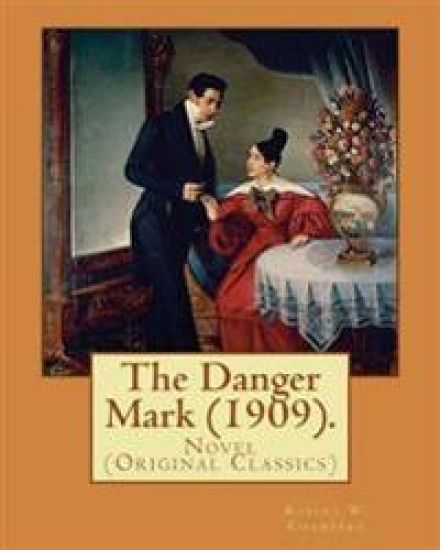
The Danger Mark (1909).By: Robert W. Chambers, illustrated By: A. B. (Albert Beck), Wenzell (1864-1917).: Novel (Original Classics)
A. B. Wenzell; Robert W. Chambers
Createspace Independent Publishing Platform
2016
nidottu
Robert William Chambers (May 26, 1865 - December 16, 1933) was an American artist and fiction writer, best known for his book of short stories entitled The King in Yellow, published in 1895. He was born in Brooklyn, New York, to William P. Chambers (1827-1911), a corporate and bankruptcy lawyer, and Caroline Smith Boughton (1842-1913). His parents met when Caroline was twelve years old and William P. was interning with her father, Joseph Boughton, a prominent corporate lawyer. Eventually the two formed the law firm of Chambers and Boughton which continued to prosper even after Joseph's death in 1861. Robert's great-grandfather, William Chambers (birth unknown), a lieutenant in the British Royal Navy, was married to Amelia Saunders, (1765-1822), the great grand daughter of Tobias Saunders, of Westerly, Rhode Island. The couple moved from Westerly, to Greenfield, Massachusetts and then to Galway, New York, where their son, also William Chambers, (1798-1874) was born. The second William graduated from Union College at the age of 18, and then went to a college in Boston, where he studied to be a doctor. Upon graduating, he and his wife, Eliza P. Allen (1793-1880), a direct descendant of Roger Williams, the founder of Providence, Rhode Island were among the first settlers of Broadalbin, New York. His brother was architect Walter Boughton Chambers. Robert was first educated at the Brooklyn Polytechnic Institute, and then entered the Art Students' League at around the age of twenty, where the artist Charles Dana Gibson was his fellow student. Chambers studied at the cole des Beaux-Arts, and at Acad mie Julian, in Paris from 1886 to 1893, and his work was displayed at the Salon as early as 1889. On his return to New York, he succeeded in selling his illustrations to Life, Truth, and Vogue magazines. Then, for reasons unclear, he devoted his time to writing, producing his first novel, In the Quarter (written in 1887 in Munich). His most famous, and perhaps most meritorious, effort is The King in Yellow, a collection of Art Nouveau short stories published in 1895. This included several famous weird short stories which are connected by the theme of a fictitious drama of the same title, which drives those who read it insane. E. F. Bleiler described The King in Yellow as one of the most important works of American supernatural fiction. It was also strongly admired by H. P. Lovecraft and his circle. Chambers returned to the weird genre in his later short story collections The Maker of Moons, The Mystery of Choice and The Tree of Heaven, but none earned him as much success as The King in Yellow. Some of Chambers's work contains elements of science fiction, such as In Search of the Unknown and Police , about a zoologist who encounters monsters. Chambers later turned to writing romantic fiction to earn a living. According to some estimates, Chambers had one of the most successful literary careers of his period, his later novels selling well and a handful achieving best-seller status. Many of his works were also serialized in magazines. His novel The Man They Hanged was about Captain Kidd, and argued that Kidd was not a pirate, and had been made a scapegoat by the British government. During World War I he wrote war adventure novels and war stories, some of which showed a strong return to his old weird style, such as "Marooned" in Barbarians (1917). After 1924 he devoted himself solely to writing historical fiction. Chambers for several years made Broadalbin, New York, his summer home. Some of his novels touch upon colonial life in Broadalbin and Johnstown. On July 12, 1898, he married Elsa Vaughn Moller (1882-1939). They had a son, Robert Edward Stuart Chambers (who sometimes used the name Robert Husted Chambers). Robert W. Chambers died on December 16, 1933, after having undergone intestinal surgery three days earlier.
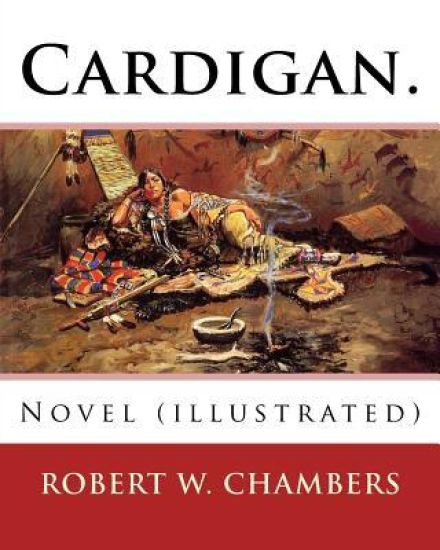
Cardigan. By: Robert W. Chambers: Novel (illustrated)
Robert W. Chambers
Createspace Independent Publishing Platform
2016
nidottu
Robert William Chambers (May 26, 1865 - December 16, 1933) was an American artist and fiction writer, best known for his book of short stories entitled The King in Yellow, published in 1895. He was born in Brooklyn, New York, to William P. Chambers (1827-1911), a corporate and bankruptcy lawyer, and Caroline Smith Boughton (1842-1913). His parents met when Caroline was twelve years old and William P. was interning with her father, Joseph Boughton, a prominent corporate lawyer. Eventually the two formed the law firm of Chambers and Boughton which continued to prosper even after Joseph's death in 1861. Robert's great-grandfather, William Chambers (birth unknown), a lieutenant in the British Royal Navy, was married to Amelia Saunders, (1765-1822), the great grand daughter of Tobias Saunders, of Westerly, Rhode Island. The couple moved from Westerly, to Greenfield, Massachusetts and then to Galway, New York, where their son, also William Chambers, (1798-1874) was born. The second William graduated from Union College at the age of 18, and then went to a college in Boston, where he studied to be a doctor. Upon graduating, he and his wife, Eliza P. Allen (1793-1880), a direct descendant of Roger Williams, the founder of Providence, Rhode Island were among the first settlers of Broadalbin, New York. His brother was architect Walter Boughton Chambers. Robert was first educated at the Brooklyn Polytechnic Institute, and then entered the Art Students' League at around the age of twenty, where the artist Charles Dana Gibson was his fellow student. Chambers studied at the cole des Beaux-Arts, and at Acad mie Julian, in Paris from 1886 to 1893, and his work was displayed at the Salon as early as 1889. On his return to New York, he succeeded in selling his illustrations to Life, Truth, and Vogue magazines. Then, for reasons unclear, he devoted his time to writing, producing his first novel, In the Quarter (written in 1887 in Munich). His most famous, and perhaps most meritorious, effort is The King in Yellow, a collection of Art Nouveau short stories published in 1895. This included several famous weird short stories which are connected by the theme of a fictitious drama of the same title, which drives those who read it insane. E. F. Bleiler described The King in Yellow as one of the most important works of American supernatural fiction. It was also strongly admired by H. P. Lovecraft and his circle. Chambers returned to the weird genre in his later short story collections The Maker of Moons, The Mystery of Choice and The Tree of Heaven, but none earned him as much success as The King in Yellow. Some of Chambers's work contains elements of science fiction, such as In Search of the Unknown and Police , about a zoologist who encounters monsters. Chambers later turned to writing romantic fiction to earn a living. According to some estimates, Chambers had one of the most successful literary careers of his period, his later novels selling well and a handful achieving best-seller status. Many of his works were also serialized in magazines. His novel The Man They Hanged was about Captain Kidd, and argued that Kidd was not a pirate, and had been made a scapegoat by the British government. During World War I he wrote war adventure novels and war stories, some of which showed a strong return to his old weird style, such as "Marooned" in Barbarians (1917). After 1924 he devoted himself solely to writing historical fiction. Chambers for several years made Broadalbin, New York, his summer home. Some of his novels touch upon colonial life in Broadalbin and Johnstown. On July 12, 1898, he married Elsa Vaughn Moller (1882-1939). They had a son, Robert Edward Stuart Chambers (who sometimes used the name Robert Husted Chambers). Robert W. Chambers died on December 16, 1933, after having undergone intestinal surgery three days earlier..........

A king and a few dukes: a romance (1896). By: Robert W. Chambers: Novel (Original Classics)
Robert W. Chambers
Createspace Independent Publishing Platform
2016
nidottu
Robert William Chambers (May 26, 1865 - December 16, 1933) was an American artist and fiction writer, best known for his book of short stories entitled The King in Yellow, published in 1895. He was born in Brooklyn, New York, to William P. Chambers (1827-1911), a corporate and bankruptcy lawyer, and Caroline Smith Boughton (1842-1913). His parents met when Caroline was twelve years old and William P. was interning with her father, Joseph Boughton, a prominent corporate lawyer. Eventually the two formed the law firm of Chambers and Boughton which continued to prosper even after Joseph's death in 1861. Robert's great-grandfather, William Chambers (birth unknown), a lieutenant in the British Royal Navy, was married to Amelia Saunders, (1765-1822), the great grand daughter of Tobias Saunders, of Westerly, Rhode Island. The couple moved from Westerly, to Greenfield, Massachusetts and then to Galway, New York, where their son, also William Chambers, (1798-1874) was born. The second William graduated from Union College at the age of 18, and then went to a college in Boston, where he studied to be a doctor. Upon graduating, he and his wife, Eliza P. Allen (1793-1880), a direct descendant of Roger Williams, the founder of Providence, Rhode Island were among the first settlers of Broadalbin, New York. His brother was architect Walter Boughton Chambers. Robert was first educated at the Brooklyn Polytechnic Institute, and then entered the Art Students' League at around the age of twenty, where the artist Charles Dana Gibson was his fellow student. Chambers studied at the cole des Beaux-Arts, and at Acad mie Julian, in Paris from 1886 to 1893, and his work was displayed at the Salon as early as 1889. On his return to New York, he succeeded in selling his illustrations to Life, Truth, and Vogue magazines. Then, for reasons unclear, he devoted his time to writing, producing his first novel, In the Quarter (written in 1887 in Munich). His most famous, and perhaps most meritorious, effort is The King in Yellow, a collection of Art Nouveau short stories published in 1895. This included several famous weird short stories which are connected by the theme of a fictitious drama of the same title, which drives those who read it insane. E. F. Bleiler described The King in Yellow as one of the most important works of American supernatural fiction. It was also strongly admired by H. P. Lovecraft and his circle. Chambers returned to the weird genre in his later short story collections The Maker of Moons, The Mystery of Choice and The Tree of Heaven, but none earned him as much success as The King in Yellow. Some of Chambers's work contains elements of science fiction, such as In Search of the Unknown and Police , about a zoologist who encounters monsters. Chambers later turned to writing romantic fiction to earn a living. According to some estimates, Chambers had one of the most successful literary careers of his period, his later novels selling well and a handful achieving best-seller status. Many of his works were also serialized in magazines. His novel The Man They Hanged was about Captain Kidd, and argued that Kidd was not a pirate, and had been made a scapegoat by the British government. During World War I he wrote war adventure novels and war stories, some of which showed a strong return to his old weird style, such as "Marooned" in Barbarians (1917). After 1924 he devoted himself solely to writing historical fiction. Chambers for several years made Broadalbin, New York, his summer home. Some of his novels touch upon colonial life in Broadalbin and Johnstown. On July 12, 1898, he married Elsa Vaughn Moller (1882-1939). They had a son, Robert Edward Stuart Chambers (who sometimes used the name Robert Husted Chambers). Robert W. Chambers died on December 16, 1933, after having undergone intestinal surgery three days earlier.
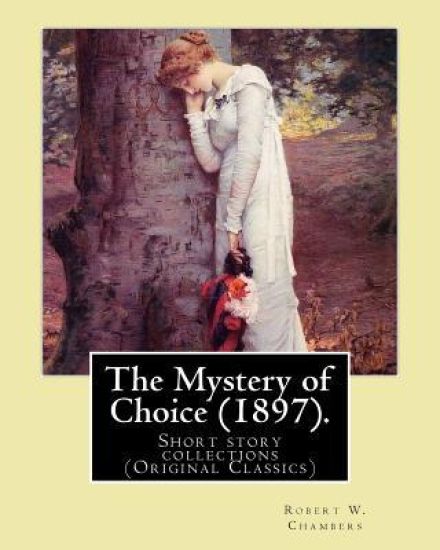
The Mystery of Choice (1897). By: Robert W. Chambers: Short story collections (Original Classics)
Robert W. Chambers
Createspace Independent Publishing Platform
2016
nidottu
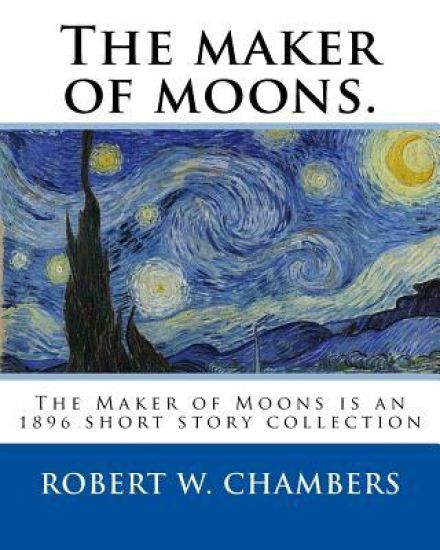
The maker of moons. By: Robert W. Chambers, and By: Walt Whitman: The Maker of Moons is an 1896 short story collection by Robert W. Chambers w
Walt Whitman; Robert W. Chambers
Createspace Independent Publishing Platform
2016
nidottu
Walter "Walt" Whitman ( May 31, 1819 - March 26, 1892) was an American poet, essayist, and journalist. A humanist, he was a part of the transition between transcendentalism and realism, incorporating both views in his works... The Maker of Moons is an 1896 short story collection by Robert W. Chambers which followed the publication of Chambers' most famous work, The King in Yellow (1895). It contained eight new stories, including the title story "The Maker of Moons", one of his weird tales, and several romantic Art Nouveau stories, concluding with two less distinguished weird tales. The latter were subsequently incorporated into the episodic novel In Search of the Unknown. The first three stories are linked by the theme of a dream wife who is named Ysonde, and they form a triptych. The weird nature of the first story has interesting echoes in the other two, which feature picturesque animal figures, such as a Red Ibis and a disagreeable porcupine. The story "In The Name of the Most High" is a war story set in the American Civil War. The next two stories are humorous romantic tales with a fishing theme and setting. Chambers' love of natural scenery illuminates most of the stories. The quality throughout is rather fine. Published by Putnam's, New York and London, in 1896. The first edition featured a frontispiece with a black and white illustration by Lancelot Speed. Contents: "The Maker of Moons" "The Silent Land" "The Black Water" "In the Name of the Most High" "Boy's Sister" "The Crime" "A Pleasant Evening" "The Man At The Next Table"... Robert William Chambers (May 26, 1865 - December 16, 1933) was an American artist and fiction writer, best known for his book of short stories entitled The King in Yellow, published in 1895. He was born in Brooklyn, New York, to William P. Chambers (1827-1911), a corporate and bankruptcy lawyer, and Caroline Smith Boughton (1842-1913). His parents met when Caroline was twelve years old and William P. was interning with her father, Joseph Boughton, a prominent corporate lawyer. Eventually the two formed the law firm of Chambers and Boughton which continued to prosper even after Joseph's death in 1861. Robert's great-grandfather, William Chambers (birth unknown), a lieutenant in the British Royal Navy, was married to Amelia Saunders, (1765-1822), the great grand daughter of Tobias Saunders, of Westerly, Rhode Island. The couple moved from Westerly, to Greenfield, Massachusetts and then to Galway, New York, where their son, also William Chambers, (1798-1874) was born. The second William graduated from Union College at the age of 18, and then went to a college in Boston, where he studied to be a doctor. Upon graduating, he and his wife, Eliza P. Allen (1793-1880), a direct descendant of Roger Williams, the founder of Providence, Rhode Island were among the first settlers of Broadalbin, New York. His brother was architect Walter Boughton Chambers. Robert was first educated at the Brooklyn Polytechnic Institute, and then entered the Art Students' League at around the age of twenty, where the artist Charles Dana Gibson was his fellow student. Chambers studied at the cole des Beaux-Arts, and at Acad mie Julian, in Paris from 1886 to 1893, and his work was displayed at the Salon as early as 1889. On his return to New York, he succeeded in selling his illustrations to Life, Truth, and Vogue magazines. Then, for reasons unclear, he devoted his time to writing, producing his first novel, In the Quarter (written in 1887 in Munich). His most famous, and perhaps most meritorious, effort is The King in Yellow, a collection of Art Nouveau short stories published in 1895. This included several famous weird short stories which are connected by the theme of a fictitious drama of the same title, which drives those who read it insane. E. F. Bleiler described The King in Yellow as one of the most important works of American supernatural fiction. It was also strongly admired by H. P. Lovecraft and his circle
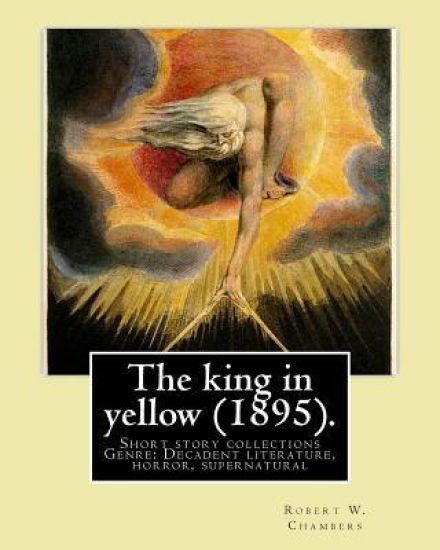
The king in yellow (1895). By: Robert W. Chambers: The King in Yellow is a book of short stories, Genre: Decadent literature, horror, supernatural
Robert W. Chambers
Createspace Independent Publishing Platform
2016
nidottu
The King in Yellow is a book of short stories by American writer Robert W. Chambers, first published by F. Tennyson Neely in 1895. The book is named after a play with the same title which recurs as a motif through some of the stories. The first half of the book features highly esteemed weird stories, and the book has been described by critics such as E. F. Bleiler, S. T. Joshi and T. E. D. Klein as a classic in the field of the supernatural. There are ten stories, the first four of which ("The Repairer of Reputations", "The Mask", "In the Court of the Dragon", and "The Yellow Sign") mention The King in Yellow, a forbidden play which induces despair or madness in those who read it. "The Yellow Sign" inspired a film of the same name released in 2001. The first four stories are loosely connected by three main devices: A play in book form entitled The King in Yellow A mysterious and malevolent supernatural entity known as the King in Yellow An eerie symbol called the Yellow Sign These stories are macabre in tone, centering, in keeping with the other tales, on characters that are often artists or decadents, inhabitants of the demi-monde. The first and fourth stories, "The Repairer of Reputations" and "The Yellow Sign", are set in an imagined future 1920s America, whereas the second and third stories, "The Mask" and "In the Court of the Dragon", are set in Paris. These stories are haunted by the theme: "Have you found the Yellow Sign?" The weird and macabre character gradually fades away during the remaining stories, and the last three are written in the romantic fiction style common to Chambers' later work. They are all linked to the preceding stories by their Parisian setting and their artistic protagonists...... Robert William Chambers (May 26, 1865 - December 16, 1933) was an American artist and fiction writer, best known for his book of short stories entitled The King in Yellow, published in 1895. He was born in Brooklyn, New York, to William P. Chambers (1827-1911), a corporate and bankruptcy lawyer, and Caroline Smith Boughton (1842-1913). His parents met when Caroline was twelve years old and William P. was interning with her father, Joseph Boughton, a prominent corporate lawyer. Eventually the two formed the law firm of Chambers and Boughton which continued to prosper even after Joseph's death in 1861. Robert's great-grandfather, William Chambers (birth unknown), a lieutenant in the British Royal Navy, was married to Amelia Saunders, (1765-1822), the great grand daughter of Tobias Saunders, of Westerly, Rhode Island. The couple moved from Westerly, to Greenfield, Massachusetts and then to Galway, New York, where their son, also William Chambers, (1798-1874) was born. The second William graduated from Union College at the age of 18, and then went to a college in Boston, where he studied to be a doctor. Upon graduating, he and his wife, Eliza P. Allen (1793-1880), a direct descendant of Roger Williams, the founder of Providence, Rhode Island were among the first settlers of Broadalbin, New York. His brother was architect Walter Boughton Chambers. Robert was first educated at the Brooklyn Polytechnic Institute, and then entered the Art Students' League at around the age of twenty, where the artist Charles Dana Gibson was his fellow student. Chambers studied at the cole des Beaux-Arts, and at Acad mie Julian, in Paris from 1886 to 1893, and his work was displayed at the Salon as early as 1889. On his return to New York, he succeeded in selling his illustrations to Life, Truth, and Vogue magazines. Then, for reasons unclear, he devoted his time to writing, producing his first novel, In the Quarter (written in 1887 in Munich). His most famous, and perhaps most meritorious, effort is The King in Yellow, a collection of Art Nouveau short stories published in 1895..............
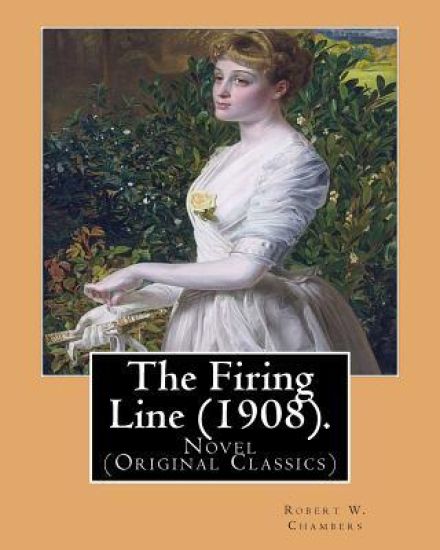
The Firing Line (1908). By: Robert W. Chambers: Novel (Original Classics)
Robert W. Chambers
Createspace Independent Publishing Platform
2016
nidottu
Young Hamil, resting on his oars, gazed absently into the creeping mist. Under it the ocean sparkled with subdued brilliancy; through it, shoreward, green palms and palmettos turned silvery; and, as the fog spread, the sea-pier, the vast white hotel, bathing-house, cottage, pavilion, faded to phantoms tinted with rose and pearl. Leaning there on his oars, he could still make out the distant sands flecked with the colours of sunshades and bathing-skirts; the breeze dried his hair and limbs, but his swimming-shirt and trunks still dripped salt water. Inshore a dory of the beach guard drifted along the outer line of breakers beyond which the more adventurous bathers were diving from an anchored raft. Still farther out moving dots indicated the progress of hardier swimmers; one in particular, a girl capped with a brilliant red kerchief, seemed to be already nearer to Hamil than to the shore........ Robert William Chambers (May 26, 1865 - December 16, 1933) was an American artist and fiction writer, best known for his book of short stories entitled The King in Yellow, published in 1895. He was born in Brooklyn, New York, to William P. Chambers (1827-1911), a corporate and bankruptcy lawyer, and Caroline Smith Boughton (1842-1913). His parents met when Caroline was twelve years old and William P. was interning with her father, Joseph Boughton, a prominent corporate lawyer. Eventually the two formed the law firm of Chambers and Boughton which continued to prosper even after Joseph's death in 1861. Robert's great-grandfather, William Chambers (birth unknown), a lieutenant in the British Royal Navy, was married to Amelia Saunders, (1765-1822), the great grand daughter of Tobias Saunders, of Westerly, Rhode Island. The couple moved from Westerly, to Greenfield, Massachusetts and then to Galway, New York, where their son, also William Chambers, (1798-1874) was born. The second William graduated from Union College at the age of 18, and then went to a college in Boston, where he studied to be a doctor. Upon graduating, he and his wife, Eliza P. Allen (1793-1880), a direct descendant of Roger Williams, the founder of Providence, Rhode Island were among the first settlers of Broadalbin, New York. His brother was architect Walter Boughton Chambers. Robert was first educated at the Brooklyn Polytechnic Institute, and then entered the Art Students' League at around the age of twenty, where the artist Charles Dana Gibson was his fellow student. Chambers studied at the cole des Beaux-Arts, and at Acad mie Julian, in Paris from 1886 to 1893, and his work was displayed at the Salon as early as 1889. On his return to New York, he succeeded in selling his illustrations to Life, Truth, and Vogue magazines. Then, for reasons unclear, he devoted his time to writing, producing his first novel, In the Quarter (written in 1887 in Munich). His most famous, and perhaps most meritorious, effort is The King in Yellow, a collection of Art Nouveau short stories published in 1895. This included several famous weird short stories which are connected by the theme of a fictitious drama of the same title, which drives those who read it insane. E. F. Bleiler described The King in Yellow as one of the most important works of American supernatural fiction. It was also strongly admired by H. P. Lovecraft and his circle. Chambers returned to the weird genre in his later short story collections The Maker of Moons, The Mystery of Choice and The Tree of Heaven, but none earned him as much success as The King in Yellow. Some of Chambers's work contains elements of science fiction, such as In Search of the Unknown and Police , about a zoologist who encounters monsters....