
Kirjailija
Seneca
Kirjat ja teokset yhdessä paikassa: 198 kirjaa, julkaisuja vuosilta 1917–2026, suosituimpiin kuuluu Cartas a Lucílio. Vertaile teosten hintoja ja tarkista saatavuus suomalaisista kirjakaupoista.
Nimi esiintyy myös muodoissa: Séneca, Sêneca
198 kirjaa
Kirjojen julkaisuvuodet: 1917–2026.
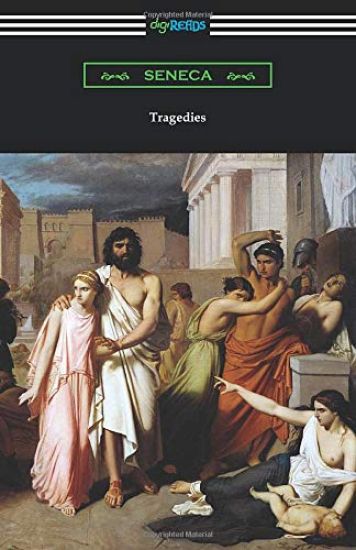
Lucius Annaeus Seneca, known commonly as Seneca, was a Roman Stoic philosopher, statesman and dramatist of the Silver Age of Latin literature. He is most noted for developing a new type of drama, the Senecan tragedy, which differed greatly from Greek tragedy. While the Greek tragedies were expansive and periodic, Senecan tragedies are more succinct and balanced. In Senecan tragedy, characters do not undergo much change, there is little or no catharsis in the end, and violence is acted out on stage instead of being recalled by characters to the audience. Often, Seneca's plays contain pronounced elements of the macabre, grotesque, and even the supernatural. Not only have these plays withstood the test of time, but they essentially fueled the growth of Elizabethan and Jacobean drama in England many centuries after their creation. Seneca's work exerted significant influence on writers like Thomas Kyd, Ben Jonson, and William Shakespeare, to name a few. This edition is printed on premium acid-free paper, includes the ten tragedies thought to be authored by Seneca, and follows the translations of Ella Isabel Harris.
Mutlu Yasam Üzerine - Yasamin Kisaligi Üzerine
Seneca
Türkiye Is Bankasi Kültür Yayinlari
2020
pokkari
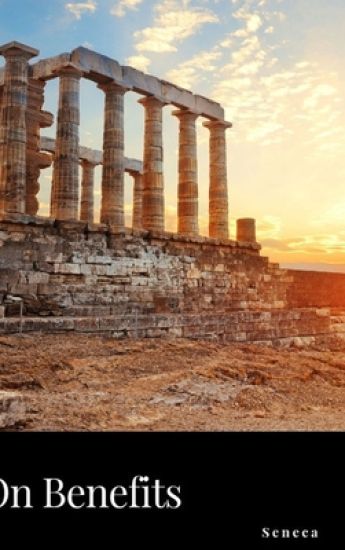
Seneca's masterful essay On Benefits (De Beneficiis) explores the nature of favors; what it means to do someone a favor and what to expect back, if anything.
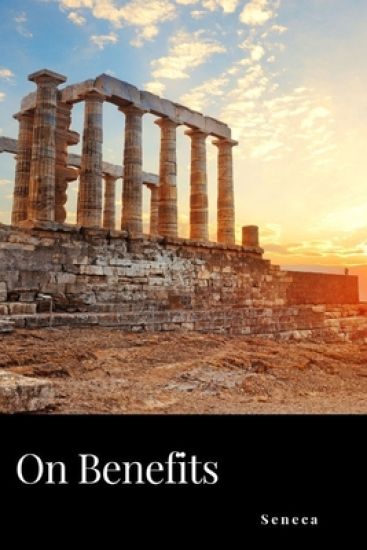
Seneca's masterful essay On Benefits (De Beneficiis) explores the nature of favors; what it means to do someone a favor and what to expect back, if anything.
From the author of Letters from a Stoic (Epistulae Morales), comes another brilliant, timeless guide to living well. This new edition of Seneca's On the Shortness of Life (De Brevitate Vitae) from The Augustine Press has been revised with footnotes by author Damian Stevenson.
From the author of Letters from a Stoic (Epistulae Morales), comes another brilliant, timeless guide to living well. This new edition of Seneca's On the Shortness of Life (De Brevitate Vitae) from The Augustine Press has been revised with footnotes by author Damian Stevenson.
The letters of Seneca are uniquely engaging among the works that have survived from antiquity. They offer an urgent guide to Stoic self-improvement but also cast light on Roman attitudes towards slavery, gladiatorial combat and suicide. This selection of letters conveys their range and variety, with a particular focus on letters from the earlier part of the collection. As well as a general introduction, it features a brief introductory essay on each letter, which draws out its themes and sets it in context. The commentary explains the more challenging aspects of Seneca's Latin. It also casts light on his engagement with Stoic (and Epicurean) ideas, on the historical context within which the letters were written and on their literary sophistication. This edition will be invaluable for undergraduate and graduate students and scholars of Seneca's moral and intellectual development.
The letters of Seneca are uniquely engaging among the works that have survived from antiquity. They offer an urgent guide to Stoic self-improvement but also cast light on Roman attitudes towards slavery, gladiatorial combat and suicide. This selection of letters conveys their range and variety, with a particular focus on letters from the earlier part of the collection. As well as a general introduction, it features a brief introductory essay on each letter, which draws out its themes and sets it in context. The commentary explains the more challenging aspects of Seneca's Latin. It also casts light on his engagement with Stoic (and Epicurean) ideas, on the historical context within which the letters were written and on their literary sophistication. This edition will be invaluable for undergraduate and graduate students and scholars of Seneca's moral and intellectual development.

This edition of Letters from a Stoic, otherwise known as Epistulae Morales Ad Lucilium contains the three volumes of correspondence between the elderly Greek Stoic Seneca and the young Lucilius Junior. Each of the one hundred and twenty-four letters touches on a wide range of topics from a happy life to the moral one. These letters, while addressed to a particular indivual, were clearly written to be read by a much wider audience, and indeed, this book is an excellent introduction to Seneca's thought and to stoic philosophy.
This edition of Letters from a Stoic, otherwise known as Epistulae Morales Ad Lucilium contains the three volumes of correspondence between the elderly Greek Stoic Seneca and the young Lucilius Junior. Each of the one hundred and twenty-four letters touches on a wide range of topics from a happy life to the moral one. These letters, while addressed to a particular indivual, were clearly written to be read by a much wider audience, and indeed, this book is an excellent introdu
Gresskarifiseringen av den guddommelige Claudius, eller Gjøn med (keiser) Claudius' død
Seneca
Gyldendal
2018
sidottu
Besk og vittig satire om den romerske keiser Claudius' desperate forsøk på å bli guddommeliggjort Grusomhetene til mang en romersk keiser er velkjente. Men fikk noen keiser noen gang i sin samtid passet sitt påskrevet for sine onde gjerninger? Ja, keiser Claudius får gjennomgå så det svir i satiren Gresskarifiseringen av den guddommelige Claudius. Forfatteren er etter all sannsynlighet Seneca den yngre, som i så fall skrev den da han var lærer for den unge keiser Nero. Verket kan også leses som en hyllest til Nero, hvilket antar en dypt tragisk ironi siden Seneca senere måtte begå selvmord på Neros ordre. I Gresskarifiseringen av den guddommelige Claudius følger vi den nylig avdøde, avskyelige Claudius, som i sin heseblesende bestrebelse på å bli guddommeliggjort besøker både himmel og helvete, og til slutt ender opp som den laveste av de lave: en eks-slaves slave. Beskheten og vittighetene til tross, teksten er like poetisk som politisk og stiller samfunnets urettferdighet hjerteskjærende til skue innenfor en kosmisk ramme på en måte som evner å berøre - og vekke latter - den dag i dag.