Kirjailija
Sinclair Lewis
Kirjat ja teokset yhdessä paikassa: 346 kirjaa, julkaisuja vuosilta 1905–2026, suosituimpiin kuuluu Main Street. Vertaile teosten hintoja ja tarkista saatavuus suomalaisista kirjakaupoista.
346 kirjaa
Kirjojen julkaisuvuodet: 1905–2026.

Elmer Gantry is the portrait of a silver-tongued evangelist who rises to power within his church, yet lives a life of hypocrisy, sensuality, and ruthless self-indulgence. The title character starts out as a greedy, shallow, philandering Baptist minister, turns to evangelism, and eventually becomes the leader of a large Methodist congregation. Throughout the novel, Gantry encounters fellow religious hypocrites. Although often exposed as a fraud, Gantry is never fully discredited. When Elmer Gantry was first published in 1927, it created a public furor. Now it is considered a landmark in American literature and one of the most penetrating studies of hypocrisy in modern literature. The novel also represents the evangelistic activity of America in the 1920s and people's attitudes toward it.


Dive into the heart of the American dream gone awry in this captivating classic that explores ambition, love, and moral dilemmas with piercing realism. An American Tragedy by Theodore Dreiser masterfully tells the haunting tale of Clyde Griffiths, a young man yearning for success and social status. Torn between two women - a devoted factory worker and a wealthy socialite - Clyde's choices lead him down a dark, irreversible path. Set against the backdrop of early 20th-century America, this riveting novel exposes the complexities of human ambition and the devastating consequences of unbridled desire. With its timeless themes and deeply flawed, relatable characters, this literary masterpiece grips readers with every turn of the page, challenging them to question morality, societal pressures, and the cost of the pursuit of happiness. Hailed as one of the greatest American novels of the 20th century, An American Tragedy has been celebrated for its profound exploration of human nature and the American experience.
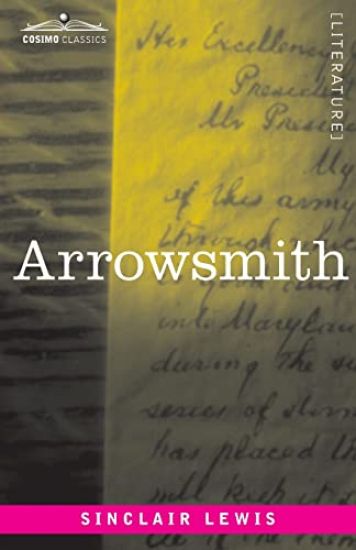
"It is one of the major tragedies that nothing is more discomforting than the hearty affection of the Old Friends who never were friends."-Sinclair Lewis, ArrowsmithArrowsmith (1926) is among Sinclair Lewis's early novels. Even so, it is usually considered one of his major works, because it was the first "scientific" novel. Inspired to write it by major reforms in the field of medical education at the time, Lewis explored the culture of science by telling the story of Martin Arrowsmith, a brilliant doctor and scientist who wants to conquer the plague virus. To ensure its authenticity, Lewis sought out the help of a science writer, and the book was so highly regarded that it was awarded a Pulitzer Prize (which Lewis declined).
"It is one of the major tragedies that nothing is more discomforting than the hearty affection of the Old Friends who never were friends."-Sinclair Lewis, ArrowsmithArrowsmith (1926) is among Sinclair Lewis's early novels. Even so, it is usually considered one of his major works, because it was the first "scientific" novel. Inspired to write it by major reforms in the field of medical education at the time, Lewis explored the culture of science by telling the story of Martin Arrowsmith, a brilliant doctor and scientist who wants to conquer the plague virus. To ensure its authenticity, Lewis sought out the help of a science writer, and the book was so highly regarded that it was awarded a Pulitzer Prize (which Lewis declined).
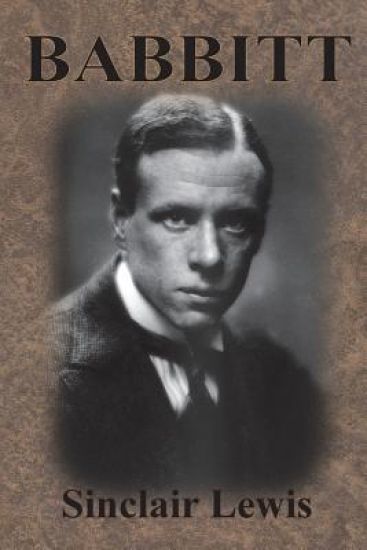
"Being a man given to oratory and high principles, he enjoyed the sound of his own vocabulary and the warmth of his own virtue."-Sinclair Lewis, BabbittIn the novel Babbitt (1922), Sinclair Lewis created a sardonic portrait of a typical American businessman, striving to conform to the standards of the American culture of the time. Its "hero" is a real estate salesman who, having striven to become a solid citizen in middle America, gradually becomes aware how shallow his ideals are. After the book's publication, the term "Babbitt" became a popular reference to describe people who are social conformists.
"Being a man given to oratory and high principles, he enjoyed the sound of his own vocabulary and the warmth of his own virtue."-Sinclair Lewis, BabbittIn the novel Babbitt (1922), Sinclair Lewis created a sardonic portrait of a typical American businessman, striving to conform to the standards of the American culture of the time. Its "hero" is a real estate salesman who, having striven to become a solid citizen in middle America, gradually becomes aware how shallow his ideals are. After the book's publication, the term "Babbitt" became a popular reference to describe people who are social conformists.
"She knew the exaltation of starting out in the fresh morning for places she had never seen, without the bond of having to return at night."― Sinclair Lewis, Free AirFree Air (1919), by Sinclair Lewis, was one of the first novels to celebrate the adventure and freedom that road trips introduced to America at the start of the twentieth century, thanks to the invention of the automobile. It also preceded Lewis's breakthrough novel Main Street by just one year. The story it tells is about a woman who drives from New York to the Pacific Northwest, where she falls in love. While very simple, it allowed Lewis to showcase his wit and express his admiration for the working class and democratic values.

"She knew the exaltation of starting out in the fresh morning for places she had never seen, without the bond of having to return at night."― Sinclair Lewis, Free AirFree Air (1919), by Sinclair Lewis, was one of the first novels to celebrate the adventure and freedom that road trips introduced to America at the start of the twentieth century, thanks to the invention of the automobile. It also preceded Lewis's breakthrough novel Main Street by just one year. The story it tells is about a woman who drives from New York to the Pacific Northwest, where she falls in love. While very simple, it allowed Lewis to showcase his wit and express his admiration for the working class and democratic values.
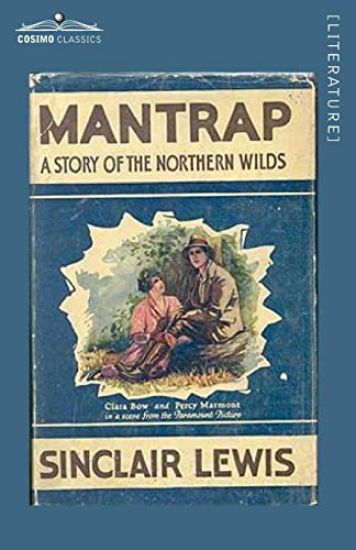
"Humor is next to Godliness." ― Sinclair Lewis, Mantrap To create Mantrap (1926), Sinclair Lewis adapted journals his brother Claude kept while the two traveled in Canada two years before the book appeared. In it, the author created the story of New York lawyer Ralph Prescott's journey into the Saskatchewan territory and of his adventures there. Two separate films, Mantrap (1926) and Untamed (1940), both of which were based on the story, were produced.
"Humor is next to Godliness." ― Sinclair Lewis, Mantrap To create Mantrap (1926), Sinclair Lewis adapted journals his brother Claude kept while the two traveled in Canada two years before the book appeared. In it, the author created the story of New York lawyer Ralph Prescott's journey into the Saskatchewan territory and of his adventures there. Two separate films, Mantrap (1926) and Untamed (1940), both of which were based on the story, were produced.
"We'd get sick on too many cookies, but ever so much sicker on no cookies at all." -Sinclair Lewis, The JobIn his novel The Job (1917) Sinclair Lewis vividly describes the world of work for women in the early years of the twentieth century. The novel was one of Lewis's first successes, praised as a groundbreaking work for having a woman as the lead character, as well as for providing insights into the lives of working women. While it was only the third book the author wrote in his own name, it established Lewis as a foremost author of novels about social realism.