Kirjojen hintavertailu – 12 859 824 kirjaa ja 27 kauppaa

Kirjailija

Steve Bowkett

Kirjat ja teokset yhdessä paikassa: 30 kirjaa, julkaisuja vuosilta 2006–2025, suosituimpiin kuuluu A Moon on Water. Vertaile teosten hintoja ja tarkista saatavuus suomalaisista kirjakaupoista.

30 kirjaa

Kirjojen julkaisuvuodet: 2006–2025.

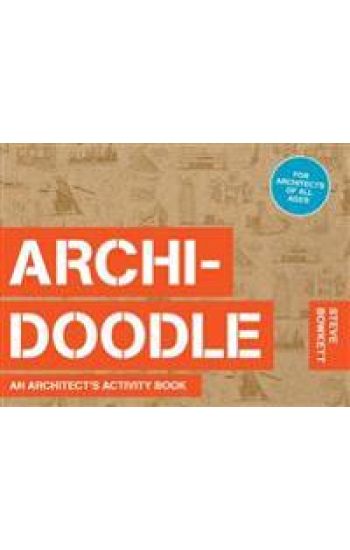
Archidoodle

Archidoodle

Steve Bowkett

Laurence King Publishing
2013
nidottu

Halvin toimitettuna 23,20 €

This innovative book is the first to provide a fun, interactive way to learn about architecture. Filled with an array of beautiful and elegant drawings, it poses all manner of architectural challenges for the user: from designing your own skyscraper to drawing an island house or creating a Constructivist monument, plus many more. Aimed at at anyone who loves drawing buildings, it encourages the users to imagine their own creative solutions by sketching, drawing and painting in the pages of the book. In so doing, they will learn about a whole range of significant architectural issues, such as the importance of site and materials, how to furnish a space, how to read plans, how to create sustainable cities and so on. The book also includes numerous examples of works and ideas by major architects to draw inspiration from and will appeal to everyone from children to students and professional architects.
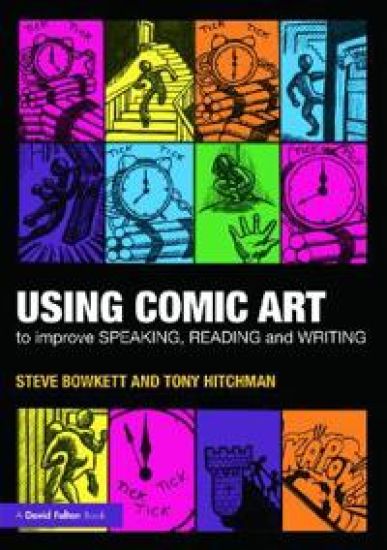
Using Comic Art to Improve Speaking, Reading and Writing
Using Comic Art to Improve Speaking, Reading and Writing uses children’s interest in pictures, comics and graphic novels as a way of developing their creative writing abilities, reading skills and oracy. The book’s underpinning strategy is the use of comic art images as a visual analogue to help children generate, organise and refine their ideas when writing and talking about text. In reading comic books children are engaging with highly complex and structured narrative forms. Whether they realise it or not, their emergent visual literacy promotes thinking skills and develops wider metacognitive abilities. Using Comic Art not only motivates children to read more widely, but also enables them to enjoy a richer imagined world when reading comics, text based stories and their own written work. The book sets out a range of practical techniques and activities which focus on various aspects of narrative, including: using comic art as a visual organiser for planning writingopenings and endingsidentifying with the reader, using different genres and developing characters creating pace, drama, tension and anticipationincludes ‘Kapow!’ techniques to kick start lessonsan afterword on the learning value of comics. The activities in Using Comic Art start from this baseline of confident and competent comic-book readers, and show how skills they already possess can be transferred to a range of writing tasks. For instance, the way the panels on a comic’s page are arranged can serve as a template for organising paragraphs in a written story or a piece of non-fiction writing. The visual conventions of a graphic novel – the shape of speech bubbles or the way the reader’s attention is directed – can inform children in the use of written dialogue and the inclusion of vivid and relevant details. A creative and essential resource for every primary classroom, Using Comic Art is ideal for primary and secondary school teachers and TAs, as well as primary PGCE students and BEd, BA Primary Undergraduates.

Using Comic Art to Improve Speaking, Reading and Writing
Using Comic Art to Improve Speaking, Reading and Writing uses children’s interest in pictures, comics and graphic novels as a way of developing their creative writing abilities, reading skills and oracy. The book’s underpinning strategy is the use of comic art images as a visual analogue to help children generate, organise and refine their ideas when writing and talking about text. In reading comic books children are engaging with highly complex and structured narrative forms. Whether they realise it or not, their emergent visual literacy promotes thinking skills and develops wider metacognitive abilities. Using Comic Art not only motivates children to read more widely, but also enables them to enjoy a richer imagined world when reading comics, text based stories and their own written work. The book sets out a range of practical techniques and activities which focus on various aspects of narrative, including: using comic art as a visual organiser for planning writingopenings and endingsidentifying with the reader, using different genres and developing characters creating pace, drama, tension and anticipationincludes ‘Kapow!’ techniques to kick start lessonsan afterword on the learning value of comics. The activities in Using Comic Art start from this baseline of confident and competent comic-book readers, and show how skills they already possess can be transferred to a range of writing tasks. For instance, the way the panels on a comic’s page are arranged can serve as a template for organising paragraphs in a written story or a piece of non-fiction writing. The visual conventions of a graphic novel – the shape of speech bubbles or the way the reader’s attention is directed – can inform children in the use of written dialogue and the inclusion of vivid and relevant details. A creative and essential resource for every primary classroom, Using Comic Art is ideal for primary and secondary school teachers and TAs, as well as primary PGCE students and BEd, BA Primary Undergraduates.
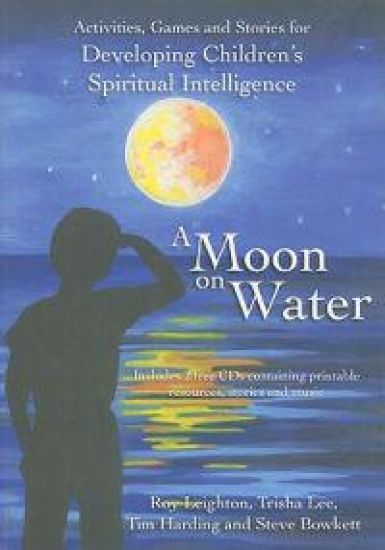
A Moon on Water

A Moon on Water

Roy Leighton; Trisha Lee; Tim Harding; Steve Bowkett

Crown House Publishing
2011
nidottu
Natural curiosity, a sense of playfulness and fun, the urge to question these are the resources that all children possess and can use to explore more deeply who they are and what their existence can mean to them. A Moon On Water is intended as a workbook of practical ideas and activities for use in schools that can be applied in a range of contexts across the curriculum; as a basis for philosophical enquiry, for exploring feelings and enhancing emotional resourcefulness, for adding the dimension of values to the subjects and knowledge that children study. In short the book seeks to show children how to connect 'who they are with what they do, with why they are here'. Includes CD-ROM and audio CD.
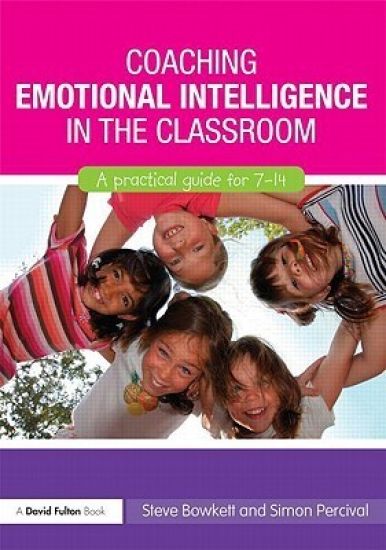
Coaching Emotional Intelligence in the Classroom

Coaching Emotional Intelligence in the Classroom

Steve Bowkett; Simon Percival

Routledge
2010
nidottu
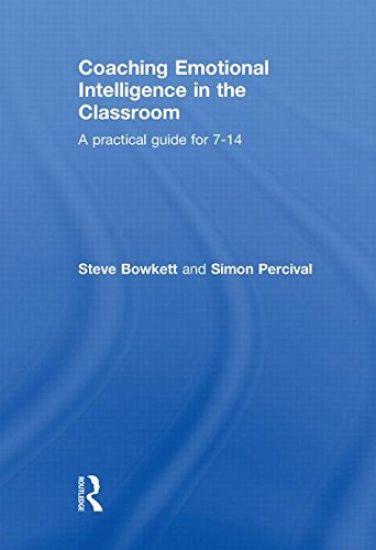
Coaching Emotional Intelligence in the Classroom is a practical resource to help Key Stage 2 and Key Stage 3 teachers explore and understand a range of concepts, principles and techniques gathered under the term ‘emotional intelligence’, and the way that this powerfully influences pupils’ behaviour and learning in the classroom. Creative activities are suggested throughout, leading towards a more explicit focus on coaching methods to help pupils become independent, creative and effective learners able to set goals, generate ideas, solve problems and arrive at reasoned decisions. This book focuses on five key areas: self-awarenessinnovative and inventive thinkingindependent enquirycollaborative learningcommunication skills. Dealing in an engaging way with social and emotional aspects of learning, personalised learning, thinking skills and social inclusion, the authors offer teachers all of the necessary tools to help pupils build life- and people-skills which will extend beyond school. It will be of interest to all practising teachers, teaching assistants and school counsellors working with young people.
Coaching Emotional Intelligence in the Classroom

Coaching Emotional Intelligence in the Classroom

Steve Bowkett; Simon Percival

Routledge
2010
sidottu
Coaching Emotional Intelligence in the Classroom is a practical resource to help Key Stage 2 and Key Stage 3 teachers explore and understand a range of concepts, principles and techniques gathered under the term ‘emotional intelligence’, and the way that this powerfully influences pupils’ behaviour and learning in the classroom. Creative activities are suggested throughout, leading towards a more explicit focus on coaching methods to help pupils become independent, creative and effective learners able to set goals, generate ideas, solve problems and arrive at reasoned decisions. This book focuses on five key areas: self-awarenessinnovative and inventive thinkingindependent enquirycollaborative learningcommunication skills. Dealing in an engaging way with social and emotional aspects of learning, personalised learning, thinking skills and social inclusion, the authors offer teachers all of the necessary tools to help pupils build life- and people-skills which will extend beyond school. It will be of interest to all practising teachers, teaching assistants and school counsellors working with young people.
Countdown Series Set

Countdown Series Set

Steve Bowkett

Routledge
2009
muu
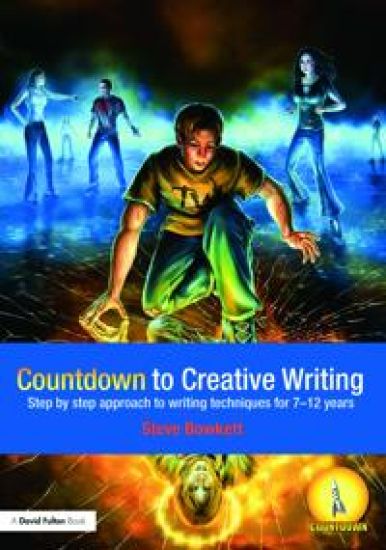
The Countdown Series provides all the support you need in helping pupils to improve their literacy skills. It is a comprehensive and flexible resource which you can use in different ways, and includes: Over 100 stand-alone modules that cover all aspects of writing and understanding non-fiction, poetry and creative writing; A countdown flowchart providing an overview, showing how modules are linked and allowing teachers and pupils to track their progress; Photocopiable activity sheets for every module that show how to make decisions and solve problems that writers face on the journey to a finished piece of work; Teacher's notes for each module, with tips and guidance, including how modules can be used in the classroom, links to other modules and curriculum links, and advice on helping and guiding pupils in their writing; A self-study component so that pupils can make their own progress through the material. This option gives young writers a sense of independence in thinking about their work and, through offering a scaffolding of tasks, encourages confident and effective writing; 'Headers' for each module showing where along the 'countdown path' you are at that point. In short, the Countdown Series Set saves valuable planning time and gives you all the flexibility you need in helping pupils to to become confdent with literary techniques. The structure of the book allows teachers to utilise the modules for ‘self-study’, as a longer programme following the ‘countdown’ structure, or to dip into the book for individual lesson activities and ideas to fit in with wider programmes of study.
Countdown to Non-Fiction Writing

Countdown to Non-Fiction Writing

Steve Bowkett

Focal Press
2009
nidottu
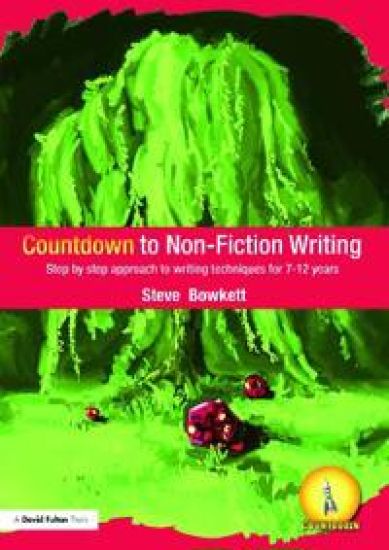
Developing children's writing abilities boosts their confidence, creates enjoyment and relevance in the task and cultivates a range of decision-making and problem-solving skills that can then be applied across the curriculum. The Countdown series provides all the support you need in helping children to improve their prose, poetry and non-fiction writing. Countdown to Non-Fiction Writing is a comprehensive and flexible resource which you can use in different ways. It includes: 37 stand-alone modules which cover all aspects of writing and understanding non-fiction texts, including the nature of language, logical thinking, recognising ‘facts’ and planning; A countdown flowchart provides an overview, showing how modules are linked and allowing teachers and pupils to track their progress; Photocopiable activity sheets for each module that show how to make decisions and solve problems which writers face on the journey to a finished piece of work; Teachers’ notes for each module with tips and guidance, including how modules can be used in the classroom, links to other modules and curriculum links, and advice on helping and guiding pupils in their writing; A self-study component so pupils can make their own progress through the material. This option gives young writers a sense of independence in thinking about their work and through offering a scaffolding of tasks, encourages confident and effective writing; 'Headers' for each module showing where along the 'countdown path' you are at that point; Contents page for quick access to particular modules and relevant aspects of writing. In short, Countdown to Non-Fiction Writing saves valuable planning time and gives you all the flexibility you need in helping pupils to prepare for, understand, and write non-fiction. The structure of the book allows teachers to utilise the modules for ‘self-study’, as a longer programme following the ‘countdown’ structure, or to dip into the book for individual lesson activities and ideas to fit in with wider programmes of study.
Countdown to Poetry Writing

Countdown to Poetry Writing

Steve Bowkett

Focal Press
2009
nidottu
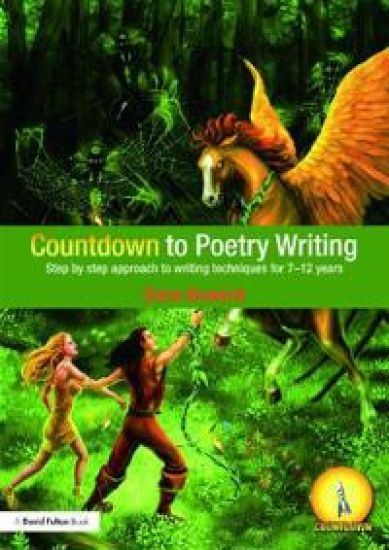
Developing children's writing abilities boosts their confidence, creates enjoyment and relevance in the task and cultivates a range of decision-making and problem-solving skills that can then be applied across the curriculum. The Countdown series provides all the support you need in helping children to improve their prose, poetry and non-fiction writing. This guide provides all the support you need in helping pupils to improve their poetry writing. Countdown to Poetry Writing is a comprehensive and flexible resource that you can use in different ways, including: stand-alone modules that cover all the essential aspects of writing a poem, including word play, use of metaphor, rhyme and many otherscountdown flowchart providing an overview showing how modules are linked and how teachers can progress through them with the pupilsphotocopiable activity sheets for each module that show how to make the decisions and solve the problems that all writers face along the road from first idea to finished piece of work teachers’ notes for modules, with tips and guidance, including how modules can be used in the classroom, links to other modules and curriculum links, and advice on helping and guiding pupils in their writinga self-study component so that children can make their own progress through the materials, giving young writers a sense of independence in thinking about their work and offering built-in scaffolding of tasks so that less experienced or less confident children get more support from the resource 'headers' for each module showing where along the 'countdown path' you are at that point. In short, Countdown to Poetry Writing saves valuable planning time and gives you all the flexibility you need - teachers might want to utilise either the self-study or 'countdown' aspects of the book, or simply dip into it for individual lesson activities to fit in with their own programmes of work.
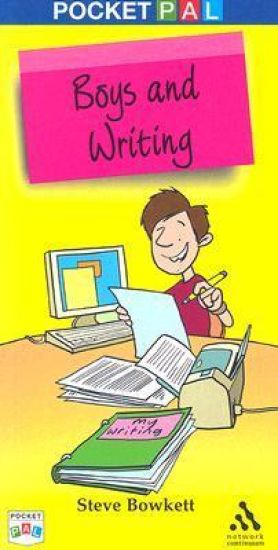
Pocket PAL: Boys and Writing

Pocket PAL: Boys and Writing

Steve Bowkett

Network Continuum Education
2006
nidottu
This book looks at how students' writing can be improved through a thinking skills agenda. The emphasis is on engaging boys with writing, but the ideas and techniques work equally well with girls and span a wide age and ability range.