
Kirjailija
Susan Rowland
Kirjat ja teokset yhdessä paikassa: 26 kirjaa, julkaisuja vuosilta 2001–2025, suosituimpiin kuuluu The Swan Lake Murders. Vertaile teosten hintoja ja tarkista saatavuus suomalaisista kirjakaupoista.
26 kirjaa
Kirjojen julkaisuvuodet: 2001–2025.
Former Archivist Mary Wandwalker hates bringing bad news. Nevertheless, she confirms to her alma mater that their prized medieval alchemy scroll, is, in fact, a seventeenth century copy. She learns that the original vanished to colonial Connecticut with alchemist, Robert Le More. Later the genuine scroll surfaces in Los Angeles. Given that the authentic artifact is needed for her Oxford college to survive, retrieving it is essential. Mary agrees to get the real scroll back as part of a commission for her three-person Enquiry Agency. However, tragedy strikes in Los Angeles. Before Mary can legally obtain the scroll, a young man is murdered, and the treasure stolen. Murder and theft are complicated by the disappearance in the UK of a witch mysteriously connected to the scroll. While Mary's colleague, Caroline, risks her sanity to go undercover in a dodgy mental hospital, her lover, Anna resorts to desperate measures. These, and Anna's silence over blackmail, threaten the survival of the Agency. Mary teams up with the victim's brother to track the killer, and the real alchemy scroll. Solving crimes on two continents will involve a rogue pharmaceutical corporation, Janet the witch, the Holywell Retreat Center near Oxford, plus the trafficked women they support, a graduate school in California, and a life-threatening mountain-consuming wildfire. Can these inexperienced detectives triumph over corrupt professors and racist attempts to rewrite history? Can they remake their fragile family? Will the extraordinary story of Robert Le More prove a source of hope for today? CONTENTSPROLOGUE: Oxford 1399, January, Prima Materia orMother Julian's GiftCHAPTER 1: A Present Day Summons CHAPTER 2: St Julian's College has a problem CHAPTER 3: Who Stole the Alchemy Scroll? CHAPTER 4: What has Been Split Must Be Reunited 3CHAPTER 5: A Mixing of Bitter Substances CHAPTER 6: Holywell's Vulnerable Clients CHAPTER 7: Mary Takes Charge CHAPTER 8: Like Treats Like CHAPTER 9: Two Brits in Snowbound Los Angeles CHAPTER 10: Strange Mixing CHAPTER 11: Anna and Leni CHAPTER 12: Into Darkness CHAPTER 13: An Awful Lot of Blood CHAPTER 14: They Call Him Cookie Mac CHAPTER 15: Who's Looking for the Invisible College? CHAPTER 16: Brother of the Victim CHAPTER 17: Pursuit of the Scroll and the Murderer CHAPTER 18: Stew CHAPTER 19: Janet Holds the Key CHAPTER 20: Janet's Story CHAPTER 21: An Arsonist at The Old Hospital CHAPTER 22: The Fire Between Them CHAPTER 23: A Good meal Around the Fire THE ALCHEMY FIRE MURDERCHAPTER 24: Miss Wandwalker on the Trail CHAPTER 25: The European History Foundation CHAPTER 26: Mary and Sam CHAPTER 27: Flying Apart CHAPTER 28: Betrayal CHAPTER 29: Anna with the Scroll CHAPTER 30: Over Water, Back to Earth CHAPTER 31: Reunion at Holywell CHAPTER 32: Pizza After the Storm CHAPTER 33: A Phone call to St. Julian's CHAPTER 34: Trouble at St. Julian's CHAPTER 35: St. Julian's in Turmoil CHAPTER 36: Reading and Gardening CHAPTER 37: Letters Across the Atlantic CHAPTER 38: In the Doldrums CHAPTER 39: Roberta Africanus CHAPTER 40: Mercurius CHAPTER 41: Coagulation CHAPTER 42: Mer-Corp CHAPTER 43: President of the Alchemy School CHAPTER 44: Roberta Le More's Scroll CHAPTER 45: Land of the Fire CHAPTER 46: Confronting Demons CHAPTER 47: Fire in the Valley CHAPTER 48: Your host, Jez Wiseman CHAPTER 49: Last Act in OxfordCHAPTER 50: A Question of Trust
Former Archivist Mary Wandwalker hates bringing bad news. Nevertheless, she confirms to her alma mater that their prized medieval alchemy scroll, is, in fact, a seventeenth century copy. She learns that the original vanished to colonial Connecticut with alchemist, Robert Le More. Later the genuine scroll surfaces in Los Angeles. Given that the authentic artifact is needed for her Oxford college to survive, retrieving it is essential. Mary agrees to get the real scroll back as part of a commission for her three-person Enquiry Agency. However, tragedy strikes in Los Angeles. Before Mary can legally obtain the scroll, a young man is murdered, and the treasure stolen. Murder and theft are complicated by the disappearance in the UK of a witch mysteriously connected to the scroll. While Mary's colleague, Caroline, risks her sanity to go undercover in a dodgy mental hospital, her lover, Anna resorts to desperate measures. These, and Anna's silence over blackmail, threaten the survival of the Agency. Mary teams up with the victim's brother to track the killer, and the real alchemy scroll. Solving crimes on two continents will involve a rogue pharmaceutical corporation, Janet the witch, the Holywell Retreat Center near Oxford, plus the trafficked women they support, a graduate school in California, and a life-threatening mountain-consuming wildfire. Can these inexperienced detectives triumph over corrupt professors and racist attempts to rewrite history? Can they remake their fragile family? Will the extraordinary story of Robert Le More prove a source of hope for today? CONTENTSPROLOGUE: Oxford 1399, January, Prima Materia orMother Julian's GiftCHAPTER 1: A Present Day Summons CHAPTER 2: St Julian's College has a problem CHAPTER 3: Who Stole the Alchemy Scroll? CHAPTER 4: What has Been Split Must Be Reunited 3CHAPTER 5: A Mixing of Bitter Substances CHAPTER 6: Holywell's Vulnerable Clients CHAPTER 7: Mary Takes Charge CHAPTER 8: Like Treats Like CHAPTER 9: Two Brits in Snowbound Los Angeles CHAPTER 10: Strange Mixing CHAPTER 11: Anna and Leni CHAPTER 12: Into Darkness CHAPTER 13: An Awful Lot of Blood CHAPTER 14: They Call Him Cookie Mac CHAPTER 15: Who's Looking for the Invisible College? CHAPTER 16: Brother of the Victim CHAPTER 17: Pursuit of the Scroll and the Murderer CHAPTER 18: Stew CHAPTER 19: Janet Holds the Key CHAPTER 20: Janet's Story CHAPTER 21: An Arsonist at The Old Hospital CHAPTER 22: The Fire Between Them CHAPTER 23: A Good meal Around the Fire THE ALCHEMY FIRE MURDERCHAPTER 24: Miss Wandwalker on the Trail CHAPTER 25: The European History Foundation CHAPTER 26: Mary and Sam CHAPTER 27: Flying Apart CHAPTER 28: Betrayal CHAPTER 29: Anna with the Scroll CHAPTER 30: Over Water, Back to Earth CHAPTER 31: Reunion at Holywell CHAPTER 32: Pizza After the Storm CHAPTER 33: A Phone call to St. Julian's CHAPTER 34: Trouble at St. Julian's CHAPTER 35: St. Julian's in Turmoil CHAPTER 36: Reading and Gardening CHAPTER 37: Letters Across the Atlantic CHAPTER 38: In the Doldrums CHAPTER 39: Roberta Africanus CHAPTER 40: Mercurius CHAPTER 41: Coagulation CHAPTER 42: Mer-Corp CHAPTER 43: President of the Alchemy School CHAPTER 44: Roberta Le More's Scroll CHAPTER 45: Land of the Fire CHAPTER 46: Confronting Demons CHAPTER 47: Fire in the Valley CHAPTER 48: Your host, Jez Wiseman CHAPTER 49: Last Act in OxfordCHAPTER 50: A Question of Trust
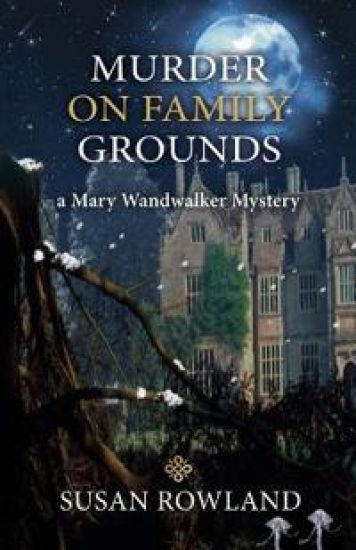
Former Archivist Mary Wandwalker hates bringing bad news. Nevertheless, she confirms to her alma mater that their prized medieval alchemy scroll, is, in fact, a seventeenth century copy. She learns that the original vanished to colonial Connecticut with alchemist, Robert Le More. Later the genuine scroll surfaces in Los Angeles. Given that the authentic artifact is needed for her Oxford college to survive, retrieving it is essential. Mary agrees to get the real scroll back as part of a commission for her three-person Enquiry Agency. However, tragedy strikes in Los Angeles. Before Mary can legally obtain the scroll, a young man is murdered, and the treasure stolen. Murder and theft are complicated by the disappearance in the UK of a witch mysteriously connected to the scroll. While Mary's colleague, Caroline, risks her sanity to go undercover in a dodgy mental hospital, her lover, Anna resorts to desperate measures. These, and Anna's silence over blackmail, threaten the survival of the Agency. Mary teams up with the victim's brother to track the killer, and the real alchemy scroll. Solving crimes on two continents will involve a rogue pharmaceutical corporation, Janet the witch, the Holywell Retreat Center near Oxford, plus the trafficked women they support, a graduate school in California, and a life-threatening mountain-consuming wildfire. Can these inexperienced detectives triumph over corrupt professors and racist attempts to rewrite history? Can they remake their fragile family? Will the extraordinary story of Robert Le More prove a source of hope for today?
Jungian Arts-Based Research and "The Nuclear Enchantment of New Mexico"
Susan Rowland; Joel Weishaus
Routledge
2020
nidottu
Jungian Arts-Based Research and "The Nuclear Enchantment of New Mexico" provides clear, accessible and in-depth guidance both for arts-based researchers using Jung’s ideas and for Jungian scholars undertaking arts-based research. The book provides a central extended example which applies the techniques described to the full text of Joel Weishaus’ prose poem The Nuclear Enchantment of New Mexico, published here for the first time. Designed as a "how-to" book, Jungian Arts-Based Research and "The Nuclear Enchantment of New Mexico" explores how Jung contributes to the new arts-based paradigm in psychic functions such as intuition, by providing an epistemology of symbols that includes the unconscious, and research strategies such as active imagination. Rowland examines Jung’s The Red Book as an early example of Jungian arts-based research and demonstrates how this practice challenges the convention of the detached researcher by providing holistic knowing. Arts-based researchers will find here a psychic dimension that also manifests in transdisciplinarity, while those familiar with Jung’s work will find in arts-based research ways to foster diversity for a decolonized academy. This unique project will be essential reading for Jungian and post-Jungian academics and scholars, arts-based researchers of all backgrounds and readers interested in transdisciplinarity.
Jungian Arts-Based Research and "The Nuclear Enchantment of New Mexico"
Susan Rowland; Joel Weishaus
Routledge
2020
sidottu
Jungian Arts-Based Research and "The Nuclear Enchantment of New Mexico" provides clear, accessible and in-depth guidance both for arts-based researchers using Jung’s ideas and for Jungian scholars undertaking arts-based research. The book provides a central extended example which applies the techniques described to the full text of Joel Weishaus’ prose poem The Nuclear Enchantment of New Mexico, published here for the first time. Designed as a "how-to" book, Jungian Arts-Based Research and "The Nuclear Enchantment of New Mexico" explores how Jung contributes to the new arts-based paradigm in psychic functions such as intuition, by providing an epistemology of symbols that includes the unconscious, and research strategies such as active imagination. Rowland examines Jung’s The Red Book as an early example of Jungian arts-based research and demonstrates how this practice challenges the convention of the detached researcher by providing holistic knowing. Arts-based researchers will find here a psychic dimension that also manifests in transdisciplinarity, while those familiar with Jung’s work will find in arts-based research ways to foster diversity for a decolonized academy. This unique project will be essential reading for Jungian and post-Jungian academics and scholars, arts-based researchers of all backgrounds and readers interested in transdisciplinarity.
Rowland presents a detailed exploration of how the archetypes of ancient goddesses Hestia, Artemis, Athena and Aphrodite breathe into and shape female-authored detective fiction. Representing aspects of characterisation not bound by gender, the book examines how these archetypes emerge in themes like the home and hearth, hunting, survival and desire. Rowland assesses numerous examples from a range of works, providing a clear illustration of each archetype and illuminating aspects of femininity, psyche and being. This uniquely interdisciplinary work of literary analysis sheds light on the popularity and underlying mystique of the genre.
Rowland presents a detailed exploration of how the archetypes of ancient goddesses Hestia, Artemis, Athena and Aphrodite breathe into and shape female-authored detective fiction. Representing aspects of characterisation not bound by gender, the book examines how these archetypes emerge in themes like the home and hearth, hunting, survival and desire. Rowland assesses numerous examples from a range of works, providing a clear illustration of each archetype and illuminating aspects of femininity, psyche and being. This uniquely interdisciplinary work of literary analysis sheds light on the popularity and underlying mystique of the genre.
This book demonstrates for the first time the significance of Jung’s work to the humanities, and to those areas where the humanities and sciences share borders. More radically, it shows that Jung was a writer of myth, alchemy, narrative, and poetics, as well as on them. Jung’s core concepts are introduced, their ongoing relevance is championed. The book also addresses Jung’s sometimes questionable judgment on politics and gender, and previews contemporary extensions of Jungian theory. By privileging the creative psyche and exploring the connections between individual, natural environment, and social/psychological collective, Jung anticipates the new holism, offering the promise of reconciling the sciences with the arts, humanity with nature.
This book demonstrates for the first time the significance of Jung’s work to the humanities, and to those areas where the humanities and sciences share borders. More radically, it shows that Jung was a writer of myth, alchemy, narrative, and poetics, as well as on them. Jung’s core concepts are introduced, their ongoing relevance is championed. The book also addresses Jung’s sometimes questionable judgment on politics and gender, and previews contemporary extensions of Jungian theory. By privileging the creative psyche and exploring the connections between individual, natural environment, and social/psychological collective, Jung anticipates the new holism, offering the promise of reconciling the sciences with the arts, humanity with nature.
In Jungian Literary Criticism: the essential guide, Susan Rowland demonstrates how ideas such as archetypes, the anima and animus, the unconscious and synchronicity can be applied to the analysis of literature. Jung’s emphasis on creativity was central to his own work, and here Rowland illustrates how his concepts can be applied to novels, poetry, myth and epic, allowing a reader to see their personal, psychological and historical contribution. This multidisciplinary and transdisciplinary approach challenges the notion that Jungian ideas cannot be applied to literary studies, exploring Jungian themes in canonical texts by authors including Shakespeare, Jane Austen and W. B. Yeats as well as works by twenty-first century writers, such as in digital literary art. Rowland argues that Jung’s works encapsulate realities beyond narrow definitions of what a single academic discipline ought to do, and through using case studies alongside Jung’s work she demonstrates how both disciplines find a home in one another. Interweaving Jungian analysis with literature, Jungian Literary Criticism explores concepts from the shadow to contemporary issues of ecocriticism and climate change in relation to literary works, and emphasises the importance of a reciprocal relationship. Each chapter concludes with key definitions, themes and further reading, and the book encourages the reader to examine how worldviews change when disciplines combine. The accessible approach of Jungian Literary Criticism: the essential guide will appeal to academics and students of literary studies, Jungian and post-Jungian studies, literary theory, environmental humanities and ecocentrism. It will also be of interest to Jungian analysts and therapists in training and in practice.
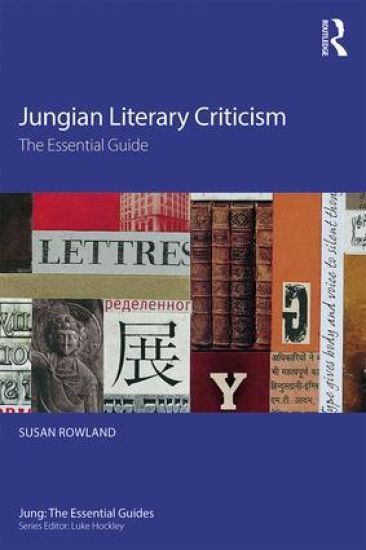
In Jungian Literary Criticism: the essential guide, Susan Rowland demonstrates how ideas such as archetypes, the anima and animus, the unconscious and synchronicity can be applied to the analysis of literature. Jung’s emphasis on creativity was central to his own work, and here Rowland illustrates how his concepts can be applied to novels, poetry, myth and epic, allowing a reader to see their personal, psychological and historical contribution. This multidisciplinary and transdisciplinary approach challenges the notion that Jungian ideas cannot be applied to literary studies, exploring Jungian themes in canonical texts by authors including Shakespeare, Jane Austen and W. B. Yeats as well as works by twenty-first century writers, such as in digital literary art. Rowland argues that Jung’s works encapsulate realities beyond narrow definitions of what a single academic discipline ought to do, and through using case studies alongside Jung’s work she demonstrates how both disciplines find a home in one another. Interweaving Jungian analysis with literature, Jungian Literary Criticism explores concepts from the shadow to contemporary issues of ecocriticism and climate change in relation to literary works, and emphasises the importance of a reciprocal relationship. Each chapter concludes with key definitions, themes and further reading, and the book encourages the reader to examine how worldviews change when disciplines combine. The accessible approach of Jungian Literary Criticism: the essential guide will appeal to academics and students of literary studies, Jungian and post-Jungian studies, literary theory, environmental humanities and ecocentrism. It will also be of interest to Jungian analysts and therapists in training and in practice.
Dionysus, god of dismemberment and sponsor of the lost or abandoned feminine, originates both Jungian psychology and literature in Remembering Dionysus. Characterized by spontaneity, fluid boundaries, sexuality, embodiment, wild nature, ecstasy and chaos, Dionysus is invoked in the writing of C. G. Jung and James Hillman as the dual necessity to adopt and dismiss literature for their archetypal vision of the psyche or soul. Susan Rowland describes an emerging paradigm for the twenty-first century enacting the myth of a god torn apart to be re-membered, and remembered as reborn in a great renewal of life. Rowland demonstrates how persons, forms of knowing and even eras that dismiss Dionysus are torn apart, and explores how Jung was Dionysian in providing his most dismembered text, The Red Book. Remembering Dionysus pursues the rough god into the Sublime in the destruction of meaning in Jung and Jacques Lacan, to a re-membering of sublime feminine creativity that offers zoe, or rebirth participating in an archetype of instinctual life. This god demands to be honoured inside our knowing and being, just as he (re)joins us to wild nature. This revealing book will be invigorating reading for Jungian analysts, psychotherapists, arts therapists and counsellors, as well as academics and students of analytical psychology, depth psychology, Jungian and post-Jungian studies, literary studies and ecological humanities.
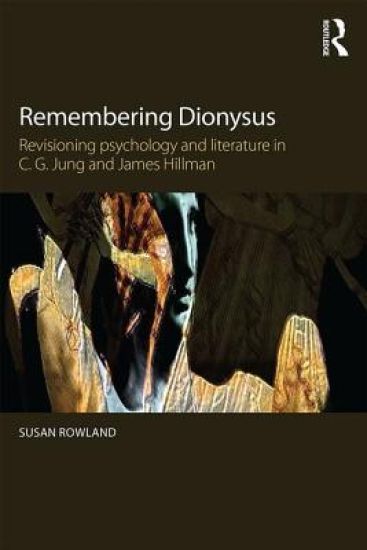
Dionysus, god of dismemberment and sponsor of the lost or abandoned feminine, originates both Jungian psychology and literature in Remembering Dionysus. Characterized by spontaneity, fluid boundaries, sexuality, embodiment, wild nature, ecstasy and chaos, Dionysus is invoked in the writing of C. G. Jung and James Hillman as the dual necessity to adopt and dismiss literature for their archetypal vision of the psyche or soul. Susan Rowland describes an emerging paradigm for the twenty-first century enacting the myth of a god torn apart to be re-membered, and remembered as reborn in a great renewal of life. Rowland demonstrates how persons, forms of knowing and even eras that dismiss Dionysus are torn apart, and explores how Jung was Dionysian in providing his most dismembered text, The Red Book. Remembering Dionysus pursues the rough god into the Sublime in the destruction of meaning in Jung and Jacques Lacan, to a re-membering of sublime feminine creativity that offers zoe, or rebirth participating in an archetype of instinctual life. This god demands to be honoured inside our knowing and being, just as he (re)joins us to wild nature. This revealing book will be invigorating reading for Jungian analysts, psychotherapists, arts therapists and counsellors, as well as academics and students of analytical psychology, depth psychology, Jungian and post-Jungian studies, literary studies and ecological humanities.
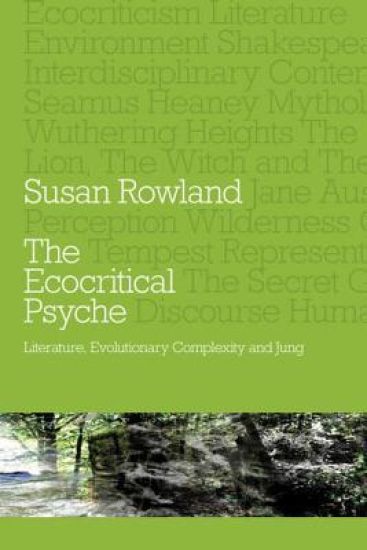
The Ecocritical Psyche unites literary studies, ecocriticism, Jungian ideas, mythology and complexity evolution theory for the first time, developing the aesthetic aspect of psychology and science as deeply as it explores evolution in Shakespeare and Jane Austen. In this book, Susan Rowland scrutinizes literature to understand how we came to treat 'nature' as separate from ourselves and encourages us to re-think what we call 'human.' By digging into symbolic, mythological and evolutionary fertility in texts such as The Secret Garden, The Tempest, Wuthering Heights and The Lion, the Witch and the Wardrobe, the book argues that literature is where the imagination, estranged from nature in modernity, is rooted in the non-human other. The Ecocritical Psyche is unique in its interdisciplinary expansion of literature, psyche, science and myth. It develops Jungian aesthetics to show how Jung's symbols correlate with natural signifying, providing analytical psychology with a natural home in ecocritical literary theory. The book is therefore essential reading for seasoned analysts and those in training as well as academics involved in literary studies and Jungian psychology.