Kirjojen hintavertailu – 12 903 735 kirjaa ja 27 kauppaa

Kirjailija

Terry S Trepper

Kirjat ja teokset yhdessä paikassa: 43 kirjaa, julkaisuja vuosilta 1986–2016, suosituimpiin kuuluu Developing Healthy Stepfamilies. Vertaile teosten hintoja ja tarkista saatavuus suomalaisista kirjakaupoista.

43 kirjaa

Kirjojen julkaisuvuodet: 1986–2016.

Psychotherapy Abbreviation

Psychotherapy Abbreviation

Terry S Trepper; Helena E Papay

Routledge
2016
nidottu
Psychotherapy Abbreviation is a field-tested approach designed to train both experienced and student mental health professionals to do brief therapy that is effective and highly satisfactory to clients. This book is unique in that it is the only text that is compatible with almost all approaches to treatment, making it suitable as a primer of brief therapy usable by virtually all psychotherapists. Most other brief therapy books are affiliated with a specific theory of psychopathology, making each limited to those who share the author's theoretical orientation. Pekarik wrote this text based on his own brief therapy training manual because he could not find a text suitable for the wide range of psychotherapy approaches represented by the therapists whom he trains in his research, teaching, and consulting work. By offering a unique approach derived from the “active ingredients” common to all forms of brief therapy and the literature on client treatment preferences, Psychotherapy Abbreviation simplifies the abbreviation process and makes it accessible to all therapists. Pekarik's strategies have been field-tested; he has used them to train hundreds of therapists who have demonstrated success with clients--increased client satisfaction, improved treatment effectiveness, and lowered dropout rates. These same therapists also doubled the proportion of cases they treated with brief therapy. This “how to do it” text is extremely practical. It assumes that the reader already has a theory and set of therapy techniques, true of even most graduate students. The emphasis is then placed on the treatment abbreviation process itself. Because of this highly focused approach, the text will, like the technique it describes, be concise and brief. By avoiding association with any particular school of therapy, Pekarik's approach is usable by all schools of therapy. Therapists and future therapists now in graduate school will benefit from Psychotherapy Abbreviation as it explores these topics:rationale for the abbreviation of psychotherapy practical and ethical issues to consider in client selection a conceptual model for treatment abbreviation rapid assessment and case conceptualization establishing a brief therapy focus goal establishment and negotiation adapting standard psychotherapy techniques to the brief format practice issues in brief therapyPsychotherapy Abbreviation is two-part. Part one is an orientation to this model of brief therapy in which Pekarik emphasizes a research-based rationale for doing brief therapy; presents a general theory of why brief treatments work; and provides guidelines for the identification of appropriate clients for brief therapy. The second part of the text is devoted to technical skills training. It begins with an overview of the techniques common to most schools of brief therapy and describes a “universal model” of brief therapy. Readers are then taken step-by-step through a description of the four most important abbreviation techniques, presented in the typical order of use with clients. To encourage readers to consistently apply the recommended techniques, Pekarik includes one particular training case which he describes in detail and uses it in all of the technical skills chapters in special “Case Application” sections of these chapters. Before describing the detailed applications, Pekarik prompts readers to consider how they would apply the abbreviating technique presented in that chapter to the case. With individual exercises, he gives special attention to how readers can adapt their personal therapy styles and theoretical orientations to brief therapy. As a result, readers develop both a rationale and abbreviation strategy compatible with their values and practical needs as therapists. The exercises are found in each chapter in special “exercise
Propagations

Propagations

Terry S Trepper

Routledge
2016
nidottu
Here is a work of profound clinical scope from some of the foremost leaders in psychology. Propagations: Thirty Years of Influence From the Mental Research Institute, written by alumni and disciples of the Institute (MRI), is not just a compliment to the MRI influence, but also a way for readers to discover and savor the important contributions of those influenced by the MRI. The book contains the cutting edge thinking of some of the most respected clinicians from across the globe. The authors describe their application of ideas pioneered at the MRI, demonstrating its broad influence on present day leaders of family and brief therapy. Chapters range from the theoretical to the case study, tied together by the theme of how this amazing institute has widely impacted therapeutic thought. The book clarifies the depth and power of the MRI influence, which extends to theory, all aspects of psychotherapy practice, other professions, and other lands. Propagations offers outstanding conceptualizations, teaching, writing, and clinical and non-clinical therapy ideas that are immediately useful to clinicians, academic researchers, students, and other individuals interested in how people change. The book’s introduction provides background information on MRI and includes a condensed transcript of a “trialog” which took place between Jules Riskin, Paul Watzlawick, and John Weakland conveying MRI’s origins, traditions, and ethos. Propagations then breaks into four sections. Influencing Fields of Interest and Viewpoints examines MRI influence beyond the specific field of psychotherapy. Influences on Clinical Work looks at MRI’s influence on professional groups and contains clinicians’reflections on how contact with MRI theory and practice has influenced their work. Changes in Venue shows utilization of MRI approaches across cultural and professional borders, while The Outer Reaches looks beyond the specifics of psychotherapy. This inviting book reflects a wide variety of approaches, styles, and subjects, and ranges from preliminary musings to formal reports. This diversity offers a useful example of how new ideas and related practices develop and diversify from a broad common core. Readers can discover how interactional principles are being implemented in different nations, practice settings, and theoretical applications. Family and brief therapists, counselors and counselor educators, and professionals in related fields will find Propagations a source of useful information, thoughtful recollection, and stimulation for future activities.
Introduction to Alternative and Complementary Therapies

Introduction to Alternative and Complementary Therapies

Terry S Trepper; Anne Strozier; Joyce E Carpenter; Lorna L Hecker

Routledge Member of the Taylor and Francis Group
2008
nidottu
Discover creative new ways to facilitate the therapeutic process Therapeutic modalities that psychotherapists usually rely on--such as psychodynamic, humanistic, systems, cognitive, narrative, analytic and solution focused--are all verbal interventions. Introduction to Complementary and Alternative Therapies presents a comprehensive overview of complementary and alternative therapeutic interventions that go beyond the standard verbal approaches. The therapies presented in this book--including mindfulness and meditation, spirituality, poetry therapy, art therapy, psychodrama, dance/movement therapy, music therapy, animal-assisted therapy, and touch therapy--provide the reader with creative non-traditional modalities that are effective in conjunction with traditional treatment, or as substitutes. They may enrich talk-therapy, especially when therapists and/or clients get stuck, or they may provide healing on their own. Introduction to Complementary and Alternative Therapies explains the basics about how these nontraditional therapies work and provides vivid examples for utilizing them in treatment. Each chapter is written by an expert in the field of expertise, and includes a description of the approach, research evidence about its effectiveness, guidelines on how to use the therapy in practice, and case examples. This excellent volume also provides practitioners with a wide range of resources, including Web sites, information on state and national organizations, accrediting board info, and more. Topics in Introduction to Complementary and Alternative Therapies include: the mind-body relationship ways to integrate spirituality in counseling the healing components of poetry research studies on art therapy different techniques available in Psychodrama using body movement as a means of expressing conflicts and desires how music therapy promotes positive changes in the client the healing aspects of animals and much more! Introduction to Complementary and Alternative Therapies is a horizon-expanding guide for therapists, social workers, psychologists, counselors, physicians, educators, and students.
Introduction to Alternative and Complementary Therapies

Introduction to Alternative and Complementary Therapies

Terry S Trepper; Anne Strozier; Joyce E Carpenter; Lorna L Hecker

Routledge Member of the Taylor and Francis Group
2008
sidottu
Discover creative new ways to facilitate the therapeutic process Therapeutic modalities that psychotherapists usually rely on--such as psychodynamic, humanistic, systems, cognitive, narrative, analytic and solution focused--are all verbal interventions. Introduction to Complementary and Alternative Therapies presents a comprehensive overview of complementary and alternative therapeutic interventions that go beyond the standard verbal approaches. The therapies presented in this book--including mindfulness and meditation, spirituality, poetry therapy, art therapy, psychodrama, dance/movement therapy, music therapy, animal-assisted therapy, and touch therapy--provide the reader with creative non-traditional modalities that are effective in conjunction with traditional treatment, or as substitutes. They may enrich talk-therapy, especially when therapists and/or clients get stuck, or they may provide healing on their own. Introduction to Complementary and Alternative Therapies explains the basics about how these nontraditional therapies work and provides vivid examples for utilizing them in treatment. Each chapter is written by an expert in the field of expertise, and includes a description of the approach, research evidence about its effectiveness, guidelines on how to use the therapy in practice, and case examples. This excellent volume also provides practitioners with a wide range of resources, including Web sites, information on state and national organizations, accrediting board info, and more. Topics in Introduction to Complementary and Alternative Therapies include: the mind-body relationship ways to integrate spirituality in counseling the healing components of poetry research studies on art therapy different techniques available in Psychodrama using body movement as a means of expressing conflicts and desires how music therapy promotes positive changes in the client the healing aspects of animals and much more! Introduction to Complementary and Alternative Therapies is a horizon-expanding guide for therapists, social workers, psychologists, counselors, physicians, educators, and students.
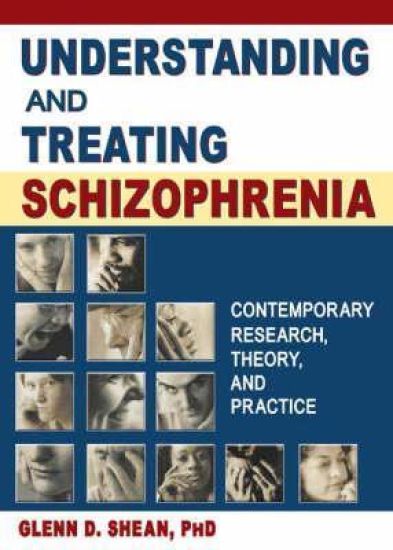
Understanding and Treating Schizophrenia

Understanding and Treating Schizophrenia

Terry S Trepper; Glenn D Shean

Routledge Member of the Taylor and Francis Group
2004
sidottu
Get a fair and balanced perspective on schizophrenia! Understanding and Treating Schizophrenia: Contemporary Research, Theory, and Practice is a comprehensive overview of schizophrenia and its treatment from a variety of approaches. The book presents a balanced look at the most influential theoretical perspectives based on empirical research, clinical descriptions, and narrative histories. Dr. Glenn Shean, author of Schizophrenia: An Introduction to Research and Theory, examines neurocognitive and neurodevelopmental models of brain dysfunction, psychodynamic and family factors, up-to-date pharmacological advances, and successful community programs for discharged patients suffering from this debilitating disorder. Understanding and Treating Schizophrenia: Contemporary Research, Theory, and Practice presents a comprehensive review of evidence concerning the epidemiology and course and outcome of schizophrenia based on theoretical groupings and levels of analysis. The book examines the evolution of diagnostic criteria and guidelines, as well as stress-vulnerability and diathesis-stress models, providing critical reviews of biological, genetic, cognitive-behavioral, and phenomenological, approach to understanding and treating schizophrenia. Topics addressed in Understanding and Treating Schizophrenia: Contemporary Research, Theory, and Practice include: the history of the concept of schizophrenia the writings of Emil Kraepelin and Eugene Bleuler changes in diagnostic guidelines in the last 50 years General System Theory Perspective diagnostic and statistical manuals Schneider's first rank symptoms and much more! Understanding and Treating Schizophrenia: Contemporary Research, Theory, and Practice is an essential resource for undergraduate and graduate students working in psychology, psychiatry, nursing, social work, and social policy.
Understanding and Treating Schizophrenia

Understanding and Treating Schizophrenia

Terry S Trepper; Glenn D Shean

Routledge Member of the Taylor and Francis Group
2004
nidottu
Get a fair and balanced perspective on schizophrenia! Understanding and Treating Schizophrenia: Contemporary Research, Theory, and Practice is a comprehensive overview of schizophrenia and its treatment from a variety of approaches. The book presents a balanced look at the most influential theoretical perspectives based on empirical research, clinical descriptions, and narrative histories. Dr. Glenn Shean, author of Schizophrenia: An Introduction to Research and Theory, examines neurocognitive and neurodevelopmental models of brain dysfunction, psychodynamic and family factors, up-to-date pharmacological advances, and successful community programs for discharged patients suffering from this debilitating disorder. Understanding and Treating Schizophrenia: Contemporary Research, Theory, and Practice presents a comprehensive review of evidence concerning the epidemiology and course and outcome of schizophrenia based on theoretical groupings and levels of analysis. The book examines the evolution of diagnostic criteria and guidelines, as well as stress-vulnerability and diathesis-stress models, providing critical reviews of biological, genetic, cognitive-behavioral, and phenomenological, approach to understanding and treating schizophrenia. Topics addressed in Understanding and Treating Schizophrenia: Contemporary Research, Theory, and Practice include: the history of the concept of schizophrenia the writings of Emil Kraepelin and Eugene Bleuler changes in diagnostic guidelines in the last 50 years General System Theory Perspective diagnostic and statistical manuals Schneider's first rank symptoms and much more! Understanding and Treating Schizophrenia: Contemporary Research, Theory, and Practice is an essential resource for undergraduate and graduate students working in psychology, psychiatry, nursing, social work, and social policy.
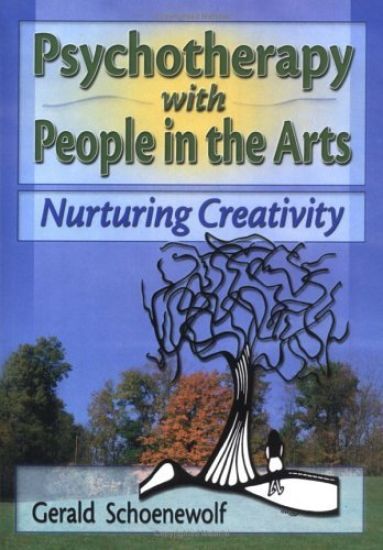
Psychotherapy with People in the Arts

Psychotherapy with People in the Arts

Terry S Trepper; Gerald Schoenewolf

Routledge Member of the Taylor and Francis Group
2002
sidottu
Learn to free creativity from the shackles of emotional conflicts! This riveting collection of case histories illustrates the dark interplay of neurosis and creativity. Psychotherapy with People in the Arts explores the struggles of writers, painters, actors, and composers to reconcile their overwhelming need to create and the self-doubts, frustrations, and neuroses that block their potential. In addition to ten inspiring tales of healing and self-knowledge, Psychotherapy with People in the Arts provides a solid introduction to the primary issues related to emotional disorders and creativity. It begins with a study of the notoriously reclusive and eccentric writer J. D. Salinger. Using both theory and case example, it shows how family history, present relations, and genetics can combine to impede the flow of an artist’s natural gifts-and how a good therapist can help unblock that creative power. It also includes a series of tests to diagnose blocked creativity. Psychotherapy with People in the Arts explores such compelling themes as: dealing with racism and internalized self-hatred the conflict between commercial and high art anger and blocked tears the drive for an impossible perfection emotional alienation and sexual acting outPsychotherapy with People in the Arts is a fascinating look at a complex and controversial subject. Though not everyone is a professional artist, every human being has creative potential that can be blocked by emotional disturbances. And every therapist, mental health educator, and artist will find rich sources of information and inspiration in this book. Visit the author's website at http://www.livingcenter.net
Psychotherapy with People in the Arts

Psychotherapy with People in the Arts

Terry S Trepper; Gerald Schoenewolf

Routledge Member of the Taylor and Francis Group
2002
nidottu
Learn to free creativity from the shackles of emotional conflicts! This riveting collection of case histories illustrates the dark interplay of neurosis and creativity. Psychotherapy with People in the Arts explores the struggles of writers, painters, actors, and composers to reconcile their overwhelming need to create and the self-doubts, frustrations, and neuroses that block their potential. In addition to ten inspiring tales of healing and self-knowledge, Psychotherapy with People in the Arts provides a solid introduction to the primary issues related to emotional disorders and creativity. It begins with a study of the notoriously reclusive and eccentric writer J. D. Salinger. Using both theory and case example, it shows how family history, present relations, and genetics can combine to impede the flow of an artist’s natural gifts-and how a good therapist can help unblock that creative power. It also includes a series of tests to diagnose blocked creativity. Psychotherapy with People in the Arts explores such compelling themes as: dealing with racism and internalized self-hatred the conflict between commercial and high art anger and blocked tears the drive for an impossible perfection emotional alienation and sexual acting outPsychotherapy with People in the Arts is a fascinating look at a complex and controversial subject. Though not everyone is a professional artist, every human being has creative potential that can be blocked by emotional disturbances. And every therapist, mental health educator, and artist will find rich sources of information and inspiration in this book. Visit the author's website at http://www.livingcenter.net
Family Solutions for Substance Abuse

Family Solutions for Substance Abuse

Eric E. McCollum; Terry S Trepper

Routledge Member of the Taylor and Francis Group
2001
sidottu
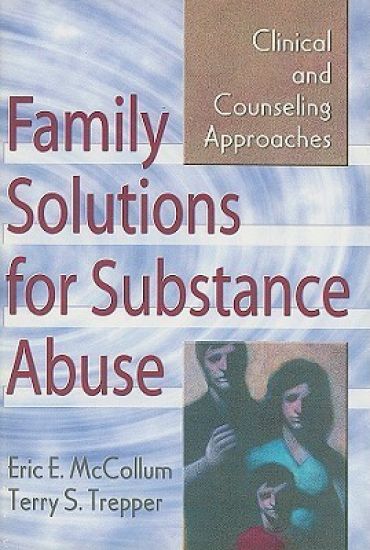
Use goal-oriented techniques for successful family therapy with substance abusers! Family therapy is an essential core competency for substance-abuse counselors, according to the Substance Abuse and Mental Health Services Administration. Family Solutions for Substance Abuse: Clinical and Counseling Approaches delivers the information and techniques you need to effectively treat addicts and their families. By understanding and changing the dynamics of the family system, you will be better able to guide your clients to adopt strategies and behaviors that sustain recovery and maintain healthy relationships. Family Solutions for Substance Abuse provides clear models of diagnosis and intervention for families, whether that means couples, teenagers and their parents, or Mom, Dad, and the kids. The theoretical background on family systems will help you understand the context of the client's addiction and the way it affects and is affected by other family members. Numerous case studies and figures bring the expert advice and theory into the practical realm so you can choose the best strategies for helping the shattered family heal. Family Solutions for Substance Abuse will teach you useful therapeutic skills and strategies, including: understanding interdependence joining with different family members negotiating goals and contracts dealing with family violence assessing motivation handling relapses ending treatmentTreating addictions is notoriously difficult for even the most skilled therapist working with the most motivated client. Using the techniques in Family Solutions for Substance Abuse offers you and your clients a better chance at success, because addicts whose families share their treatment are much more likely to stay in counseling and remain clean and sober.
Family Solutions for Substance Abuse

Family Solutions for Substance Abuse

Eric E. Mccollum; Terry S Trepper

Routledge Member of the Taylor and Francis Group
2001
nidottu
Use goal-oriented techniques for successful family therapy with substance abusers! Family therapy is an essential core competency for substance-abuse counselors, according to the Substance Abuse and Mental Health Services Administration. Family Solutions for Substance Abuse: Clinical and Counseling Approaches delivers the information and techniques you need to effectively treat addicts and their families. By understanding and changing the dynamics of the family system, you will be better able to guide your clients to adopt strategies and behaviors that sustain recovery and maintain healthy relationships. Family Solutions for Substance Abuse provides clear models of diagnosis and intervention for families, whether that means couples, teenagers and their parents, or Mom, Dad, and the kids. The theoretical background on family systems will help you understand the context of the client's addiction and the way it affects and is affected by other family members. Numerous case studies and figures bring the expert advice and theory into the practical realm so you can choose the best strategies for helping the shattered family heal. Family Solutions for Substance Abuse will teach you useful therapeutic skills and strategies, including: understanding interdependence joining with different family members negotiating goals and contracts dealing with family violence assessing motivation handling relapses ending treatmentTreating addictions is notoriously difficult for even the most skilled therapist working with the most motivated client. Using the techniques in Family Solutions for Substance Abuse offers you and your clients a better chance at success, because addicts whose families share their treatment are much more likely to stay in counseling and remain clean and sober.
Developmental-Systemic Family Therapy with Adolescents

Developmental-Systemic Family Therapy with Adolescents

Terry S Trepper; Ronald Jay Werner-Wilson

Routledge Member of the Taylor and Francis Group
2001
sidottu
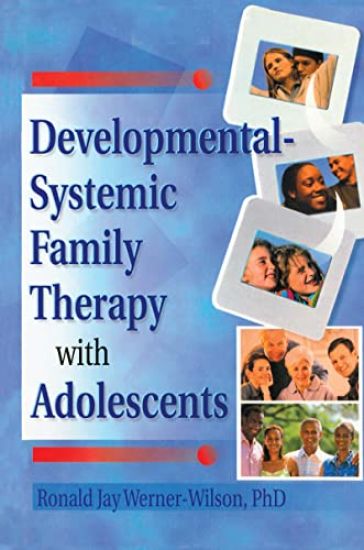
Learn to choose interventions based on the client's developmental stage! Teenagers are often a strain on families, and they can pose difficulties even in a family therapy setting. Developmental-Systemic Family Therapy with Adolescents integrates research and theory about adolescent development with different approaches to family therapy. By matching the adolescent client's developmental stage and particular issues with the most effective therapeutic approach, this book enables family therapists to tailor their treatment plan to meet each family's unique needs. Developmental-Systemic Family Therapy with Adolescents contains special chapters on such serious teen problems as suicide and alcohol/substance abuse, as well as thoughtful consideration of such normal issues of development as cognitive stages, identity development, and self-esteem. Interpersonal relationships are also considered, including parenting, peers, and attachment issues. This essential resource offers family therapists suggestions on how to make sessions more relevant to clients who engage in risky sexual behavior, abuse alcohol and drugs, or run away from home. Each chapter includes detailed, down-to-earth discussions of:case examples common presenting problems assessment and treatment issues therapy process dynamics suggestions for developmentally appropriate interventions Developmental-Systemic Family Therapy with Adolescents examines emotional and cognitive development in adolescents to help therapists improve communication and devise effective methods of treatment. Its well-balanced, pragmatic approach to therapy will help you properly assess your clients and offer them the services they need in a form they can accept.
Developmental-Systemic Family Therapy with Adolescents

Developmental-Systemic Family Therapy with Adolescents

Terry S Trepper; Ronald Jay Werner-Wilson

Routledge Member of the Taylor and Francis Group
2001
nidottu
Learn to choose interventions based on the client's developmental stage! Teenagers are often a strain on families, and they can pose difficulties even in a family therapy setting. Developmental-Systemic Family Therapy with Adolescents integrates research and theory about adolescent development with different approaches to family therapy. By matching the adolescent client's developmental stage and particular issues with the most effective therapeutic approach, this book enables family therapists to tailor their treatment plan to meet each family's unique needs. Developmental-Systemic Family Therapy with Adolescents contains special chapters on such serious teen problems as suicide and alcohol/substance abuse, as well as thoughtful consideration of such normal issues of development as cognitive stages, identity development, and self-esteem. Interpersonal relationships are also considered, including parenting, peers, and attachment issues. This essential resource offers family therapists suggestions on how to make sessions more relevant to clients who engage in risky sexual behavior, abuse alcohol and drugs, or run away from home. Each chapter includes detailed, down-to-earth discussions of:case examples common presenting problems assessment and treatment issues therapy process dynamics suggestions for developmentally appropriate interventions Developmental-Systemic Family Therapy with Adolescents examines emotional and cognitive development in adolescents to help therapists improve communication and devise effective methods of treatment. Its well-balanced, pragmatic approach to therapy will help you properly assess your clients and offer them the services they need in a form they can accept.
Chinese Americans and Their Immigrant Parents

Chinese Americans and Their Immigrant Parents

Terry S Trepper; May Tung

Routledge Member of the Taylor and Francis Group
2000
sidottu
Based on culture-related themes derived from the author's psychotherapeutic work with young Chinese-American professionals, this important book relates personal problems and conditions to specific sources in Chinese and American cultures and the immigration experience. Unique and practical, this is a nonclinical work that will help Asian Americans connect historical and cultural meanings to their Chinese roots. It will also give educators, mental health professionals, and those working with Chinese populations firsthand insight into the lives and identities of Chinese-American immigrants. Exploring the meaning and arrangement of Chinese family names, the bonds among family members, and the different contexts of “self” to Chinese Americans, this valuable book offers you insight into the dilemma between “self” and “family” that both the younger and older generations must face in American society. In order to help you understand Chinese immigrants or help your clients, Chinese Americans and Their Immigrant Parents provides you with information about several differences found between the two cultures, such as:understanding that words and concepts may not relate to the same emotions or translate exactly between languages realizing that strong family bonds of the Chinese fosters interdependence, unlike Americans who admire self-assertiveness and independence recognizing the fear that Chinese immigrant parents have of losing their strong family ties and seeing their children forsake customs because they do not want to be seen as “different” discovering why risk-taking and adventurous acts are discouraged by many Chinese parents comprehending the great importance to Chinese parents of continuing their family and raising successful children acknowledging the different roles of men and women within several different contexts in American and Chinese societiesWith personal vignettes, humor, and interesting insights, Chinese Americans and Their Immigrant Parents: Conflict, Identity, and Values demonstrates how some Chinese Americans are connecting historical and cultural meanings to their Chinese roots and bridging generational gaps between themselves and their parents to create a truly cross-cultural identity.
Chinese Americans and Their Immigrant Parents

Chinese Americans and Their Immigrant Parents

Terry S Trepper; May Tung

Routledge Member of the Taylor and Francis Group
2000
nidottu
Based on culture-related themes derived from the author's psychotherapeutic work with young Chinese-American professionals, this important book relates personal problems and conditions to specific sources in Chinese and American cultures and the immigration experience. Unique and practical, this is a nonclinical work that will help Asian Americans connect historical and cultural meanings to their Chinese roots. It will also give educators, mental health professionals, and those working with Chinese populations firsthand insight into the lives and identities of Chinese-American immigrants. Exploring the meaning and arrangement of Chinese family names, the bonds among family members, and the different contexts of “self” to Chinese Americans, this valuable book offers you insight into the dilemma between “self” and “family” that both the younger and older generations must face in American society. In order to help you understand Chinese immigrants or help your clients, Chinese Americans and Their Immigrant Parents provides you with information about several differences found between the two cultures, such as:understanding that words and concepts may not relate to the same emotions or translate exactly between languages realizing that strong family bonds of the Chinese fosters interdependence, unlike Americans who admire self-assertiveness and independence recognizing the fear that Chinese immigrant parents have of losing their strong family ties and seeing their children forsake customs because they do not want to be seen as “different” discovering why risk-taking and adventurous acts are discouraged by many Chinese parents comprehending the great importance to Chinese parents of continuing their family and raising successful children acknowledging the different roles of men and women within several different contexts in American and Chinese societiesWith personal vignettes, humor, and interesting insights, Chinese Americans and Their Immigrant Parents: Conflict, Identity, and Values demonstrates how some Chinese Americans are connecting historical and cultural meanings to their Chinese roots and bridging generational gaps between themselves and their parents to create a truly cross-cultural identity.
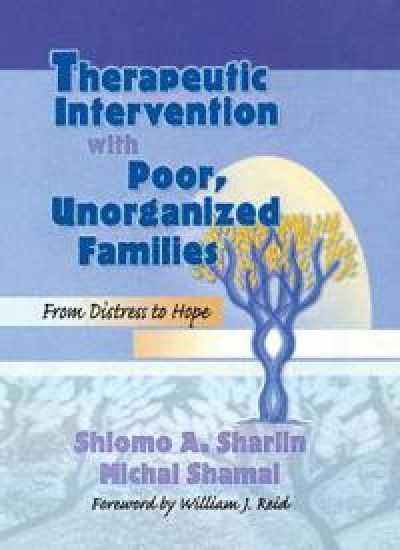
Therapeutic Intervention with Poor, Unorganized Families

Therapeutic Intervention with Poor, Unorganized Families

Terry S Trepper; Shlomo A Sharlin

Routledge Member of the Taylor and Francis Group
1999
sidottu
Therapeutic Intervention with Poor, Unorganized Families: From Distress to Hope offers you integrated theories, practice, and research to provide you with the tools to be more effective when dealing with families in crisis. Therapeutic Intervention with Poor, Unorganized Families explores the decline of families into extreme distress and helps you to determine the best intervention for that particular family, as no one single method can be prescribed for all families. Therapists as well as clients favor the joint-goal intervention you will discover through this book, which is carried out mostly in the family home where the therapist can delegate authority as a means of strengthening and preserving the family. Through Therapeutic Intervention with Poor, Unorganized Families, you will receive a plethora of ideas which consist of multiple intervention techniques and alternatives for intervention, including:learning to organize institutions in the community to participate in getting families in extreme distress out of their long and perpetual predicament teaching you how cooperation between various government organizations, public and private, can be solicited for the welfare of these families offering you an anthro-psycho-social model of intervention that you will find effective in your own practice examining case studies so you can see how the new model works in real-life settingsTherapeutic Intervention with Poor, Unorganized Families is unique because not only does it offer you help with supervision and training aspects, but because it also ends with a qualitative and quantitative research evaluation of this new model. Comprehensive and thorough, this book deals with the difficulties that may arise to interfere with the effectiveness of the intervention so you can learn from it and prevent further crisis. Therapeutic Intervention with Poor, Unorganized Families is a must for anyone working with families in crisis.
Therapeutic Intervention with Poor, Unorganized Families

Therapeutic Intervention with Poor, Unorganized Families

Terry S Trepper; Shlomo A Sharlin

Routledge Member of the Taylor and Francis Group
1999
nidottu
Therapeutic Intervention with Poor, Unorganized Families: From Distress to Hope offers you integrated theories, practice, and research to provide you with the tools to be more effective when dealing with families in crisis. Therapeutic Intervention with Poor, Unorganized Families explores the decline of families into extreme distress and helps you to determine the best intervention for that particular family, as no one single method can be prescribed for all families. Therapists as well as clients favor the joint-goal intervention you will discover through this book, which is carried out mostly in the family home where the therapist can delegate authority as a means of strengthening and preserving the family. Through Therapeutic Intervention with Poor, Unorganized Families, you will receive a plethora of ideas which consist of multiple intervention techniques and alternatives for intervention, including:learning to organize institutions in the community to participate in getting families in extreme distress out of their long and perpetual predicament teaching you how cooperation between various government organizations, public and private, can be solicited for the welfare of these families offering you an anthro-psycho-social model of intervention that you will find effective in your own practice examining case studies so you can see how the new model works in real-life settingsTherapeutic Intervention with Poor, Unorganized Families is unique because not only does it offer you help with supervision and training aspects, but because it also ends with a qualitative and quantitative research evaluation of this new model. Comprehensive and thorough, this book deals with the difficulties that may arise to interfere with the effectiveness of the intervention so you can learn from it and prevent further crisis. Therapeutic Intervention with Poor, Unorganized Families is a must for anyone working with families in crisis.
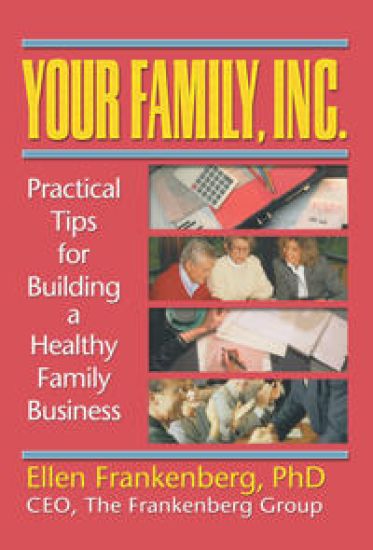
Your Family, Inc.

Your Family, Inc.

Terry S Trepper; Florence Kaslow; Ellen Frankenberg

Routledge Member of the Taylor and Francis Group
1999
sidottu
Did you know eighty-five percent of family firms do not survive the third generation? Your Family, Inc.: Practical Tips for Building a Healthy Family Business will help the busy entrepreneur lower this drastic failure rate by providing great tips and practical advice for creating a successful and pleasant environment when working in the family business. Containing unique and valuable hints for building a better business, this book uses specific examples designed for different situations. Filled with suggestions and proven advice, this important guide offers important ideas on deciding which family members should control stock, who should first work in another company to gain experience, and how to determine which individuals should make business decisions, and much more. Your Family, Inc. offers you specific steps to help avoid common problems and pitfalls with such insightful tips as:recognizing the dangers of a family triangle to avoid any problems before they become detrimental to the company realizing the difference between being asked to respond as a family member--parent, daughter, uncle, or son--and when the problem relates to business developing strategies to keep the family firm accountable by developing a group of advisors that may include the corporate attorney, accountant, or CEOs of noncompeting industries making business decisions for the right reasons, and building consensus in the family to support the decisions creating criteria for future leadership in advance by recognizing the direction the industry is taking, the needs of the company and the values of the familyFrom Your Family, Inc., you will discover how healthy families and healthy family firms develop practical decision-making processes which will endure for generations to come. This essential book provides you with practical information to help your family business improve family relations and to positively impact business now and for future generations.
Your Family, Inc.

Your Family, Inc.

Terry S Trepper; Florence Kaslow; Ellen Frankenberg

Routledge Member of the Taylor and Francis Group
1999
nidottu
Did you know eighty-five percent of family firms do not survive the third generation? Your Family, Inc.: Practical Tips for Building a Healthy Family Business will help the busy entrepreneur lower this drastic failure rate by providing great tips and practical advice for creating a successful and pleasant environment when working in the family business. Containing unique and valuable hints for building a better business, this book uses specific examples designed for different situations. Filled with suggestions and proven advice, this important guide offers important ideas on deciding which family members should control stock, who should first work in another company to gain experience, and how to determine which individuals should make business decisions, and much more. Your Family, Inc. offers you specific steps to help avoid common problems and pitfalls with such insightful tips as:recognizing the dangers of a family triangle to avoid any problems before they become detrimental to the company realizing the difference between being asked to respond as a family member--parent, daughter, uncle, or son--and when the problem relates to business developing strategies to keep the family firm accountable by developing a group of advisors that may include the corporate attorney, accountant, or CEOs of noncompeting industries making business decisions for the right reasons, and building consensus in the family to support the decisions creating criteria for future leadership in advance by recognizing the direction the industry is taking, the needs of the company and the values of the familyFrom Your Family, Inc., you will discover how healthy families and healthy family firms develop practical decision-making processes which will endure for generations to come. This essential book provides you with practical information to help your family business improve family relations and to positively impact business now and for future generations.
101 More Interventions in Family Therapy

101 More Interventions in Family Therapy

Thorana S Nelson; Terry S Trepper

Routledge Member of the Taylor and Francis Group
1998
sidottu
Inside 101 More Interventions in Family Therapy, you'll discover many revolutionary and flexible strategies for family counseling intervention that you can tailor, amend, and apply in your own practice. Designed to appeal to professionals of beginning, intermediate, or advanced level status, 101 More Interventions in Family Therapy caters to an even broader range of ethnic, racial, gender, and class contexts than did its well-received predecessor, 101 Interventions in Family Therapy. You'll also find that this volume encompasses a wider variety of family therapy orientations, including strategic, behavioral, family of origin, solution-focused, and narrative. In 101 More Interventions in Family Therapy, you'll have at your fingertips a collection of favorite, tried-and-true interventions compiled, revised, and delivered to you by the professionals who use them--the clinicians themselves. You'll gain valuable insight into:effective and useful assessment strategies therapy that addresses school and career problems questions to use in solution-focused therapy questions to use in narrative therapy ideas for resolving intergenerational issuesToo often, the in-the-trenches accounts you need to help add variety and a high success rate to your own practice come to you piecemeal in journals or newsletters. But in 101 More Interventions in Family Therapy, you'll find 101 handy, easy-to-read, and fun ways to modify your own therapeutic styles for a truly diverse variety of clientele and settings right where you want them--in one volume, in one place. Even after a few chapters, you'll discover 101 reasons to be happy with the prospect of improving your practice. Specifically, some of the interesting tips and techniques you'll read about include:applying theater techniques to family therapy using an alarm clock and rubber band as props in clinical practice with children, couples, and families utilizing the “play baby” intervention to coach parents on ways to address their child(ren)'s concerns adopting a “Columbo therapy” approach--one in which the therapist acts confused and asks questions out of a genuine curiosity about the client's experience--to take a one-down position with clients creating a safe space in therapy and helping clients transfer it into their lives using homework to increase the likelihood of producing desired therapeutic outcomes
101 More Interventions in Family Therapy

101 More Interventions in Family Therapy

Thorana S Nelson; Terry S Trepper

Routledge Member of the Taylor and Francis Group
1998
nidottu
Inside 101 More Interventions in Family Therapy, you'll discover many revolutionary and flexible strategies for family counseling intervention that you can tailor, amend, and apply in your own practice. Designed to appeal to professionals of beginning, intermediate, or advanced level status, 101 More Interventions in Family Therapy caters to an even broader range of ethnic, racial, gender, and class contexts than did its well-received predecessor, 101 Interventions in Family Therapy. You'll also find that this volume encompasses a wider variety of family therapy orientations, including strategic, behavioral, family of origin, solution-focused, and narrative. In 101 More Interventions in Family Therapy, you'll have at your fingertips a collection of favorite, tried-and-true interventions compiled, revised, and delivered to you by the professionals who use them--the clinicians themselves. You'll gain valuable insight into:effective and useful assessment strategies therapy that addresses school and career problems questions to use in solution-focused therapy questions to use in narrative therapy ideas for resolving intergenerational issuesToo often, the in-the-trenches accounts you need to help add variety and a high success rate to your own practice come to you piecemeal in journals or newsletters. But in 101 More Interventions in Family Therapy, you'll find 101 handy, easy-to-read, and fun ways to modify your own therapeutic styles for a truly diverse variety of clientele and settings right where you want them--in one volume, in one place. Even after a few chapters, you'll discover 101 reasons to be happy with the prospect of improving your practice. Specifically, some of the interesting tips and techniques you'll read about include:applying theater techniques to family therapy using an alarm clock and rubber band as props in clinical practice with children, couples, and families utilizing the “play baby” intervention to coach parents on ways to address their child(ren)'s concerns adopting a “Columbo therapy” approach--one in which the therapist acts confused and asks questions out of a genuine curiosity about the client's experience--to take a one-down position with clients creating a safe space in therapy and helping clients transfer it into their lives using homework to increase the likelihood of producing desired therapeutic outcomes