Kirjailija
Thomas Hylland Eriksen
Kirjat ja teokset yhdessä paikassa: 60 kirjaa, julkaisuja vuosilta 1998–2026, suosituimpiin kuuluu Klassiske og moderne antropologiske tænkere. Vertaile teosten hintoja ja tarkista saatavuus suomalaisista kirjakaupoista.
60 kirjaa
Kirjojen julkaisuvuodet: 1998–2026.
Dette er en ny, revidert utgave av den klassiske og populære innføringsboken som har vært det første møtet med sosialantropologien for tusenvis av studenter i mange land gjennom en årrekke. Denne velskrevne og engasjerende boken introduserer antropologiens sentrale begreper, de viktigste teoretiske debattene, temaområdene og noen av de sentrale feltene antropologer jobber innenfor. Den forklarer også den historiske konteksten for den antropologiske forskningen i vår tid - dens intellektuelle bakgrunn og grunnleggende teoretiske debatter. Ved å studere andre samfunn, lærer vi noe vesentlig ikke bare om andre menneskers verdener, men også om oss selv. I en viss forstand går det an å si at antropologer gjør det velkjente eksotisk og det eksotiske velkjent gjennom sammenligning og bruk av komparative begreper. Det viser seg nemlig at tilsynelatende like fenomener er ganske forskjellige hvis man ser etter, og at likheter kan komme til syne også når man studerer slående forskjellige uttrykk for den menneskelige tilværelse. Sosialantropologien stimulerer den intellektuelle fantasien. Den tilbyr både verktøy å tenke med og et svimlende mangfold av menneskelige væremåter å tenke på. Denne utgaven er fornyet på flere måter. Bortsett fra generelle oppdateringer og justeringer, er strukturen noe endret av pedagogiske grunner, og noen større temaer er kommet til. Nye kapitler omhandler klima, natur og medisinsk antropologi. Kulturell kompleksitet, identitetspolitikk og globalisering har dessuten fått en mer fremtredende plass, og det samme gjelder digitalisering, som nå påvirker praktisk talt alle samfunn i verden.

Kulturforskjeller i praksis handler om de muligheter og utfordringer et fleretnisk samfunn gir. Tilsynelatende greie begreper som kultur, etnisitet, nasjon, minoritet og identitet viser seg å være kompliserte når man skraper litt i dem, og forfatternes budskap er at det er nødvendig å problematisere begrepene vi tenker med, for å unngå fordommer og vanetenking. I bokens første del gis en innføring i kulturforståelse. Begrepene etnisitet, nasjonalisme og identitetspolitikk står sentralt. I bokens andre del er det den faktiske fleretniske og flerkulturelle situasjonen i Norge i dag som er tema. Egne kapitler er viet temaer som mat, kropp og helse, sykdom, ekteskap, familie og forholdet til myndighetene. Denne boken har gjennom mange år og utgaver gitt studenter og praktikere kunnskap om grunnleggende spørsmål som gjelder kulturforskjeller i praksis. Forfatternes omfattende forskning på feltet bidrar dessuten til å konkretisere aspekter ved kulturkontakt i skolen, helsevesenet og andre offentlige instanser. Denne 7. utgaven er gjennomrevidert og oppdatert. Se innholdsfortegnelse:
Smarttelefoner, klima, innvandring, internett, lykke, overflod, globalisering – dette er bare noen av temaene sosialantropolog Thomas Hylland Eriksen har debattert i norsk offentlighet de siste 30 årene. I Gå inn i din tid samtaler han med sin tidligere student, idéhistoriker Dag Herbjørnsrud. De drøfter vår tids brennbare spørsmål på fem ulike steder som har betydd mye for Hylland Eriksen, før blikket vendes mot 2020-tallet. Her får vi avslørende detaljer fra innsiden av den anarkistiske «Gateavisa»-redaksjonen. Og nye perspektiver på 22. juli, Facebook, olje, mangfold, rasisme og Oddvar Brå. Før samtalene vender seg mot Kina, klima og kunstig intelligens (AI). Samtalene utvikler seg i takt med vår omskiftelige samtid og synliggjør en rød tråd i akademikeren og forfatterens mangfoldige liv og virke. Thomas Hylland Eriksen gikk bort i 2024.«Den jobben Herbjørnsrud gjør, er faktisk meget respektabel. Hans største bragd er å få Eriksen til å sitte stille og tenke ferdig. [...] takk for møtet med lynraske glimt av noe som ligner nye sannheter - om verden som system og om lovene for menneskenes liv og samliv. Det er blitt en bok eller et billedalbum om det postmoderne Norges fremmedhet - like mye en advarsel om hva som skjer om man går inn i sin tid uten feste i samlende sannheter, som en anbefaling om å gjøre akkurat det.» - Trond Berg Eriksen, Morgenbladet «Samtaleboka med Thomas Hylland Eriksen gir smakebiter fra en mildt sagt mangfoldig karriere. [...] Her er mye klokskap å hente gjennom tankesprang - og assosiative tankesprang - som knapt kjenner noen tematiske grenser.» - Tore Linné Eriksen, Klassekampen
Den som har begge beina på jorda står stille, (eller: Alveolene kommer!)
Tor Åge Bringsværd; Thomas Hylland Eriksen
Cappelen Damm
2019
sidottu
Den som har begge beina på jorda står stille representerer Bringsværds definitive gjennombrudd. Den er tankevekkende, samfunnkritisk og livsbejaende digressiv. Vi stifter bekjentskap med en rekke herlige figurer, fra hevnlystne pornoprodusenter til nervøse, men handlekraftige alkymister. Både denne romanen og bøkene som siden kom ut har – med sin humor og lune anarkisme – påvirket mange norske forfattere. Endelig er den ute igjen, til glede både for nye lesere og trofaste fans – nå med et kunnskapsrikt og entusiastisk etterord av Thomas Hylland Eriksen.«Den som har begge beina på jorda står stille,» sier Gud, og Billy Balantine begynner å gå. Slik åpner en av de morsomste og mest oppfinnsomme romanene i litteraturhistorien: fortellingen om frihetens muligheter og fantasiens nødvendighet. Alveolene, en anarkistisk gruppering grunnlagt av Carl Magnus Byzantroph, har som mål å skape et bedre samfunn. Men hva er bedre i denne sammenhengen? Og hvordan nå frem? Svaret kommer etter hvert som folkemengdene marsjerer mot Bray Hospital i London.
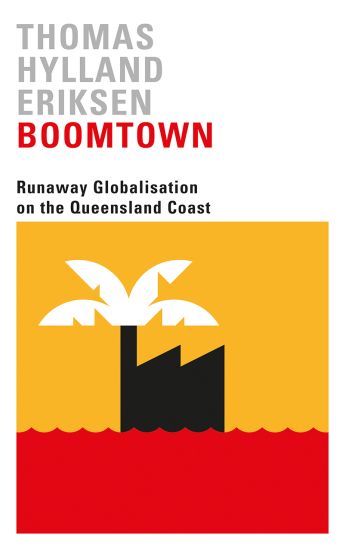
Sitting next to the Great Barrier Reef, marinated in coal and gas, the industrial boomtown of Gladstone, Australia embodies many of the contradictions of the 'overheated' world: prosperous yet polluted; growing and developing yet always on the precipice of uncertainty. Capturing Gladstone at the peak of its accelerated growth in 2013-14, Thomas Hylland Eriksen dissects the boomtown phenomenon in all its profound ambivalence. Based on ethnographic fieldwork, the book explores the tensions and resentments surrounding migrant workers, and examines local identity, family life, infrastructure and local services. Writ large in Boomtown are the clashes of scale at the heart of the town's contradictions - where the logic of big industry and the state compete with that of the individual, local communities and ecology, revealing the current crisis of political legitimacy across the world.
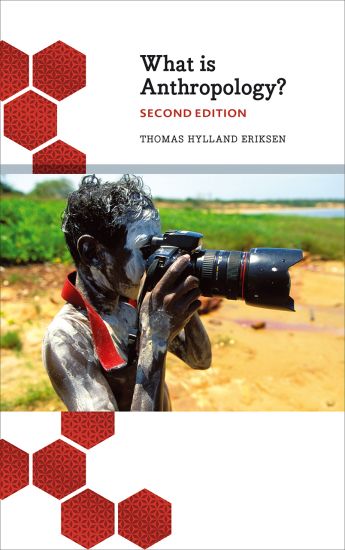
Leading anthropologist Thomas Hylland Eriksen shows how anthropology is a revolutionary way of thinking about the human world. Perfect for students, but also for those who have never encountered anthropology before, this book explores the key issues in an exciting and innovative way. Lucid and accessible, What is Anthropology? draws examples from current affairs as well as previous anthropological studies. He looks at the history of anthropology, its unique research methods and some of its central concepts, such as society, culture and translation. This second edition contains a new introduction, as well as updates throughout. New content includes discussions about Brexit, the rise of the populist Right in Europe, the anthropology of climate change and social media. What is Anthropology? shows in persuasive ways why anthropology is a fundamental intellectual discipline, perhaps more so in the 21st century than ever before.
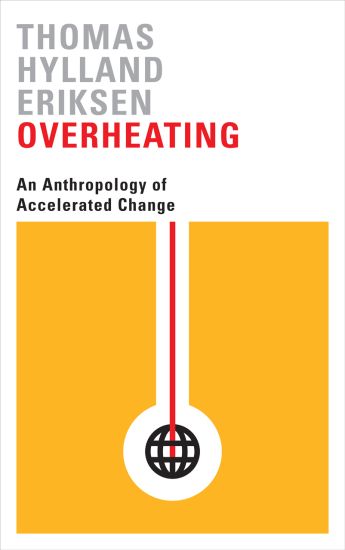
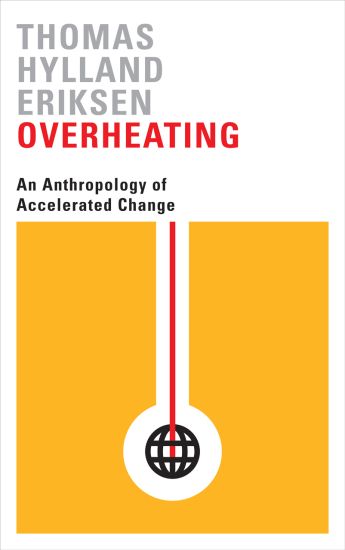
The world is overheated. Too full and too fast; uneven and unequal. It is the age of the Anthropocene, of humanity’s indelible mark upon the planet. In short, it is globalisation - but not as we know it. In this groundbreaking book, Thomas Hylland Eriksen breathes new life into the discussion around global modernity, bringing an anthropologist’s approach to bear on the three interrelated crises of environment, economy and identity. He argues that although these crises are global in scope, they are perceived and responded to locally, and that contradictions abound between the standardising forces of information-age global capitalism and the socially embedded nature of people and local practices. Carefully synthesising the ethnographic and comparative methods of anthropology with macrosocial and historical material, Overheating offers an innovative new perspective on issues including energy use, urbanisation, deprivation, human (im)mobility, and the spread of interconnected, wireless information technology.
Globalization; The Key Concepts
Thomas Hylland Eriksen
Berg Publishers
2014
nidottu
Halvin toimitettuna 40,40 €
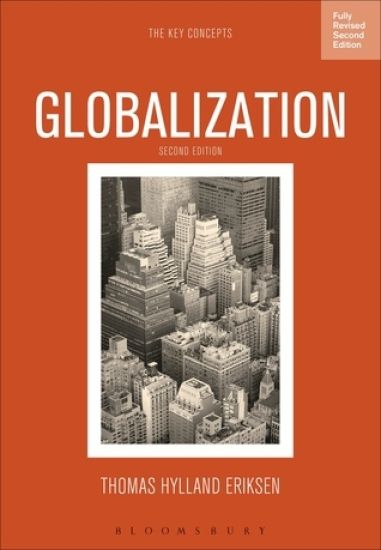
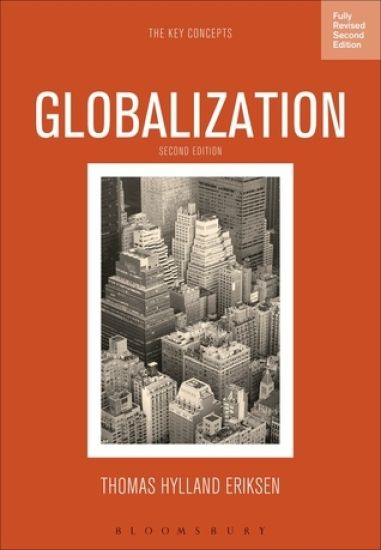
For the first time in human history, the vast majority of the world’s population is connected through trade, travel, production, media and politics. Ours is an era of ubiquitous mobile communication, economic outsourcing, mass migration and imported consumer goods. At the same time, people everywhere are concerned to keep their identities rooted and sense of place in the face of momentous change. This new edition of Thomas Hylland Eriksen’s concise and engaging landmark textbook outlines the main debates and controversies around globalization, and develops a unique perspective to show how globalization is an inherently double process, taking place both from above and below. Each chapter is supported by boxed case studies and bullet points summarizing the core information, suggestions for further reading, and essay and discussion questions, making this the ideal guide for both the classroom and independent study. Focusing on key concepts of globalization and drawing on international examples, this book is essential for anyone wishing to understand the fundamental processes underlying the contemporary world and the consequences these have for all of us.
This is a thoroughly updated and revised edition of a popular classic of modern anthropology. The authors provide summaries of 'Enlightenment', 'Romantic' and 'Victorian' anthropology, from the cultural theories of Morgan and Taylor to the often neglected contributions of German scholars. The ambiguous relationship between anthropology and national cultures is also considered. The book provides an unparalleled account of theoretical developments in anthropology from the 1920s to the present, including functionalism, structuralism, hermeneutics, neo-Marxism and discourse analysis. There are brief biographies of major anthropologists and coverage of key debates including totemism, kinship and globalisation. This essential text on anthropology is highly engaging, authoritative and suitable for students at all levels.
I vår tid har biologiske årsaksforklaringer av mennesket en sterk posisjon i offentligheten. Under det tynne laget av sivilisasjon er vi dyr, blir det sagt, og vi er dypest sett egoister. Denne boken nærmer seg spørsmålet om menneskets egoisme fra en rekke ulike synsvinkler. Biologen Dag O. Hessen går inn i biologiens verden, fra genetikken til økosystemene, og ser på forholdet mellom egoisme og samarbeid på de ulike nivåene. Sosialantropologen Thomas Hylland Eriksen tar leseren med på en rundreise i verdens kulturelle mangfold og spør om det finnes noen fellestrekk som tyder på at mennesket er den fødte egoist. Med stort engasjement formidles kunnskaper fra et bredt spekter av områder, og det fokuseres vel så mye på spørsmålene som på svarene.
Hvorfor blir Birkebeinerrennet fulltegnet i løpet av sekunder? Hvorfor kan ikke trærne i skogen nøye seg med å bli tre-fire meter høye? Disse spørsmålene - og mange andre - har ett svar: konkurranse. Til grunn for det meste ligger tilbud, etterspørsel og ressurskonkurranse. For å henge med i konkurransen må alle forbedre seg og bli deltakere i kappløpet - som skaper fremskritt eller "fremskritt". Prinsippet gjelder ikke bare i naturen, men også i markedene, idretten og sosiale relasjoner. Fra påfuglens hale til Wall Streets Gordon Gekko. Kappløpet har sine kostnader, ikke bare for de involverte, men for tredjeparter i tid og rom. Fenomenet konkurranse er fullt av tankevekkende paradokser. "På stedet løp" handler om livets drivkrefter generelt.
Europe and the People Without History
Eric R. Wolf; Thomas Hylland Eriksen
University of California Press
2010
pokkari
Offering insight and equal consideration into the societies of the "civilized" and "uncivilized" world, "Europe and the People Without History" deftly explores the historical trajectory of so-called modern globalization. In this foundational text about the development of the global political economy, Eric R. Wolf challenges the long-held anthropological notion that non-European cultures and people were isolated and static entities before the advent of European colonialism and imperialism. Ironically referred to as "the People Without History" by Wolf, these societies before active colonization possessed perpetually changing, reactionary cultures and were indeed just as intertwined into the processes of the pre-Columbian global economic system as their European counterparts. Utilizing Marxian concepts and a vivid consideration for the importance of history, Wolf judiciously traces the effects and conditions in Europe and the rest of the "known" world, beginning in 1400 AD, that allowed capitalism to emerge as the dominant ideology of the modern era.
Is ethnicity a result of cultural differences? Is ethnicity dependent on the practical use and belief in cultural differences? Drawing on a wide-range of classic and recent studies in anthropology and sociology, Thomas Hylland Eriksen examines the relationship between ethnicity, class, gender and nationhood. Using the question 'What is ethnicity?' as his starting point, Eriksen examines the interplay between ideology and ethnicity, how the Internet impacts understanding of ethnicity, identity politics, and the commercialisation of identity. Through this, he reveals that far from being an immutable property of groups, ethnicity is a dynamic and shifting aspect of social relationships. A core text for all students of social anthropology and related subjects, Ethnicity and Nationalism has been a leading introduction to the field since its original publication in 1993. This new edition - expanded and thoroughly revised - is indispensable to anyone seriously interested in understanding ethnic phenomena.
Vi lever i paradiset. Levealderen er høyere enn noen gang. Vi kan spise den maten vi vil, høre på musikk når vi vil, lese hva vi vil. Alle har minst én måned ferie i året. Likevel er vi ikke fornøyde. Studier tyder faktisk på at livskvaliteten har sunket siden 1950-årene. Overfloden har altså ikke gjort oss lykkelige. I denne boken kombinerer Thomas Hylland Eriksen vitenskapelige funn, historier fra skjønnlitteraturen og personlige anekdoter i et forsøk på å finne ut hva som gjør livet verdt å leve. Forfatteren utforsker blant annet loven om fallende grensenytte, hvordan vi sammenligner oss med våre naboer, hvorfor forventning varer lenger enn nytelse, og hvorfor det er så viktig å få lov til å gjøre noe vanskelig.