Kirjailija
Tom Burns
Kirjat ja teokset yhdessä paikassa: 22 kirjaa, julkaisuja vuosilta 1991–2026, suosituimpiin kuuluu The Gift of Holy Spirit. Vertaile teosten hintoja ja tarkista saatavuus suomalaisista kirjakaupoista.
22 kirjaa
Kirjojen julkaisuvuodet: 1991–2026.

Tervetuloa Pohjoismaiden suurimpaan verkkokirjakauppaan! Adlibris kannattaa sananvapautta, ja haluamme edistää kirjallisuuden ja tiedon saatavuutta.
"If you're looking to be that top student, this book is a must!" – five-star student review Packed with study tips, activities, templates and quotes from students, this is your essential guide to university, showing you step-by-step how to study effectively and make the best of your time at university. Whether you are going to university straight from school, as a mature, or as an overseas student studying in the UK for the first time, you'll find out how to: Sail through those tricky first weeks Get the most out of lectures by understanding how you learn Learn techniques for academic writing and research Effectively work with others in groups, seminars and workshopsWrite assignments and pass exams with flying colours Build your CV and plan your next steps after graduation. New to this edition is content on how to thrive at university, learn and research digitally, and how to develop your employability skills. Student Success is a series of essential guides for students of all levels. From how to think critically and write great essays to boosting your employability and managing your wellbeing, the Student Success series helps you study smarter and get the best from your time at university.
This book provides a critical survey of the literature on the Vietnam War and is intended both for academic and general readers. Earlier works of this kind constantly recycled criticism of a half-dozen of the same works. In this study, the aim was to discuss a much greater number of works, including a few that have never been discussed. To appeal to non-academic readers, Lit-Crit jargon was kept to a minimum, and parallels with earlier works of war literature, especially those of the two world wars, were established.
I only wish I had access to a book like this at the beginning of my law career. I can only imagine where I would be today. - Mauricio Rauld, Attorney and CEO of Premier Law GroupWhat would you do if you had the time and financial means to pursue your wildest dreams? Do you feel trapped or wish you had more control over your life? There is hope. If you ever wondered how to transform your current life into the one of your dreams, Why Doctors Don't Get Rich will show you the path. Discover the wonders of passive income and the freedom it provides. With foreword by Robert Kiyosaki, author of RICH DAD POOR DAD, this is a beginner's guide to true wealth and a level-set for those of you who are on your journey to financial independence. Written by an entrepreneur/doctor who has walked in your shoes and achieved financial freedom, Why Doctors Don't Get Rich is a self-help book on how to become rich in mind and body. You will learn: How to think like the richHow to make money work for youHow to use leverage to your advantageHow to protect your wealthHow to pay less taxesHow to avoid costly mistakesHow to control your timeHow to turn your salary into lifelong passive incomeWhat it really means to be richYou are never too busy to improve your lifeWith freedom, you have control of your time, which gives you control of your life. What will you do with your time? Will you become a "rich doctor" - one who is financially educated, enjoys freedom of choice, and lives life with purpose, passion and service? Why Doctors Don't Get Rich was written for you in hopes that it will help you create a life that gives you true joy and meaning.
Psychiatry is an endlessly controversial endeavour, incorporating emotively-charged questions over the reality of mental illness, the medicalization of everyday life, and the role of nature versus nurture which cause constant discussion today, and on which almost everyone has an opinion. In this Very Short Introduction Tom Burns explores the nature of psychiatry, focusing on what it can and cannot do, and discussing why its history has been beset by dramatic shifts in emphasis and types of treatment. Considering the main disorders that have shaped its practice (such as schizophrenia and manic depression), he analyses how it differs from (and overlaps with) psychology and psychotherapy. Many of the controversies arise from its dual origin 200 years ago and the separate development of psychiatry with a more 'medical' approach in the asylums, rather than the psychological approach which birthed psychoanalysis and various forms of psychotherapy. Discussing philosophical issues of psychiatry's legitimacy, Burns explores the mistakes psychiatry has made and the blind alleys in its history, before looking forward to the likely changes in its practice with the coming of artificial intelligence and virtual reality. ABOUT THE SERIES: The Very Short Introductions series from Oxford University Press contains hundreds of titles in almost every subject area. These pocket-sized books are the perfect way to get ahead in a new subject quickly. Our expert authors combine facts, analysis, perspective, new ideas, and enthusiasm to make interesting and challenging topics highly readable.
Shorter Oxford Textbook of Psychiatry
Paul Harrison; Philip Cowen; Tom Burns; Mina Fazel
Oxford University Press
2017
nidottu
Halvin toimitettuna 150,70 €
Widely recognized as the standard text for trainee psychiatrists, the Shorter Oxford Textbook of Psychiatry stands head and shoulders above the competition. The text has been honed over seven editions, displaying a fluency, authority, and insight rarely found in textbooks which makes the process of assimilating information effective and enjoyable. The book provides an introduction to all the clinical topics, sub-specialties, and major psychiatric conditions required by the trainee psychiatrist. Throughout, the authors emphasize the basic clinical skills required for full assessment and understanding of the patient. Discussion of treatment includes not only scientific evidence, but also practical problems in the management of patients in a family and social context. Full attention to ethical and legal issues is given within the evidence-based approach to practice provided in the text. Introductory chapters focus on recognition of signs and symptoms, classification and diagnosis, psychiatric assessment, and aetiology. Further chapters deal with all the major psychiatric syndromes, as well as providing detailed coverage of pharmacological and psychological treatments. The book gives equal prominence to ICD and DSM classifications - often with direct comparisons - making the book relevant to the practice of psychiatry throughout the world. Boasting greater use of summary boxes, tables, and lists within a new modern design, the Shorter Oxford Textbook of Psychiatry remains the most up-to-date secondary level textbook of psychiatry available. The extensive bibliography has been brought up-to-date and there are targeted reading lists for each chapter. The Shorter Oxford Textbook of Psychiatry fulfils all the study and revision needs of psychiatric trainees, but will also prove useful to medical students, GPs, qualified psychiatrists, and those in related fields who need to be kept informed with current psychiatric practice.
Outreach in the community is the treatment of choice for the severely mentally ill in the community. It involves taking services directly to patients rather than requiring them to attend clinics and hospitals. This approach is a significant addition to routine mental health care practice and addresses the needs of marginalized communities and those that struggle to attend appointments. Outreach in Community Mental Health Care: A Manual for Practitioners has been fully updated since the last edition, providing readers with an in-depth, practical guide to mental health care in the community setting today. It addresses the significant changes in mental health service organizations over the years, including the various new teams devised and the importance of central planning and targets. The authors Tom Burns and Mike Firn are pioneers in this field of research and are active in community outreach as practitioners, researchers, and supervisors. In 29 chapters they cover key discussions in conceptual issues, health and social care practice, management and development, which provides readers with an insight into the reality of community outreach work.
The Shaping of Socio-Economic Systems (RLE Social Theory)
Thomas Baumgartner; Tom Burns; Philippe DeVille
Routledge
2016
nidottu
Actor-systems dynamics is an innovative, multidisciplinary methodology for investigating and analyzing social struggles over economic resources and the related interplay between economic and socio-political institutions and processes. The authors, sociologists and economists, offer a systemic perspective on contemporary socio-economic issues such as economic crisis, unemployment, inflation, economic democracy and development; in their analyses, they identify several of the key factors that drive people to interact, to initiate change and transformation as well as to resist such change. Major underlying themes in the book are: Conflict over the distribution of economic resources and economic policies and institutions; the structural bases of economic inequality and conflict; the shaping and reshaping of socio-economic institutions, and the contradictions, conflicts and instabilities evoked by such developments; the failure of orthodox economic theories, including Keynesianism, in the face of recurrent economic crises and instabilities; the development and application of an open, dynamic actor-oriented systems theory – grounded in the social sciences – addressing complex socio-economic phenomena in ways diverging substantially from conventional economics. All in all, the papers collected here deal, on the one hand, with social power, conflict, and struggle concerning economic resources and institutions and, on the other hand, the structural and other factors which drive powering initiatives, conflict, and social innovation and transformation. The book is addressed to a broad spectrum of social and managerial scientists concerned with socio-economic issues, institutions, and development.
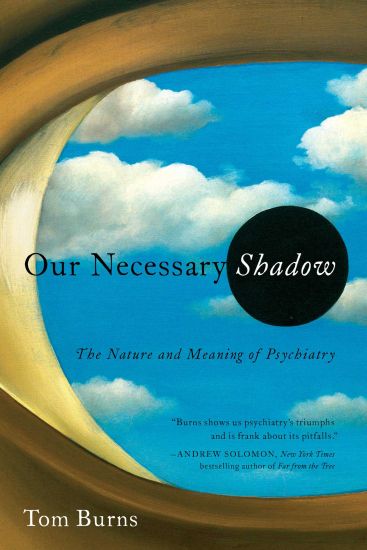
In what will be a tour de force in the field of psychiatry in all its complexity and depth, this important new volume explores the essential paradox of psychiatry and offers a balanced understanding of its history and development in the medical world. Much is written about psychiatry, but very little that describes psychiatry itself. Why should there be such a need? For good or ill, psychiatry is a polemical battleground, criticized on the one hand as an instrument of social control, while on the other the latest developments in neuroscience are trumpeted as lasting solutions to mental illness. Which of these strikingly contrasting positions should we believe? This is the first attempt in a generation to explain the whole subject of psychiatry. In this deeply thoughtful, descriptive, and sympathetic book, Tom Burns reviews the historical development of psychiatry, throughout alert to where psychiatry helps, and where it is imperfect. What is clear is that mental illnesses are intimately tied to what makes us human in the first place, and the drive to relieve the suffering they cause is even more human. Psychiatry, for all its flaws, currently represents our best attempt to discharge this most human of impulses. It is not something we can just ignore. It is our necessary shadow."
Psychotherapy and counselling are now widely available to help people overcome emotional and psychological difficulties in their lives. They involve spending time with a professional in an emotionally safe and structured relationship to explore and express the issues that cause distress and difficulty, whether long term self-doubts, relationship problems, or the impact of a trauma or crisis. As a society, we now take this focus on talking through and understanding our identity and relationships for granted, but it is hardly more than a century old. In this Very Short Introduction, Tom Burns and Eva Burns-Lundgren trace the development of psychotherapy from its origins in Freud's psychoanalysis to the range of different approaches - counselling, cognitive behaviour therapy, and other time-limited therapies, mindfulness, group and family therapies, and many more. Describing the processes central to them all and highlighting their differences, they demonstrate what problems each therapy are best suited for. They explain the principles behind the most commonly available types of psychotherapies and provide examples of what patients can expect when they seek such help. They conclude by examining the practice of psychotherapy - the types of training psychotherapists have, the safeguards that exist to keep practice reliable, and how one goes about choosing a psychotherapist. ABOUT THE SERIES: The Very Short Introductions series from Oxford University Press contains hundreds of titles in almost every subject area. These pocket-sized books are the perfect way to get ahead in a new subject quickly. Our expert authors combine facts, analysis, perspective, new ideas, and enthusiasm to make interesting and challenging topics highly readable.
The Shaping of Socio-Economic Systems (RLE Social Theory)
Thomas Baumgartner; Tom Burns; Philippe DeVille
Routledge
2014
sidottu
Actor-systems dynamics is an innovative, multidisciplinary methodology for investigating and analyzing social struggles over economic resources and the related interplay between economic and socio-political institutions and processes. The authors, sociologists and economists, offer a systemic perspective on contemporary socio-economic issues such as economic crisis, unemployment, inflation, economic democracy and development; in their analyses, they identify several of the key factors that drive people to interact, to initiate change and transformation as well as to resist such change. Major underlying themes in the book are: Conflict over the distribution of economic resources and economic policies and institutions; the structural bases of economic inequality and conflict; the shaping and reshaping of socio-economic institutions, and the contradictions, conflicts and instabilities evoked by such developments; the failure of orthodox economic theories, including Keynesianism, in the face of recurrent economic crises and instabilities; the development and application of an open, dynamic actor-oriented systems theory – grounded in the social sciences – addressing complex socio-economic phenomena in ways diverging substantially from conventional economics. All in all, the papers collected here deal, on the one hand, with social power, conflict, and struggle concerning economic resources and institutions and, on the other hand, the structural and other factors which drive powering initiatives, conflict, and social innovation and transformation. The book is addressed to a broad spectrum of social and managerial scientists concerned with socio-economic issues, institutions, and development.
In this deeply thoughtful, descriptive and sympathetic book, Tom Burns reviews the historical development of psychiatry. What he reveals is that mental illnesses are intimately tied to that which makes us human in the first place and have always followed us. The drive to relieve the suffering they cause is even more human. Psychiatry, for all its flaws, currently represents our best attempts to discharge this most human of impulses. It is not something we can just ignore or decide to leave. It is our necessary shadow.
Matt Dawson and Dmitri N. Shalin discuss Erving Manuel Goffman: Biographical Sources of Sociological Imagination on the New Books NetworkFew sociologists have commanded a larger readership than Erving Goffman. From his first book, The Presentation of Self In Everyday Life (1956), to his last, Forms of Talk (1981), his publications were eagerly awaited and his ideas widely discussed. In 1982 when he died at the age of 60, the response was that a figure of outstanding importance had left the stage of modern sociology. In this powerful study, Tom Burns provides a meticulous and incomparable examination of Erving Goffman's work. Burn's arranges Goffman's writings into a series of themes such as 'Social Order', 'Acting Out', normalisation', 'abnormalisation', 'grading and discrimination' and 'realms of being'. This is a useful device because it brings out the richness and diversity of Goffman's preoccupations. This richness and diversity is often lost in secondary accounts which insist on labelling Goffman as a 'micro-sociologist' or 'symbolic interactionist'. In a painstaking and accurate discussion Burns shows the meaning and application of Goffman's key concepts. He also guides the reader in the direct influences upon Goffman's thought. He shows more clearly than anyone else how Goffman was influenced by Durkheim, Simmel, the Chicago School, animal ethology and linguistic philosophy. The book ends with a crisp and incisive critical assessment of Goffman's sociology.
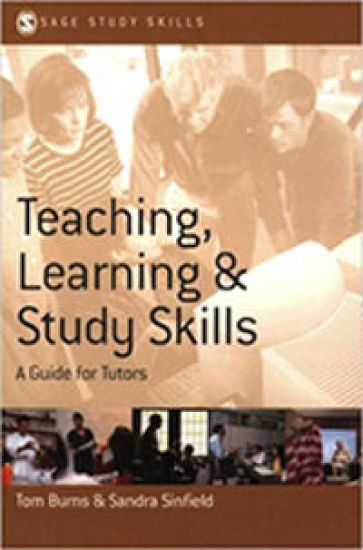
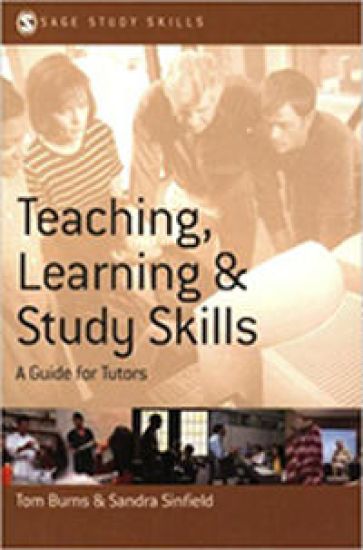
'This is an essential guide for anyone aspiring to teach in Higher Education in the UK. Not just because it is packed with practical tips and even lecture notes but crucially because it explains the nature of university teaching in the wake of the 'widening participation' agenda... In summary this book is well worth reading' - Educate Journal This is a book for tutors, lecturers and teachers in further and higher education, who need to teach their students how to study, learn and communicate effectively. Based around the same techniques and contents as Tom and Sandra's book Essential Study Skills, which is itself based on many years experience of teaching and mentoring students in higher education, this book is intended to work with traditional and non-traditional students. The material will be suitable for institutions concerned with widening participation; with student retention; with quality enhancement; with equal opportunities and with professional and staff development. SAGE Study Skills are essential study guides for students of all levels. From how to write great essays and succeeding at university, to writing your undergraduate dissertation and doing postgraduate research, SAGE Study Skills help you get the best from your time at university. Visit the SAGE Study Skills hub for tips, resources and videos on study success!
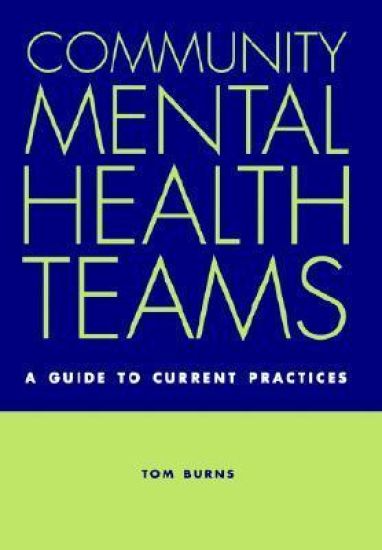
Community Mental Health Teams (CMHTs) have evolved over the last 30-40 years to serve patients with mental illnesses who would previously have been treated in large mental hospitals. They play a pivotal role in the provision of mental health care in the developed world. Consisting of nurses, doctors, social workers, and psychologists, the people within these teams work together to care for individuals with severe mental illnesses outside the hospital. Because CMHTs have evolved, rather than been developed, little has been written about how they should work - how the multidisciplinary members of the teams can work effectively together, who should do what within the team. This is the first book to provide practical advice for those working within these teams. It addresses the needs of the individual specialists within the CMHT, and provides clinical advice based on what has been seen to work. The book also looks at the recent development of 'functional' CMHTs - Assertive Outreach, Crisis resolution, and early intervention services, describing how these teams work, their similarities, and their differences. Written by a leading authority in this field, the book will become the standard text for all those specialists working within and close to community mental health teams.