Kirjojen hintavertailu – 12 859 818 kirjaa ja 27 kauppaa

Kirjailija

Umberto Eco

Kirjat ja teokset yhdessä paikassa: 163 kirjaa, julkaisuja vuosilta 1975–2026, suosituimpiin kuuluu Sylvie. Vertaile teosten hintoja ja tarkista saatavuus suomalaisista kirjakaupoista.

163 kirjaa

Kirjojen julkaisuvuodet: 1975–2026.

The Search for the Perfect Language

The Search for the Perfect Language

Umberto Eco

Blackwell Publishers
1995
sidottu
The idea that there once existed a language which perfectly and unambiguously expressed the essence of all possible things and concepts has occupied the minds of philosophers, theologians, mystics and others for at least two millennia. This is an investigation into the history of that idea and of its profound influence on European thought, culture and history. From the early Dark Ages to the Renaissance it was widely believed that the language spoken in the Garden of Eden was just such a language, and that all current languages were its decadent descendants from the catastrophe of the Fall and at Babel. The recovery of that language would, for theologians, express the nature of divinity, for cabbalists allow access to hidden knowledge and power, and for philosophers reveal the nature of truth. Versions of these ideas remained current in the Enlightenment, and have recently received fresh impetus in attempts to create a natural language for artificial intelligence. The story that Umberto Eco tells ranges widely from the writings of Augustine, Dante, Descartes and Rousseau, arcane treatises on cabbalism and magic, to the history of the study of language and its origins. He demonstrates the initimate relation between language and identity and describes, for example, how and why the Irish, English, Germans and Swedes - one of whom presented God talking in Swedish to Adam, who replied in Danish, while the serpent tempted Eve in French - have variously claimed their language as closest to the original. He also shows how the late eighteenth-century discovery of a proto-language (Indo-European) for the Aryan peoples was perverted to support notions of racial superiority. To this subtle exposition of a history of extraordinary complexity, Umberto Eco links the associated history of the manner in which the sounds of language and concepts have been written and symbolized. Lucidly and wittily written, the book is, in sum, a tour de force of scholarly detection and cultural interpretation, providing a series of original perspectives on two thousand years of European History. The paperback edition of this book is not available through Blackwell outside of North America.
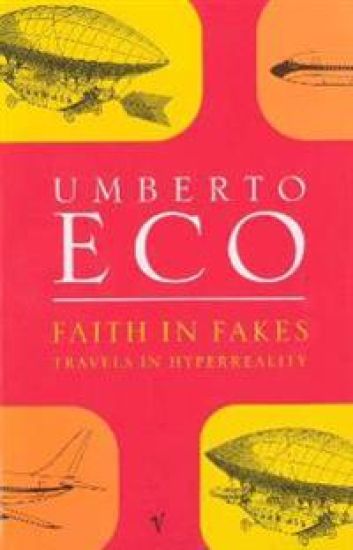
Faith in Fakes

Faith in Fakes

Umberto Eco

Vintage
1995
pokkari

Halvin toimitettuna 17,00 €

Holography, wax museums, the secret meaning of spectator sports, Superman and the intellectual effects of over-tight jeans are just a few of the subjects covered in this collection of witty, entertaining and thought-provoking delights from Umberto Eco, celebrated author of The Name of the Rose.
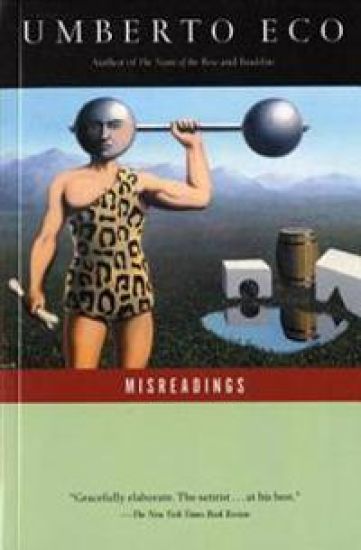
Misreadings

Misreadings

Umberto Eco

Harpervia
1993
nidottu
Parodies of literary and academic writers include a version of "Lolita" with an older woman, an inside account of heavenly bureaucracy, and the story of Columbus' landing as if done by television news
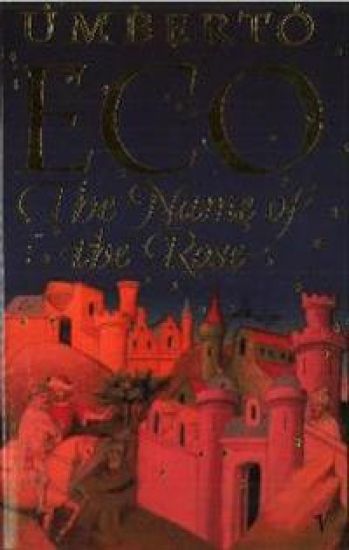
Name of the Rose

Name of the Rose

Umberto Eco

Vintage
1992
pokkari

Halvin toimitettuna 18,70 €

Franciscans in a wealthy Italian abbey are suspected of heresy, and Brother William of Baskerville arrives to investigate. When his delicate mission is suddenly overshadowed by seven bizarre deaths, Brother William turns detective.
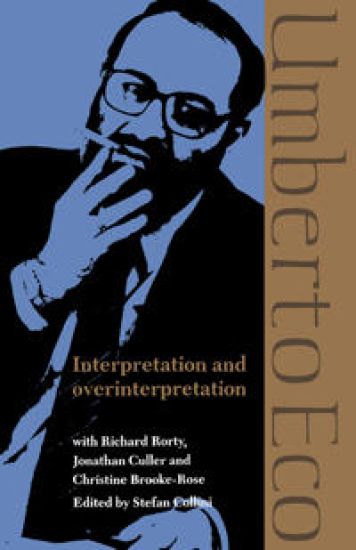
Interpretation and Overinterpretation

Interpretation and Overinterpretation

Umberto Eco

Cambridge University Press
1992
pokkari

Halvin toimitettuna 25,90 €

Umberto Eco, international bestselling novelist and leading literary theorist, here brings together these two roles in a provocative discussion of the vexed question of literary interpretation. The limits of interpretation - what a text can actually be said to mean - are of double interest to a semiotician whose own novels’ intriguing complexity has provoked his readers into intense speculation as to their meaning. Eco’s illuminating and frequently hilarious discussion ranges from Dante to The Name of the Rose, Foucault’s Pendulum to Chomsky and Derrida, and bears all the hallmarks of his inimitable personal style. Three of the world’s leading figures in philosophy, literary theory and criticism take up the challenge of entering into debate with Eco on the question of interpretation. Richard Rorty, Jonathan Culler and Christine Brooke-Rose each offer a distinctive perspective on this contentious topic, contributing to a unique exchange of ideas between some of the foremost and most exciting theorists in the field.
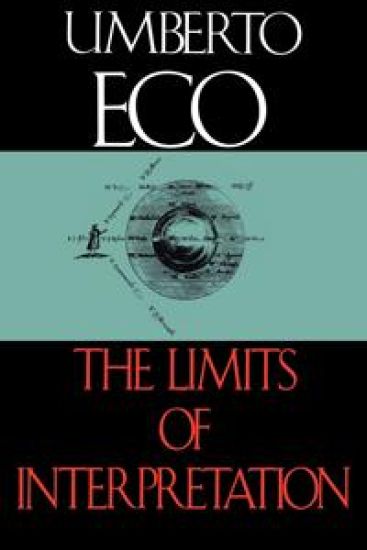
The Limits of Interpretation

The Limits of Interpretation

Umberto Eco

Indiana University Press
1991
pokkari
"Eco's essays read like letters from a friend, trying to share something he loves with someone he likes. . . . Read this brilliant, enjoyable, and possibly revolutionary book." —George J. Leonard, San Francisco Review of Books " . . . a wealth of insight and instruction." —J. O. Tate, National Review "If anyone can make [semiotics] clear, it's Professor Eco. . . . Professor Eco's theme deserves respect; language should be used to communicate more easily without literary border guards." —The New York Times "The limits of interpretation mark the limits of our world. Umberto Eco's new collection of essays touches deftly on such matters." —Times Literary Supplement "It is a careful and challenging collection of essays that broach topics rarely considered with any seriousness by literary theorists." —Diacritics Umberto Eco focuses here on what he once called "the cancer of uncontrolled interpretation"—that is, the belief that many interpreters have gone too far in their domination of texts, thereby destroying meaning and the basis for communication.
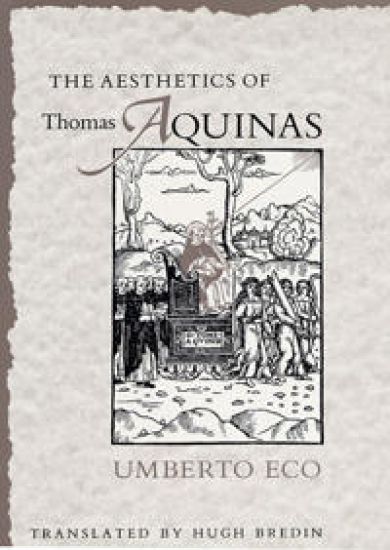
The Aesthetics of Thomas Aquinas

The Aesthetics of Thomas Aquinas

Umberto Eco

Harvard University Press
1988
nidottu
The well-known Italian semiotician and novelist Umberto Eco discloses for the first time to English-speaking readers the unsuspected richness, breadth, complexity, and originality of the aesthetic theories advanced by the influential medieval thinker Thomas Aquinas, heretofore known principally as a scholastic theologian. Inheriting his basic ideas and conceptions of art and beauty from the classical world, Aquinas transformed or modified these ideas in the light of Christian theology and of developments in metaphysics and optics during the thirteenth century. Setting the stage with an account of the vivid aesthetic and artistic sensibility that flourished in medieval times, Eco examines Aquinas's conception of transcendental beauty, his theory of aesthetic perception or visio, and his account of the three conditions of beauty--integrity, proportion, and clarity--that, centuries later, emerged again in the writings of the young James Joyce. He examines the concrete application of these theories in Aquinas's reflections on God, mankind, music, poetry, and scripture. He discusses Aquinas's views on art and compares his poetics with Dante's. In a final chapter added to the second Italian edition, Eco examines how Aquinas's aesthetics came to be absorbed and superseded in late medieval times and draws instructive parallels between Thomistic methodology and contemporary structuralism. As the only book-length treatment of Aquinas's aesthetics available in English, this volume should interest philosophers, medievalists, historians, critics, and anyone involved in poetics, aesthetics, or the history of ideas.
Semiotics and the Philosophy of Language

Semiotics and the Philosophy of Language

Umberto Eco

Indiana University Press
1986
pokkari

Halvin toimitettuna 31,30 €

"Eco wittily and enchantingly develops themes often touched on in his previous works, but he delves deeper into their complex nature . . . this collection can be read with pleasure by those unversed in semiotic theory." —Times Literary Supplement
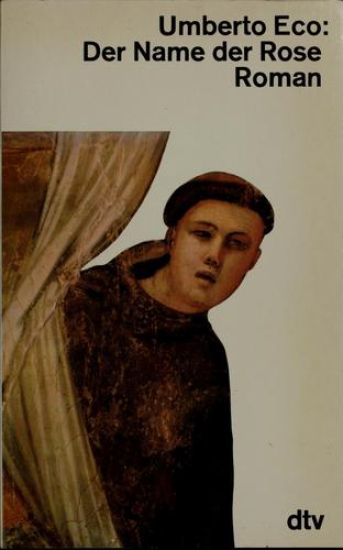
Der Name der Rose

Der Name der Rose

Umberto Eco

dtv Verlagsgesellschaft
1986
pokkari
Daß er in den Mauern der prächtigen Benediktinerabtei an den Hängen des Apennin das Echo eines verschollenen Lachens hören würde, das hell und klassisch herüberklingt aus der Antike, damit hat der englische Franziskanermönch William von Baskerville nicht gerechnet. Zusammen mit Adson von Melk, seinem etwas tumben, jugendlichen Adlatus, ist er in einer höchst delikaten politischen Mission unterwegs. Doch in den sieben Tagen ihres Aufenthalts werden die beiden mit kriminellen Ereignissen und drastischen Versuchungen konfrontiert: Ein Mönch ist im Schweineblutbottich ertrunken, ein anderer aus dem Fenster gesprungen, ein dritter wird tot im Badehaus gefunden. Aber nicht umsonst stand William lange Jahre im Dienste der heiligen Inquisition. Das Untersuchungsfieber packt ihn. Er sammelt Indizien, entziffert magische Zeichen, entschlüsselt Manuskripte und dringt immer tiefer in ein geheimnisvolles Labyrinth vor, über das der blinde Seher Jorge von Burgos wacht ...
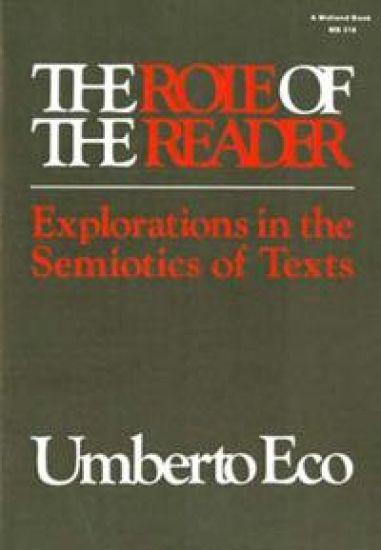
The Role of the Reader

The Role of the Reader

Umberto Eco

Indiana University Press
1979
pokkari
" . . . not merely interesting and novel, but also exceedingly provocative and heuristically fertile." —The Review of Metaphysics " . . . essential reading for anyone interesting in . . . the new reader-centered forms of criticism." —Library Journal In this erudite and imaginative book, Umberto Eco sets forth a dialectic between 'open' and 'closed' texts.