Kirjojen hintavertailu – 12 859 818 kirjaa ja 27 kauppaa

Kirjailija

Vladimir Nabokov

Kirjat ja teokset yhdessä paikassa: 212 kirjaa, julkaisuja vuosilta 1961–2026, suosituimpiin kuuluu Pale Fire. Vertaile teosten hintoja ja tarkista saatavuus suomalaisista kirjakaupoista.

212 kirjaa

Kirjojen julkaisuvuodet: 1961–2026.

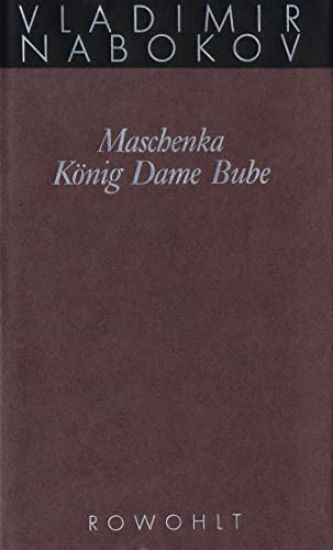
Gesammelte Werke 01. Frühe Romane 1. Maschenka. König Dame Bube
Der erste Band der frühen Romane Nabokovs enthält die 1925/26 geschriebene "Maschenka", Nabokovs Romandebut, und seinen 1928 beendeten zweiten Roman "König Dame Bube". Beide waren ursprünglich auf russisch geschrieben.
 In "Maschenka" sahen spätere Leser das Echo einer Jugendliebe Nabokovs, der "Tamara" aus "Erinnerung, sprich", aber seine ersten Berliner Leser begriffen den Roman nicht als autobiographisch, sondern als eine Beschreibung des Exils. In "König Dame Bube" haben die beiden Hauptfiguren kaum irgendeine Art von Erinnerung. Sie planen einen Mord und scheitern, weil sie nicht mehr fähig sind, das, was um sie herum geschieht, richtig zu deuten, und sich in die Zukunft verrennen.
The Enchanter

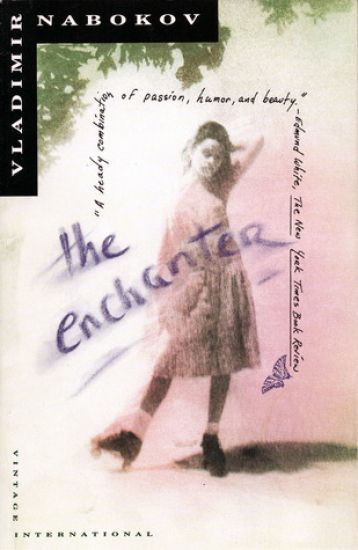
The Enchanter

Vladimir Nabokov

Knopf Doubleday Publishing Group
1991
nidottu
The precursor to Nabokov's classic novel, Lolita. - A middle-aged man weds an unattractive widow in order to indulge his obsession with her daughter. - "A gem to be appreciated by any admirer of the most graceful and provocative literary craftsman." --Chicago TribuneThe unnamed protagonist of the story is, outwardly, a respectable and comfortable man; inside, he churns at the pubescent femininity of certain girls. Rare girls - one in a thousand - whose coltish grace and subconscious flirtatiousness betray, to his obsessed mind, a very special bud on the moist verge of its bloom. Sitting on a park bench one day, he is tantalized by the fleeting form of just such a girl roller-skating on a gravel path. His desire to be near this beauty burns in him and drives him to begin a courtship of the child's pitiful mother - a course that can end only in the disintegration of his life. Over the years, the idea of The Enchanter grew; it changed; it developed "claws and wings." By 1953 it was ready to furnish the basic theme of Lolita." The Enchanter is entertaining independent of its Lolita connection. It is arch, delicious and beautifully written." --Publishers Weekly
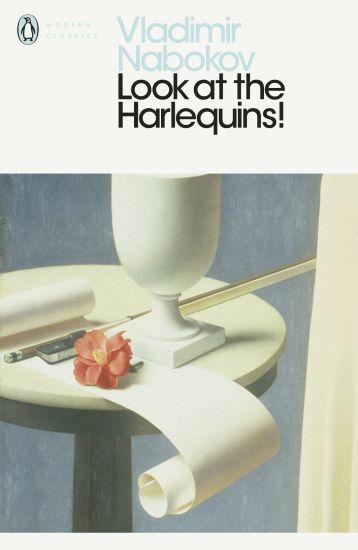
Look at the Harlequins!

Look at the Harlequins!

Vladimir Nabokov

Penguin Classics
1991
pokkari

Halvin toimitettuna 17,00 €

'He did us all an honour by electing to use, and transform, our language' Anthony Burgess'Look at the harlequins ... Play! Invent the world! Invent reality'. This is the childhood advice given by an aunt to Russian born writer Vadim Vadimovich, who emigrates to England, then Paris, then Germany and then the US, and, now dying, reconstructs his past. He remembers Iris his first wife, Annette his long-necked typist and Bel his daughter, as well as his own bizarre 'numerical nimbus syndrome'.
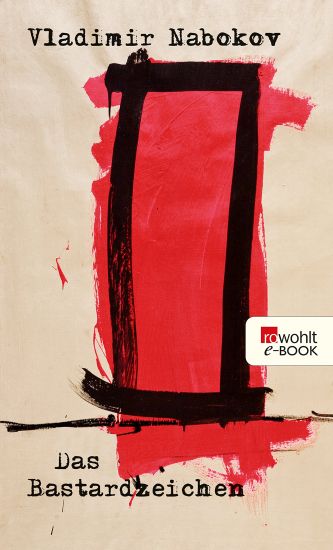
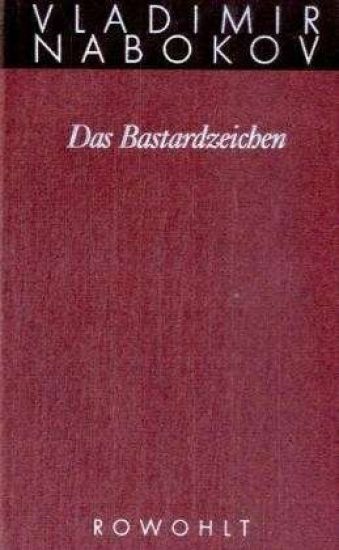
Gesammelte Werke 07. Das Bastardzeichen

Gesammelte Werke 07. Das Bastardzeichen

Vladimir Nabokov

Rowohlt Verlag GmbH
1990
sidottu
Vladimir Nabokov beschwört in seinem Roman "Das Bastardzeichen" eine alptraumhafte Welt. Eine blutige Revolution hat die "Kröte" an die Macht gebracht, wie der Volksmund den Diktator Paduk nennt, und mit ihm die "Partei des Durchschnittsmenschen", ein ebenso banales wie brutales Gelichter. Mit aller Präzision seines Stils zeigt Nabokov die totalitäre Welt als das, was sie ist: eine "bestialische Farce", ein Gemisch aus Lächerlichkeit und Grauen. Auch in diesem seinem düstersten Buch erweist sich Nabokov als ein Meister des Grotesken.
Gesammelte Werke 04. Einladung zur Enthauptung

Gesammelte Werke 04. Einladung zur Enthauptung

Vladimir Nabokov

Rowohlt Verlag GmbH
1990
sidottu
"Einladung zur Enthauptung" hat Nabokov 1934 in russischer Sprache in Berlin geschrieben. Der Roman erschien 1938 in Paris. Erst 1959 wurde er in englischer Sprache in New York publiziert, Anfang der sechziger Jahre lag das Buch dann in den jeweiligen Landessprachen in Paris, Mailand Oslo, Kopenhagen vor. 1970 wurde es in Deutschland veröffentlicht. Es fällt schwer, diesen Roman nicht politisch zu deuten. Aber Nabokov selbst verbietet es: " Ich schrieb das russische Original fünfzehn Jahre nach meiner Flucht vor dem bolschewistischen Regime und kurz bevor die Akklamation des Naziregimes ihre volle Lautstärke erreichte. Die Frage, ob der Umstand, dass ich beide als eine einzige öde, bestialische Farce begreife, auf dieses Buch Einfluss hatte oder nicht, sollte den guten Leser so wenig beschäftigen wie mich."
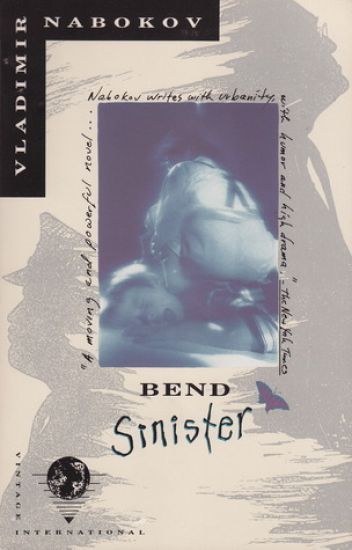
Bend Sinister

Bend Sinister

Vladimir Nabokov

VINTAGE
1990
nidottu
The first novel Nabokov wrote while living in America and the most overtly political novel he ever wrote, Bend Sinister is a modern classic. While it is filled with veiled puns and characteristically delightful wordplay, it is, first and foremost, a haunting and compelling narrative about a civilized man caught in the tyranny of a police state. Professor Adam Krug, the country's foremost philosopher, offers the only hope of resistance to Paduk, dictator and leader of the Party of the Average Man. In a folly of bureaucratic bungling and ineptitude, the government attempts to co-opt Krug's support in order to validate the new regime.
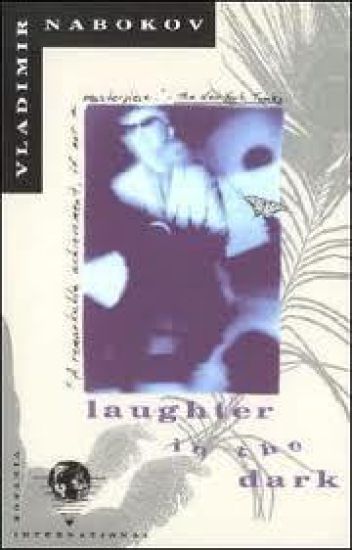
Laughter in the Dark

Laughter in the Dark

Vladimir Nabokov

VINTAGE
1989
nidottu

Halvin toimitettuna 20,40 €

Amidst a Weimar-era milieu of silent film stars, artists, and aspirants, Nabokov creates a merciless masterpiece as Albinus, an aging critic, falls prey to his own desires, to his teenage mistress, and to Axel Rex, the scheming rival for her affections who finds his greatest joy in the downfall of others. "Both hilarious and deliciously cruel." -The Guardian Albinus, a respectable, middle-aged man and aspiring filmmaker, abandons his wife for a lover half his age: Margot, who wants to become a movie star herself. When Albinus introduces her to Rex, an American movie producer, disaster ensues. What emerges is an elegantly sardonic and irresistibly ironic novel of desire, deceit, and deception, a curious romance set in the film world of Berlin in the 1930s.
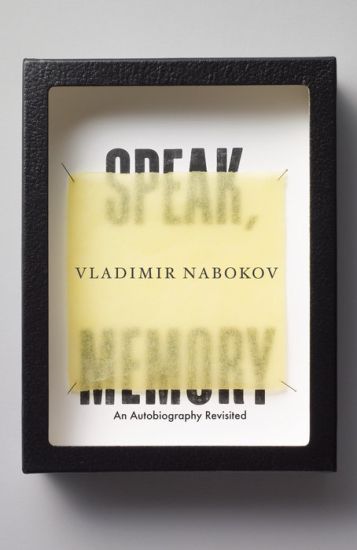
Speak, Memory: An Autobiography Revisited
From one of the 20th century's great writers comes one of the finest autobiographies of our time. - "Scintillating ... One finds here amazing glimpses into the life of a world that has vanished forever." --The New York Times Speak, Memory was first published by Vladimir Nabokov in 1951 as Conclusive Evidence and then assiduously revised and republished in 1966. Nabokov's memoir is a moving account of a loving, civilized family, of adolescent awakenings, flight from Bolshevik terror, education in England, and migr life in Paris and Berlin. The Nabokovs were eccentric, liberal aristocrats, who lived a life immersed in politics and literature on splendid country estates until their world was swept away by the Russian revolution when the author was eighteen years old. Speak, Memory vividly evokes a vanished past in the inimitable prose of Nabokov at his best.
Das Bastardzeichen

Das Bastardzeichen

Vladimir Nabokov

Rowohlt Taschenbuch Verlag
1987
pokkari
Vladimir Nabokov beschwört in seinem Roman "Das Bastardzeichen" eine alptraumhafte Welt. Eine blutige Revolution hat die "Kröte" an die Macht gebracht, wie der Volksmund den Diktator Paduk nennt, und mit ihm die "Partei des Durchschnittsmenschen", ein ebenso banales wie brutales Gelichter. Mit aller Präzision seines Stils zeigt Nabokov die totalitäre Welt als das, was sie ist: eine "bestialische Farce", ein Gemisch aus Lächerlichkeit und Grauen. Auch in diesem seinem düstersten Buch erweist sich Nabokov als ein Meister des Grotesken.
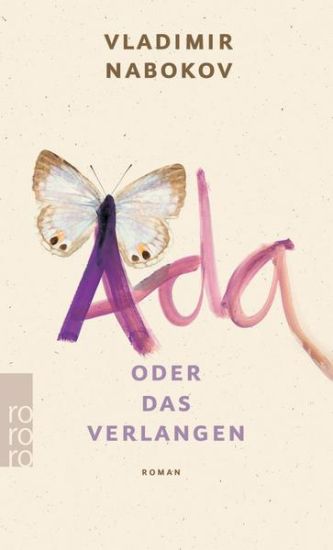
Ada oder Das Verlangen

Ada oder Das Verlangen

Vladimir Nabokov

Rowohlt Taschenbuch Verlag
1977
pokkari
"Eine Liebesgeschichte, ein erotisches Meisterwerk, eine philosophische Erkundung des Wesens der Zeit ... Ein großer Roman des wohl brillantesten Schriftstellers der Gegenwart. Wie Shakespeares ? Sturm? ist ? Ada? der Gipfel eines literarischen Lebenswerkes. Freude und Heiterkeit behaupten sich im Angesicht der Dunkelheit. ? Ada? ist ein großes Kunstwerk, strahlend und hinreißend, ein Buch voll von der Kraft der Liebe und der Phantasie." (New York Times Book Review)
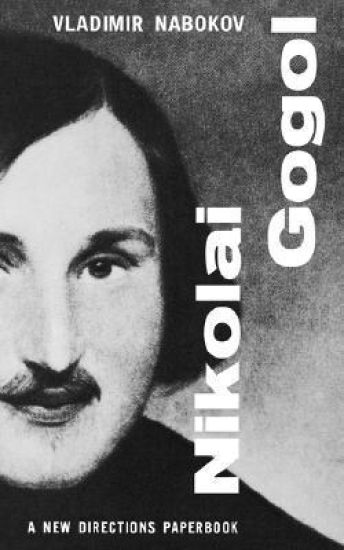
Nikolai Gogol

Nikolai Gogol

Vladimir Nabokov

New Directions Publishing Corporation
1961
nidottu
This biography begins with Gogol's death and ends with his birth, an inverted structure typical of both Gogol and Nabokov. The biographer proceeds to establish the relationship between Gogol and his novels, especially with regard to "nose-consciousness", a peculiar feature of Russian life and letters, which finds its apotheosis in Gogol's own life and prose. There are more expressions and proverbs concerning the nose in Russian than in any other language in the world. Nabokov's style in this biography is comic, but as always leads to serious issues—in this case, an appreciation of the distinctive "sense of the physical" inherent in Gogol's work. Nabokov describes how Gogol's life and literature mingled, and explains the structure and style of Gogol's prose in terms of the novelist's life.