
Kirjailija
William Anderson
Kirjat ja teokset yhdessä paikassa: 185 kirjaa, julkaisuja vuosilta 1935–2026, suosituimpiin kuuluu M Is for Mount Rushmore: A South Dakota Alphabet. Vertaile teosten hintoja ja tarkista saatavuus suomalaisista kirjakaupoista.
185 kirjaa
Kirjojen julkaisuvuodet: 1935–2026.



Remoter Stars In The Sky Of The Church Sky (1867)
William Anderson
KESSINGER PUBLISHING CO
2009
pokkari



Essays On The Irish Church (1866)
James Byrne; Arthur W. Edwards; William Anderson
KESSINGER PUBLISHING CO
2009
pokkari



Charting the Siberian continental shelf during the height of the Cold War This book tells the story of the brave officers and men of the nuclear attack submarine USS Queenfish (SSN-651), who made the first survey of an extremely important and remote region of the Artic Ocean. The unpredictability of deep-draft sea ice, shallow water, and possible Soviet discovery, all played a dramatic part in this fascinating 1970 voyage.

In her bestselling and beloved Little House series, Laura Ingalls Wilder described in loving detail the many places where she lived while growing up on the American frontier. Now everyone can come home to Little House in The Little House Guidebook, which features beautiful photographs of these houses and sites. Expertly researched information on how these sites were founded, directions for how to get to them, and recommendations for where to stay and what to do when you get there are included.

Dive into the world of the author of the beloved Little House series This middle grade nonfiction book is an excellent choice for tween readers in grades 5 to 6, especially during homeschooling. It's a fun way to keep your child entertained and engaged while not in the classroom. From her pioneer days on the prairie to her golden years with her husband, Almanzo, and their daughter, Rose, Laura Ingalls Wilder has become a friend to all who have read about her adventures. This expertly researched, behind-the-scenes account of Laura's life chronicles the real events that inspired her to write her stories, and also describes her life after the last Little House book ends.
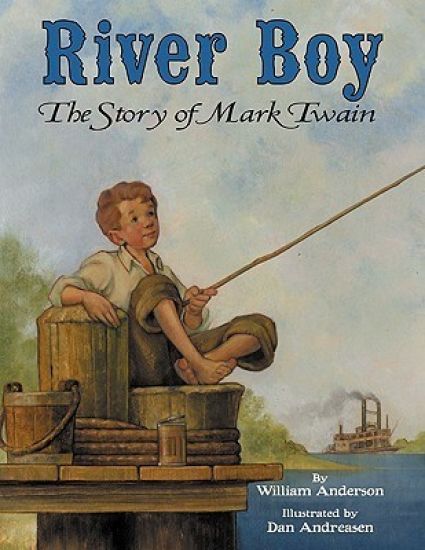
Offers the biography of Samuel Clemens, the author known as Mark Twain, through tales of his early days growing up in Missouri through his later years as an adventurer traveling to the western frontier.

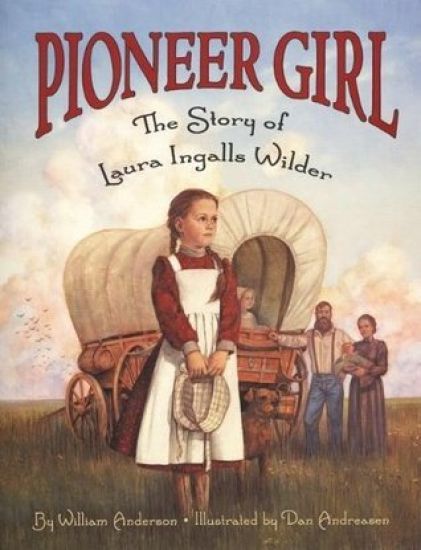
The pioneer spirit of the Little House series lives on in this picture book biography perfect for young readers This picture book is an excellent choice to share during homeschooling, in particular for children ages 4 to 6. It's a fun way to learn to read and as a supplement for activity books for children. Readers around the world know and love Laura, the little girl born in the Big Woods of Wisconsin and raised in covered wagons and on wide open prairies. Now Little House fans can learn more about the remarkable story of the pioneer girl who would one day immortalize her adventures in the beloved Little House books in this, the first picture book biography book of Laura Ingalls Wilder. With simple, glowing text by noted historian and Little House scholar William Anderson, and beautiful paintings by Dan Andreasen, Pioneer Girl is a very special portrait of a writer whose classic books and pioneer adventures have made her one of the most popular literary figures in America.

(From the Synopsis) The letters passing back and forth between thees two "Bills" trace their day-by-day wartime adventures (and occasional misadventures)

(From the Synopsis) The letters passing back and forth between thees two "Bills" trace their day-by-day wartime adventures (and occasional misadventures)
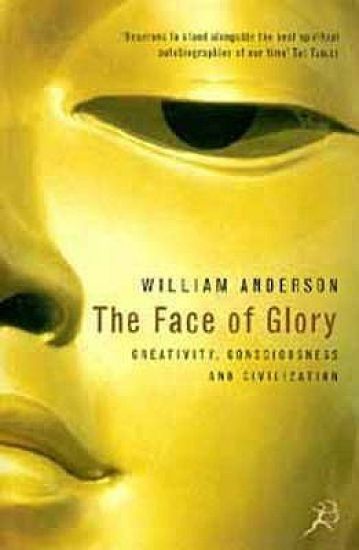
When William Anderson published his study of the image of life known in the West as the "Green Man", he foresaw the environmental movement's identification with his subject but not that the "Green Man" should be embraced as it has been, especially in the States, as an icon of the men's movement: a counterpart to the goddess as a symbol of the women's movement. This new work, inspired by the eastern form of the "Green Man" raises questions about the nature of consciousness, the higher capacities of the human mind - and the act of creativity itself. The "Face of Glory" is an Indian image signifying the creative energy of God and this is the starting point of a survey of myths and images as they respond to the needs of humanity. It is further a study of the reservoir of psychic energy known as the "Great Memory" on which creativity draws and of the liberation of consciousness which is the purpose of creativity. It spans centuries of human thought and endeavour, pitting science against art, exploring the experience of joy which rises out of creativity. Anderson views creativity not as the realization of unconscious forces but as a product of consciousness which is the source of freedom.
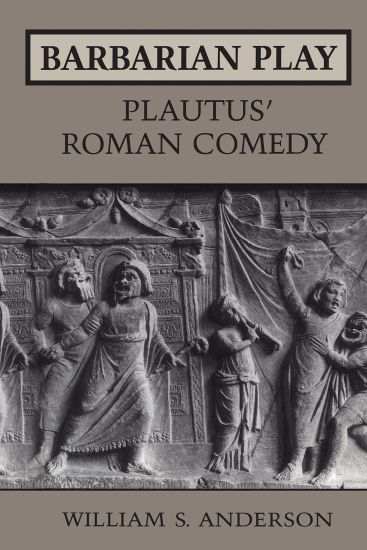
In this volume William S. Anderson sets Plautus, who wrote Rome's earliest surviving poetry, in his rightful place among the Greek and Roman writers of what we know as New Comedy (fourth to second centuries). Anderson begins by defining major innovations that Plautus made on inherited Greek New Comedy (Menander, Philemon, and Diphilus), transforming it from romantic domestic drama to a celebration of rollicking family anarchy. He shows how Plautus diminished the traditional importance of love and replaced it with a new major theme: 'heroic badness,' especially embodied in the rogue slave (ancestor of the impudent servant, valet, or maid). Anderson then examines the unique verbal texture of Plautus' drama and demonstrates his revolt against realism, his drive to have his characters defy everyday circumstances and pit their intrepid linguistic wit against social order, their Roman extravagant impudence against Greek self-control. Finally, Anderson explores the special form of metatheatre that we admire in Plautus, by which he undermines the assumptions of his Greek 'models' and replaces them with a new, confident Roman comedy.