
Kirjailija
Zane Grey
Kirjat ja teokset yhdessä paikassa: 1 156 kirjaa, julkaisuja vuosilta 1924–2026, suosituimpiin kuuluu U.S.S. Cairo The Story of a Civil War Gunboat Comprising a Narrative of Her Wartime Adventures by Virgil Carrington Jones, and an Account of Her Raising in 1964 by Harold L. Peterson (Edition1). Vertaile teosten hintoja ja tarkista saatavuus suomalaisista kirjakaupoista.
1 156 kirjaa
Kirjojen julkaisuvuodet: 1924–2026.
Will a father's love overcome his desire for justice? Unexpected events threaten to expose the truth. The definitive edition. Features an extended biography of the life and experiences of Pearl Zane GreyLarge Print editionThe treacherous nature of outlaws, gamblers, gunslingers, and drunkards threatens the chances of mending a family broken by lies and greed. Bill and his sidekick arrive at the Belllounds Ranch, putting in motion a series of events to expose a disturbing controversy. They have to accomplish this without rousing any suspicion, building tension to thrilling levels." His face then was terrible to see. He meant murder." Bill fled the ranch after he was accused of murder. The success of his grand scheme depends on keeping his past a secret. In a former life, he went by the name Bent Wade. He was the original owner of the Belllounds Ranch. His adopted daughter becomes caught between two feuding men when a mysterious rider intervenes. Filled by the desire to reveal himself to her, Collie presents the biggest threat to his plans. However, Bent must remain unrecognized and expose the truth behind his partner's death. He has to strike a balance between his love for his daughter and his desire for revealing the truth. Will Bill exact revenge on those responsible for bringing him so much misery before he loses his daughter? Get your copy today

His father was a gunslinger and the Texas Rangers declared him an outlaw. How can Duane survive to clear his name? The definitive edition. Features an extended biography of the life and experiences of Pearl Zane GreyLarge Print EditionThe Lone Star Ranger will have readers turning pages faster than they can draw their pistols at high noon. Set in the barren expanse of Texas during the height of the American Old West, Zane Grey creates a mesmerizing story around an outlaw by circumstance, Buck Duane. The Lone Star Ranger opens with Duane struggling to shake off the dubious reputation of being the son of a notorious criminal. However, things take a desperate turn for the worse when he kills a man in self-defense and goes on the run. Will he be caught?" Your reputation will go far among the outlaws. Maybe that and your nerve and your gun-play will pull you through." Following in his father's footsteps, Duane struggles with his new life as a desperado in an outlaw's hideout. Forced to kill and commit crimes to survive leaves him haunted by ghosts, none more powerful than the ghost of his father. How will Duane change his spiraling situation? Will he seek redemption and the governor's pardon or dice with an outlaw's death? From troubled beginnings as an outlaw, Duane's journey is an exciting tale of identity, redemption, and romance guaranteed to keep readers wanting more. Check out other Sastrugi Press ClassicsGet a gorgeous cover for your collection with this edition.

Can a city slicker adapt to western life? Bandits and death are never far awayThe definitive edition. AnnotatedLarge Print edition.- Features an extended biography of the life and experiences of Pearl Zane GreyMadeline's brother Alfred struggles to make ends meet. Madeline is overwhelmed by the refreshing experience in the open ranches, mountains, and plains away from city life. The handsome cowboy Gene Stewart is a welcome distraction, too. After some difficult times adjusting to life as a cowgirl, Madeline embraces her new life. She buys land of her own to settle down. At the same time, she finds out that cowboys can be tamed and danger is never far off. The only way to survive it all is by cooperating with the locals against attacking bandits and Mexican raiders." He'll rob, burn, and make off with you. He'll murder, too, if it falls his way." Will Madeline's growing desire for the western lifestyle push her into risking her life? Light of the Western Stars is a story about a young woman's pursuit for meaning in a world full of danger, love in unexpected places and redemption for the future. The book shows us how compelling cowboy life was in 1912 New Mexico.



Logan Huett thought he knew the West. Once a scout with the Army, he was familiar with both the hardships and rewards of pioneer life. But not even Logan could foresee the challenges that lay ahead for him and his young wife Lucinda--raising a brood of headstrong children, struggling to achieve financial security in the wilderness, concealing a long-buried family secret, and, finally, surviving the tragedy dealt them by a devastating war.


Zane Grey, original name Pearl Grey, (born Jan. 31, 1872, Zanesville, Ohio, U. S.--died Oct. 23, 1939, Altadena, Calif.), prolific writer whose romantic novels of the American West largely created a new literary genre, the western. Trained as a dentist, Grey practiced in New York City from 1898 to 1904, when he published privately a novel of pioneer life, Betty Zane, based on an ancestor's journal. Deciding to abandon dentistry for full-time writing, he published in 1905 The Spirit of the Border--also based on Zane's notes--which became a best-seller. Grey subsequently wrote more than 80 books, a number of which were published posthumously; more than 50 were in print in the last quarter of the 20th century. The novel Riders of the Purple Sage (1912) was the most popular; others included The Lone Star Ranger (1915), The U. P. Trail (1918), Call of the Canyon (1924), and Code of the West (1934). Prominent among his nonfiction works is Tales of Fishing (1925). (britannica.com)The more books Grey sold, the more the established critics, such as Heywood Broun and Burton Rascoe, attacked him. They claimed his depictions of the West were too fanciful, too violent, and not faithful to the moral realities of the frontier. They thought his characters unrealistic and much larger-than-life. Broun stated that "the substance of any two Zane Grey books could be written upon the back of a postage stamp." T. K. Whipple praised a typical Grey novel as a modern version of the ancient Beowulf saga, a battle of passions with one another and with the will, a struggle of love and hate, or remorse and revenge, of blood, lust, honor, friendship, anger, grief--all of a grand scale and all incalculable and mysterious." But he also criticized Grey's writing, "His style, for example, has the stiffness which comes from an imperfect mastery of the medium. It lacks fluency and facility. Grey based his work in his own varied first-hand experience, supported by careful note-taking, and considerable research. Despite his great popular success and fortune, Grey read the reviews and sometimes became paralyzed by negative emotions after critical ones. (wikipedia.org)
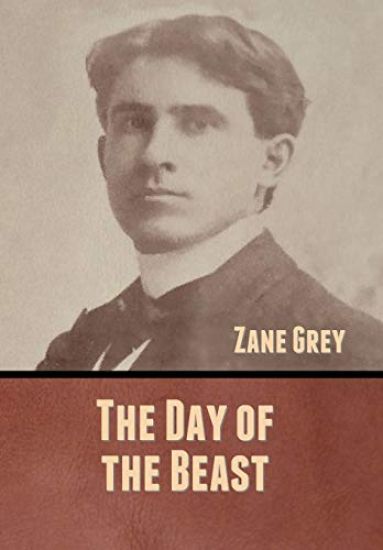
Our ordeal is over -- the Hell is past and we must bury memory . . . Lane, Maynard and Payson stand on deck as the ship glides toward New York, in the shadow of Liberty -- a war-weary trio of soldiers, home at last. Time has marked them, and the battles of France have left them disabled . . . but what awaits them on land, beyond the empty dock? Who will be there for them, at home? And will they ever be able to lead a normal life?
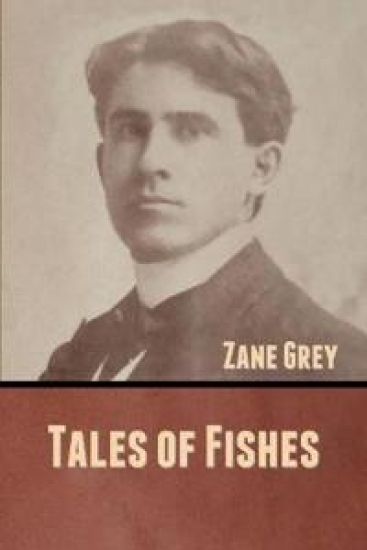
This was a well written description of ocean fishing. The writer's fish stories describe the mental and physical demands of trying to land the largest and most numerous catches of swordfish, marlin, tuna and several other species of deep water fish. Imagine listening to story after story of fighting a three hundred pound fish for several hours only to have it break the line as it was being brought in. If you are a deep sea fisherman you might enjoy page after page of essentially the same thing. It was quite a departure from the typical stories of the old west. Maybe he wanted to do something different. The book does end with an essay on the importance of being environmentally conscious as one fishes the oceans. Even in 1918 when this was written there were indications that some species were becoming overfished and were in danger of disappearing altogether. (Gerald Matzke)

Zane Grey, original name Pearl Grey, (born Jan. 31, 1872, Zanesville, Ohio, U. S.--died Oct. 23, 1939, Altadena, Calif.), prolific writer whose romantic novels of the American West largely created a new literary genre, the western. Trained as a dentist, Grey practiced in New York City from 1898 to 1904, when he published privately a novel of pioneer life, Betty Zane, based on an ancestor's journal. Deciding to abandon dentistry for full-time writing, he published in 1905 The Spirit of the Border--also based on Zane's notes--which became a best-seller. Grey subsequently wrote more than 80 books, a number of which were published posthumously; more than 50 were in print in the last quarter of the 20th century. The novel Riders of the Purple Sage (1912) was the most popular; others included The Lone Star Ranger (1915), The U. P. Trail (1918), Call of the Canyon (1924), and Code of the West (1934). Prominent among his nonfiction works is Tales of Fishing (1925). (britannica.com)The more books Grey sold, the more the established critics, such as Heywood Broun and Burton Rascoe, attacked him. They claimed his depictions of the West were too fanciful, too violent, and not faithful to the moral realities of the frontier. They thought his characters unrealistic and much larger-than-life. Broun stated that "the substance of any two Zane Grey books could be written upon the back of a postage stamp." T. K. Whipple praised a typical Grey novel as a modern version of the ancient Beowulf saga, a battle of passions with one another and with the will, a struggle of love and hate, or remorse and revenge, of blood, lust, honor, friendship, anger, grief--all of a grand scale and all incalculable and mysterious." But he also criticized Grey's writing, "His style, for example, has the stiffness which comes from an imperfect mastery of the medium. It lacks fluency and facility. Grey based his work in his own varied first-hand experience, supported by careful note-taking, and considerable research. Despite his great popular success and fortune, Grey read the reviews and sometimes became paralyzed by negative emotions after critical ones. (wikipedia.org)

Zane Grey, original name Pearl Grey, (born Jan. 31, 1872, Zanesville, Ohio, U. S.--died Oct. 23, 1939, Altadena, Calif.), prolific writer whose romantic novels of the American West largely created a new literary genre, the western. Trained as a dentist, Grey practiced in New York City from 1898 to 1904, when he published privately a novel of pioneer life, Betty Zane, based on an ancestor's journal. Deciding to abandon dentistry for full-time writing, he published in 1905 The Spirit of the Border--also based on Zane's notes--which became a best-seller. Grey subsequently wrote more than 80 books, a number of which were published posthumously; more than 50 were in print in the last quarter of the 20th century. The novel Riders of the Purple Sage (1912) was the most popular; others included The Lone Star Ranger (1915), The U. P. Trail (1918), Call of the Canyon (1924), and Code of the West (1934). Prominent among his nonfiction works is Tales of Fishing (1925). (britannica.com)The more books Grey sold, the more the established critics, such as Heywood Broun and Burton Rascoe, attacked him. They claimed his depictions of the West were too fanciful, too violent, and not faithful to the moral realities of the frontier. They thought his characters unrealistic and much larger-than-life. Broun stated that "the substance of any two Zane Grey books could be written upon the back of a postage stamp." T. K. Whipple praised a typical Grey novel as a modern version of the ancient Beowulf saga, a battle of passions with one another and with the will, a struggle of love and hate, or remorse and revenge, of blood, lust, honor, friendship, anger, grief--all of a grand scale and all incalculable and mysterious." But he also criticized Grey's writing, "His style, for example, has the stiffness which comes from an imperfect mastery of the medium. It lacks fluency and facility. Grey based his work in his own varied first-hand experience, supported by careful note-taking, and considerable research. Despite his great popular success and fortune, Grey read the reviews and sometimes became paralyzed by negative emotions after critical ones. (wikipedia.org)

Zane Grey, original name Pearl Grey, (born Jan. 31, 1872, Zanesville, Ohio, U. S.--died Oct. 23, 1939, Altadena, Calif.), prolific writer whose romantic novels of the American West largely created a new literary genre, the western. Trained as a dentist, Grey practiced in New York City from 1898 to 1904, when he published privately a novel of pioneer life, Betty Zane, based on an ancestor's journal. Deciding to abandon dentistry for full-time writing, he published in 1905 The Spirit of the Border--also based on Zane's notes--which became a best-seller. Grey subsequently wrote more than 80 books, a number of which were published posthumously; more than 50 were in print in the last quarter of the 20th century. The novel Riders of the Purple Sage (1912) was the most popular; others included The Lone Star Ranger (1915), The U. P. Trail (1918), Call of the Canyon (1924), and Code of the West (1934). Prominent among his nonfiction works is Tales of Fishing (1925). (britannica.com)The more books Grey sold, the more the established critics, such as Heywood Broun and Burton Rascoe, attacked him. They claimed his depictions of the West were too fanciful, too violent, and not faithful to the moral realities of the frontier. They thought his characters unrealistic and much larger-than-life. Broun stated that "the substance of any two Zane Grey books could be written upon the back of a postage stamp." T. K. Whipple praised a typical Grey novel as a modern version of the ancient Beowulf saga, a battle of passions with one another and with the will, a struggle of love and hate, or remorse and revenge, of blood, lust, honor, friendship, anger, grief--all of a grand scale and all incalculable and mysterious." But he also criticized Grey's writing, "His style, for example, has the stiffness which comes from an imperfect mastery of the medium. It lacks fluency and facility. Grey based his work in his own varied first-hand experience, supported by careful note-taking, and considerable research. Despite his great popular success and fortune, Grey read the reviews and sometimes became paralyzed by negative emotions after critical ones. (wikipedia.org)

Zane Grey, original name Pearl Grey, (born Jan. 31, 1872, Zanesville, Ohio, U. S.--died Oct. 23, 1939, Altadena, Calif.), prolific writer whose romantic novels of the American West largely created a new literary genre, the western. Trained as a dentist, Grey practiced in New York City from 1898 to 1904, when he published privately a novel of pioneer life, Betty Zane, based on an ancestor's journal. Deciding to abandon dentistry for full-time writing, he published in 1905 The Spirit of the Border--also based on Zane's notes--which became a best-seller. Grey subsequently wrote more than 80 books, a number of which were published posthumously; more than 50 were in print in the last quarter of the 20th century. The novel Riders of the Purple Sage (1912) was the most popular; others included The Lone Star Ranger (1915), The U. P. Trail (1918), Call of the Canyon (1924), and Code of the West (1934). Prominent among his nonfiction works is Tales of Fishing (1925). (britannica.com)The more books Grey sold, the more the established critics, such as Heywood Broun and Burton Rascoe, attacked him. They claimed his depictions of the West were too fanciful, too violent, and not faithful to the moral realities of the frontier. They thought his characters unrealistic and much larger-than-life. Broun stated that "the substance of any two Zane Grey books could be written upon the back of a postage stamp." T. K. Whipple praised a typical Grey novel as a modern version of the ancient Beowulf saga, a battle of passions with one another and with the will, a struggle of love and hate, or remorse and revenge, of blood, lust, honor, friendship, anger, grief--all of a grand scale and all incalculable and mysterious." But he also criticized Grey's writing, "His style, for example, has the stiffness which comes from an imperfect mastery of the medium. It lacks fluency and facility. Grey based his work in his own varied first-hand experience, supported by careful note-taking, and considerable research. Despite his great popular success and fortune, Grey read the reviews and sometimes became paralyzed by negative emotions after critical ones. (wikipedia.org)

Zane Grey, original name Pearl Grey, (born Jan. 31, 1872, Zanesville, Ohio, U. S.--died Oct. 23, 1939, Altadena, Calif.), prolific writer whose romantic novels of the American West largely created a new literary genre, the western. Trained as a dentist, Grey practiced in New York City from 1898 to 1904, when he published privately a novel of pioneer life, Betty Zane, based on an ancestor's journal. Deciding to abandon dentistry for full-time writing, he published in 1905 The Spirit of the Border--also based on Zane's notes--which became a best-seller. Grey subsequently wrote more than 80 books, a number of which were published posthumously; more than 50 were in print in the last quarter of the 20th century. The novel Riders of the Purple Sage (1912) was the most popular; others included The Lone Star Ranger (1915), The U. P. Trail (1918), Call of the Canyon (1924), and Code of the West (1934). Prominent among his nonfiction works is Tales of Fishing (1925). (britannica.com)The more books Grey sold, the more the established critics, such as Heywood Broun and Burton Rascoe, attacked him. They claimed his depictions of the West were too fanciful, too violent, and not faithful to the moral realities of the frontier. They thought his characters unrealistic and much larger-than-life. Broun stated that "the substance of any two Zane Grey books could be written upon the back of a postage stamp." T. K. Whipple praised a typical Grey novel as a modern version of the ancient Beowulf saga, a battle of passions with one another and with the will, a struggle of love and hate, or remorse and revenge, of blood, lust, honor, friendship, anger, grief--all of a grand scale and all incalculable and mysterious." But he also criticized Grey's writing, "His style, for example, has the stiffness which comes from an imperfect mastery of the medium. It lacks fluency and facility. Grey based his work in his own varied first-hand experience, supported by careful note-taking, and considerable research. Despite his great popular success and fortune, Grey read the reviews and sometimes became paralyzed by negative emotions after critical ones. (wikipedia.org)

Zane Grey, original name Pearl Grey, (born Jan. 31, 1872, Zanesville, Ohio, U. S.--died Oct. 23, 1939, Altadena, Calif.), prolific writer whose romantic novels of the American West largely created a new literary genre, the western. Trained as a dentist, Grey practiced in New York City from 1898 to 1904, when he published privately a novel of pioneer life, Betty Zane, based on an ancestor's journal. Deciding to abandon dentistry for full-time writing, he published in 1905 The Spirit of the Border--also based on Zane's notes--which became a best-seller. Grey subsequently wrote more than 80 books, a number of which were published posthumously; more than 50 were in print in the last quarter of the 20th century. The novel Riders of the Purple Sage (1912) was the most popular; others included The Lone Star Ranger (1915), The U. P. Trail (1918), Call of the Canyon (1924), and Code of the West (1934). Prominent among his nonfiction works is Tales of Fishing (1925). (britannica.com)The more books Grey sold, the more the established critics, such as Heywood Broun and Burton Rascoe, attacked him. They claimed his depictions of the West were too fanciful, too violent, and not faithful to the moral realities of the frontier. They thought his characters unrealistic and much larger-than-life. Broun stated that "the substance of any two Zane Grey books could be written upon the back of a postage stamp." T. K. Whipple praised a typical Grey novel as a modern version of the ancient Beowulf saga, a battle of passions with one another and with the will, a struggle of love and hate, or remorse and revenge, of blood, lust, honor, friendship, anger, grief--all of a grand scale and all incalculable and mysterious." But he also criticized Grey's writing, "His style, for example, has the stiffness which comes from an imperfect mastery of the medium. It lacks fluency and facility. Grey based his work in his own varied first-hand experience, supported by careful note-taking, and considerable research. Despite his great popular success and fortune, Grey read the reviews and sometimes became paralyzed by negative emotions after critical ones. (wikipedia.org)
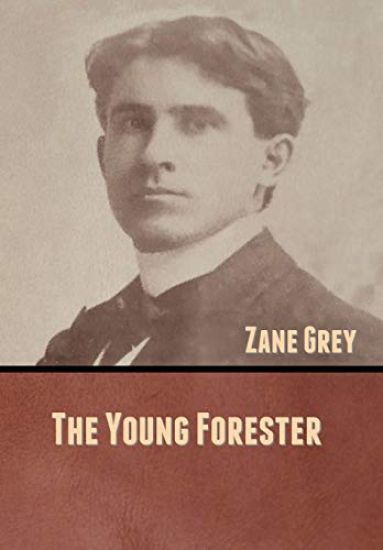
Zane Grey, original name Pearl Grey, (born Jan. 31, 1872, Zanesville, Ohio, U. S.--died Oct. 23, 1939, Altadena, Calif.), prolific writer whose romantic novels of the American West largely created a new literary genre, the western. Trained as a dentist, Grey practiced in New York City from 1898 to 1904, when he published privately a novel of pioneer life, Betty Zane, based on an ancestor's journal. Deciding to abandon dentistry for full-time writing, he published in 1905 The Spirit of the Border--also based on Zane's notes--which became a best-seller. Grey subsequently wrote more than 80 books, a number of which were published posthumously; more than 50 were in print in the last quarter of the 20th century. The novel Riders of the Purple Sage (1912) was the most popular; others included The Lone Star Ranger (1915), The U. P. Trail (1918), Call of the Canyon (1924), and Code of the West (1934). Prominent among his nonfiction works is Tales of Fishing (1925). (britannica.com)The more books Grey sold, the more the established critics, such as Heywood Broun and Burton Rascoe, attacked him. They claimed his depictions of the West were too fanciful, too violent, and not faithful to the moral realities of the frontier. They thought his characters unrealistic and much larger-than-life. Broun stated that "the substance of any two Zane Grey books could be written upon the back of a postage stamp." T. K. Whipple praised a typical Grey novel as a modern version of the ancient Beowulf saga, a battle of passions with one another and with the will, a struggle of love and hate, or remorse and revenge, of blood, lust, honor, friendship, anger, grief--all of a grand scale and all incalculable and mysterious." But he also criticized Grey's writing, "His style, for example, has the stiffness which comes from an imperfect mastery of the medium. It lacks fluency and facility. Grey based his work in his own varied first-hand experience, supported by careful note-taking, and considerable research. Despite his great popular success and fortune, Grey read the reviews and sometimes became paralyzed by negative emotions after critical ones. (wikipedia.org)