Kirjojen hintavertailu – 12 859 819 kirjaa ja 27 kauppaa

Kirjailija

Zane Grey

Kirjat ja teokset yhdessä paikassa: 1 156 kirjaa, julkaisuja vuosilta 1924–2026, suosituimpiin kuuluu U.S.S. Cairo The Story of a Civil War Gunboat Comprising a Narrative of Her Wartime Adventures by Virgil Carrington Jones, and an Account of Her Raising in 1964 by Harold L. Peterson (Edition1). Vertaile teosten hintoja ja tarkista saatavuus suomalaisista kirjakaupoista.

1 156 kirjaa

Kirjojen julkaisuvuodet: 1924–2026.

The Young Pitcher

The Young Pitcher

Zane Grey

Bibliotech Press
2020
sidottu
Zane Grey, original name Pearl Grey, (born Jan. 31, 1872, Zanesville, Ohio, U. S.--died Oct. 23, 1939, Altadena, Calif.), prolific writer whose romantic novels of the American West largely created a new literary genre, the western. Trained as a dentist, Grey practiced in New York City from 1898 to 1904, when he published privately a novel of pioneer life, Betty Zane, based on an ancestor's journal. Deciding to abandon dentistry for full-time writing, he published in 1905 The Spirit of the Border--also based on Zane's notes--which became a best-seller. Grey subsequently wrote more than 80 books, a number of which were published posthumously; more than 50 were in print in the last quarter of the 20th century. The novel Riders of the Purple Sage (1912) was the most popular; others included The Lone Star Ranger (1915), The U. P. Trail (1918), Call of the Canyon (1924), and Code of the West (1934). Prominent among his nonfiction works is Tales of Fishing (1925). (britannica.com)The more books Grey sold, the more the established critics, such as Heywood Broun and Burton Rascoe, attacked him. They claimed his depictions of the West were too fanciful, too violent, and not faithful to the moral realities of the frontier. They thought his characters unrealistic and much larger-than-life. Broun stated that "the substance of any two Zane Grey books could be written upon the back of a postage stamp." T. K. Whipple praised a typical Grey novel as a modern version of the ancient Beowulf saga, a battle of passions with one another and with the will, a struggle of love and hate, or remorse and revenge, of blood, lust, honor, friendship, anger, grief--all of a grand scale and all incalculable and mysterious." But he also criticized Grey's writing, "His style, for example, has the stiffness which comes from an imperfect mastery of the medium. It lacks fluency and facility. Grey based his work in his own varied first-hand experience, supported by careful note-taking, and considerable research. Despite his great popular success and fortune, Grey read the reviews and sometimes became paralyzed by negative emotions after critical ones. (wikipedia.org)
Tales of Fishes

Tales of Fishes

Zane Grey

Bibliotech Press
2020
sidottu
This was a well written description of ocean fishing. The writer's fish stories describe the mental and physical demands of trying to land the largest and most numerous catches of swordfish, marlin, tuna and several other species of deep water fish. Imagine listening to story after story of fighting a three hundred pound fish for several hours only to have it break the line as it was being brought in. If you are a deep sea fisherman you might enjoy page after page of essentially the same thing. It was quite a departure from the typical stories of the old west. Maybe he wanted to do something different. The book does end with an essay on the importance of being environmentally conscious as one fishes the oceans. Even in 1918 when this was written there were indications that some species were becoming overfished and were in danger of disappearing altogether. (Gerald Matzke)
The Young Pitcher

The Young Pitcher

Zane Grey

Bibliotech Press
2020
pokkari
Zane Grey, original name Pearl Grey, (born Jan. 31, 1872, Zanesville, Ohio, U. S.--died Oct. 23, 1939, Altadena, Calif.), prolific writer whose romantic novels of the American West largely created a new literary genre, the western. Trained as a dentist, Grey practiced in New York City from 1898 to 1904, when he published privately a novel of pioneer life, Betty Zane, based on an ancestor's journal. Deciding to abandon dentistry for full-time writing, he published in 1905 The Spirit of the Border--also based on Zane's notes--which became a best-seller. Grey subsequently wrote more than 80 books, a number of which were published posthumously; more than 50 were in print in the last quarter of the 20th century. The novel Riders of the Purple Sage (1912) was the most popular; others included The Lone Star Ranger (1915), The U. P. Trail (1918), Call of the Canyon (1924), and Code of the West (1934). Prominent among his nonfiction works is Tales of Fishing (1925). (britannica.com)The more books Grey sold, the more the established critics, such as Heywood Broun and Burton Rascoe, attacked him. They claimed his depictions of the West were too fanciful, too violent, and not faithful to the moral realities of the frontier. They thought his characters unrealistic and much larger-than-life. Broun stated that "the substance of any two Zane Grey books could be written upon the back of a postage stamp." T. K. Whipple praised a typical Grey novel as a modern version of the ancient Beowulf saga, a battle of passions with one another and with the will, a struggle of love and hate, or remorse and revenge, of blood, lust, honor, friendship, anger, grief--all of a grand scale and all incalculable and mysterious." But he also criticized Grey's writing, "His style, for example, has the stiffness which comes from an imperfect mastery of the medium. It lacks fluency and facility. Grey based his work in his own varied first-hand experience, supported by careful note-taking, and considerable research. Despite his great popular success and fortune, Grey read the reviews and sometimes became paralyzed by negative emotions after critical ones. (wikipedia.org)
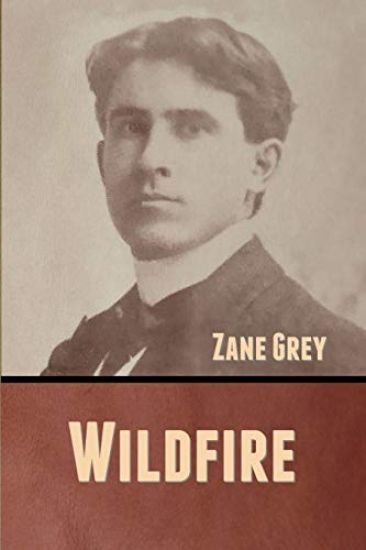
Wildfire

Wildfire

Zane Grey

Bibliotech Press
2020
pokkari
This novel is considered by some to be one of Zane Grey's best. It is filled with complex characters and action although at times it becomes a bit drawn out as the characters make their way through the wilderness. There are twists and turns in the plot as the main character, a very talented and resourceful young woman, takes charge of the action. This story gives the reader a look at the rivalries and brutality of the Wild West as well as the power and influence of nature in the lives of people who lived there. (Gerald Matzke)
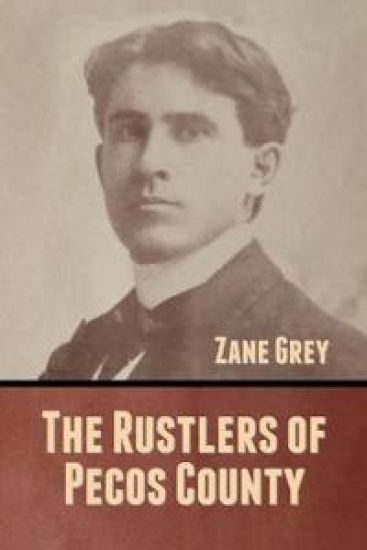
The Rustlers of Pecos County

The Rustlers of Pecos County

Zane Grey

Bibliotech Press
2020
pokkari
Zane Grey, original name Pearl Grey, (born Jan. 31, 1872, Zanesville, Ohio, U. S.--died Oct. 23, 1939, Altadena, Calif.), prolific writer whose romantic novels of the American West largely created a new literary genre, the western. Trained as a dentist, Grey practiced in New York City from 1898 to 1904, when he published privately a novel of pioneer life, Betty Zane, based on an ancestor's journal. Deciding to abandon dentistry for full-time writing, he published in 1905 The Spirit of the Border--also based on Zane's notes--which became a best-seller. Grey subsequently wrote more than 80 books, a number of which were published posthumously; more than 50 were in print in the last quarter of the 20th century. The novel Riders of the Purple Sage (1912) was the most popular; others included The Lone Star Ranger (1915), The U. P. Trail (1918), Call of the Canyon (1924), and Code of the West (1934). Prominent among his nonfiction works is Tales of Fishing (1925). (britannica.com)The more books Grey sold, the more the established critics, such as Heywood Broun and Burton Rascoe, attacked him. They claimed his depictions of the West were too fanciful, too violent, and not faithful to the moral realities of the frontier. They thought his characters unrealistic and much larger-than-life. Broun stated that "the substance of any two Zane Grey books could be written upon the back of a postage stamp." T. K. Whipple praised a typical Grey novel as a modern version of the ancient Beowulf saga, a battle of passions with one another and with the will, a struggle of love and hate, or remorse and revenge, of blood, lust, honor, friendship, anger, grief--all of a grand scale and all incalculable and mysterious." But he also criticized Grey's writing, "His style, for example, has the stiffness which comes from an imperfect mastery of the medium. It lacks fluency and facility. Grey based his work in his own varied first-hand experience, supported by careful note-taking, and considerable research. Despite his great popular success and fortune, Grey read the reviews and sometimes became paralyzed by negative emotions after critical ones. (wikipedia.org)
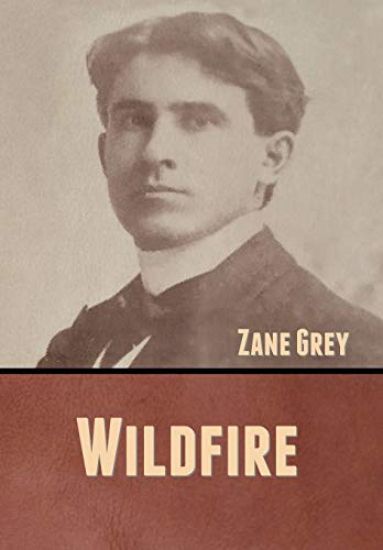
Wildfire

Wildfire

Zane Grey

Bibliotech Press
2020
sidottu
This novel is considered by some to be one of Zane Grey's best. It is filled with complex characters and action although at times it becomes a bit drawn out as the characters make their way through the wilderness. There are twists and turns in the plot as the main character, a very talented and resourceful young woman, takes charge of the action. This story gives the reader a look at the rivalries and brutality of the Wild West as well as the power and influence of nature in the lives of people who lived there. (Gerald Matzke)
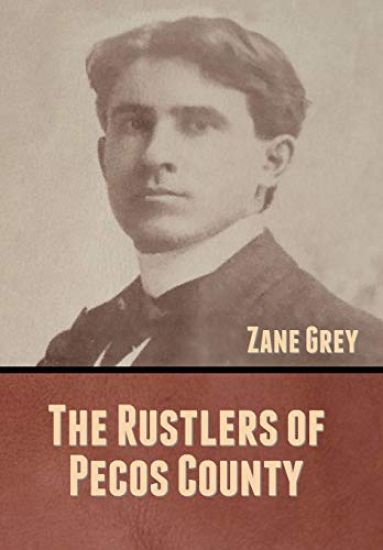
The Rustlers of Pecos County

The Rustlers of Pecos County

Zane Grey

Bibliotech Press
2020
sidottu
Zane Grey, original name Pearl Grey, (born Jan. 31, 1872, Zanesville, Ohio, U. S.--died Oct. 23, 1939, Altadena, Calif.), prolific writer whose romantic novels of the American West largely created a new literary genre, the western. Trained as a dentist, Grey practiced in New York City from 1898 to 1904, when he published privately a novel of pioneer life, Betty Zane, based on an ancestor's journal. Deciding to abandon dentistry for full-time writing, he published in 1905 The Spirit of the Border--also based on Zane's notes--which became a best-seller. Grey subsequently wrote more than 80 books, a number of which were published posthumously; more than 50 were in print in the last quarter of the 20th century. The novel Riders of the Purple Sage (1912) was the most popular; others included The Lone Star Ranger (1915), The U. P. Trail (1918), Call of the Canyon (1924), and Code of the West (1934). Prominent among his nonfiction works is Tales of Fishing (1925). (britannica.com)The more books Grey sold, the more the established critics, such as Heywood Broun and Burton Rascoe, attacked him. They claimed his depictions of the West were too fanciful, too violent, and not faithful to the moral realities of the frontier. They thought his characters unrealistic and much larger-than-life. Broun stated that "the substance of any two Zane Grey books could be written upon the back of a postage stamp." T. K. Whipple praised a typical Grey novel as a modern version of the ancient Beowulf saga, a battle of passions with one another and with the will, a struggle of love and hate, or remorse and revenge, of blood, lust, honor, friendship, anger, grief--all of a grand scale and all incalculable and mysterious." But he also criticized Grey's writing, "His style, for example, has the stiffness which comes from an imperfect mastery of the medium. It lacks fluency and facility. Grey based his work in his own varied first-hand experience, supported by careful note-taking, and considerable research. Despite his great popular success and fortune, Grey read the reviews and sometimes became paralyzed by negative emotions after critical ones. (wikipedia.org)
Ken Ward in the Jungle

Ken Ward in the Jungle

Zane Grey

Bibliotech Press
2020
sidottu
Zane Grey, original name Pearl Grey, (born Jan. 31, 1872, Zanesville, Ohio, U. S.--died Oct. 23, 1939, Altadena, Calif.), prolific writer whose romantic novels of the American West largely created a new literary genre, the western. Trained as a dentist, Grey practiced in New York City from 1898 to 1904, when he published privately a novel of pioneer life, Betty Zane, based on an ancestor's journal. Deciding to abandon dentistry for full-time writing, he published in 1905 The Spirit of the Border--also based on Zane's notes--which became a best-seller. Grey subsequently wrote more than 80 books, a number of which were published posthumously; more than 50 were in print in the last quarter of the 20th century. The novel Riders of the Purple Sage (1912) was the most popular; others included The Lone Star Ranger (1915), The U. P. Trail (1918), Call of the Canyon (1924), and Code of the West (1934). Prominent among his nonfiction works is Tales of Fishing (1925). (britannica.com)The more books Grey sold, the more the established critics, such as Heywood Broun and Burton Rascoe, attacked him. They claimed his depictions of the West were too fanciful, too violent, and not faithful to the moral realities of the frontier. They thought his characters unrealistic and much larger-than-life. Broun stated that "the substance of any two Zane Grey books could be written upon the back of a postage stamp." T. K. Whipple praised a typical Grey novel as a modern version of the ancient Beowulf saga, a battle of passions with one another and with the will, a struggle of love and hate, or remorse and revenge, of blood, lust, honor, friendship, anger, grief--all of a grand scale and all incalculable and mysterious." But he also criticized Grey's writing, "His style, for example, has the stiffness which comes from an imperfect mastery of the medium. It lacks fluency and facility. Grey based his work in his own varied first-hand experience, supported by careful note-taking, and considerable research. Despite his great popular success and fortune, Grey read the reviews and sometimes became paralyzed by negative emotions after critical ones. (wikipedia.org)
The Desert of Wheat

The Desert of Wheat

Zane Grey

Bibliotech Press
2020
pokkari
Zane Grey, original name Pearl Grey, (born Jan. 31, 1872, Zanesville, Ohio, U. S.--died Oct. 23, 1939, Altadena, Calif.), prolific writer whose romantic novels of the American West largely created a new literary genre, the western. Trained as a dentist, Grey practiced in New York City from 1898 to 1904, when he published privately a novel of pioneer life, Betty Zane, based on an ancestor's journal. Deciding to abandon dentistry for full-time writing, he published in 1905 The Spirit of the Border--also based on Zane's notes--which became a best-seller. Grey subsequently wrote more than 80 books, a number of which were published posthumously; more than 50 were in print in the last quarter of the 20th century. The novel Riders of the Purple Sage (1912) was the most popular; others included The Lone Star Ranger (1915), The U. P. Trail (1918), Call of the Canyon (1924), and Code of the West (1934). Prominent among his nonfiction works is Tales of Fishing (1925). (britannica.com)The more books Grey sold, the more the established critics, such as Heywood Broun and Burton Rascoe, attacked him. They claimed his depictions of the West were too fanciful, too violent, and not faithful to the moral realities of the frontier. They thought his characters unrealistic and much larger-than-life. Broun stated that "the substance of any two Zane Grey books could be written upon the back of a postage stamp." T. K. Whipple praised a typical Grey novel as a modern version of the ancient Beowulf saga, a battle of passions with one another and with the will, a struggle of love and hate, or remorse and revenge, of blood, lust, honor, friendship, anger, grief--all of a grand scale and all incalculable and mysterious." But he also criticized Grey's writing, "His style, for example, has the stiffness which comes from an imperfect mastery of the medium. It lacks fluency and facility. Grey based his work in his own varied first-hand experience, supported by careful note-taking, and considerable research. Despite his great popular success and fortune, Grey read the reviews and sometimes became paralyzed by negative emotions after critical ones. (wikipedia.org)
Betty Zane

Betty Zane

Zane Grey

Bibliotech Press
2020
pokkari
Inspired by the life and adventures of his own great-great aunt, Betty Zane was Zane Grey's first novel and launched his career as a master writer of rousing frontier and Western adventures. Betty Zane is the story of the events culminating in the last battle of the American Revolution, when two hundred Redcoats from British-controlled Detroit along with four hundred Shawnee Indian attacked the small, wood-palisaded Ford Henry on the western frontier. The heroine of the battle--a young, spunky, and beautiful frontier girl--was Betty Zane
Betty Zane

Betty Zane

Zane Grey

Bibliotech Press
2020
sidottu
Inspired by the life and adventures of his own great-great aunt, Betty Zane was Zane Grey's first novel and launched his career as a master writer of rousing frontier and Western adventures. Betty Zane is the story of the events culminating in the last battle of the American Revolution, when two hundred Redcoats from British-controlled Detroit along with four hundred Shawnee Indian attacked the small, wood-palisaded Ford Henry on the western frontier. The heroine of the battle--a young, spunky, and beautiful frontier girl--was Betty Zane
The Day of the Beast

The Day of the Beast

Zane Grey

Bibliotech Press
2020
pokkari
Our ordeal is over -- the Hell is past and we must bury memory . . . Lane, Maynard and Payson stand on deck as the ship glides toward New York, in the shadow of Liberty -- a war-weary trio of soldiers, home at last. Time has marked them, and the battles of France have left them disabled . . . but what awaits them on land, beyond the empty dock? Who will be there for them, at home? And will they ever be able to lead a normal life?
To the Last Man

To the Last Man

Zane Grey

Bibliotech Press
2020
sidottu
A western romance centered in a fictionalized account of the Pleasant Valley, Arizona wars, a real feud that occurred throughout the 1880's and into the 1890's, with all of the men, except one, dead. 35 - 50 casualties. The bloodiness of it all delayed Arizona's statehood for a generation, Congress believing the territory was too uncivilized to be a state. An awesome tale. (Kenneth)
The Last Trail

The Last Trail

Zane Grey

Bibliotech Press
2020
pokkari
Zane Grey, original name Pearl Grey, (born Jan. 31, 1872, Zanesville, Ohio, U. S.--died Oct. 23, 1939, Altadena, Calif.), prolific writer whose romantic novels of the American West largely created a new literary genre, the western. Trained as a dentist, Grey practiced in New York City from 1898 to 1904, when he published privately a novel of pioneer life, Betty Zane, based on an ancestor's journal. Deciding to abandon dentistry for full-time writing, he published in 1905 The Spirit of the Border--also based on Zane's notes--which became a best-seller. Grey subsequently wrote more than 80 books, a number of which were published posthumously; more than 50 were in print in the last quarter of the 20th century. The novel Riders of the Purple Sage (1912) was the most popular; others included The Lone Star Ranger (1915), The U. P. Trail (1918), Call of the Canyon (1924), and Code of the West (1934). Prominent among his nonfiction works is Tales of Fishing (1925). (britannica.com)The more books Grey sold, the more the established critics, such as Heywood Broun and Burton Rascoe, attacked him. They claimed his depictions of the West were too fanciful, too violent, and not faithful to the moral realities of the frontier. They thought his characters unrealistic and much larger-than-life. Broun stated that "the substance of any two Zane Grey books could be written upon the back of a postage stamp." T. K. Whipple praised a typical Grey novel as a modern version of the ancient Beowulf saga, a battle of passions with one another and with the will, a struggle of love and hate, or remorse and revenge, of blood, lust, honor, friendship, anger, grief--all of a grand scale and all incalculable and mysterious." But he also criticized Grey's writing, "His style, for example, has the stiffness which comes from an imperfect mastery of the medium. It lacks fluency and facility. Grey based his work in his own varied first-hand experience, supported by careful note-taking, and considerable research. Despite his great popular success and fortune, Grey read the reviews and sometimes became paralyzed by negative emotions after critical ones. (wikipedia.org)

The Last Trail

The Last Trail

Zane Grey

Bibliotech Press
2020
sidottu
Zane Grey, original name Pearl Grey, (born Jan. 31, 1872, Zanesville, Ohio, U. S.--died Oct. 23, 1939, Altadena, Calif.), prolific writer whose romantic novels of the American West largely created a new literary genre, the western. Trained as a dentist, Grey practiced in New York City from 1898 to 1904, when he published privately a novel of pioneer life, Betty Zane, based on an ancestor's journal. Deciding to abandon dentistry for full-time writing, he published in 1905 The Spirit of the Border--also based on Zane's notes--which became a best-seller. Grey subsequently wrote more than 80 books, a number of which were published posthumously; more than 50 were in print in the last quarter of the 20th century. The novel Riders of the Purple Sage (1912) was the most popular; others included The Lone Star Ranger (1915), The U. P. Trail (1918), Call of the Canyon (1924), and Code of the West (1934). Prominent among his nonfiction works is Tales of Fishing (1925). (britannica.com)The more books Grey sold, the more the established critics, such as Heywood Broun and Burton Rascoe, attacked him. They claimed his depictions of the West were too fanciful, too violent, and not faithful to the moral realities of the frontier. They thought his characters unrealistic and much larger-than-life. Broun stated that "the substance of any two Zane Grey books could be written upon the back of a postage stamp." T. K. Whipple praised a typical Grey novel as a modern version of the ancient Beowulf saga, a battle of passions with one another and with the will, a struggle of love and hate, or remorse and revenge, of blood, lust, honor, friendship, anger, grief--all of a grand scale and all incalculable and mysterious." But he also criticized Grey's writing, "His style, for example, has the stiffness which comes from an imperfect mastery of the medium. It lacks fluency and facility. Grey based his work in his own varied first-hand experience, supported by careful note-taking, and considerable research. Despite his great popular success and fortune, Grey read the reviews and sometimes became paralyzed by negative emotions after critical ones. (wikipedia.org)
The Rainbow Trail

The Rainbow Trail

Zane Grey

Bibliotech Press
2020
sidottu
The Rainbow Trail, also known as The Desert Crucible, is Western author Zane Grey's sequel to Riders of the Purple Sage. Originally published under the title The Rainbow Trail in 1915, it was re-edited and re-released in recent years as The Desert Crucible with the original manuscript that Grey submitted to publishers. The novel takes place ten years after events of Riders of the Purple Sage. The wall to Surprise Valley has broken, and Jane Withersteen is forced to choose between Lassiter's life and Fay Larkin's marriage to a Mormon. Both novels are notable for their protagonists' mild opposition to Mormon polygamy, but in The Rainbow Trail this theme is treated more explicitly. The plots of both books revolve around the victimization of women in the Mormon culture: events in Riders of the Purple Sage are centered on the struggle of a Mormon woman who sacrifices her wealth and social status to avoid becoming a junior wife of the head of a local church, while The Rainbow Trail contrasts the older Mormons with the rising generation of Mormon women who will not tolerate polygamy and Mormon men who do not seek it. The novel is the basis of a 1931 film of the same name. Frank McGrath, later of Wagon Train, made his acting debut in this film though his role is uncredited. (wikipedia.org)
The Rainbow Trail

The Rainbow Trail

Zane Grey

Bibliotech Press
2020
pokkari
The Rainbow Trail, also known as The Desert Crucible, is Western author Zane Grey's sequel to Riders of the Purple Sage. Originally published under the title The Rainbow Trail in 1915, it was re-edited and re-released in recent years as The Desert Crucible with the original manuscript that Grey submitted to publishers. The novel takes place ten years after events of Riders of the Purple Sage. The wall to Surprise Valley has broken, and Jane Withersteen is forced to choose between Lassiter's life and Fay Larkin's marriage to a Mormon. Both novels are notable for their protagonists' mild opposition to Mormon polygamy, but in The Rainbow Trail this theme is treated more explicitly. The plots of both books revolve around the victimization of women in the Mormon culture: events in Riders of the Purple Sage are centered on the struggle of a Mormon woman who sacrifices her wealth and social status to avoid becoming a junior wife of the head of a local church, while The Rainbow Trail contrasts the older Mormons with the rising generation of Mormon women who will not tolerate polygamy and Mormon men who do not seek it. The novel is the basis of a 1931 film of the same name. Frank McGrath, later of Wagon Train, made his acting debut in this film though his role is uncredited. (wikipedia.org)
The Border Legion

The Border Legion

Zane Grey

Bibliotech Press
2020
pokkari
Zane Grey, original name Pearl Grey, (born Jan. 31, 1872, Zanesville, Ohio, U. S.--died Oct. 23, 1939, Altadena, Calif.), prolific writer whose romantic novels of the American West largely created a new literary genre, the western. Trained as a dentist, Grey practiced in New York City from 1898 to 1904, when he published privately a novel of pioneer life, Betty Zane, based on an ancestor's journal. Deciding to abandon dentistry for full-time writing, he published in 1905 The Spirit of the Border--also based on Zane's notes--which became a best-seller. Grey subsequently wrote more than 80 books, a number of which were published posthumously; more than 50 were in print in the last quarter of the 20th century. The novel Riders of the Purple Sage (1912) was the most popular; others included The Lone Star Ranger (1915), The U. P. Trail (1918), Call of the Canyon (1924), and Code of the West (1934). Prominent among his nonfiction works is Tales of Fishing (1925). (britannica.com)The more books Grey sold, the more the established critics, such as Heywood Broun and Burton Rascoe, attacked him. They claimed his depictions of the West were too fanciful, too violent, and not faithful to the moral realities of the frontier. They thought his characters unrealistic and much larger-than-life. Broun stated that "the substance of any two Zane Grey books could be written upon the back of a postage stamp." T. K. Whipple praised a typical Grey novel as a modern version of the ancient Beowulf saga, a battle of passions with one another and with the will, a struggle of love and hate, or remorse and revenge, of blood, lust, honor, friendship, anger, grief--all of a grand scale and all incalculable and mysterious." But he also criticized Grey's writing, "His style, for example, has the stiffness which comes from an imperfect mastery of the medium. It lacks fluency and facility. Grey based his work in his own varied first-hand experience, supported by careful note-taking, and considerable research. Despite his great popular success and fortune, Grey read the reviews and sometimes became paralyzed by negative emotions after critical ones. (wikipedia.org)
The Border Legion

The Border Legion

Zane Grey

Bibliotech Press
2020
sidottu
Zane Grey, original name Pearl Grey, (born Jan. 31, 1872, Zanesville, Ohio, U. S.--died Oct. 23, 1939, Altadena, Calif.), prolific writer whose romantic novels of the American West largely created a new literary genre, the western. Trained as a dentist, Grey practiced in New York City from 1898 to 1904, when he published privately a novel of pioneer life, Betty Zane, based on an ancestor's journal. Deciding to abandon dentistry for full-time writing, he published in 1905 The Spirit of the Border--also based on Zane's notes--which became a best-seller. Grey subsequently wrote more than 80 books, a number of which were published posthumously; more than 50 were in print in the last quarter of the 20th century. The novel Riders of the Purple Sage (1912) was the most popular; others included The Lone Star Ranger (1915), The U. P. Trail (1918), Call of the Canyon (1924), and Code of the West (1934). Prominent among his nonfiction works is Tales of Fishing (1925). (britannica.com)The more books Grey sold, the more the established critics, such as Heywood Broun and Burton Rascoe, attacked him. They claimed his depictions of the West were too fanciful, too violent, and not faithful to the moral realities of the frontier. They thought his characters unrealistic and much larger-than-life. Broun stated that "the substance of any two Zane Grey books could be written upon the back of a postage stamp." T. K. Whipple praised a typical Grey novel as a modern version of the ancient Beowulf saga, a battle of passions with one another and with the will, a struggle of love and hate, or remorse and revenge, of blood, lust, honor, friendship, anger, grief--all of a grand scale and all incalculable and mysterious." But he also criticized Grey's writing, "His style, for example, has the stiffness which comes from an imperfect mastery of the medium. It lacks fluency and facility. Grey based his work in his own varied first-hand experience, supported by careful note-taking, and considerable research. Despite his great popular success and fortune, Grey read the reviews and sometimes became paralyzed by negative emotions after critical ones. (wikipedia.org)