Kirjailija
Anton Chekhov
Kirjat ja teokset yhdessä paikassa: 644 kirjaa, julkaisuja vuosilta 1896–2026, suosituimpiin kuuluu Anton Chekhov's Selected Plays. Vertaile teosten hintoja ja tarkista saatavuus suomalaisista kirjakaupoista.
644 kirjaa
Kirjojen julkaisuvuodet: 1896–2026.
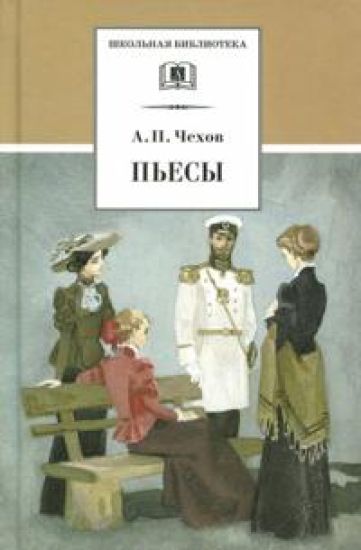
Serija rekomendovana Upravleniem obschego srednego obrazovanija Ministerstva obschego i professionalnogo obrazovanija RF. V knigu velikogo russkogo pisatelja A. P. Chekhova voshli pesy: "Chajka", "Tri sestry", "Djadja Vanja", "Vishnevyj sad". Dlja starshego shkolnogo vozrasta. Redaktor: Pecherskaja A. N. Khudozhnik: Milovanov A. N., Panov Vladimir Petrovich
Pesy: A. Ostrovskij: Groza. Bespridannitsa. A. Chekhov: Chajka. Vishnevyj sad. M. Gorkij: Na dne
Anton Chekhov; Maxim Gorki; Aleksandr Ostrovskij
Martin
2022
sidottu
A. Ostrovskij, A. Chekhov i M. Gorkij - genialnye reformatory i novatory stseny, korennym obrazom izmenivshie teatr. V etu knigu voshli pjat znamenitykh pes velikikh dramaturgov - "Groza", "Bespridannitsa", "Vishnevyj sad", "Chajka", "Na dne". Samobytnye geroi, perezhivajuschie krushenie nadezhd, razocharovanie ili neudachnuju ljubov, pytajuschiesja razobratsja, "chto luchshe, istina ili sostradanie"; jumor, poroj teplyj i mjagkij, a inogda - khlestkij i oblichitelnyj; jarkie monologi, podcherkivajuschie glubinu vnutrennego mira cheloveka - vsjo eto delaet proizvedenija etikh masterov po-prezhnemu aktualnymi. Bolee stoletija pesy ne skhodjat s podmostkov teatrov mira i uspeshno ekranizirovany. SoderzhanieA. N. Ostrovskij. GROZADrama v pjati dejstvijakhA. N. Ostrovskij. BESPRIDANNITSADrama v chetyrekh dejstvijakhA. P. Chekhov. CHAJKAKomedija v chetyrekh dejstvijakhA. P. Chekhov. VISHNEVYJ SADKomedija v chetyrekh dejstvijakhM. Gorkij. NA DNEKartiny. Chetyre akta
Pesy. Groza. Bespridannitsa. Chajka. Vishnevyj sad. Na dne
Anton Chekhov; Maxim Gorki; Aleksandr Ostrovskij
Martin
2022
nidottu
A. Ostrovskij, A. Chekhov i M. Gorkij - genialnye reformatory i novatory stseny, korennym obrazom izmenivshie teatr. V etu knigu voshli pjat znamenitykh pes velikikh dramaturgov - "Groza", "Bespridannitsa", "Vishnevyj sad", "Chajka", "Na dne". Samobytnye geroi, perezhivajuschie krushenie nadezhd, razocharovanie ili neudachnuju ljubov, pytajuschiesja razobratsja, "chto luchshe, istina ili sostradanie"; jumor, poroj teplyj i mjagkij, a inogda - khlestkij i oblichitelnyj; jarkie monologi, podcherkivajuschie glubinu vnutrennego mira cheloveka - vsjo eto delaet proizvedenija etikh masterov po-prezhnemu aktualnymi. Bolee stoletija pesy ne skhodjat s podmostkov teatrov mira i uspeshno ekranizirovany.
Paskha. Chudesnye istorii. Rasskazy russkikh pisatelej
Aleksandra Ishimova; Marija Tolmacheva; Anton Chekhov
Izdatelskij Dom Mescherjakova
2022
sidottu
Paskha, Svetloe Khristovo Voskresenie... Zvon tserkovnykh kolokolov, sotni zazhzhjonnykh v khramakh svechej, krestnyj khod, torzhestvennoe penie tserkovnogo khora s likujuschimi slovami "Khristos Voskrese!"... V kazhdom dome na stolakh paskhi, kulichi i krashenye jajtsa... Paskha vsegda byla i ostajotsja vazhnejshim i samym svetlym prazdnikom vsekh khristian. A dlja pisatelej, chjo detstvo proshlo v dorevoljutsionnoj Rossii, dnjom, kotoryj ostavil v ikh dushe nezabyvaemoe vpechatlenie, vremenem, kogda smirjaetsja dusha i zabyvaetsja "i vrazhda, i zloba, i gore".
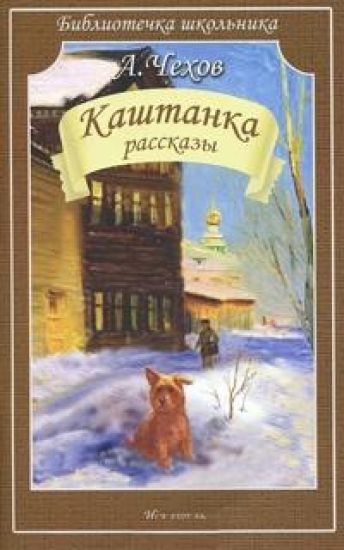
V svoikh proizvedenijakh Anton Chekhov vysmeival zhestokikh, nespravedlivykh, egoistichnykh ljudej. Prostykh zhe ljudej iz naroda Chekhov izobrazhal s bolshoj ljubovju i sochuvstviem. Obrazy detej, sozdannye pisatelem, zapominajutsja na vsju zhizn. Smeshnoj, na pervyj vzgljad, rasskaz o derevenskom malchike Vanke Zhukove, otdannom v gorod na uchene k sapozhniku, zastavljaet perezhivat za ego dalnejshuju sudbu. S dobrotoj i ljubovju rasskazyvaet Chekhov i o zhivotnykh - vernoj Kashtanke, ne prelstivshejsja sytoj zhiznju i vernuvshejsja k prezhnim khozjaevam, i malenkom bespechnom schenke Belolobom, povstrechavshemsja s volchej semej. Dlja mladshego shkolnogo vozrasta.
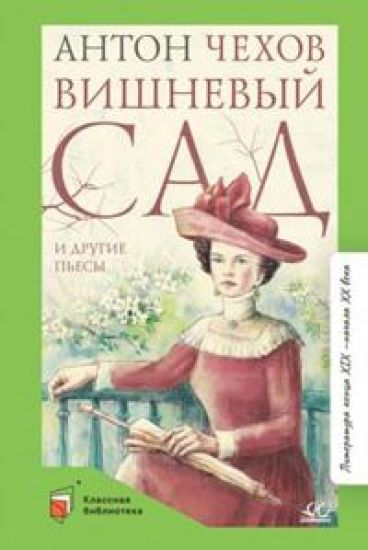
V sbornik voshlo 14 izvestnykh rasskazov A. P. Chekhova, a takzhe pesa "Vishnjovyj sad". "Tolstyj i tonkij", "Palata No 6", "Chelovek v futljare" - eti i mnogie drugie rasskazy prinesli mirovuju izvestnost velikomu russkomu pisatelju. Takikh raznykh, ego personazhej obedinjajut chuvstva toski, neudovletvorjonnosti, odinochestva. Ikh vnutrennie dushevnye perezhivanija obychno namnogo jarche, chem skuchnaja, povsednevnaja dejstvitelnost, kotoraja okruzhaet geroev. V serii "Detskaja biblioteka" predstavleny luchshie proizvedenija otechestvennoj i mirovoj literatury dlja detej ot 5 do 16 let. Eto folklor i literaturnye skazki, stikhi, rasskazy i povesti vydajuschikhsja pisatelej-klassikov. Vse proizvedenija vkhodjat v obrazovatelnye programmy po literature i rekomendovany Ministerstvom prosveschenija RF dlja izuchenija v shkole i samostojatelnogo chtenija.
Bolshinstvo chitatelej schitajut Chekhova pisatelem, chi proizvedenija polny dobrodushnogo i nezlobivogo jumora. Etot sbornik raskryvaet sovershenno inye grani ego talanta. Mrachnaja mistika i khlestkie parodii na nee. Ironicheskie detektivy, polnye chernogo jumora, i realisticheskie rasskazy, v kotorykh uzhas proiskhodjaschego dostigaet vysot, dostupnykh daleko ne kazhdomu avtoru goticheskikh romanov. Takogo Chekhova uznavat esche interesnee!
Anton Pavlovich Chekhov (1860-1904) sygral ogromnuju rol v istorii mirovoj dramaturgii i stal novatorom v etoj oblasti. V ego pesakh net grandioznykh sobytij i iskljuchitelnykh lichnostej. "Pust na stsene vse budet tak zhe prosto i tak zhe vmeste s tem slozhno, kak v zhizni. Ljudi obedajut, tolko obedajut, a v eto vremja slagaetsja ikh schaste i razbivajutsja zhizni", - tak govoril Chekhov. I dejstvitelno, ego dramy i komedii napolneny pustymi razgovorami, slovami nevpopad, sluchajnymi detaljami, pauzami, remarkami. Iz nikh skladyvaetsja pechalnaja kartina povsednevnosti, rutiny, iz kotoroj pytajutsja vyrvatsja geroi. Udastsja li? Otkrytyj final dajot prostor dlja interpretatsij... Dlja srednego i starshego shkolnogo vozrasta. Khudozhnik: Milovanov A. N., Lishaeva Tatjana Sergeevna
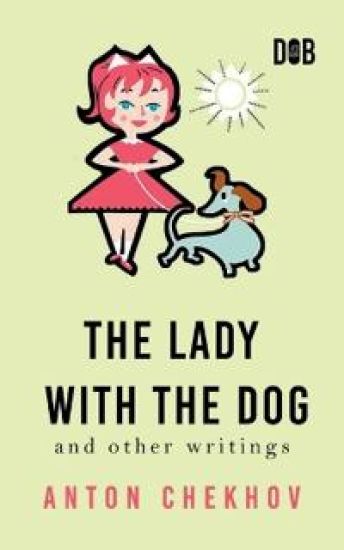
This collection of stories is made up of Ten original and imaginative tales by Anton Chekhov including his masterpiece, "The Lady with the Dog" as well as, "A Doctor's Visit", "A Gentleman Friend", "The Bet", "Misfortune", "Overwhelming Sensations", "Expensive Lessons", A Living Calendar", "Old Age", and "After The Theatre".
The Best Of Russian Short Stories
Fyodor Dostoevsky; Leo Tolstoy; Anton Chekhov
SANAGE PUBLISHING HOUSE LLP
2022
sidottu
The Greatest Short Stories of Anton Chekhov
Anton Chekhov
Fingerprint! Publishing
2022
sidottu
Halvin toimitettuna 36,90 €
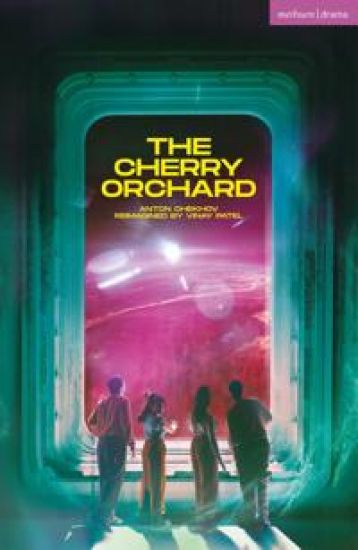
Weird isn’t it. Years of the same old thing and then suddenly, without warning, tomorrow is a stranger. An old starship. Far from Earth. Prema Ramesh, the ship’s grieving commander, seeks solace in the sacred mission of her ancestors: leading the remnants of humanity towards the Destination. A bountiful world on which their descendants will one day thrive. But after centuries in the void, the creaking vessel is falling apart, its crew is suffering. What good is a promised paradise when the present is unbearable? So when rumour spreads of another viable, much closer planet, the crew begin to dream of different possibilities. It could all end now. A new future beckons. But first the old structures must crumble. They won’t fall without a fight. A playful adaptation of Chekhov’s tragicomic final work. Joy in the infinite, loss on a galactic scale, small lives and great ambitions adrift in the cosmos. This edition is published to coincide with the world premiere at the Yard Theatre, London, in September 2022. A The Yard Theatre, ETT and HOME Manchester production, co-commissioned by The Yard Theatre and ETT.
V etot sbornik voshli luchshie pesy Chekhova - "Chajka", "Djadja Vanja", "Tri sestry" i "Vishnevyj sad". Glavnym dostoinstvom vsekh chekhovskikh pes i ego novatorstvom bylo to, chto on vpervye sdelal predmetom issledovanija melchajshie detali byta i zhizni ljudej. On opisyval povsednevnost, i imenno cherez nee chitatel uznaet o mysljakh i chuvstvakh geroev. Za vneshnim otsutstviem dejstvija skryvaetsja naprjazhennaja psikhologicheskaja zhizn ee personazhej. "Pust na stsene vse budet tak zhe slozhno i tak zhe vmeste s tem prosto, kak v zhizni. Ljudi obedajut, tolko obedajut, a v eto vremja slagaetsja ikh schaste i razbivajutsja ikh zhizni" - eto slova samogo Chekhova. Mozhno beskonechno perechityvat chekhovskuju dramaturgiju, kazhdyj raz otkryvaja v nej chto-to novoe, - rezhissery vsego mira obraschajutsja k ego pesam za poiskom novogo soderzhanija i novykh form.
Universally acclaimed as the master of the short-story form, Anton Chekhov begun his literary career as the author of brief tales and vignettes of Russian life when he was still a young medical student. Later rejected by the writer in the same self-effacing way in which he repudiated some of his most celebrated works, the stories in this collection are not only a testament to the early promise of his genius, but deserve to be appreciated for their lapidary vividness and their intrinsic stylistic quality. Mostly dealing with the lives of downtrodden "little" men and low-ranking civil servants as they steer their actions through the corruption and malpractice of Russian public officials, this volume - here presented in Stephen Pimenoff's lively new translation - bristles with wit and humour, and is tinged by that understated note of melancholy and lyricism that is a trademark of Chekhov's writing.
(The Horse-Stealers) by Anton TchekhovA HOSPITAL assistant, called Yergunov, an empty-headed fellow, known throughout the district as a great braggart and drunkard, was returning one evening in Christmas week from the hamlet of Ryepino, where he had been to make some purchases for the hospital. That he might get home in good time and not be late, the doctor had lent him his very best horse. At first it had been a still day, but at eight o'clock a violent snow-storm came on, and when he was only about four miles from home Yergunov completely lost his way. He did not know how to drive, he did not know the road, and he drove on at random, hoping that the horse would find the way of itself. Two hours passed the horse was exhausted, he himself was chilled, and already began to fancy that he was not going home, but back towards Ryepino. But at last above the uproar of the storm he heard the far-away barking of a dog, and a murky red blur came into sight ahead of him: little by little, the outlines of a high gate could be discerned, then a long fence on which there were nails with their points uppermost, and beyond the fence there stood the slanting crane of a well. The wind drove away the mist of snow from before the eyes, and where there had been a red blur, there sprang up a small, squat little house with a steep thatched roof. Of the three little windows one, covered on the inside with something red, was lighted up. What sort of place was it? Yergunov remembered that to the right of the road, three and a half or four miles from the hospital, there was Andrey Tchirikov's tavern. He remembered, too, that this Tchirikov, who had been lately killed by some sledgedrivers, had left a wife and a daughter called Lyubka, who had come to the hospital two years before as a patient. The inn had a bad reputation, and to visit it late in the evening, and especially with someone else's horse, was not free from risk. But there was no help for it. Yergunov fumbled in his knapsack for his revolver, and, coughing sternly, tapped at the window-frame with his whip. "Hey who is within?" he cried. "Hey, granny let me come in and get warm " With a hoarse bark a black dog rolled like a ball under the horse's feet, then another white one, then another black one-there must have been a dozen of them. Yergunov looked to see which was the biggest, swung his whip and lashed at it with all his might.

Uncle Vanya by Anton ChekhovUncle Vanya is a play by the Russian playwright Anton Chekhov. It was first published in 1898 and received its Moscow premi re in 1899 in a production by the Moscow Art Theatre, under the direction of Konstantin Stanislavski. The play portrays the visit of an elderly professor and his glamorous, much younger second wife, Yelena, to the rural estate that supports their urban lifestyle. Two friends-Vanya, brother of the professor's late first wife, who has long managed the estate, and Astrov, the local doctor-both fall under Yelena's spell, while bemoaning the ennui of their provincial existence. Sonya, the professor's daughter by his first wife, who has worked with Vanya to keep the estate going, suffers from her unrequited feelings for Dr. Astrov. Uncle Vanya is unique among Chekhov's major plays because it is essentially an extensive reworking of his own play published a decade earlier, The Wood Demon. By elucidating the specific changes Chekhov made during the revision process-these include reducing the cast-list from almost two dozen down to nine, changing the climactic suicide of The Wood Demon into the famous failed homicide of Uncle Vanya, and altering the original happy ending into a more problematic, less final resolution-critics such as Donald Rayfield, Richard Gilman, and Eric Bentley have sought to chart the development of Chekhov's dramaturgical method through the 1890s. Rayfield cites recent scholarship suggesting Chekhov revised The Wood Demon during his trip to the island of Sakhalin, a prison colony in Eastern Russia, in 1891. Aleksandr Vladimirovich Serebryakov (Александр Владимирович Серебряков): a retired university professor, who has lived for years in the city on the earnings of his late first wife's rural estate, managed for him by Vanya and Sonya. Helena Andreyevna Serebryakova (Yelena) (Елена Андреевна Серебрякова): Professor Serebryakov's young and beautiful second wife. She is 27 years old. Sofia Alexandrovna Serebryakova (Sonya) (Софья Александровна Серебрякова): Professor Serebryakov's daughter from his first marriage. She is of a marriageable age, but is considered plain. Maria Vasilyevna Voynitskya (Мария Васильевна Войницкая): the widow of a privy councilor and mother of Vanya (and of Vanya's late sister, the Professor's first wife). Ivan Petrovich Voynitsky ("Uncle Vanya") (Иван Петрович Войницкий): Maria's son and Sonya's uncle, the title character of the play. He is 47 years old.