Kirjojen hintavertailu – 12 859 819 kirjaa ja 27 kauppaa

Kirjailija

Anton Chekhov

Kirjat ja teokset yhdessä paikassa: 644 kirjaa, julkaisuja vuosilta 1896–2026, suosituimpiin kuuluu Anton Chekhov's Selected Plays. Vertaile teosten hintoja ja tarkista saatavuus suomalaisista kirjakaupoista.

644 kirjaa

Kirjojen julkaisuvuodet: 1896–2026.

The Wife and Other Stories

The Wife and Other Stories

Anton Chekhov

Lulu.com
2022
pokkari
The Wife and Other Stories by Anton ChekhovI RECEIVED the following letter: "DEAR SIR, PAVEL ANDREITCH "Not far from you-that is to say, in the village of Pestrovo-very distressing incidents are taking place, concerning which I feel it my duty to write to you. All the peasants of that village sold their cottages and all their belongings, and set off for the province of Tomsk, but did not succeed in getting there, and have come back. Here, of course, they have nothing now everything belongs to other people. They have settled three or four families in a hut, so that there are no less than fifteen persons of both sexes in each hut, not counting the young children and the long and the short of it is, there is nothing to eat. There is famine and there is a terrible pestilence of hunger, or spotted, typhus literally every one is stricken. The doctor's assistant says one goes into a cottage and what does one see? Every one is sick, every one delirious, some laughing, others frantic the huts are filthy there is no one to fetch them water, no one to give them a drink, and nothing to eat but frozen potatoes. What can Sobol (our Zemstvo doctor) and his lady assistant do when more than medicine the peasants need bread which they have not? The District Zemstvo refuses to assist them, on the ground that their names have been taken off the register of this district, and that they are now reckoned as inhabitants of Tomsk and, besides, the Zemstvo has no money. "Laying these facts before you, and knowing your humanity, I beg you not to refuse immediate help. "Your well-wisher." Obviously the letter was written by the doctor with the animal name* or his lady assistant. Zemstvo doctors and their assistants go on for years growing more and more convinced every day that they can do nothing, and yet continue to receive their salaries from people who are living upon frozen potatoes, and consider they have a right to judge whether I am humane or not. *Sobol in Russian means "sable-marten."-TRANSLATOR'S NOTE. Worried by the anonymous letter and by the fact that peasants came every morning to the servants' kitchen and went down on their knees there, and that twenty sacks of rye had been stolen at night out of the barn, the wall having first been broken in, and by the general depression which was fostered by conversations, newspapers, and horrible weather-worried by all this, I worked listlessly and ineffectively.
The Seagull

The Seagull

Anton Chekhov

Lulu.com
2022
pokkari
The Seagull by Anton ChekhovThe Seagull is a play by Russian dramatist Anton Chekhov, written in 1895 and first produced in 1896. The Seagull is generally considered to be the first of his four major plays. It dramatises the romantic and artistic conflicts between four characters: the famous middlebrow story writer Boris Trigorin, the ingenue Nina, the fading actress Irina Arkadina, and her son the symbolist playwright Konstantin Treplyov. Though the character of Trigorin is considered Chekhov's greatest male role, like Chekhov's other full-length plays, The Seagull relies upon an ensemble cast of diverse, fully developed characters. In contrast to the melodrama of mainstream 19th-century theatre, lurid actions (such as Konstantin's suicide attempts) are not shown onstage. Characters tend to speak in ways that skirt around issues rather than addressing them directly in other words, their lines are full of what is known in dramatic practice as subtext. The opening night of the first production was a famous failure. Vera Komissarzhevskaya, playing Nina, was so intimidated by the hostility of the audience that she lost her voice. Chekhov left the audience and spent the last two acts behind the scenes. When supporters wrote to him that the production later became a success, he assumed that they were merely trying to be kind. When Konstantin Stanislavski, the seminal Russian theatre practitioner of the time, directed it in 1898 for his Moscow Art Theatre, the play was a triumph. Stanislavski's production of The Seagull became "one of the greatest events in the history of Russian theatre and one of the greatest new developments in the history of world drama". Stanislavski is also the director that caused The Seagull to be perceived as a tragedy by becoming overzealous with the concept of subtext, whereas Chekhov intended for it to be a comedy. After purchasing the Melikhovo farm in 1892, Chekhov had built in the middle of a cherry orchard a lodge consisting of three rooms, one containing a bed and another a writing table. In spring, when the cherries were in blossom, it was pleasant to live in this lodge, but in winter it was so buried in the snow that pathways had to be cut to it through drifts as high as a man. Chekhov eventually moved in and in a letter written in October 1895 wrote: I am writing a play which I shall probably not finish before the end of November. I am writing it not without pleasure, though I swear fearfully at the conventions of the stage.
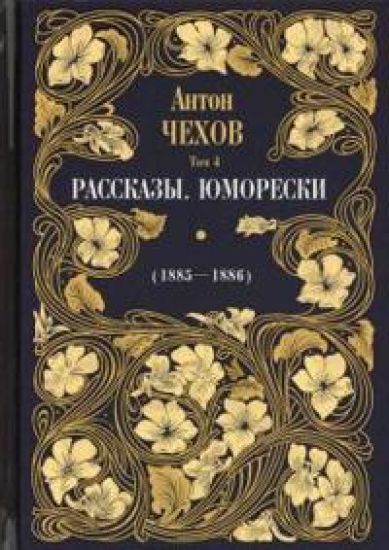
Rasskazy. Jumoreski (1885-1886). Tom 4

Rasskazy. Jumoreski (1885-1886). Tom 4

Anton Chekhov

Ripol Klassik
2021
sidottu
Samye ostroumnye rasskazy Antona Pavlovicha Chekhova. Rasskazy, v kotorykh on zlo i besposchadno smeetsja nad meschanstvom chinovnikov i kommersantov, nad vostorzhennostju i glupostju provintsialnykh krasotok i khischnym praktitsizmom stolichnykh "lvits", nad prekrasnodushiem i lenju intelligentsii i kaznokradstvom i zhadnostju lits, oblechennykh vlastju. Inogda eto smekh skvoz slezy, a inogda jumor rasskazov Chekhova prevraschaetsja v zhestkuju satiru, aktualnuju v nashi dni. Vremena menjajutsja, no chitatel po-prezhnemu uznaet v personazhakh Chekhova ljudej, s kotorymi vstrechaetsja ezhednevno.
Povesti. Rasskazy. Jumoreski (1884-1885). Tom 3
Samye ostroumnye rasskazy Antona Pavlovicha Chekhova. Rasskazy, v kotorykh on zlo i besposchadno smeetsja nad meschanstvom chinovnikov i kommersantov, nad vostorzhennostju i glupostju provintsialnykh krasotok i khischnym praktitsizmom stolichnykh "lvits", nad prekrasnodushiem i lenju intelligentsii i kaznokradstvom i zhadnostju lits, oblechennykh vlastju. Inogda eto smekh skvoz slezy, a inogda jumor rasskazov Chekhova prevraschaetsja v zhestkuju satiru, aktualnuju v nashi dni. Vremena menjajutsja, no chitatel po-prezhnemu uznaet v personazhakh Chekhova ljudej, s kotorymi vstrechaetsja ezhednevno.
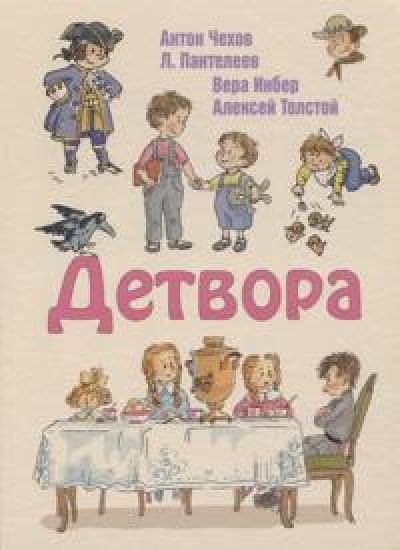
Detvora

Detvora

Anton Chekhov; Leonid Panteleev; Aleksei Tolstoi

Enas-Kniga
2021
sidottu
V sbornik vkljucheny shiroko izvestnye rasskazy klassikov russkoj literatury, napisannye o detjakh i dlja detej. Ironichnye, svetlye i dobrye istorii o malenkikh prokaznikakh zastavjat ulybnutsja i junykh chitatelej, i ikh roditelej. Dlja mladshego shkolnogo vozrasta. Khudozhnik: Vlasova A. Ju.
Malchiki i drugie rasskazy

Malchiki i drugie rasskazy

Anton Chekhov

Kacheli
2021
sidottu
"V detstve u menja ne bylo detstva", - pisal Anton Pavlovich Chekhov, vspominaja rannie gody svoej zhizni. Posle urokov on i ego bratja dolzhny byli pomogat torgovat ottsu, kuptsu tretej gildii, derzhavshemu bakalejnuju lavku v Taganroge. Zdes zhe, v lavke, oni uryvkami delali uroki, mechtaja poskoree vyrvatsja iz etogo plena. "Samoe skvernoe i gorkoe bylo to, chto u nas pochti vovse ne bylo vremeni dlja togo, chtoby porezvitsja, poshalit, pobegat i otdokhnut". O tom, chto eti gody ne zabylis, svidetelstvujut rasskazy Chekhova o detjakh, v kotorykh on tak zhivo i neposredstvenno povestvuet o detskikh radostjakh i gorestjakh, chto ponevole pronikaeshsja samoj iskrennej simpatiej k ego gerojam. Kogda vsjo semejstvo Koroljovykh brosilos vstrechat syna Volodju i ego druga Chechevitsyna, nikto dazhe ne dogadyvalsja, chto pered nimi vovse ne dva junykh gimnazista, priekhavshikh na kanikuly, a Montigomo Jastrebinyj Kogot, vozhd nepobedimykh, i ego blednolitsyj brat. I otpravjatsja eti besstrashnye voiny ne kuda-nibud, a v Ameriku - srazhatsja s tigrami i dikarjami, dobyvat zoloto i slonovuju kost, ubivat vragov i nanimatsja v morskie razbojniki. Uzhe byla prorabotana karta pokhoda i dobyty vse neobkhodimye v doroge veschi. O tom, kak sorvalsja etot derzkij plan i pochemu "voiny" ne smogli uekhat dalshe vokzala blizhajshego goroda, Chekhov povestvuet v rasskaze "Malchiki" s dobroj ironiej i bolshim sochuvstviem k personazham. Takzhe v knigu voshli rasskazy "Vanka", "Zloj malchik", "Sluchaj s klassikom", "Belolobyj", "Kashtanka". Dlja detej mladshego shkolnogo vozrasta.
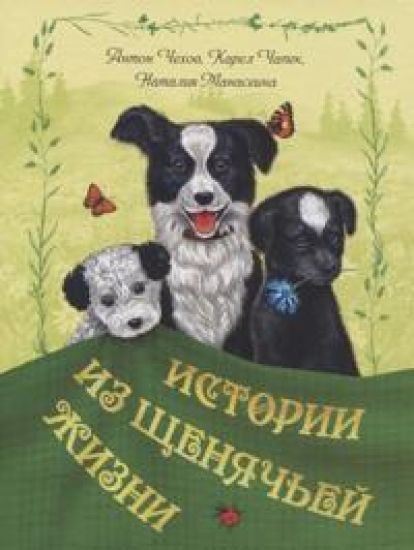
Istorii iz schenjachej zhizni

Istorii iz schenjachej zhizni

Karel Chapek; N. Manaseina; Anton Chekhov

Enas-Kniga
2021
sidottu
Porodistye i dvorovye, ozornye, balovannye i otvazhnye... V etoj knige sobrany tri istorii ob ochen raznykh schenkakh. Junomu chitatelju navernjaka ponravjatsja i otvazhnyj Belolobyj, geroj khrestomatijnogo rasskaza A. P. Chekhova, i neposlushnaja Butuzka iz odnoimennogo rasskaza N. I. Manaseinoj i ocharovatelnaja Dashenka izvestnogo cheshskogo pisatelja Karela Chapeka. Vse schenki v etoj knige - kak zhivye blagodarja chudesnym illjustratsijam Viktorii Denisovoj. Dlja mladshego shkolnogo vozrasta. Khudozhnik: Venisova V.
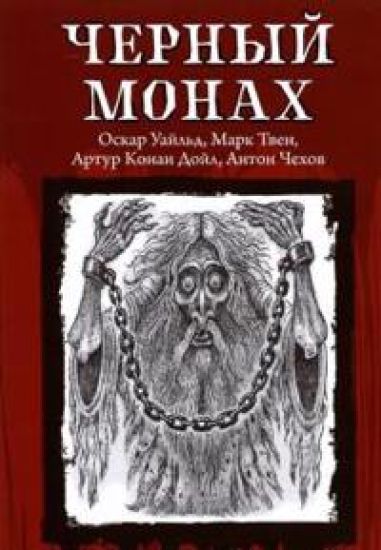
Chernyj monakh

Chernyj monakh

Anton Chekhov; Arthur Doyle; Oscar Wilde

Feniks
2021
nidottu
Samye zakhvatyvajuschie proizvedenija, vkhodjaschie v "zolotoj fond" mirovoj literatury uzhasov. Ljubiteli poschekotat sebe nervy ne dolzhny prokhodit mimo etoj serii! Na stranitsakh knig ozhivut samye strashnye nochnye koshmary, ot drevnikh bogov Lavkrafta do vedm Gogolja. Chitatel prikosnjotsja k drevnim okkultnym tajnam, posetit uzhasnye i tainstvennye miry, sozdannye fantaziej velikikh pisatelej. Ne chitajte eti knigi na noch! Khudozhnik: Ivanov Ivan
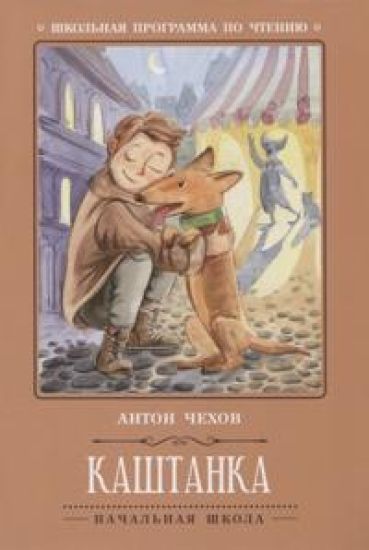
Kashtanka

Kashtanka

Anton Chekhov

Feniks
2021
nidottu
Anton Pavlovich Chekhov (1860-1904) - russkij pisatel i dramaturg, izvestnyj vo vsem mire. Buduschij pisatel rodilsja v Taganroge v kupecheskoj seme i s malykh let pomogal ottsu v ego lavke. V 1884 godu A. P. Chekhov okonchil meditsinskij fakultet Moskovskogo universiteta i zanjalsja vrachebnoj praktikoj. Pisat on nachal eschjo v studencheskie gody - v 1880 godu v zhurnale "Strekoza" byli napechatany eju rasskaz i jumoreska. V 1890 godu A. P . Chekhov otpravilsja na Sakhalin - ostrov tsarskoj katorgi i ssylki, chtoby izuchit istoriju i byt katorzhnikov. V 1896 godu pisatel zakanchivaet rabotu nad pesoj "Djadja Vanja", sovershivshej perevorot v dramaturgii togo vremeni. Vsego zhe za 25 let tvorchestva A. P. Chekhov sozdal bolee 300 razlichnykh proizvedenij, mnogie iz kotorykh stati klassikoj mirovoj literatury. Osnovoj dlja sjuzheta rasskaza "Kashtanka" (1887) posluzhila istorija, proizoshedshaja s dressirovschikom Vladimirom Durovym. Eto on nashjol Kashtanku i rasskazal pro nejo A. P. Chekhovu. Avtor slovno smotrit na mir ejo glazami, oschuschaet ejo strakhi, radosti, vidit ejo sny. Sobachej vernosti i predannosti, po mneniju pisatelja, net granits - Kashtanka, vystupaja v tsirke, brosaetsja k prezhnemu khozjainu, kotorogo ona poterjala v nachale rasskaza. I pust on inogda plokho kormil ejo, krichat, no Kashtanka vse ravno ljubila ego i skuchala po nemu. Khudozhnik: Buslaeva E.
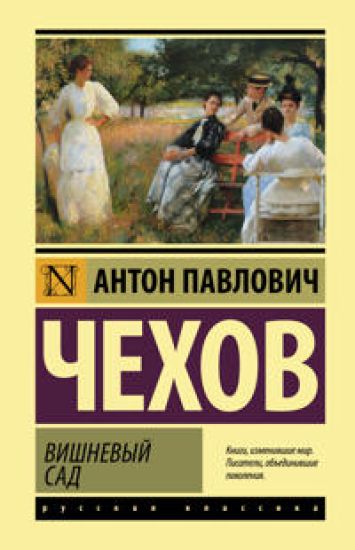
Vishnevyj sad

Vishnevyj sad

Anton Chekhov

Ast
2021
sidottu
V etot sbornik voshli luchshie pesy Chekhova - "Chajka", "Djadja Vanja", "Tri sestry" i "Vishnevyj sad". Glavnym dostoinstvom vsekh chekhovskikh pes i ego novatorstvom bylo to, chto on vpervye sdelal predmetom issledovanija melchajshie detali byta i zhizni ljudej. On opisyval povsednevnost, i imenno cherez nee chitatel uznaet o mysljakh i chuvstvakh geroev. Za vneshnim otsutstviem dejstvija skryvaetsja naprjazhennaja psikhologicheskaja zhizn ee personazhej. "Pust na stsene vse budet tak zhe slozhno i tak zhe vmeste s tem prosto, kak v zhizni. Ljudi obedajut, tolko obedajut, a v eto vremja slagaetsja ikh schaste i razbivajutsja ikh zhizni" - eto slova samogo Chekhova. Mozhno beskonechno perechityvat chekhovskuju dramaturgiju, kazhdyj raz otkryvaja v nej chto-to novoe, - rezhissery vsego mira obraschajutsja k ego pesam za poiskom novogo soderzhanija i novykh form.
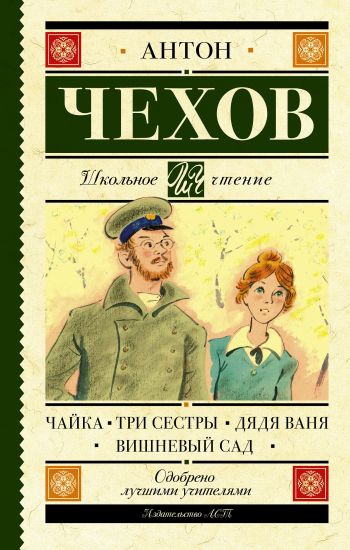
Chajka. Tri sestry. Djadja Vanja. Vishnevyj sad

Chajka. Tri sestry. Djadja Vanja. Vishnevyj sad

Anton Chekhov

Ast
2021
sidottu

Halvin toimitettuna 14,80 €

Anton Pavlovich Chekhov (1860-1904) - russkij pisatel, prozaik, dramaturg, klassik mirovoj literatury. V knigu voshli samye izvestnye pesy A. P. Chekhova "Chajka", "Djadja Vanja", "Tri sestry", "Vishnevyj sad". Snachala "Chajka" provalilas, no cherez dva goda v postanovke Moskovskogo Khudozhestvennogo teatra pesa imela oshelomljajuschij uspekh i stala simvolom teatra. Zdes zhe byli postavleny "Djadja Vanja", "Tri sestry" i "Vishnevyj sad". Pesy A. P. Chekhova ne skhodjat so stsen teatrov vsego mira. Vozmozhno, sekret takoj populjarnosti v osobom vzgljade avtora na chelovecheskie vzaimootnoshenija i osobom sposobe ikh izobrazhenija v khudozhestvennom tekste. "Pust na stsene vse budet tak zhe slozhno i tak zhe vmeste s tem prosto, kak i v zhizni, - govoril Chekhov. - Ljudi obedajut, tolko obedajut, a v eto vremja slagaetsja ikh schaste i razbivajutsja ikh zhizni".
Best Russian Short Stories

Best Russian Short Stories

Count Leo Tolstoy; Anton Chekhov

Classy Publishing
2021
nidottu
An enchanting collection of the very best of Russian Stories. A comprehensive anthology of the Russian short stories in the English language by some of the best and most well known Russian authors in the early 1900s. Contains 19 stories which include- The Queen of Spades by A. S. Pushkin, The Cloak by N. V. Gogol, The District Doctor by I. S. Turgenev, The Christmas Tree and The Wedding by F. M. Dostoyevsky, God Sees The Truth, But Waits by L. N. Tolstoy, How a Muzhik Fed Two Officials by M. Y. Saltykov, The Shades, A Phantasy by V. G. Korolenko, The Signal by V. N. Garshin, The Darling by A. P. Chekhov, The Bet by A. P. Chekhov, Vanka by A. P. Chekhov, Hide and Seek by F. K. Sologub, Dethroned by I. N. Potapenko, The Servant by S. T. Semyonov, One Autumn Night by M. Gorky, Her Lover by M. Gorky, Lazarus by L. N. Andreyev, The Revolutionist by M. P. Artzybashev, The Outrage by A. I. Kuprin.
The Schoolmistress and Other Stories

The Schoolmistress and Other Stories

Anton Chekhov

Mint Editions
2021
sidottu
The Schoolmistress and Other Stories (1920) is a collection of short stories by Russian writer Anton Chekhov. “The Schoolmistress” was written in 1897 and published in an issue of Moscow’s daily newspaper Russkiye Vedomosti. Even for Chekhov, whose work is characteristically bleak and noted for its unsparing realism, the title story of this collection is particularly hopeless. And yet, reading it alongside these other stories by a true icon of world and Russian literature, one cannot help but feel a sense of hope, reminded—as Chekhov’s readers almost invariably are—of the light one finds in even the darkest of places. “The Schoolmistress,” which Chekhov wrote in Nice, is a brief story that follows Maria Vasilyevna as she returns to the village where she lives and works after collecting her pay in town. On the way, her cart nearly overturns, and she is forced to get out in the middle of a freezing river. To dry off, she takes a break at a local tavern, where she meets the formerly handsome Khanov, a landlord of her acquaintance. As she continues on her journey, she muses on her lot in life. Beset with memories and regrets, she struggles to make it home to a life she can hardly bear. “A Nervous Breakdown,” originally published in 1889, is the story of a young law student who reluctantly agrees to accompany his friends on a night in Moscow’s red-light district. Overwhelmed with despair and guilt, he struggles to reconcile what he sees with his own idealistic sense of the world. These are only two of the twenty-one works collected in The Schoolmistress and Other Stories, which showcase the immense talents of Anton Chekhov, an icon of Russian literature. With a beautifully designed cover and professionally typeset manuscript, this edition of Anton Chekhov’s The Schoolmistress and Other Stories is a classic of Russian literature reimagined for modern readers.
The Bishop and Other Stories

The Bishop and Other Stories

Anton Chekhov

Mint Editions
2021
sidottu
The Bishop and Other Stories (1919) is a collection of short stories by Russian writer Anton Chekhov. The title story of the collection, originally published in 1902, finds the author at his most introspective. Written while Chekhov was dealing with the long term effects of tuberculosis, a period in which he began to accept the inevitability of his own death, “The Bishop” is a meditative story that follows a dedicated man who, in the face of oblivion, wants nothing more than to go about his work to the best of his ability. “The Bishop” is the story of a man named Pyotr. Set during Easter Week, it begins while Pyotr is passing out palms at a service on the night before Palm Sunday. As he begins to feel faint, he sees his mother—whose presence he did not expect—and begins to cry. Over the next several days, Pyotr goes about his duties, caring for the sick and dying, officiating at the local cathedral, and meeting with his colleagues, all while growing sicker and increasingly irritable. As he succumbs to typhoid fever, his mother and his faith are all he has left in a world that will soon forget him. “The Letter” is a similarly religious, earlier story in which a conversation between two priests, Father Orlov and Father Anastasi, is interrupted by the deacon. As the three discuss what is to be done with the deacon’s wayward son, the difference between morality and mercy is illuminated for all to see. The Bishop and Other Stories is a collection of seven short works of fiction by Russian literary icon Anton Chekhov. With a beautifully designed cover and professionally typeset manuscript, this edition of Anton Chekhov’s The Bishop and Other Stories is a classic of Russian literature reimagined for modern readers.