Kirjojen hintavertailu – 12 859 827 kirjaa ja 27 kauppaa

Kirjailija

Confucius

Kirjat ja teokset yhdessä paikassa: 145 kirjaa, julkaisuja vuosilta 1979–2027, suosituimpiin kuuluu Confucian Analects. Vertaile teosten hintoja ja tarkista saatavuus suomalaisista kirjakaupoista.

Nimi esiintyy myös muodoissa: * Confucius

145 kirjaa

Kirjojen julkaisuvuodet: 1979–2027.

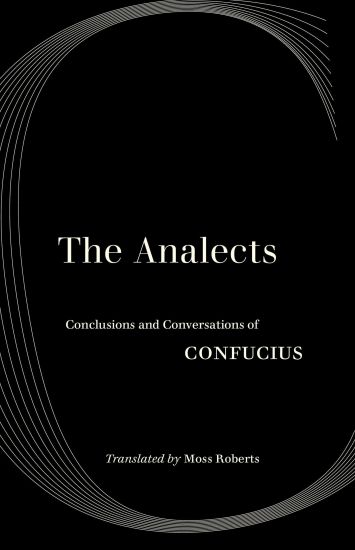
The Analects

The Analects

Confucius

University of California Press
2020
pokkari
A fresh translation of one of the most recognized texts of the premodern world: The Analects is a must-read for those interested in China's past, present, and future. This new translation by renowned East Asian scholar Moss Roberts offers a fresh interpretation of this classic work, sharpening and clarifying Confucius's positions on ethics, politics, and social organization. While no new edition of The Analects will wholly transform our understanding of Confucius’s teachings, Roberts’s translation attends to the many nuances in the text that are often overlooked, allowing readers a richer understanding of Confucius’ historic and heroic attempt to restore order and morality to government. This edition features a critical introduction by the translator as well as notes on key terms and historical figures, a topical index, and suggestions for further reading in recent English and Chinese scholarship to extend the rich contextual background of the translation. This ambitious new edition of The Analects will enhance the understanding of specialists and newcomers to Confucius alike.
365 pensées et citations inspirantes

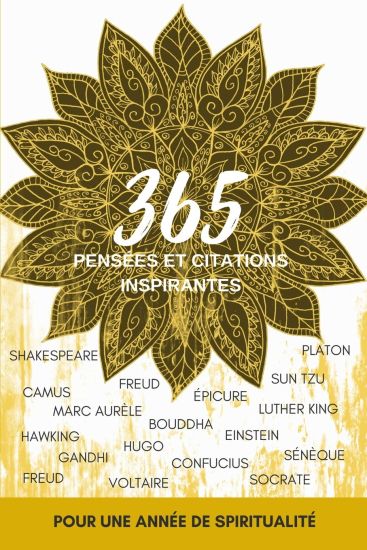
365 pensées et citations inspirantes

Confucius; Sénèque; Shakespeare

Independently Published
2019
nidottu
Chaque jour de l'ann e, d couvrez une pens e ou une citation des plus grands ma tres spirituels Ecrites par les plus illustres philosophes antiques (Platon, S n que, picure, Socrate...), par les meilleurs repr sentants des philosophies zen, asiatiques et boudhistes (Confucius, Sun Tzu, Bouddha, Gandhi...), par les auteurs et po tes les plus talentueux de leur si cle (William Shakespeare, Victor Hugo, Albert Camus, Lamartine, Jean-Paul Sartre...), en passant par les figures marquantes de l'humanit (Abb Pierre, Emmanuel Kant, Steeve Jobs, Voltaire, Albert Einstein, Nelson Mandela, Martin Luther King...), ces 365 citations vous accompagneront tout au long de l'ann e pour vous apporter s r nit et spiritualit . Cette ph m ride se termine par un Index par Auteurs afin de vous permettre de profiter plus rapidement des maximes de vos auteurs pr f r s.
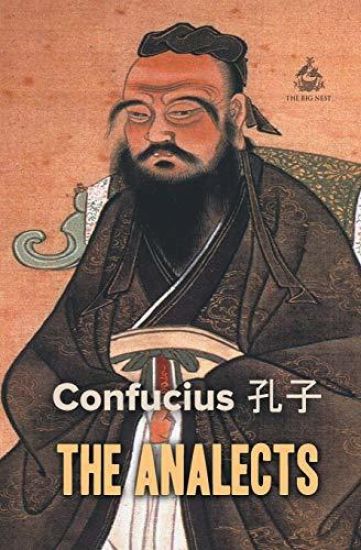
The Analects

The Analects

Confucius

Big Nest
2018
pokkari
Confucius believed that the welfare of a country depended on the moral cultivation of its people, beginning from the nation's leadership. He believed that individuals could begin to cultivate an all-encompassing sense of virtue through ren, and that the most basic step to cultivating ren was devotion to one's parents and older siblings. He taught that one's individual desires do not need to be suppressed, but that people should be educated to reconcile their desires via rituals and forms of propriety, through which people could demonstrate their respect for others and their responsible roles in society. Confucius was a Chinese teacher, editor, politician, and philosopher of the Spring and Autumn period of Chinese history. The philosophy of Confucius emphasized personal and governmental morality, correctness of social relationships, justice and sincerity.
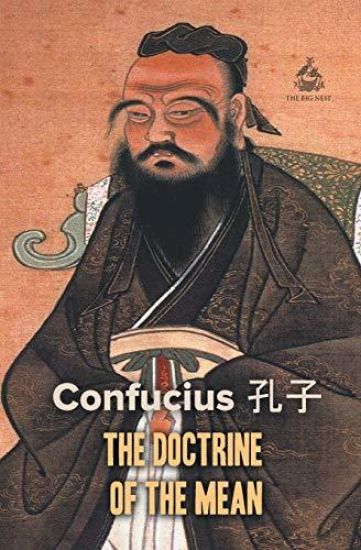
The Doctrine of the Mean

The Doctrine of the Mean

Confucius

Big Nest
2018
pokkari
The Doctrine of the Mean is a text rich with symbolism and guidance to perfecting oneself. The person who follows the mean is on a path of duty and must never leave it. A superior person is cautious, a gentle teacher and shows no contempt for his or her inferiors. Confucius was a Chinese teacher, editor, politician, and philosopher of the Spring and Autumn period of Chinese history. The philosophy of Confucius emphasized personal and governmental morality, correctness of social relationships, justice and sincerity.
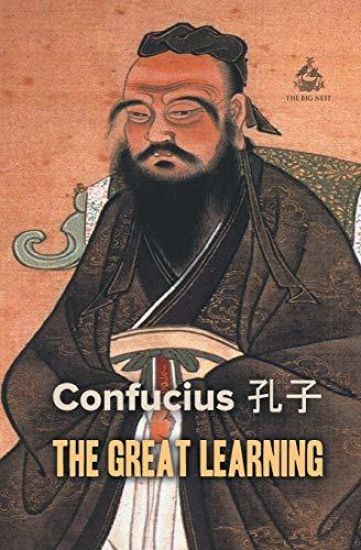
The Great Learning

The Great Learning

Confucius

Big Nest
2018
pokkari
What the great learning teaches, is to illustrate illustrious virtue; to renovate the people; and to rest in the highest excellence. The point where to rest being known, the object of pursuit is then determined; and, that being determined, a calm unperturbedness may be attained to. To that calmness there will succeed a tranquil repose. In that repose there may be careful deliberation, and that deliberation will be followed by the attainment of the desired end. Confucius was a Chinese teacher, editor, politician, and philosopher of the Spring and Autumn period of Chinese history. The philosophy of Confucius emphasized personal and governmental morality, correctness of social relationships, justice and sincerity.
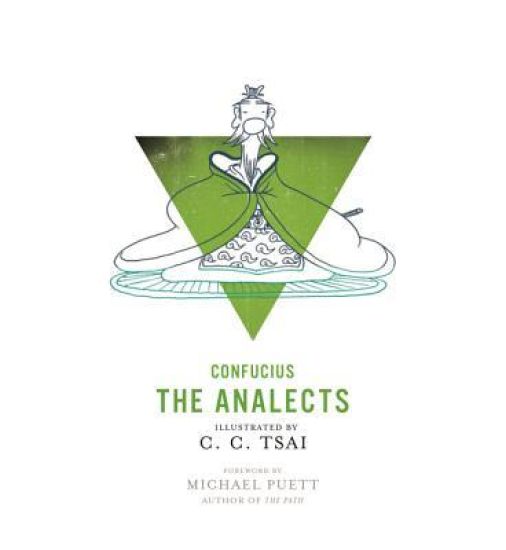
The Analects

The Analects

Confucius; Michael Puett

Princeton University Press
2018
nidottu
For the first time in one volume, The Analects illustrated by bestselling cartoonist C. C. TsaiC. C. Tsai is one of Asia's most popular cartoonists, and his editions of the Chinese classics have sold more than 40 million copies in over twenty languages. This volume presents Tsai's delightful graphic adaptation of The Analects, one of the most influential books of all time and a work that continues to inspire countless readers today. Tsai's expressive drawings bring Confucius and his students to life as no other edition of the Analects does. See Confucius engage his students over the question of how to become a leader worth following in a society of high culture, upward mobility, and vicious warfare. Which virtues should be cultivated, what makes for a harmonious society, and what are the important things in life? Unconcerned with religious belief but a staunch advocate of tradition, Confucius emphasizes the power of society to create sensitive, respectful, and moral individuals. In many ways, Confucius speaks directly to modern concerns--about how we can value those around us, educate the next generation, and create a world in which people are motivated to do the right thing. A marvelous introduction to a timeless classic, this book also features an illuminating foreword by Michael Puett, coauthor of The Path: What Chinese Philosophers Can Teach Us about the Good Life. In addition, Confucius's original Chinese text is artfully presented in narrow sidebars on each page, enriching the books for readers and students of Chinese without distracting from the self-contained English-language cartoons. The text is skillfully translated by Brian Bruya, who also provides an introduction.
The Analects of Confucius

The Analects of Confucius

James Legge; Confucius

Createspace Independent Publishing Platform
2018
nidottu
The Analects of Confucius: Confucian Analects the Great Learning the Doctrine of the Mean: The Chinese Classics: With a translation, critical and exegetical notes, prolegomena, and copious indexes by James Legge. The Analects also known as the Analects of Confucius, is a collection of sayings and ideas attributed to the Chinese philosopher Confucius and his contemporaries, traditionally believed to have been compiled and written by Confucius's followers. It is believed to have been written during the Warring States period (475-221 BC), and it achieved its final form during the mid-Han dynasty (206 BC-220 AD). By the early Han dynasty the Analects was considered merely a "commentary" on the Five Classics, but the status of the Analects grew to be one of the central texts of Confucianism by the end of that dynasty.
The Morals of Confucius, a Chinese Philosopher, ... Being One of the Choicest Pieces of Learning Remaining of That Nation
The 18th century was a wealth of knowledge, exploration and rapidly growing technology and expanding record-keeping made possible by advances in the printing press. In its determination to preserve the century of revolution, Gale initiated a revolution of its own: digitization of epic proportions to preserve these invaluable works in the largest archive of its kind. Now for the first time these high-quality digital copies of original 18th century manuscripts are available in print, making them highly accessible to libraries, undergraduate students, and independent scholars. The Age of Enlightenment profoundly enriched religious and philosophical understanding and continues to influence present-day thinking. Works collected here include masterpieces by David Hume, Immanuel Kant, and Jean-Jacques Rousseau, as well as religious sermons and moral debates on the issues of the day, such as the slave trade. The Age of Reason saw conflict between Protestantism and Catholicism transformed into one between faith and logic -- a debate that continues in the twenty-first century.++++The below data was compiled from various identification fields in the bibliographic record of this title. This data is provided as an additional tool in helping to insure edition identification: ++++British LibraryT213641Translated and abridged from the Latin translation of Prospero Intorcetta, Philippe Couplet, and others, or from an intervening French translation attributed to Louis Cousin or Jean de La Brune. In fact printed ca. 1780; the imprint reproduces that of thLondon: printed for Randal Taylor, 1691 1780?]. xx,183, 1]p., plate; 12
Confucian Analects

Confucian Analects

Confucius

Wilder Publications
2018
sidottu
The superior man bends his attention to what is radical. That being established, all practical courses naturally grow up. Filial piety and fraternal submission, -are they not the root of all benevolent actions? To rule a country of a thousand chariots, there must be reverent attention to business, and sincerity; economy in expenditure, and love for men; and the employment of the people at the proper seasons. If a man withdraws his mind from the love of beauty, and applies it as sincerely to the love of the virtuous; if, in serving his parents, he can exert his utmost strength; if, in serving his prince, he can devote his life; if, in his intercourse with his friends, his words are sincere: -although men say that he has not learned, I will certainly say that he has. Without an acquaintance with the rules of Propriety, it is impossible for the character to be established. Without knowing the force of words, it is impossible to know me