Kirjojen hintavertailu – 12 859 827 kirjaa ja 27 kauppaa

Kirjailija

Daniel Kahneman

Kirjat ja teokset yhdessä paikassa: 44 kirjaa, julkaisuja vuosilta 2007–2027, suosituimpiin kuuluu HBR's 10 Must Reads on Making Smart Decisions (with featured article "Before You Make That Big Decision..." by Daniel Kahneman, Dan Lovallo, and Olivier Sibony). Vertaile teosten hintoja ja tarkista saatavuus suomalaisista kirjakaupoista.

44 kirjaa

Kirjojen julkaisuvuodet: 2007–2027.
Støy; når dømmekraften svikter

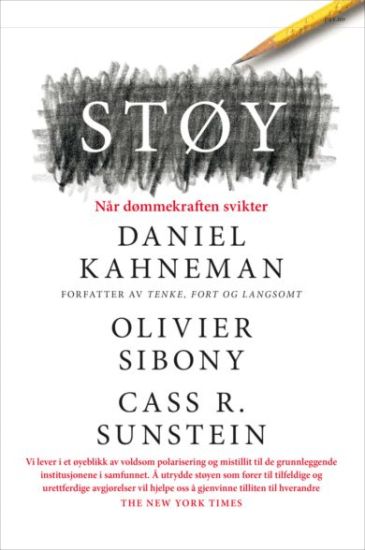
Støy; når dømmekraften svikter

Daniel Kahneman; Olivier Sibony; Cass R. Sunstein

Pax
2021
sidottu
Se for deg at to leger i samme by gir totalt ulike diagnoser til identiske pasienter - eller at to dommere ved samme domstol idømmer helt ulike straffer til folk som har begått nøyaktig samme type kriminalitet. Sett at når et selskap behandler klager fra kundene, avhenger utfallet av hvilken kundebehandler som får jobben. Forestill deg videre at den samme legen, den samme dommeren eller kundebehandleren kommer til ulike resultater avhengig av om det er før eller etter lunsj, eller mandag fremfor fredag. Dette er eksempler på «støy»: variabilitet i avgjørelser som burde vært identiske. Våre vurderinger, og det inkluderer de såkalte ekspertenes, er mye mer preget av tilfeldigheter enn vi er klar over. Men både enkeltmennesker og organisasjoner er som regel helt uvitende om i hvor stor grad tilfeldighetene herjer. I hvilken grad folk vil motsi sine egne tidligere avgjørelser når de presenteres for samme problemstilling på nytt, er en indikator på mengden støy. Fenomenet reduserer kvaliteten på vurderinger og beslutninger over alt, i næringslivet, i privatlivet og i samfunnet for øvrig. Denne boken presenterer systemer for å måle støy. Det viser seg dessverre at det ikke blir mindre støy av at beslutningstakerne er erfarne. En mulig løsning er i større grad å erstatte menneskelig vurdering med algoritmer, men også andre effektive metoder finnes - når man først har blitt klar over problemet.
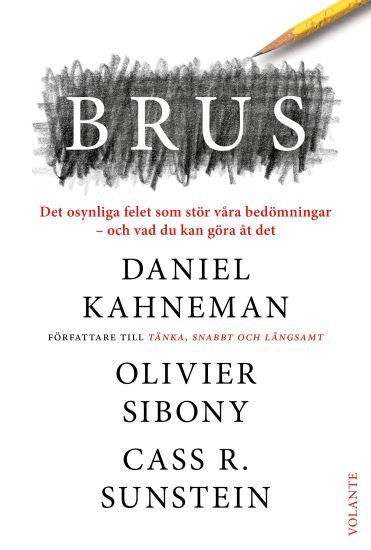
Brus : det osynliga felet som stör våra bedömningar - och vad du kan göra åt det

Brus : det osynliga felet som stör våra bedömningar - och vad du kan göra åt det

Daniel Kahneman; Cass R. Sunstein; Olivier Sibony
Volante
2021
sidottu
VARJE GÅNG DU GÖR EN BEDÖMNING ELLER FATTAR ETT BESLUT, PÅVERKAS DU AV BRUSET. Nobelprisbelönade Daniel Kahneman, en av världens främsta tänkare, är tillbaka med ett nytt storverk Brus (på engelska Noise) om hur vår hjärna och beslutsförmåga fungerar. Vilka är faktorerna som stör och hur kan vi minimera dem? Daniel Kahnemans forskning har haft stort inflytande inom en rad olika områden från ekonomi och psykologi till medicin och politik. Sin nya bok har han skrivit tillsammans med Olivier Sibony och Cass R. Sunstein, medförfattare till Nudge ihop med Richard Thaler. Brus bygger på lika omsorgsfull och djuplodande forskning som gjorde Tänka, snabbt och långsamt till en bästsäljare över hela världen. I en perfekt värld skulle samtliga skott träffa mitt i prick. På samma sätt skulle inga bedömningar störas av oönskade och felaktiga skillnader. Men i stället påverkas vi av ett osynligt problem: brus. Slumpmässiga störningar i mänskligt tänkande som orsakar felbedömningar på många områden: medicinska diagnoser, rättsliga påföljder, ekonomiska och finansiella prognoser, politiska beslut och strategiska vägval för företag. Effekterna kan ibland bli chockerande stora för både individer och organisationer. Till enorma kostnader. Vi gör dåliga bedömningar oftare än vad vi tror. Den här banbrytande boken visar vad vi kan göra åt det, med några enkla verktyg och regler. Boken avslutas med konkreta och specifika förslag på analyser, checklistor och justeringar som hjälper oss att göra bättre bedömningar. »Brus är nog den viktigaste boken jag har läst de senaste tio åren. Ett genuint nytt sätt att tänka av sådan dignitet att du får lust att omsätta det i praktiken med en gång.« Angela Duckworth, författare till Grit. »I Brus applicerar författarna skarpsinnigt sina unika och nya insikter om felen i våra bedömningar på de mest skilda områden En mästerlig bedrift och ett landmärke på psykologins område.« Philip E. Tetlock, medförfattare till Superforecasting »Spänn fast dig och låt några av världens skarpaste hjärnor förklara hur du kan bedöma människor, fatta beslut och lösa problem på ett nytt sätt.« Adam Grant, författare till Think again »Brus är en fullkomligt lysande redogörelse för ett jättelikt samhällsproblem som vi förbisett trots att det legat i öppen dager.« Steven Levitt, medförfattare till Freakonomics »Kahneman, Sibony och Sunstein har upptäckt ett problem stort som en elefant: brus. I den här viktiga boken visar de varför brus måste tas på allvar, varför det finns mer av det än vi tror och hur det kan minskas. Om vi följde deras råd skulle vi få lönsammare företag, friskare befolkning, rättvisare domar och lyckligare liv.« Jonathan Haidt, författare till The righteous mind
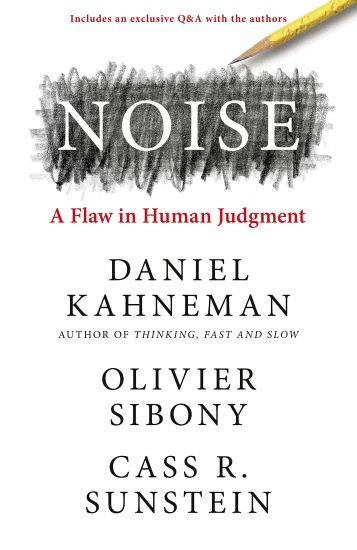
Noise

Noise

Daniel Kahneman; Olivier Sibony; Cass R. Sunstein

HARPERCOLLINS PUBLISHERS
2021
nidottu
The Sunday Times bestseller'A monumental, gripping book ... Outstanding' Sunday TimesWherever there is human judgement, there is noise.
Noise: A Flaw in Human Judgment

Noise: A Flaw in Human Judgment

Daniel Kahneman; Olivier Sibony; Cass R. Sunstein
Little, Brown Spark
2021
sidottu

Halvin toimitettuna 30,40 €

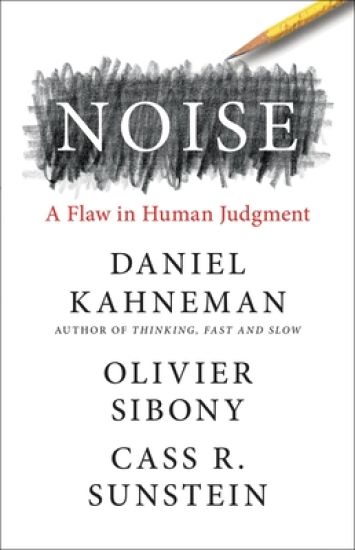
NEW YORK TIMES BESTSELLER From the Nobel Prize-winning author of Thinking, Fast and Slow and the coauthor of Nudge, a revolutionary exploration of why people make bad judgments and how to make better ones--"a tour de force" (New York Times). Imagine that two doctors in the same city give different diagnoses to identical patients--or that two judges in the same courthouse give markedly different sentences to people who have committed the same crime. Suppose that different interviewers at the same firm make different decisions about indistinguishable job applicants--or that when a company is handling customer complaints, the resolution depends on who happens to answer the phone. Now imagine that the same doctor, the same judge, the same interviewer, or the same customer service agent makes different decisions depending on whether it is morning or afternoon, or Monday rather than Wednesday. These are examples of noise: variability in judgments that should be identical. In Noise, Daniel Kahneman, Olivier Sibony, and Cass R. Sunstein show the detrimental effects of noise in many fields, including medicine, law, economic forecasting, forensic science, bail, child protection, strategy, performance reviews, and personnel selection. Wherever there is judgment, there is noise. Yet, most of the time, individuals and organizations alike are unaware of it. They neglect noise. With a few simple remedies, people can reduce both noise and bias, and so make far better decisions. Packed with original ideas, and offering the same kinds of research-based insights that made Thinking, Fast and Slow and Nudge groundbreaking New York Times bestsellers, Noise explains how and why humans are so susceptible to noise in judgment--and what we can do about it.
Noise: A Flaw in Human Judgment

Noise: A Flaw in Human Judgment

Daniel Kahneman; Olivier Sibony; Cass R. Sunstein

Little, Brown Spark
2021
sidottu

Halvin toimitettuna 28,70 €

NEW YORK TIMES BESTSELLER From the Nobel Prize-winning author of Thinking, Fast and Slow and the coauthor of Nudge, a revolutionary exploration of why people make bad judgments and how to make better ones--"a tour de force" (New York Times). Imagine that two doctors in the same city give different diagnoses to identical patients--or that two judges in the same courthouse give markedly different sentences to people who have committed the same crime. Suppose that different interviewers at the same firm make different decisions about indistinguishable job applicants--or that when a company is handling customer complaints, the resolution depends on who happens to answer the phone. Now imagine that the same doctor, the same judge, the same interviewer, or the same customer service agent makes different decisions depending on whether it is morning or afternoon, or Monday rather than Wednesday. These are examples of noise: variability in judgments that should be identical. In Noise, Daniel Kahneman, Olivier Sibony, and Cass R. Sunstein show the detrimental effects of noise in many fields, including medicine, law, economic forecasting, forensic science, bail, child protection, strategy, performance reviews, and personnel selection. Wherever there is judgment, there is noise. Yet, most of the time, individuals and organizations alike are unaware of it. They neglect noise. With a few simple remedies, people can reduce both noise and bias, and so make far better decisions. Packed with original ideas, and offering the same kinds of research-based insights that made Thinking, Fast and Slow and Nudge groundbreaking New York Times bestsellers, Noise explains how and why humans are so susceptible to noise in judgment--and what we can do about it.
Noise: A Flaw in Human Judgment

Noise: A Flaw in Human Judgment

Daniel Kahneman; Olivier Sibony; Cass R. Sunstein

Little, Brown Spark
2021
nidottu
From the Nobel Prize-winning author of Thinking, Fast and Slow and the coauthor of Nudge, a revolutionary exploration of why people make bad judgments and how to make better ones--"a tour de force" (New York Times). Imagine that two doctors in the same city give different diagnoses to identical patients--or that two judges in the same courthouse give markedly different sentences to people who have committed the same crime. Suppose that different interviewers at the same firm make different decisions about indistinguishable job applicants--or that when a company is handling customer complaints, the resolution depends on who happens to answer the phone. Now imagine that the same doctor, the same judge, the same interviewer, or the same customer service agent makes different decisions depending on whether it is morning or afternoon, or Monday rather than Wednesday. These are examples of noise: variability in judgments that should be identical. In Noise, Daniel Kahneman, Olivier Sibony, and Cass R. Sunstein show the detrimental effects of noise in many fields, including medicine, law, economic forecasting, forensic science, bail, child protection, strategy, performance reviews, and personnel selection. Wherever there is judgment, there is noise. Yet, most of the time, individuals and organizations alike are unaware of it. They neglect noise. With a few simple remedies, people can reduce both noise and bias, and so make far better decisions. Packed with original ideas, and offering the same kinds of research-based insights that made Thinking, Fast and Slow and Nudge groundbreaking New York Times bestsellers, Noise explains how and why humans are so susceptible to noise in judgment--and what we can do about it.
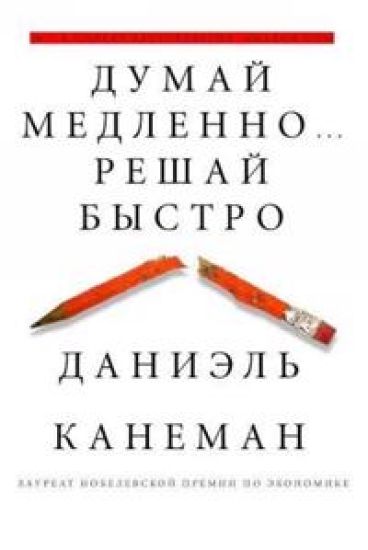
Dumaj medlenno... reshaj bystro
Nashi dejstvija i postupki opredeleny nashimi mysljami. No vsegda li my kontroliruem nashe myshlenie? Nobelevskij laureat Daniel Kaneman objasnjaet, pochemu my podchas sovershaem neratsionalnye postupki i kak my prinimaem nevernye reshenija. U nas imeetsja dve sistemy myshlenija. "Medlennoe" myshlenie vkljuchaetsja, kogda my reshaem zadachu ili vybiraem tovar v magazine. Obychno nam kazhetsja, chto my uverenno kontroliruem eti protsessy, no ne budem zabyvat, chto pozadi nashego soznanija v fonovom rezhime postojanno rabotaet "bystroe" myshlenie - avtomaticheskoe, mgnovennoe i neosoznavaemoe...
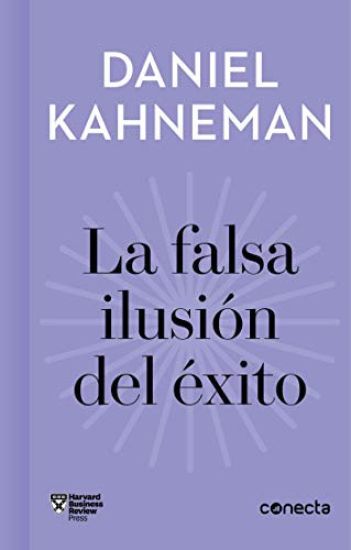
La Falsa Ilusión del Éxito / Delusion of Success: How Optimism Suffocates Executive Decisions
Los grandes principios de Kahneman sobre la toma de decisiones y los factores que influyen en el xito. Las evidencias son inquietantes: la mayor a de las grandes iniciativas de negocios no rinden fruto. Seg n los economistas, los malos resultados son una consecuencia inevitable del hecho de que las empresas corran riesgos racionales en situaciones inciertas. Sin embargo, tras analizarlo desde la psicolog a, los autores consideran que ese fracaso es consecuencia de una toma de decisiones basada en un optimismo ilusorio en lugar de en una valoraci n racional de ganancias, p rdidas y probabilidades. Los sesgos cognitivos y las presiones organizativas que se hallan en el origen de ese exceso de optimismo son omnipresentes, pero sus efectos pueden atenuarse. Complementando los procesos tradicionales de previsi n con el an lisis de iniciativas an logas finalizadas con anterioridad, los directivos pueden discernir de manera mucho m s precisa el desenlace probable de un proyecto. Esa «visi n externa es un ba o de realidad que reduce las probabilidades de que una empresa se embarque en una inversi n de tiempo y dinero desastrosa. Los IMPRESCINDIBLES de Conecta, en colaboraci n con Harvard Business Review, permiten acceder a las grandes ideas de los autores de referencia que inspiran a directivos y profesionales. Este volumen re ne los textos «La falsa ilusi n del xito , de Daniel Kahneman y Dan Lovallo, y «Antes de tomar una gran decisi n , de Kahneman, Lovallo y Olivier Sibony. ENGLISH DESCRIPTION Kahneman's profound principles about decision making and the factors that influence success. The evidence is disconcerting: most large business initiatives do not bear fruit. According to economists, the bad results are a consequence of the inevitable fact that businesses take rational risks in uncertain situations. Nevertheless, after analyzing the psychology, the authors consider that this failure is a due to making a decision based on illusory optimism instead of a rational assessment of earnings, losses, and probabilities. Cognitive biases and organizational pressures that are at the origin of this excess of optimism are ubiquitous, but their effects can be lessened. By complementing the traditional forecasting processes with the analysis of similar initiatives completed previously, managers can discern in a much more precise way the probable outcome of a project. This "external vision" is a dose of reality that reduces the chances of a company embarking on a disastrous investment of time and money. The ESSENTIALS of Conecta, in collaboration with Harvard Business Review, allow access to the reference authors' great ideas that inspire managers and professionals. This volume brings together the texts "The False Illusion of Success," by Daniel Kahneman and Dan Lovallo, and "Before Making a Big Decision," by Kahneman, Lovallo and Olivier Sibony.
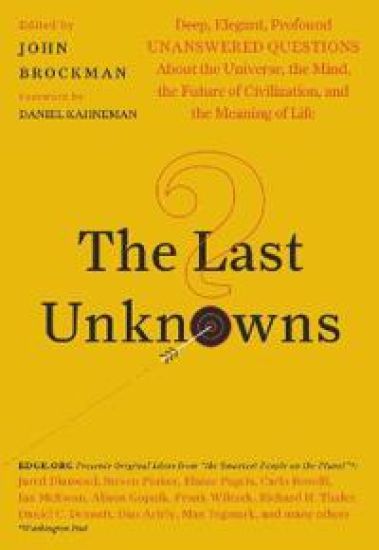
The Last Unknowns

The Last Unknowns

John Brockman; Daniel Kahneman

William Morrow Paperbacks
2019
nidottu

Halvin toimitettuna 25,00 €

Discover the universe's last unknowns—here are the unanswered questions that obsess "the world's finest minds" (The Guardian)Featuring a foreword by DANIEL KAHNEMAN, Nobel Prize-winning author of Thinking, Fast and SlowThis is a little book of profound questions (only questions!)—unknowns that address the secrets of our world, our civilization, the meaning of life. Here are the deepest riddles that have fascinated, obsessed, and haunted the greatest thinkers of our time, including Nobel laureates, cosmologists, philosophers, economists, prize-winning novelists, religious scholars, and more than 250 leading scientists, artists, and theorists. In The Last Unknowns, John Brockman, publisher of Edge.org, asks "a mind-blowing gathering of innovative thinkers" (Booklist): "What is ‘The Last Question,’ your last question, the question for which you will be remembered?" Featuring the Pulitzer Prize–winning author of Guns, Germs, and Steel JARED DIAMOND • Nobel Prize-winning University of Chicago economist RICHARD THALER • Harvard psychologist STEVEN PINKER • religion scholar ELAINE PAGELS • author of Seven Brief Lessons on Physics CARLO ROVELLI • Booker Prize–winning novelist IAN McEWAN • neuroscientist SAM HARRIS • philosopher DANIEL C. DENNETT • MIT theorist SHERRY TURKLE • decoder of the human genome J. CRAIG VENTER • The Coddling of the American Mind author JONATHAN HAIDT • Nobel Prize-winning physicist FRANK WILCZEK • UC Berkeley psychologist ALISON GOPNICK • philosopher REBECCA NEWBERGER GOLDSTEIN • New York Times columnist CARL ZIMMER • MIT cosmologist MAX TEGMARK • Whole Earth founder STEWART BRAND • "Marginal Revolution" economist TYLER COWEN • Anatomy of Love author HELEN FISHER • Noble Prize-winning NASA physicist JOHN C. MATHER • psychologist JUDITH RICH HARRIS • Princeton physicist FREEMAN DYSON • musician BRIAN ENO • environmental scientist JENNIFER JACQUET • Duke economist DAN ARIELY • Oxford philosopher A. C. GRAYLING • Harvard cosmologist LISA RANDALL • anthropologist MARY CATHERINE BATESON • Emotional Intelligence author DANIEL GOLEMAN • Harvard genticist GEORGE CHURCH • Blueprint author NICHOLAS A. CHRISTAKIS • Stanford political scientist MARGARET LEVI • economist ALAN S. BLINDER • publisher TIM O'REILLY • theoretical cosmologist JANNA LEVIN • Serpentine Gallery owner HANS ULRICH OBRIST • Wired founding editor KEVIN KELLY • Cambridge astrophysicist MARTIN REES, and more than 200 others.
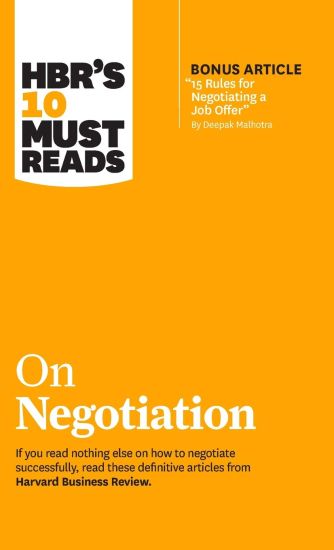
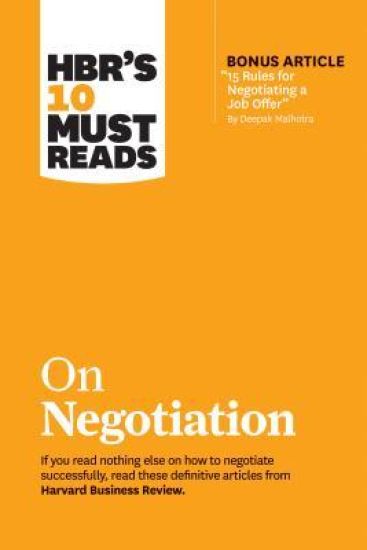
HBR's 10 Must Reads on Negotiation (with bonus article "15 Rules for Negotiating a Job Offer" by Deepak Malhotra)

HBR's 10 Must Reads on Negotiation (with bonus article "15 Rules for Negotiating a Job Offer" by Deepak Malhotra)

Harvard Business Review; Daniel Kahneman; Deepak Malhotra; Erin Meyer; Max H. Bazerman
Harvard Business Review Press
2019
sidottu
Learn to be a better negotiator--and achieve the outcomes you want. If you read nothing else on how to negotiate successfully, read these 10 articles. We've combed through hundreds of Harvard Business Review articles and selected the most important ones to help you avoid common mistakes, find hidden opportunities, and win the best deals possible. This book will inspire you to:Control the negotiation before you enter the roomPersuade others to do what you want--for their own reasonsManage emotions on both sides of the tableUnderstand the rules of negotiating across culturesSet the stage for a healthy relationship long after the ink has driedIdentify what you can live with and when to walk awayThis collection of articles includes: "Six Habits of Merely Effective Negotiators" by James K. Sebenius; "Control the Negotiation Before It Begins" by Deepak Malhotra; "Emotion and the Art of Negotiation" by Alison Wood Brooks; "Breakthrough Bargaining" by Deborah M. Kolb and Judith Williams; "15 Rules for Negotiating a Job Offer" by Deepak Malhotra; "Getting to Si, Ja, Oui, Hai, and Da" by Erin Meyer; "Negotiating Without a Net: A Conversation with the NYPD's Dominick J. Misino" by Diane L. Coutu; "Deal Making 2.0: A Guide to Complex Negotiations" by David A. Lax and James K. Sebenius; "How to Make the Other Side Play Fair" by Max H. Bazerman and Daniel Kahneman; "Getting Past Yes: Negotiating as if Implementation Mattered" by Danny Ertel; "When to Walk Away from a Deal" by Geoffrey Cullinan, Jean-Marc Le Roux, and Rolf-Magnus Weddigen.
HBR's 10 Must Reads on Negotiation (with bonus article "15 Rules for Negotiating a Job Offer" by Deepak Malhotra)

HBR's 10 Must Reads on Negotiation (with bonus article "15 Rules for Negotiating a Job Offer" by Deepak Malhotra)

Harvard Business Review; Daniel Kahneman; Deepak Malhotra; Erin Meyer; Max H. Bazerman

Harvard Business Review Press
2019
pokkari

Halvin toimitettuna 30,10 €

Learn to be a better negotiator--and achieve the outcomes you want. If you read nothing else on how to negotiate successfully, read these 10 articles. We've combed through hundreds of Harvard Business Review articles and selected the most important ones to help you avoid common mistakes, find hidden opportunities, and win the best deals possible. This book will inspire you to:Control the negotiation before you enter the roomPersuade others to do what you want--for their own reasonsManage emotions on both sides of the tableUnderstand the rules of negotiating across culturesSet the stage for a healthy relationship long after the ink has driedIdentify what you can live with and when to walk awayThis collection of articles includes: "Six Habits of Merely Effective Negotiators" by James K. Sebenius; "Control the Negotiation Before It Begins" by Deepak Malhotra; "Emotion and the Art of Negotiation" by Alison Wood Brooks; "Breakthrough Bargaining" by Deborah M. Kolb and Judith Williams; "15 Rules for Negotiating a Job Offer" by Deepak Malhotra; "Getting to Si, Ja, Oui, Hai, and Da" by Erin Meyer; "Negotiating Without a Net: A Conversation with the NYPD's Dominick J. Misino" by Diane L. Coutu; "Deal Making 2.0: A Guide to Complex Negotiations" by David A. Lax and James K. Sebenius; "How to Make the Other Side Play Fair" by Max H. Bazerman and Daniel Kahneman; "Getting Past Yes: Negotiating as if Implementation Mattered" by Danny Ertel; "When to Walk Away from a Deal" by Geoffrey Cullinan, Jean-Marc Le Roux, and Rolf-Magnus Weddigen.
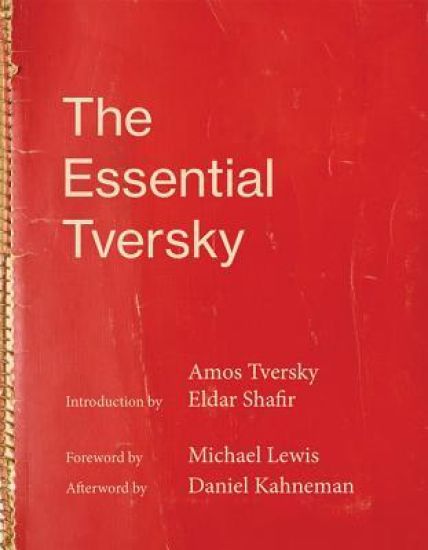
The Essential Tversky

The Essential Tversky

Amos Tversky; Michael Lewis; Daniel Kahneman

MIT Press
2018
pokkari

Halvin toimitettuna 60,00 €

Some of the best and most influential papers by Amos Tversky, one of the most brilliant social science thinkers of the twentieth century. Amos Tversky (1937-1996) was a towering figure in the cognitive and decision sciences. His work was ingenious, exciting, and influential, spanning topics from intuition to statistics to behavioral economics. His long and extraordinarily productive collaboration with his friend and colleague Daniel Kahneman was the subject of Michael Lewis's best-selling book, The Undoing Project: A Friendship that Changed Our Minds. The Essential Tversky offers a selection of Tversky's best, most influential and accessible papers, "classics" chosen to capture the essence of Tversky's thought. The impact of Tversky's work is far reaching and long-lasting. In 2002, Kahneman, who drew on their joint work in his much-praised 2013 book, Thinking, Fast and Slow (and who contributes an afterword to this collection), was awarded the Nobel Prize in Economics for work done with Tversky. In The Undoing Project, Lewis (who contributes a foreword to this collection) describes his discovery that Tversky and Kahneman's thinking laid the foundation for Moneyball, his own ode to number-crunching. The papers collected in The Essential Tversky cover topics that include cognitive and perceptual bias, misguided beliefs, inconsistent preferences, risky choice and loss aversion decisions, and psychological common sense. Together, they offer nonspecialist readers an introduction to one of the most brilliant social science thinkers of the twentieth century.
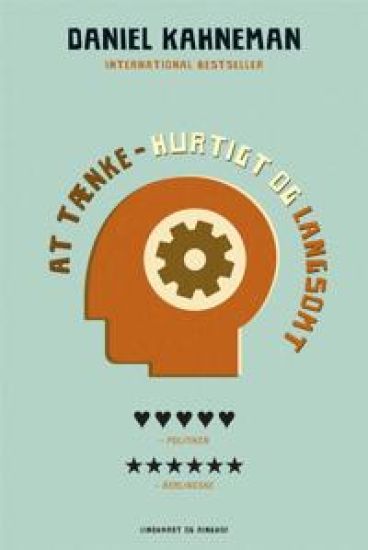
AT TÆNKE - hurtigt og langsomt

AT TÆNKE - hurtigt og langsomt

Daniel Kahneman

Lindhardt og Ringhof
2018
nidottu
Daniel Kahneman giver os i At tænke - hurtigt og langsomt et unikt indblik i den menneskelige bevidsthed og i de to systemer, som driver den måde, vi tænker på: System 1 er hurtigt, intuitivt og følelsesdrevet; System 2 er langsomt, rationelt og logisk. Ved at trække på erfaringerne fra eksperimenter foretaget gennem et helt liv afslører Daniel Kahneman, hvornår vi kan stole på den hurtige tænknings intuition, og hvordan vi kan drage fordel af den langsomme tænkning. Han giver praktisk og oplysende indsigt i, hvordan valg træffes i både vores professionelle og private liv – og hvordan vi kan bruge forskellige teknikker som værn mod de mentale faldgruber, der ofte skaffer os i vanskeligheder. At tænke - hurtigt og langsomt vil for altid forandre den måde, du oplever verden og træffer beslutninger på. Daniel Kahneman (f. 1934) er israelsk-amerikansk psykolog. I 2002 modtog han, sammen med kollegaen Vernon L. Smith, Nobelprisen i økonomi for sin banebrydende forskning i, hvordan vi vurderer risici og træffer beslutninger.
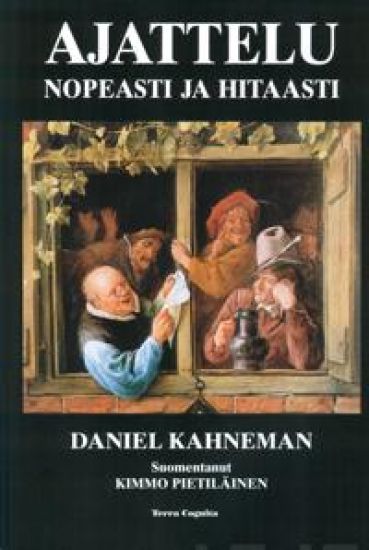
Ajattelu, nopeasti ja hitaasti

Ajattelu, nopeasti ja hitaasti

Daniel Kahneman

Terra Cognita
2017
nidottu

Halvin toimitettuna 47,20 €

Tässä uusia uria mielen toimintaan avaavassa teoksessa Daniel Kahneman selittää ajatteluamme ohjaavat kaksi järjestelmää. Järjestelmä 1 on nopea, intuitiivinen ja emotionaalinen.järjestelmä 2 on hitaampi, harkitsevampi ja loogisempi. Kahneman paljastaa nopean ajattelun ihmeelliset kyvyt, mutta myös sen puutteet ja vinoumat, ja kertoo, miten laajasti intuitiiviset vaikutelmat ohjaavat ajatteluamme ja käyttäytymistämme. Kun ymmärrämme, miten nämä kaksi järjestelmää vaikuttavat arvioihimme ja päätöksiimme, saamme paremman otteen siitä, miten esimerkiksi - tappion välttely ja liiallinen itseluottamus vaikuttavat yrityksen strategioihin,- millaisia ovat asianmukaisen kehystämisen riskit kotona ja työssä,- miten vaikeaa on ennustaa, mikä tekee meistä onnellisia tulevaisuudessa,- millaisia ovat kognitiivisten vinoutumien syvälliset vaikutukset esimerkiksi pörssikaupassa ja loman suunnittelussa. Ajattelu, nopeasti ja hitaasti tuo uuden ulottuvuuden tapaamme ajatella päätöksentekoa ja arviointia. Daniel Kahneman on merkittävimpiä eläviä kokeellisia psykologeja. Hänen työnsä on haastanut arvioinnin ja päätöksenteon rationaalisen mallin. Hänen tutkimuksensa ulottuvat taloustieteestä lääketieteeseen ja politiikan tutkimukseen ja niillä on ollut laaja vaikutus näillä aloilla tehtäviä päätöksiä koskeviin käsityksiin. Kahneman on saanut taloustieteen Nobelin-palkinnon käyttäytymistaloustieteen syntyyn johtavasta työstään.
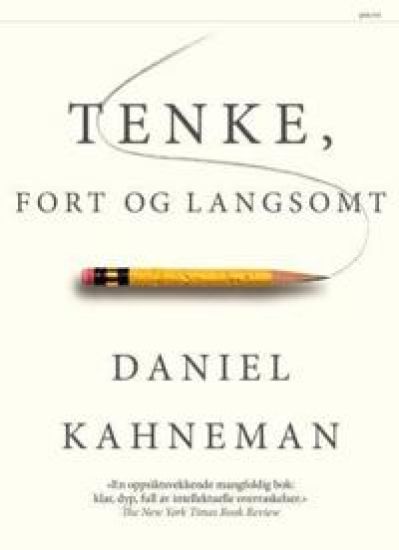
Tenke, fort og langsomt

Tenke, fort og langsomt

Daniel Kahneman

Pax
2013
pokkari
Hvorfor gjør vi feil? Og hvorfor i all verden fortsetter vi å gjøre de samme feilene gang på gang? Daniel Kahneman viser at vi tenker i ett av to systemer- enten raskt, intuitivt og følelsesdrevet, eller langsomt, rasjonelt og logisk. Begge systemene er nødvendige, og begge har sine svakheter. Gjennom å forstå de to systemene, og hvordan de kan balanseres og virke sammen, skjønner vi mer av oss selv og hverandre - og samtidig lærer vi hvordan vi selv kan ta bedre avgjørelser, personlig og økonomisk. Tenke, fort og langsomt forklarer oss hvordan vi tenker og tar beslutninger, gjerne stikk i strid med vedtatte sannheter i psykologi og økonomi. Ukonvensjonell og utradisjonell, overraskende og overbevisende - boken vil endre hvordan du tenker om å tenke for alltid.