Kirjailija
Dante Alighieri
Kirjat ja teokset yhdessä paikassa: 1 370 kirjaa, julkaisuja vuosilta 1972–2027, suosituimpiin kuuluu The Divine Comedy. Vertaile teosten hintoja ja tarkista saatavuus suomalaisista kirjakaupoista.
1 370 kirjaa
Kirjojen julkaisuvuodet: 1972–2027.
Dante's Pilgrim's Progress - Or, The passage of the blessed soul from the slavery of the present corruption to the liberty of eternal glory is an unchanged, high-quality reprint of the original edition of 1893. Hansebooks is editor of the literature on different topic areas such as research and science, travel and expeditions, cooking and nutrition, medicine, and other genres. As a publisher we focus on the preservation of historical literature. Many works of historical writers and scientists are available today as antiques only. Hansebooks newly publishes these books and contributes to the preservation of literature which has become rare and historical knowledge for the future.
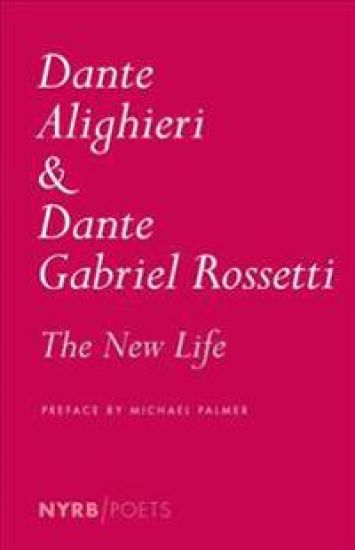
The New Life
Dante Alighieri; Dante Gabriel Rossetti; Michael Palmer
The New York Review of Books, Inc
2016
nidottu
"The New Life" is the masterpiece of Dante Alighieri s youth, an account of his love for Beatrice, the girl who was to become his lifelong muse, and of her tragic early death. An allegory of the soul s crisis and growth, combining prose and poetry, narrative and meditation, dreams and songs and prayers, this work of crystalline beauty and fascinating complexity has long taken its place as one of the supreme revelations in the literature of love. Published here in the beautiful translation by the nineteenth-century English poet Dante Gabriel Rossetti, "The New Life" is an inspired poetic re-creation comparable to Edward FitzGerald s "Rubaiyat of Omar Khayyam" and a classic in its own right."
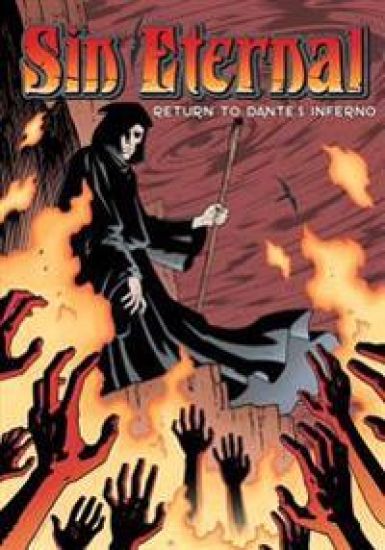
Sin Eternal is more than just a re-tooling of the immortal classic, Dante's Inferno. It plants itself firmly in the modern world and away from the political crimes that dominated Dante's work. It brings a very basic questioning of the man's faith as he witnesses some of the most horrendous punishments that could be exacted. The story covers the travels of the man who is sent to hell to examine the various torments and punishments that the sinners of Earth are forced to face each moment of eternity. From the slovenly gluttons to the fates of the suicides, from the heretics to the thieves, a variety of different levels are covered. From the ferry of Charon, the man is taken into the very depths of evil. He must escape the giant creature, Minos to the swallowing jaws of Cerebus. From the Dance of the Harlots who abused love to the gluttons who are encased in solid gold. Witnessing the Heretics, imprisoned in furnace like cells to the Industrialists, those who are taken over by the very machines they created. Those who kill in the name of God are forced into an unending battle of mutilation which leads to the River of Blood with the souls of Idi Amin, Hitler, and Stalin washing the crimson onto the shores. The Maze of Eternity blends into a surreal world of mystic images and fallen idols until he finally reaches the very source of evil itself, the Devil. But its not the traditional view, because after all, Lucifer was considered the Morning Star...the beautiful angel. All is not as it might first appear. "...a most distinguished and thought-provoking piece of work." - Chicago's New Age Magazine.

Versuch einer blos philologischen Erklärung mehrerer dunklen und streitigen Stellen
Dante Alighieri
Hansebooks
2016
pokkari
Purgatory: Dual Language and New Verse Translation
Dante Alighieri
Alma Classics
2016
nidottu
Halvin toimitettuna 15,40 €
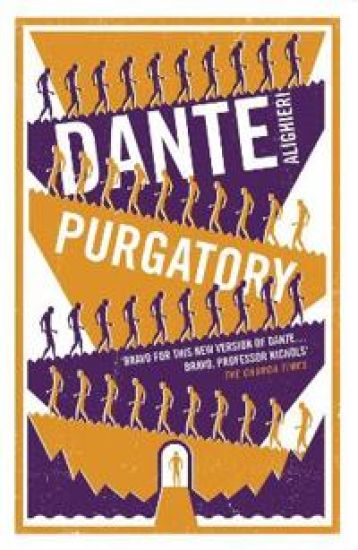
Describing Dante's second stage in his arduous journey to redemption, Purgatory features a host of unforgettable scenes and characters, and arguably some of the best poetry to be found in the Divine Comedy. The gloom, torments and evils of Hell have been left behind, but Dante's ascent of Mount Purgatory towards Paradise remains fraught with obstacles, not least the burden of his own mortality and his human passions. Purgatory is presented here in a new verse translation by acclaimed poet and prize-winning translator J. G. Nichols. Also included are the original Italian text, extensive notes and a critical apparatus focusing on Dante's life and works.
The Divine Comedy - The Vision of Paradise, Purgatory and Hell -
Dante Alighieri
Alpha Editions
2016
nidottu
La Divina Comedia
Dante Alighieri
Createspace Independent Publishing Platform
2016
nidottu
Halvin toimitettuna 17,30 €
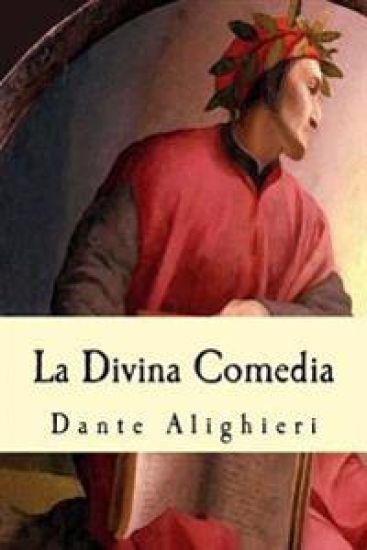
Es un poema escrito por Dante Alighieri. Se desconoce la fecha exacta en que fue escrito aunque las opiniones m s reconocidas aseguran que el Infierno pudo ser compuesto entre 1304 y 1307 o 1308, el Purgatorio de 1307 o 1308 a 1313 o 1314 y por ltimo, el Para so de 1313 o 1314 a 1321, fecha del fallecimiento del poeta. Libro m s famoso de su autor, es una de las obras fundamentales de la transici n del pensamiento medieval (teocentrista) al renacentista (antropocentrista). Es considerada la obra maestra de la literatura italiana y una de las cumbres de la literatura universal. Se considera por tanto que la redacci n de la primera parte habr a sido alternada con la redacci n del Convivium y De Vulgari Eloquentia, mientras que De Monarchia pertenecer a a la poca de la segunda o tercera etapa, a la ltima de las cuales hay que atribuir sin duda la de dos obras de menor empe o: la Cuesti n de agua y la tierra y las dos glogas escritas en respuesta a sendos poemas de Giovanni de Regina.
The Divine Comedy - The Vision of Paradise, Purgatory and Hell -
Dante Alighieri
Alpha Editions
2016
nidottu
The Divine Comedy - The Vision of Paradise, Purgatory and Hell -
Dante Alighieri
Alpha Editions
2016
nidottu
The Divine Comedy of Dante Alighieri
Dante Alighieri; Henry Wadsworh Longfellow
Hansebooks
2016
pokkari
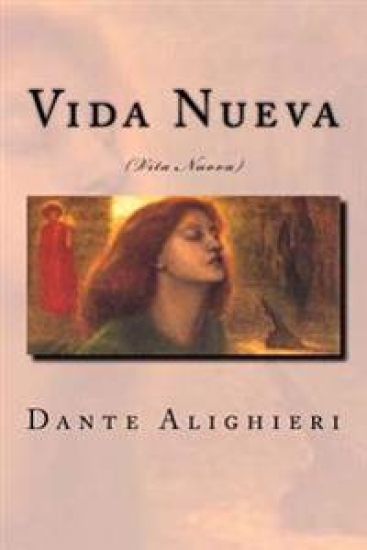
La Vita nuova (Vida nueva) es la primera obra conocida de Dante Alighieri, escrita entre 1292 y 1293, poco despu s de la muerte de su amada Beatriz. Consta de 42 cap tulos en los que se alterna poes a y prosa. El sentido del t tulo viene dado por la renovaci n vital que experimenta el poeta al enamorarse de su amada
El Convivio es una obra de Dante durante el exilio, entre 1304 y 1307. El t rmino "convivio" viene lat n convivium y significa "banquete". El objetivo del tratado, escrito en dialecto florentino (volgare), consiste justamente en brindar un "banquete de sabidur a" a todos los que desconoc an el lat n, que a finales del siglo XIII era la lengua de la transmisi n del conocimiento y del debate cient fico, sobre todo en lo relativo a la pol tica, la filosof a y la poes a. Con el Convivio el autor trata de mostrar su doctrina y refutar las acusaciones que lo hab an confinado al exilio. Aunque se proyectaron quince tratados, debido a las exigencias compositivas de la Divina Comedia, Dante s lo termin cuatro. Aunque existen similitudes estructurales con la Vita Nuova, una obra l rica dedicada al amor por Beatriz, la prosa del Convivio es de corte argumentativo.
La Divina comedia (italiano moderno Divina Commedia, toscano La Divina Comed a) es un poema escrito por Dante Alighieri. Se desconoce la fecha exacta en que fue escrito aunque las opiniones m s reconocidas aseguran que el Infierno pudo ser compuesto entre 1304 y 1307 o 1308, el Purgatorio de 1307 o 1308 a 1313 o 1314 y por ltimo, el Para so de 1313 o 1314 a 1321, fecha del fallecimiento del poeta. Libro m s famoso de su autor, es una de las obras fundamentales de la transici n del pensamiento medieval (teocentrista) al renacentista (antropocentrista). Es considerada la obra maestra de la literatura italiana y una de las cumbres de la literatura universal. Se considera por tanto que la redacci n de la primera parte habr a sido alternada con la redacci n del Convivium y De Vulgari Eloquentia, mientras que De Monarchia pertenecer a a la poca de la segunda o tercera etapa, a la ltima de las cuales hay que atribuir sin duda la de dos obras de menor empe o: la Cuesti n de agua y la tierra y las dos glogas escritas en respuesta a sendos poemas de Giovanni de Regina.