Kirjojen hintavertailu – 12 859 819 kirjaa ja 27 kauppaa
Kirjailija
Edgar Allan Poe
Kirjat ja teokset yhdessä paikassa: 2 091 kirjaa, julkaisuja vuosilta 1840–2027, suosituimpiin kuuluu Heureka ja muita kirjoituksia. Vertaile teosten hintoja ja tarkista saatavuus suomalaisista kirjakaupoista.
Seg n los informes que llegan de Rotterdam, esta ciudad parece hallarse en alto grado de excitaci n intelectual. Han ocurrido all fen menos tan inesperados, tan novedosos, tan diferentes de las opiniones ordinarias, que no cabe duda de que a esta altura toda Europa debe estar revolucionada, la f sica conmovida, y la raz n y la astronom a d ndose de pu adas.
El relato se inicia con la siguiente cita del moralista franc s Jean de la Bruy re: "Ce grand malheur, de ne pouvoir tre seul", tomada de su obra Caract res. Dicha cita puede traducirse: Qu gran desgracia la de no poder estar solo. La misma cita puede encontrarse en el primer cuento de Poe, Metzengerstein. Tras superar una enfermedad no definida, el narrador pasa el tiempo en un caf londinense. Fascinado por la multitud que observa pasar a trav s de la ventana, considera los distintos tipos y personajes (nobles, amanuenses, comerciantes, abogados...), y el aislamiento a que est n sometidos, a pesar de vivir api ados en la gran ciudad. Al caer la tarde, el narrador se fija en a decrepit old man, some sixty-five or seventy years of age (un anciano decr pito de unos sesenta y cinco o setenta a os). Era de escasa estatura, flaco y aparentemente muy d bil. Vest a ropas tan sucias como harapientas. El narrador, lleno de curiosidad, decide dejar el caf y seguir a este hombre. ste conduce al narrador por tiendas y comercios, sin comprar nunca nada, hasta acabar en una zona muy pobre de la ciudad, para regresar otra vez al coraz n de la misma. La persecuci n se prolonga a lo largo de toda la noche y todo el d a siguiente. Finalmente, exhausto, el narrador se enfrenta cara a cara al extra o anciano, quien, sin darse cuenta de haber sido seguido, pasa de largo. El narrador sospecha, al verlo perderse de nuevo entre la multitud, que debe de ser un terrible criminal, llam ndolo el hombre de la multitud. The story is introduced with the epigraph "Ce grand malheur, de ne pouvoir tre seul" - a quote taken from The Characters of Man by Jean de La Bruy re. It translates to This great misfortune, of not being able to be alone. This same quote is used in Poe's earliest tale, "Metzengerstein". After an unnamed illness, the unnamed narrator sits in an unnamed coffee shop in London. Fascinated by the crowd outside the window, he considers how isolated people think they are, despite "the very denseness of the company around". He takes time to categorize the different types of people he sees. As evening falls, the narrator focuses on "a decrepit old man, some sixty-five or seventy years of age", whose face has a peculiar idiosyncrasy, and whose body "was short in stature, very thin, and apparently very feeble" wearing filthy, ragged clothes of a "beautiful texture". The narrator dashes out of the coffee shop to follow the man from afar. The man leads the narrator through bazaars and shops, buying nothing, and into a poorer part of the city, then back into "the heart of the mighty London". This chase lasts through the evening and into the next day. Finally, exhausted, the narrator stands in front of the man, who still does not notice him. The narrator concludes the man is "the type and genius of deep crime" due to his inscrutability and inability to leave the crowds of London.
Un narrador protagonista an nimo en primera persona omnisciente cuenta la historia de su matrimonio con Morella, una culta y extra a mujer que lee y profundiza en las prohibidas p ginas del misticismo. Sus sentimientos hacia ella hab an sido siempre extra os e indefinibles, el narrador sabe que nunca sinti amor por Morella. Como resultado de sus pr cticas y lecturas, logr la inmortalidad de su alma, pero su forma f sica hab a empezado a deteriorarse cada vez m s, por lo tanto pasa su tiempo en su cama hablando con su marido y ense ndole las artes oscuras que hab a aprendido. l estaba sumamente asustado por las palabras de Morella y en secreto le deseaba la muerte, pese a que intentaba disimularlo todo el tiempo. Finalmente, muere durante el parto, pero su alma pasa a habitar en el cuerpo de la hija de ambos. Morella, antes de morir le dice al narrador, su marido, que nunca fue amada por l, por consiguiente, despu s de la muerte ser a amada por l con un amor perfecto y puro. An unnamed narrator marries Morella, a woman with great scholarly knowledge who delves into studies of the German philosophers Fichte and Schelling, dealing with the question of identity. Morella spends her time in bed reading and teaching her husband. Realizing her physical deterioration, her husband, the narrator, becomes frightened and wishes for his wife's death and eternal peace. Eventually, Morella dies in childbirth proclaiming: "I am dying. But within me is a pledge of that affection... which thou didst feel for me, Morella. And when my spirit departs shall the child live." As the daughter gets older the narrator notices she bears an uncanny resemblance to her mother, but he refuses to give the child a name. By her tenth birthday the resemblance to Morella is frightening. Her father decides to have her baptized to release any evil from her, but this event brings the mother's soul back into her daughter. At the ceremony, the priest asks the daughter's name, to which the narrator replies "Morella". Immediately, the daughter calls out, "I am here " and dies. The narrator himself bears her body to the tomb and finds no trace of the first Morella where he lays the second.
An unnamed narrator marries Morella, a woman with great scholarly knowledge who delves into studies of the German philosophers Fichte and Schelling, dealing with the question of identity. Morella spends her time in bed reading and teaching her husband. Realizing her physical deterioration, her husband, the narrator, becomes frightened and wishes for his wife's death and eternal peace. Eventually, Morella dies in childbirth proclaiming: "I am dying. But within me is a pledge of that affection... which thou didst feel for me, Morella. And when my spirit departs shall the child live." As the daughter gets older the narrator notices she bears an uncanny resemblance to her mother, but he refuses to give the child a name. By her tenth birthday the resemblance to Morella is frightening. Her father decides to have her baptized to release any evil from her, but this event brings the mother's soul back into her daughter. At the ceremony, the priest asks the daughter's name, to which the narrator replies "Morella". Immediately, the daughter calls out, "I am here " and dies. The narrator himself bears her body to the tomb and finds no trace of the first Morella where he lays the second.
Es la segunda narraci n en la que aparece el detective Auguste Dupin. Est basado en la tragedia real de Mary Cecilia Rogers sucedida en Nueva York. En el relato, la asesinada cambia su nombre al de Marie Rog t y Poe convierte Nueva York en Par s. Mary Rogers era una atractiva vendedora de cigarrillos y su crimen nunca fue resuelto del todo; en el caso de Marie Rog t, el personaje "ficticio", se sugiere que el asesino era un marinero desech ndose asimismo la especulaci n de la polic a respecto de que Marie fuera v ctima de una pandilla; sin embargo, el mismo Poe evita anunciar que acaso haya resuelto el caso de la vida real aunque algunos contempor neos suyos vieron en el relato precisamente ello, un intento de mayor notoriedad por parte del escritor norteamericano al buscar dar soluci n al cr men de Mary Rogers. Poe's detective character C. Auguste Dupin and his sidekick the unnamed narrator undertake the unsolved murder of Marie Rog t in Paris. The body of Rog t, a perfume shop employee, is found in the Seine River and the press takes a keen interest in the mystery. Dupin remarks that the newspapers "create a sensation ... rather] than to further the cause of truth". Even so, he uses the newspaper reports to get into the mind of the murderer. Dupin uses his skills of ratiocination to determine that a single murderer was involved who dragged her by the cloth belt around her waist before dumping her body off a boat into the river. Finding the boat, Dupin suggests, will lead the police to the murderer.
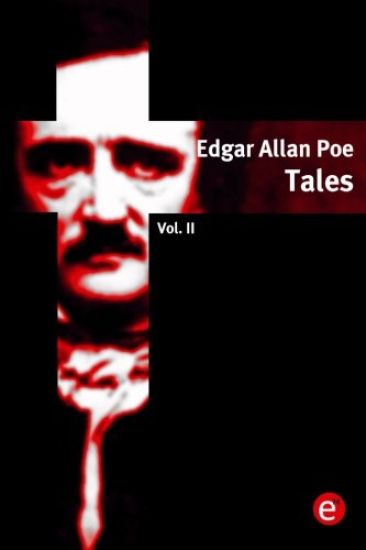
This book contains: The colloquy of Monos and Una The cask of amontillado The man of the crowd The mistery of Marie Roget The pit and the pendulum Ligeia Metzengerstein Morella Mesmeric revelation A descent into the Maelstr m The unparalleled adventure of one Hans Pfaall A tale of the Ragged mountains
Poe's detective character C. Auguste Dupin and his sidekick the unnamed narrator undertake the unsolved murder of Marie Rog t in Paris. The body of Rog t, a perfume shop employee, is found in the Seine River and the press takes a keen interest in the mystery. Dupin remarks that the newspapers "create a sensation ... rather] than to further the cause of truth". Even so, he uses the newspaper reports to get into the mind of the murderer. Dupin uses his skills of ratiocination to determine that a single murderer was involved who dragged her by the cloth belt around her waist before dumping her body off a boat into the river. Finding the boat, Dupin suggests, will lead the police to the murderer.
Inspired by the Moskstraumen, it is couched as a story within a story, a tale told at the summit of a mountain climb in Lofoten, Norway. The story is told by an old man who reveals that he only appears old-"You suppose me a very old man," he says, "but I am not. It took less than a single day to change these hairs from a jetty black to white, to weaken my limbs, and to unstring my nerves." The narrator, convinced by the power of the whirlpools he sees in the ocean beyond, is then told of the "old" man's fishing trip with his two brothers a few years ago. Driven by "the most terrible hurricane that ever came out of the heavens", their ship was caught in the vortex. One brother was pulled into the waves; the other was driven mad by the horror of the spectacle, and drowned as the ship was pulled under. At first the narrator only saw hideous terror in the spectacle. In a moment of revelation, he saw that the Maelstr m is a beautiful and awesome creation. Observing how objects around him were attracted and pulled into it, he deduced that "the larger the bodies, the more rapid their descent" and that spherical-shaped objects were pulled in the fastest. Unlike his brother, he abandoned ship and held on to a cylindrical barrel until he was saved several hours later. The "old" man tells the story to the narrator without any hope that the narrator will believe it.
Est inspirado por el fen meno del Maelstr m, un remolino que se produce en las costas de Noruega, formado por la conjunci n de las fuertes corrientes que atraviesan el estrecho de Moskenstraumen y la gran amplitud de las mareas. El relato en s se trata de una historia dentro de otra historia, contada desde lo alto de un abismo. Est narrada por un anciano que afirma no serlo, pese a su apariencia: "No hizo falta m s que un d a para transformar mis cabellos negros en canas, debilitar mis miembros y destrozar mis nervios." El narrador cuenta que un d a se hizo a la mar con dos de sus hermanos, cuando se desat un terrible hurac n, que atrap el barco en su v rtice. Los dos hermanos murieron, mientras que el narrador ca a al centro del remolino y se quedaba maravillado ante lo que ve a. Se arroj al agua, sujet ndose a un barril. Al cabo de un tiempo impreciso, fue izado a la borda de un barco de conocidos suyos que no le reconocieron. Inspired by the Moskstraumen, it is couched as a story within a story, a tale told at the summit of a mountain climb in Lofoten, Norway. The story is told by an old man who reveals that he only appears old-"You suppose me a very old man," he says, "but I am not. It took less than a single day to change these hairs from a jetty black to white, to weaken my limbs, and to unstring my nerves." The narrator, convinced by the power of the whirlpools he sees in the ocean beyond, is then told of the "old" man's fishing trip with his two brothers a few years ago. Driven by "the most terrible hurricane that ever came out of the heavens", their ship was caught in the vortex. One brother was pulled into the waves; the other was driven mad by the horror of the spectacle, and drowned as the ship was pulled under. At first the narrator only saw hideous terror in the spectacle. In a moment of revelation, he saw that the Maelstr m is a beautiful and awesome creation. Observing how objects around him were attracted and pulled into it, he deduced that "the larger the bodies, the more rapid their descent" and that spherical-shaped objects were pulled in the fastest. Unlike his brother, he abandoned ship and held on to a cylindrical barrel until he was saved several hours later. The "old" man tells the story to the narrator without any hope that the narrator will believe it.
The story is set in an unnamed Italian city at carnival time in an unspecified year, and is about a man taking fatal revenge on a friend who, he believes, has insulted him. Like several of Poe's stories, and in keeping with the 19th-century fascination with the subject, the narrative revolves around a person being buried alive-in this case, by immurement. As in "The Black Cat" and "The Tell-Tale Heart", Poe conveys the story from the murderer's perspective.