
Kirjailija
Édouard Louis
Kirjat ja teokset yhdessä paikassa: 85 kirjaa, julkaisuja vuosilta 2016–2026, suosituimpiin kuuluu Monique pakenee. Vertaile teosten hintoja ja tarkista saatavuus suomalaisista kirjakaupoista.
Nimi esiintyy myös muodoissa: Edouard Louis
85 kirjaa
Kirjojen julkaisuvuodet: 2016–2026.
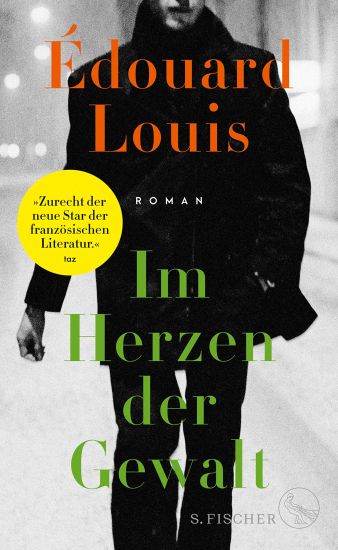
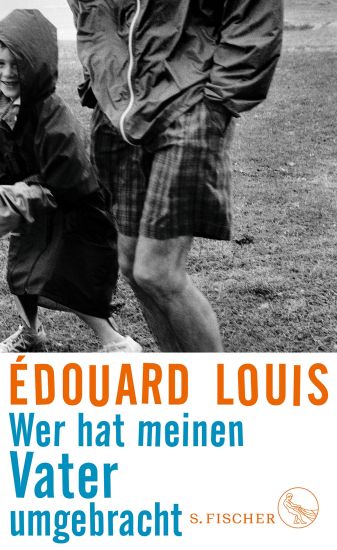
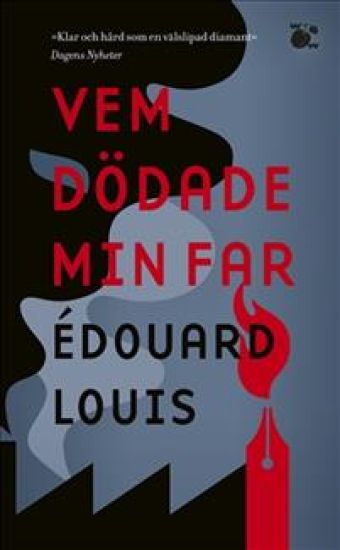
När Édouard Louis återupptar kontakten med sin far står denne knappt att känna igen. Han kan inte längre gå, inte andas utan hjälp från en maskin, knappt femtio år fyllda. Ett hälsotillstånd orsakat av fattigdom och socialt utanförskap. "Vem dödade min far" är en anklagelseakt mot den franska staten och samhället, som konstateras skyldiga till att förstöra människors kroppar och liv.
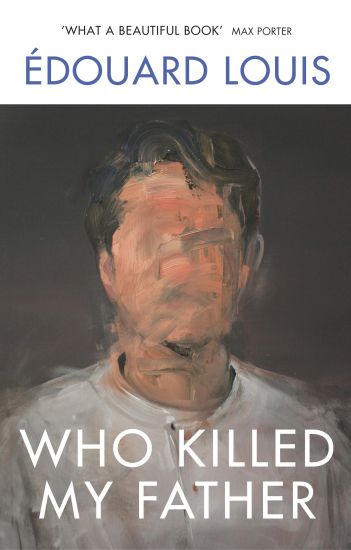
Who Killed My Father is the story of a tough guy â?? the story of the little boy I never was.

Väkivallan historia
Édouard Louis
Tammi / Keltainen kirjasto
2020
Kovakantinen
Halvin toimitettuna 34,80 €
Ei enää Eddyn tekijän uusi romaani! Ranskan kohutuimman kirjailijan hätkähdyttävä puheenvuoro väkivallan syistä ja seurauksista. Kun Édouard Louis tapaa kadulla kiehtovan miehen, kohtaaminen muuttaa kaiken. Yhteinen yö päättyy raiskaukseen, joka järkyttää Louis’ta ytimiään myöten. Autofiktiivinen romaani pakottaa lukijan pohtimaan trauman seurauksia, luokkayhteiskuntaa sekä sitä, kuinka väkivallan uhrin on kamppailtava pitääkseen oma tarinansa hallussaan. Louis’n raa’an tarkkanäköinen tapa yhdistää rankat aiheet vangitsevan kauniiseen kerrontaan on valloittanut lukijat ympäri maailmaa.

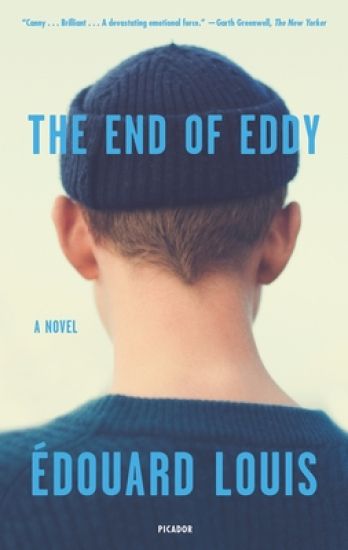
An autobiographical novel about growing up gay in a working-class town in Picardy. "Every morning in the bathroom I would repeat the same phrase to myself over and over again . . . Today I'm really gonna be a tough guy." Growing up in a poor village in northern France, all Eddy Bellegueule wanted was to be a man in the eyes of his family and neighbors. But from childhood, he was different--"girlish," intellectually precocious, and attracted to other men. Already translated into twenty-nine languages, The End of Eddy captures the violence and desperation of life in a French factory town. It is also a sensitive, universal portrait of boyhood and sexual awakening. Like Karl Ove Knausgaard or Edmund White, douard Louis writes from his own undisguised experience, but he writes with an openness and a compassionate intelligence that are all his own. The result--a critical and popular triumph--has made him the most celebrated French writer of his generation.


Ei enää Eddy on Ranskan viime vuosien kohutuin ja puhutuin romaani, joka nousee lähes julman niukkaa kerrontaansa suuremmaksi kuvaksi unohdetusta Ranskasta, köyhyydestä, tuomitsemisesta ja näköalattomuudesta. Kaikki tietävät, että Eddy Bellegueulessä on jotain vialla: vanhemmat, sisarukset, kyläläiset, ystävät, Eddy itse. Ja vaikka hän yrittää kaikkensa, hän ei muutu. Toiset tunnistavat erilaisuuden ja vainoavat Eddyä, toiset hylkivät häntä. Unohdetulla pohjoisranskalaisella teollisuuspaikkakunnalla sovinismi, köyhyys ja näköalattomuus pitävät valtaa: se Ranska, jonka tunnemme, on unohtanut heidät kaikki. Heitä ei ole olemassa kirjallisuudessa eikä mediassa, heillä on vain tämä hetki, eikä kukaan kuule heitä. Ei enää Eddy kertoo, miten Eddy Bellegueule kasvoi väkivallan keskellä homoseksuaalina, erilaisena, ainoana toiveenaan olla niin kuin muut, ja miten hän löysi kuin sattuman kauppaa pakotien toiseen maailmaan.
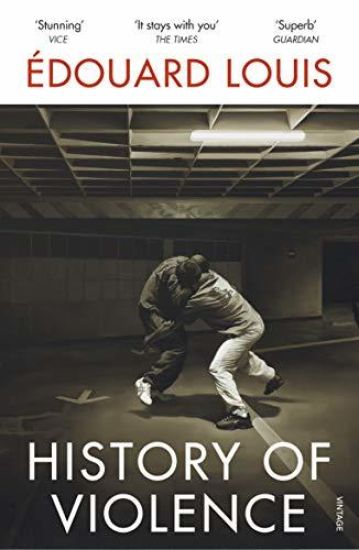
** Shortlisted for the 2020 International Dublin Literary Award **The radical, urgent new novel from the author of The End of Eddy - a personal and powerful story of violence. I met Reda on Christmas Eve 2012, at around four in the morning.
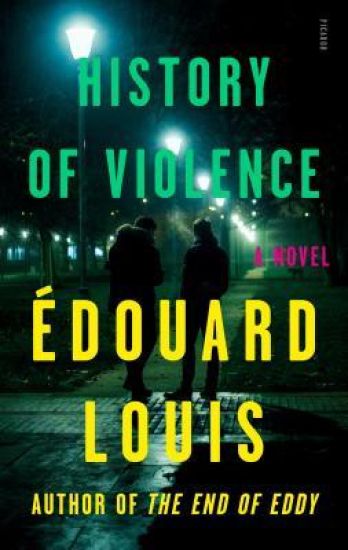
History of Violence is international bestselling French author Edouard Louis's autobiographical novel about surviving a shocking sexual assault and coping with the post-traumatic stress disorder of its aftermath. On Christmas Eve 2012, in Paris, the novelist douard Louis was raped and almost murdered by a man he had just met. This act of violence left Louis shattered; its aftermath made him a stranger to himself and sent him back to the village, the family, and the past he had sworn to leave behind. A bestseller in France, History of Violence is a short nonfiction novel in the tradition of Truman Capote's In Cold Blood, but with the victim as its subject. Moving seamlessly and hypnotically between past and present, between Louis's voice and the voice of an imagined narrator, History of Violence has the exactness of a police report and the searching, unflinching curiosity of memoir at its best. It records not only the casual racism and homophobia of French society but also their subtle effects on lovers, brothers and sisters, husbands and wives. It represents a great step forward for a young writer whose acuity, skill, and depth are unmatched by any novelist of his generation, in French or English.
This bracing new nonfiction book by the young superstar douard Louis is both a searing j'accuse of the viciously entrenched French class system and a wrenchingly tender love letter to his father. Who Killed My Father rips into France's long neglect of the working class and its overt contempt for the poor, accusing the complacent French--at the minimum--of negligent homicide. The author goes to visit the ugly gray town of his childhood to see his dying father, barely fifty years old, who can hardly walk or breathe: "You belong to the category of humans whom politics consigns to an early death." It's as simple as that. But hand in hand with searing, specific denunciations are tender passages of a love between father and son, once damaged by shame, poverty and homophobia. Yet tenderness reconciles them, even as the state is killing off his father. Louis goes after the French system with bare knuckles but turns to his long-alienated father with open arms: this passionate combination makes Who Killed My Father a heartbreaking book.
En undersökning av ordens makt, våldets förgreningar och frågan huruvida man någonsin kan äga sin egen historia. I julaftonsnatten vandrar Édouard hemåt över Place de la République i Paris när en ung man plötsligt dyker upp vid hans sida. De kommer att tillbringa natten tillsammans, men det som började som kärlek avslutas med våldtäkt och mordförsök. Under månaderna som följer ska Édouard komma att gång på gång återberätta historien om den natten, för poliser, sjukhuspersonal, vänner och bekanta. Men kan man någonsin äga sin egen historia? Med förgreningar i Édouards barndom, rasism, fattigdom och begär framträder inte bara historien om ett våldsdåd, utan om det våld som genomsyrar vår värld och vardag, dess mekanismer och fortplantning. Våldets historia är en viktig och modig skildring av en våldtäkt och de psykologiska konsekvenserna av att tilldelas rollen som offer, inte minst i förhållande till förövaren. Édouard Louis ses som en av den yngre franska generationens mest intressanta och nyskapande författare och hans självbiografiska debut Göra sig kvitt Eddy Bellegueule fick ett enormt genomslag och rönte stor uppmärksamhet i både Frankrike och Sverige.
En finir avec Eddy Bellegueule
Édouard Louis
Reclam Philipp Jun.
2018
pokkari
Halvin toimitettuna 15,70 €

The author grew up in Hallencourt, a village in northern France where many live below the poverty line. This novel is about life there. It is an extraordinary portrait of escaping from an unbearable childhood. Written with an openness and compassionate intelligence, ultimately, it asks, how can we create our own freedom?

En undersökning av ordens makt, våldets förgreningar och frågan huruvida man någonsin kan äga sin egen historia. I julaftonsnatten vandrar Édouard hemåt över Place de la République i Paris när en ung man plötsligt dyker upp vid hans sida. De kommer att tillbringa natten tillsammans, men det som började som kärlek avslutas med våldtäkt och mordförsök. Under månaderna som följer ska Édouard komma att gång på gång återberätta historien om den natten, för poliser, sjukhuspersonal, vänner och bekanta. Men kan man någonsin äga sin egen historia? Med förgreningar i Édouards barndom, rasism, fattigdom och begär framträder inte bara historien om ett våldsdåd, utan om det våld som genomsyrar vår värld och vardag, dess mekanismer och fortplantning. Våldets historia är en viktig och modig skildring av en våldtäkt och de psykologiska konsekvenserna av att tilldelas rollen som offer, inte minst i förhållande till förövaren. Édouard Louis ses som en av den yngre franska generationens mest intressanta och nyskapande författare och hans självbiografiska debut Göra sig kvitt Eddy Bellegueule fick ett enormt genomslag och rönte stor uppmärksamhet i både Frankrike och Sverige.
An autobiographical novel about growing up gay in a working-class town in Picardy. "Every morning in the bathroom I would repeat the same phrase to myself over and over again . . . Today I'm really gonna be a tough guy." Growing up in a poor village in northern France, all Eddy Bellegueule wanted was to be a man in the eyes of his family and neighbors. But from childhood, he was different--"girlish," intellectually precocious, and attracted to other men. Already translated into twenty languages, The End of Eddy captures the violence and desperation of life in a French factory town. It is also a sensitive, universal portrait of boyhood and sexual awakening. Like Karl Ove Knausgaard or Edmund White, douard Louis writes from his own undisguised experience, but he writes with an openness and a compassionate intelligence that are all his own. The result--a critical and popular triumph--has made him the most celebrated French writer of his generation.