Kirjailija
Friedrich Engels
Kirjat ja teokset yhdessä paikassa: 650 kirjaa, julkaisuja vuosilta 1848–2026, suosituimpiin kuuluu The Wealth of Nations (Book One) and the Manifesto of the Communist Party. a Combined Edition. Vertaile teosten hintoja ja tarkista saatavuus suomalaisista kirjakaupoista.
650 kirjaa
Kirjojen julkaisuvuodet: 1848–2026.
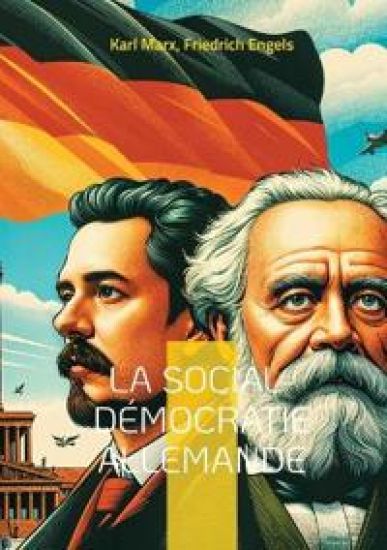
La social-d mocratie allemande est une oeuvre majeure de Karl Marx et Friedrich Engels qui analyse en profondeur les origines et le d veloppement du mouvement ouvrier en Allemagne au XIXe si cle. Dans cet ouvrage fondamental, les deux penseurs r volutionnaires offrent une critique ac r e de l' volution du Parti social-d mocrate allemand (SPD) et de ses positions politiques. Marx et Engels examinent avec perspicacit les influences id ologiques et les conditions socio- conomiques qui ont fa onn la social-d mocratie allemande. Ils d cortiquent les d bats internes du parti, r v lant les tensions entre les diff rentes factions r formistes et r volutionnaires. Leur analyse met en lumi re les d fis auxquels est confront le mouvement ouvrier dans sa lutte pour l' mancipation des travailleurs. Les auteurs s'int ressent particuli rement l' volution du programme du SPD, notamment le Programme de Gotha, qu'ils soumettent une critique d taill e. Ils exposent les contradictions entre les aspirations r volutionnaires initiales du parti et sa tendance croissante au r formisme parlementaire. Cette analyse reste d'une actualit saisissante pour comprendre les dilemmes des partis de gauche contemporains. Marx et Engels ne se contentent pas de critiquer; ils proposent une vision alternative du socialisme r volutionnaire. Ils soulignent l'importance de maintenir une perspective internationaliste et de lier la lutte politique l'organisation conomique de la classe ouvri re. Cet ouvrage s'adresse aux historiens du mouvement ouvrier, aux militants politiques et tous ceux qui s'int ressent l' volution de la pens e socialiste. Il offre des insights pr cieux sur les dynamiques internes des partis de gauche, s'inscrivant dans les cat gories Histoire politique, Th orie marxiste et Mouvements sociaux . La social-d mocratie allemande reste une r f rence incontournable pour comprendre les racines historiques des d bats qui animent encore aujourd'hui la gauche europ
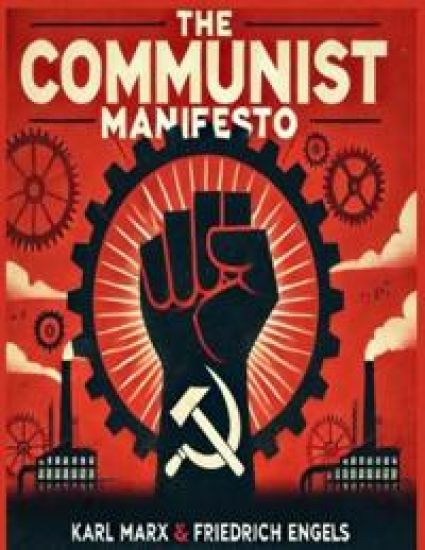
*The Communist Manifesto* (officially *Manifesto of the Communist Party*) is a groundbreaking political work by German philosophers Karl Marx and Friedrich Engels, first published in 1848 amidst the revolutionary upheavals sweeping Europe. Written for the Communist League, this manifesto has become one of the most influential political documents in history. The manifesto provides a thorough analysis of class struggle, both in historical and contemporary contexts, and critiques the capitalist system of production. Rather than speculating about the future of Communism, it focuses on the dynamics of capitalism and the conditions that would lead to socialism and eventually Communism. In the words of its authors, "The history of all hitherto existing society is the history of class struggles." A must-read classic, this essential text continues to inspire and challenge readers around the world.
From the moment when labour can no longer be converted into capital, money, or rentOd trenutka, ko dela ni več mogoče pretvoriti v kapital, denar ali rentowhen labour can no longer be converted into a social power capable of being monopolisedko dela ni več mogoče spremeniti v druzbeno moč, ki bi jo bilo mogoče monopoliziratifrom the moment when individual property can no longer be transformed into Bourgeoisie propertyod trenutka, ko individualne lastnine ni več mogoče preoblikovati v burzoazno lastninofrom the moment when individual property can no longer be transformed into capitalod trenutka, ko individualne lastnine ni več mogoče preoblikovati v kapitalfrom that moment, you say individuality vanishesOd tistega trenutka pravite, da individualnost izgineYou must, therefore, confess that by "individual" you mean no other person than the BourgeoisieZato morate priznati, da z posameznikom ne mislite na nikogar drugega kot na burzoazijoyou must confess it specifically refers to the middle-class owner of propertypriznati morate, da se posebej nanasa na lastnika nepremičnine srednjega razredaThis person must, indeed, be swept out of the way, and made impossibleTo osebo je res treba odstraniti s poti in onemogočitiCommunism deprives no man of the power to appropriate the products of societyKomunizem nikomur ne odvzame moči, da bi si prisvojil izdelke druzbeall that Communism does is to deprive him of the power to subjugate the labour of others by means of such appropriationvse, kar komunizem počne, je, da mu odvzame moč, da bi s taksno prisvojitvijo podredil delo drugihIt has been objected that upon th
From the moment when labour can no longer be converted into capital, money, or rentOd chv le, keď sa pr ca uz ned premeniť na kapit l, peniaze alebo rentuwhen labour can no longer be converted into a social power capable of being monopolisedkeď sa pr ca uz ned premeniť na spoločensk moc, ktor by bolo mozn monopolizovaťfrom the moment when individual property can no longer be transformed into Bourgeoisie propertyod okamihu, keď sa individu lne vlastn ctvo uz nem ze transformovať na burzo zny majetokfrom the moment when individual property can no longer be transformed into capitalod okamihu, keď sa individu lne vlastn ctvo uz ned premeniť na kapit lfrom that moment, you say individuality vanishesOd tej chv le hovor te, ze individualita mizneYou must, therefore, confess that by "individual" you mean no other person than the BourgeoisieMus te preto priznať, ze pod pojmom "jednotlivec" nemysl te nikoho in ho ako burzo ziuyou must confess it specifically refers to the middle-class owner of propertyMus te priznať, ze sa to konkr tne t ka vlastn ka nehnuteľnosti zo strednej triedyThis person must, indeed, be swept out of the way, and made impossibleT to osoba mus byť skutočne zmietnut z cesty a znemoznen Communism deprives no man of the power to appropriate the products of societyKomunizmus nezbavuje ziadneho človeka moci privlastniť si produkty spoločnosti
From the moment when labour can no longer be converted into capital, money, or rentOd trenutka kada se rad vise ne moze pretvoriti u kapital, novac ili rentuwhen labour can no longer be converted into a social power capable of being monopolisedkada se rad vise ne moze pretvoriti u drustvenu moc koja se moze monopoliziratifrom the moment when individual property can no longer be transformed into Bourgeoisie propertyod trenutka kada se individualna imovina vise ne moze transformirati u burzoasku imovinufrom the moment when individual property can no longer be transformed into capitalod trenutka kada se individualno vlasnistvo vise ne moze pretvoriti u kapitalfrom that moment, you say individuality vanishesOd tog trenutka kazete da individualnost nestajeYou must, therefore, confess that by "individual" you mean no other person than the BourgeoisieMorate, dakle, priznati da pod "pojedincem" ne mislite na nijednu drugu osobu osim na burzoazijuyou must confess it specifically refers to the middle-class owner of propertymorate priznati da se to posebno odnosi na vlasnika nekretnine srednje klaseThis person must, indeed, be swept out of the way, and made impossibleOvu osobu, doista, treba maknuti s puta i učiniti nemogucomCommunism deprives no man of the power to appropriate the products of societyKomunizam nijednom čovjeku ne uskracuje moc da prisvaja proizvode drustvaall that Communism does is to deprive him of the power to subjugate the labour of others by means of such appropriationsve sto komunizam čini je da mu oduzima moc da pokorava rad drugih putem takvog prisvajanja
From the moment when labour can no longer be converted into capital, money, or rentDin momentul n care munca nu mai poate fi convertită n capital, bani sau rentăwhen labour can no longer be converted into a social power capable of being monopolisedc nd munca nu va mai putea fi transformată ntr-o putere socială care poate fi monopolizatăfrom the moment when individual property can no longer be transformed into Bourgeoisie propertydin momentul n care proprietatea individuală nu mai poate fi transformată n proprietate burghezăfrom the moment when individual property can no longer be transformed into capitaldin momentul n care proprietatea individuală nu mai poate fi transformată n capitalfrom that moment, you say individuality vanishesdin acel moment, spui că individualitatea dispareYou must, therefore, confess that by "individual" you mean no other person than the BourgeoisiePrin urmare, trebuie să mărturisești că prin "individ" nu nțelegi altă persoană dec t burgheziayou must confess it specifically refers to the middle-class owner of propertyTrebuie să mărturisești că se referă n mod specific la proprietarul proprietății din clasa de mijlocThis person must, indeed, be swept out of the way, and made impossibleAceastă persoană trebuie, ntr-adevăr, să fie măturată din cale și făcută imposibilăCommunism deprives no man of the power to appropriate the products of societyComunismul nu privează pe nimeni de puterea de a-și nsuși produsele societățiiall that Communism does is to deprive him of the power to subjugate the labour of others by means of such appropriationtot ceea ce face comunismul este să-l priveze de puterea de a subjuga munca altora prin intermediul unei astfel de nsușiri
The Communist Manifesto / Kommunistinen Manifesti
Karl Marx; Friedrich Engels
Tranzlaty
2024
pokkari
From the moment when labour can no longer be converted into capital, money, or rentSiit hetkest l htien, kun ty t ei voida en muuttaa p omaksi, rahaksi tai vuokraksiwhen labour can no longer be converted into a social power capable of being monopolisedkun ty t ei voida en muuttaa monopolisoitavaksi yhteiskunnalliseksi mahdiksifrom the moment when individual property can no longer be transformed into Bourgeoisie propertysiit hetkest l htien, kun yksityist omaisuutta ei en voida muuttaa porvariston omaisuudeksifrom the moment when individual property can no longer be transformed into capitalsiit hetkest l htien, kun yksil llist omaisuutta ei en voida muuttaa p omaksifrom that moment, you say individuality vanishesSiit hetkest l htien sanot, ett yksil llisyys katoaaYou must, therefore, confess that by "individual" you mean no other person than the BourgeoisieTeid n on siis tunnustettava, ett yksil ll ei tarkoiteta ket n muuta henkil kuin porvaristoayou must confess it specifically refers to the middle-class owner of propertySinun on tunnustettava, ett se viittaa nimenomaan keskiluokan omaisuuden omistajaanThis person must, indeed, be swept out of the way, and made impossibleT m henkil on todellakin pyyhk ist v pois tielt ja teht v mahdottomaksiCommunism deprives no man of the power to appropriate the products of societyKommunismi ei riist kenelt k n valtaa anastaa yhteiskunnan tuotteitaall that Communism does is to deprive him of the power to subjugate the labour of others by means of such appropriationkommunismi vain riist h nelt vallan alistaa muiden ty t llaisen haltuunoton avulla
From the moment when labour can no longer be converted into capital, money, or rentTừ thời điểm lao động kh ng c n c thể được chuyển đổi th nh vốn, tiền hoặc tiền thu when labour can no longer be converted into a social power capable of being monopolisedkhi lao động kh ng c n c thể được chuyển đổi th nh một quyền lực x hội c khả năng độc quyềnfrom the moment when individual property can no longer be transformed into Bourgeoisie propertytừ thời điểm t i sản c nh n kh ng c n c thể chuyển h a th nh t i sản tư sảnfrom the moment when individual property can no longer be transformed into capitaltừ thời điểm t i sản c nh n kh ng c n c thể chuyển th nh vốnfrom that moment, you say individuality vanishesTừ l c đ , bạn n i rằng t nh c nh n biến mấtYou must, therefore, confess that by "individual" you mean no other person than the BourgeoisieDo đ , bạn phải th nhận rằng "c nh n" kh ng c nghĩa l người n o kh c ngo i giai cấp tư sảnyou must confess it specifically refers to the middle-class owner of propertyBạn phải th nhận rằng n đặc biệt đề cập đến chủ sở hữu t i sản trung lưuThis person must, indeed, be swept out of the way, and made impossibleNgười n y, quả nhi n phải bị qu t sạch, l m cho kh ng thểCommunism deprives no man of the power to appropriate the products of societyChủ nghĩa cộng sản kh ng tước đoạt quyền lực của bất kỳ ai để chiếm đoạt c c sản phẩm của x hộiall that Communism does is to deprive him of the power to subjugate the labour of others by means of such appropriationtất cả những g chủ nghĩa cộng sản l m l tước đoạt quyền lực của anh ta để khuất phục lao động của người kh c bằng c ch chiếm đoạt như vậy
The Communist Manifesto / Det Kommunistiska Manifested
Karl Marx; Friedrich Engels
Tranzlaty
2024
pokkari
From the moment when labour can no longer be converted into capital, money, or rentFr n det gonblick, d arbetet inte l ngre kan f rvandlas till kapital, pengar eller jordr ntawhen labour can no longer be converted into a social power capable of being monopolisedn r arbetet inte l ngre kan f rvandlas till en samh llelig makt som kan monopoliserasfrom the moment when individual property can no longer be transformed into Bourgeoisie propertyfr n det gonblick, d den enskilda egendomen inte l ngre kan f rvandlas till bourgeoisins egendomfrom the moment when individual property can no longer be transformed into capitalfr n det gonblick, d den individuella egendomen inte l ngre kan f rvandlas till kapitalfrom that moment, you say individuality vanishesFr n det gonblicket s ger du att individualiteten f rsvinnerYou must, therefore, confess that by "individual" you mean no other person than the BourgeoisieNi m ste d rf r erk nna, att ni med "individ" inte menar n gon annan n bourgeoisinyou must confess it specifically refers to the middle-class owner of propertyDu m ste erk nna att det specifikt h nvisar till medelklassens gare av egendomThis person must, indeed, be swept out of the way, and made impossibleDenna person m ste sannerligen sopas ur v gen och g ras om jligCommunism deprives no man of the power to appropriate the products of societyKommunismen ber var ingen m nniska f rm gan att till gna sig samh llets produkter
The Communist Manifesto / Het Communistisch Manifest
Karl Marx; Friedrich Engels
Tranzlaty
2024
pokkari
From the moment when labour can no longer be converted into capital, money, or rentVanaf het moment dat arbeid niet meer kan worden omgezet in kapitaal, geld of rentewhen labour can no longer be converted into a social power capable of being monopolisedwanneer arbeid niet langer kan worden omgezet in een sociale macht die kan worden gemonopoliseerdfrom the moment when individual property can no longer be transformed into Bourgeoisie propertyvanaf het moment dat individueel eigendom niet langer kan worden omgezet in burgerlijk eigendomfrom the moment when individual property can no longer be transformed into capitalvanaf het moment dat individueel eigendom niet meer in kapitaal kan worden omgezetfrom that moment, you say individuality vanishesVanaf dat moment zeg je dat individualiteit verdwijntYou must, therefore, confess that by "individual" you mean no other person than the BourgeoisieU moet dus toegeven dat u met 'individu' niemand anders bedoelt dan de bourgeoisieyou must confess it specifically refers to the middle-class owner of propertyJe moet toegeven dat het specifiek verwijst naar de eigenaar van onroerend goed uit de middenklasseThis person must, indeed, be swept out of the way, and made impossibleDeze persoon moet inderdaad uit de weg worden geruimd en onmogelijk worden gemaaktCommunism deprives no man of the power to appropriate the products of societyHet communisme berooft niemand van de macht om zich de producten van de maatschappij toe te eigenen
From the moment when labour can no longer be converted into capital, money, or rentตั้งแต่ช่วงเวลาที่แรงงานไม่สามารถเปลี่ยนเป็นทุน เงิน หรือค่าเช่าได้อีกต่อไปwhen labour can no longer be converted into a social power capable of being monopolisedเมื่อแรงงานไม่สามารถเปลี่ยนเป็นอํานาจทางสังคมที่สามารถผูกขาดได้อีกต่อไปfrom the moment when individual property can no longer be transformed into Bourgeoisie propertyจากช่วงเวลาที่ทรัพย์สินส่วนบุคคลไม่สามารถเปลี่ยนเป็นทรัพย์สินของชนชั้นกลางได้อีกต่อไปfrom the moment when individual property can no longer be transformed into capitalตั้งแต่ช่วงเวลาที่ทรัพย์สินส่วนบุคคลไม่สามารถเปลี่ยนเป็นทุนได้อีกต่อไปfrom that moment, you say individuality vanishesจากช่วงเวลานั้น คุณบอกว่าความเป็นปัจเจกบุคคลหายไปYou must, therefore, confess that by "individual" you mean no other person than the Bourgeoisieดังนั้นคุณต้องสารภาพว่าคําว่า "ปัจเจกบุคคล" คุณไม่ได้หมายถึงบุคคลอื่นนอกจากชนชั้นนายทุนyou must confess it specifically refers to the middle-class owner of propertyคุณต้องสารภาพว่ามันหมายถึงเจ้าของทรัพย์สินชนชั้นกลางโดยเฉพาะ
The Communist Manifesto / Die Kommunistiese Manifes
Karl Marx; Friedrich Engels
Tranzlaty
2024
pokkari
From the moment when labour can no longer be converted into capital, money, or rentVanaf die oomblik wanneer arbeid nie meer in kapitaal, geld of huur omskep kan word niewhen labour can no longer be converted into a social power capable of being monopolisedwanneer arbeid nie meer omskep kan word in 'n sosiale mag wat gemonopoliseer kan word niefrom the moment when individual property can no longer be transformed into Bourgeoisie propertyvanaf die oomblik wanneer individuele eiendom nie meer in bourgeoisie-eiendom omskep kan word niefrom the moment when individual property can no longer be transformed into capitalvanaf die oomblik wanneer individuele eiendom nie meer in kapitaal omskep kan word niefrom that moment, you say individuality vanishesVan daardie oomblik af s jy individualiteit verdwynYou must, therefore, confess that by "individual" you mean no other person than the BourgeoisieU moet dus erken dat u met "individueel" geen ander persoon as die bourgeoisie bedoel nieyou must confess it specifically refers to the middle-class owner of propertyU moet erken dat dit spesifiek verwys na die middelklas-eienaar van eiendomThis person must, indeed, be swept out of the way, and made impossibleHierdie persoon moet inderdaad uit die pad gevee word, en onmoontlik gemaak wordCommunism deprives no man of the power to appropriate the products of societyKommunisme ontneem geen mens van die mag om die produkte van die samelewing toe te eien nieall that Communism does is to deprive him of the power to subjugate the labour of others by means of such appropriational wat kommunisme doen, is om hom van die mag te ontneem om die arbeid van ander deur middel van sulke toe-eiening te onderwerp
From the moment when labour can no longer be converted into capital, money, or rentOd chv le, kdy se pr ce jiz nemůze přeměnit v kapit l, pen ze nebo rentuwhen labour can no longer be converted into a social power capable of being monopolisedkdyz pr ce jiz nemůze b t přeměněna ve společenskou moc, kter by mohla b t monopolizov nafrom the moment when individual property can no longer be transformed into Bourgeoisie propertyod okamziku, kdy individu ln vlastnictv jiz nemůze b t přeměněno ve vlastnictv burzoaziefrom the moment when individual property can no longer be transformed into capitalod okamziku, kdy individu ln vlastnictv jiz nemůze b t přeměněno v kapit lfrom that moment, you say individuality vanishesOd t chv le ř k te, ze individualita miz You must, therefore, confess that by "individual" you mean no other person than the BourgeoisieMus te tedy přiznat, ze "jednotlivcem" nemysl te nikoho jin ho nez burzoaziiyou must confess it specifically refers to the middle-class owner of propertyMus te přiznat, ze se konkr tně vztahuje na vlastn ka majetku ze středn tř dyThis person must, indeed, be swept out of the way, and made impossibleTato osoba mus b t přece smetena z cesty a znemozněnaCommunism deprives no man of the power to appropriate the products of societyKomunismus nezbavuje nikoho moci přivlastňovat si produkty společnostiall that Communism does is to deprive him of the power to subjugate the labour of others by means of such appropriationvse, co komunismus děl , je, ze ho zbavuje moci podrobit si pr ci druh ch prostřednictv m takov ho přivlastňov n
From the moment when labour can no longer be converted into capital, money, or rentمن اللحظة التي لم يعد من الممكن فيها تحويل العمل إلى رأس مال أو مال أو إيجارwhen labour can no longer be converted into a social power capable of being monopolisedعندما لا يعود من الممكن تحويل العمل إلى قوة اجتماعية قادرة على الاحتكارfrom the moment when individual property can no longer be transformed into Bourgeoisie propertyمن اللحظة التي لم يعد من الممكن فيها تحويل الملكية الفردية إلى ملكية برجوازيةfrom the moment when individual property can no longer be transformed into capitalمن اللحظة التي لم يعد من الممكن فيها تحويل الملكية الفردية إلى رأس مالfrom that moment, you say individuality vanishesمن تلك اللحظة ، تقول إن الفردية تختفيYou must, therefore, confess that by "individual" you mean no other person than the Bourgeoisieلذلك يجب أن تعترف بأنك لا تعني بكلمة "فرد" أي شخص آخر غير البرجوازية.you must confess it specifically refers to the middle-class owner of propertyيجب أن تعترف أنه يشير على وجه التحديد إلى مالك العقار من الطبقة الوسطىThis person must, indeed, be swept out of the way, and made impossibleيجب بالفعل أن يجرف هذا الشخص بعيدا عن الطريق ، ويصبح مستحيلاCommunism deprives no man of the power to appropriate the products of societyالشيوعية لا تحرم أي إنسان من القدرة على الاستيلاء على منتجات المجتمع