
Kirjailija
G. K. Chesterton
Kirjat ja teokset yhdessä paikassa: 2 054 kirjaa, julkaisuja vuosilta 1900–2026, suosituimpiin kuuluu A Miscellany of Poems by G. K. Chesterton. Vertaile teosten hintoja ja tarkista saatavuus suomalaisista kirjakaupoista.
Nimi esiintyy myös muodoissa: G K Chesterton, G.K. Chesterton, G.K Chesterton, G. K Chesterton
2 054 kirjaa
Kirjojen julkaisuvuodet: 1900–2026.






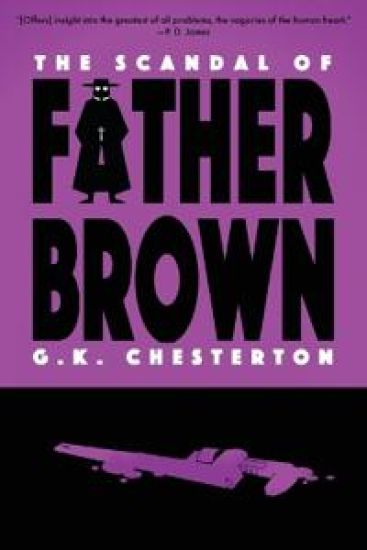
The Scandal of Father Brown (Warbler Classics Annotated Edition)
G. K. Chesterton
Warbler Classics
2023
nidottu
""The Man Who Was Thursday"" is a philosophical and allegorical novel written by G. K. Chesterton, first published in 1908. It follows the story of Gabriel Syme, a poet who is recruited by a secret anti-anarchist organization. Syme becomes a member of a Central European council of anarchists, each named after a day of the week, including the enigmatic Sunday, who holds a significant position within the organization. As Syme delves deeper into the world of anarchists, he finds himself embroiled in a complex and surreal series of events. The story explores themes of truth, deception, individualism, and the nature of human identity. It combines elements of mystery, thriller, and satire, with Chesterton's characteristic wit and intellectual depth.
THE poet in the comic opera, it will be remembered (I hope), claimed for his sthetic authority that "Hey diddle diddle will rank as an idyll, if I pronounce itchaste." In face of a satire which still survives the fashion it satirized, it may requiresome moral courage seriously to pronounce it chaste, or to suggest that thenursery rhyme in question has really some of the qualities of an idyll. Of its chastity, in the vulgar sense, there need be little dispute, despite the scandal of theelopement of the dish with the spoon, which would seem as free from grossness asthe loves of the triangles. And though the incident of the cow may have somethingof the moonstruck ecstasy of Endymion, that also has a silvery coldness about itworthy of the wilder aspects of Diana. The truth more seriously tenable is that thisnursery rhyme is a complete and compact model of the nursery short story. Thecow jumping over the moon fulfils to perfection the two essentials of such a storyfor children. It makes an effect that is fantastic out of objects that are familiar; andit makes a picture that is at once incredible and unmistakable. But it is yet moretenable, and here more to the point, that this nursery rhyme is emphatically arhyme. Both the lilt and the jingle are just right for their purpose, and are worthwhole libraries of elaborate literary verse for children. And the best proof of itsvitality is that the satirist himself has unconsciously echoed the jingle even inmaking the joke. The metre of that nineteenth-century satire is the metre of thenursery rhyme. "Hey diddle diddle, the cat and the fiddle" and "Hey diddle diddlewill rank as an idyll" are obviously both dancing to the same ancient tune; and thatby no means the tune the old cow died of, but the more exhilarating air to whichshe jumped over the moon.
THE poet in the comic opera, it will be remembered (I hope), claimed for his sthetic authority that "Hey diddle diddle will rank as an idyll, if I pronounce itchaste." In face of a satire which still survives the fashion it satirized, it may requiresome moral courage seriously to pronounce it chaste, or to suggest that thenursery rhyme in question has really some of the qualities of an idyll. Of its chastity, in the vulgar sense, there need be little dispute, despite the scandal of theelopement of the dish with the spoon, which would seem as free from grossness asthe loves of the triangles. And though the incident of the cow may have somethingof the moonstruck ecstasy of Endymion, that also has a silvery coldness about itworthy of the wilder aspects of Diana. The truth more seriously tenable is that thisnursery rhyme is a complete and compact model of the nursery short story. Thecow jumping over the moon fulfils to perfection the two essentials of such a storyfor children. It makes an effect that is fantastic out of objects that are familiar; andit makes a picture that is at once incredible and unmistakable. But it is yet moretenable, and here more to the point, that this nursery rhyme is emphatically arhyme. Both the lilt and the jingle are just right for their purpose, and are worthwhole libraries of elaborate literary verse for children. And the best proof of itsvitality is that the satirist himself has unconsciously echoed the jingle even inmaking the joke. The metre of that nineteenth-century satire is the metre of thenursery rhyme. "Hey diddle diddle, the cat and the fiddle" and "Hey diddle diddlewill rank as an idyll" are obviously both dancing to the same ancient tune; and thatby no means the tune the old cow died of, but the more exhilarating air to whichshe jumped over the moon.
Wherever there is Animal Worship there is Human Sacrifice. That is, both symbolically and literally, a real truth of historical experience. Suppose a thousand black slaves were sacrificed to the blackbeetle; suppose a million maidens were flung into the Nile to feed the crocodile; suppose the cat could eat men instead of mice-it could still be no more than that sacrifice of humanity that so often makes the horse more important than the groom, or the lap-dog more important even than the lap. The only right view of the animal is the comic view. Because the view is comic it is naturally affectionate. And because it is affectionate, it is never respectful. I know no place where the true contrast has been more candidly, clearly, and (for all I know) unconsciously expressed than in an excellent little book of verse called Bread and Circuses by Helen Parry Eden, the daughter of Judge Parry, who has inherited both the humour and the humanity in spite of which her father succeeded as a modern magistrate. There are a great many other things that might be praised in the book, but I should select for praise the sane love of animals. There is, for instance, a little poem on a cat from the country who has come to live in a flat in Battersea (everybody at some time of their lives has lived or will live in a flat in Battersea, except, perhaps, the "prisoner of the Vatican"), and the verses have a tenderness, with a twist of the grotesque, which seems to me the exactly appropriate tone about domestic pets: And now you're here. Well, it may beThe sun does rise in BatterseaAlthough to-day be dark;Life is not shorn of loves and hatesWhile there are sparrows on the slatesAnd keepers in the Park
Wherever there is Animal Worship there is Human Sacrifice. That is, both symbolically and literally, a real truth of historical experience. Suppose a thousand black slaves were sacrificed to the blackbeetle; suppose a million maidens were flung into the Nile to feed the crocodile; suppose the cat could eat men instead of mice-it could still be no more than that sacrifice of humanity that so often makes the horse more important than the groom, or the lap-dog more important even than the lap. The only right view of the animal is the comic view. Because the view is comic it is naturally affectionate. And because it is affectionate, it is never respectful. I know no place where the true contrast has been more candidly, clearly, and (for all I know) unconsciously expressed than in an excellent little book of verse called Bread and Circuses by Helen Parry Eden, the daughter of Judge Parry, who has inherited both the humour and the humanity in spite of which her father succeeded as a modern magistrate. There are a great many other things that might be praised in the book, but I should select for praise the sane love of animals. There is, for instance, a little poem on a cat from the country who has come to live in a flat in Battersea (everybody at some time of their lives has lived or will live in a flat in Battersea, except, perhaps, the "prisoner of the Vatican"), and the verses have a tenderness, with a twist of the grotesque, which seems to me the exactly appropriate tone about domestic pets: And now you're here. Well, it may beThe sun does rise in BatterseaAlthough to-day be dark;Life is not shorn of loves and hatesWhile there are sparrows on the slatesAnd keepers in the Park
Tales of the Long Bow, a classical book, has been considered essential throughout the human history, and so that this work is never forgotten we at Alpha Editions have made efforts in its preservation by republishing this book in a modern format for present and future generations. This whole book has been reformatted, retyped and designed. These books are not made of scanned copies of their original work and hence the text is clear and readable.
The secret of Father Brown, a classical book, has been considered essential throughout the human history, and so that this work is never forgotten we at Alpha Editions have made efforts in its preservation by republishing this book in a modern format for present and future generations. This whole book has been reformatted, retyped and designed. These books are not made of scanned copies of their original work and hence the text is clear and readable.
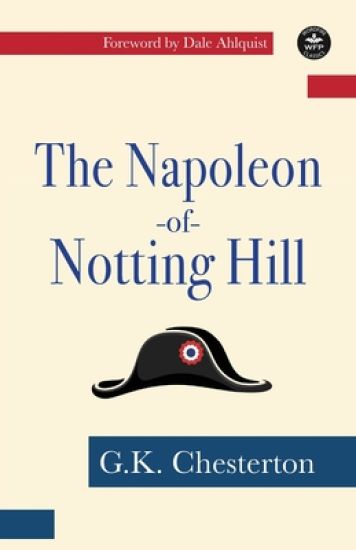
When dystopian futures don't feel so future at all... Four decades before George Orwell wrote 1984, The Napoleon of Notting Hill defined the dystopian genre. One of the first dystopian comedies, instead of a dark vision of jackboots and surveillance states, G. K. Chesterton explores the question of what a society would look like if no one could take a joke. In this future England, each new king is decided by lottery. When Auberon Quin, a man who cares only for a good joke, is chosen to be the next king, he resolves to spend his reign teaching his fellow governors how big a joke can really be. While most district leaders are content to put up with Auberon's schemes even when he insists upon elaborate costumes and heraldry, one provost takes his games much too seriously. When Adam Wayne, the Provost of Notting Hill, takes a military stand against his fellow leaders and seeks to defend his tiny fiefdom by any means necessary, Auberon's joke has gone too far. At a time when the dystopian genre is defined by hopelessness, Chesterton's dry wit and tongue-in-cheek humor are a welcome respite. Follow Auberon and Wayne as they ponder the meaning of humor and virtue in a world where the swords are all too real and the defense of one's pride may well result in blood in the streets. Foreword by Dale Ahlquist, president of the Society of G. K. Chesterton.
When dystopian futures don't feel so future at all... Four decades before George Orwell wrote 1984, The Napoleon of Notting Hill defined the dystopian genre. One of the first dystopian comedies, instead of a dark vision of jackboots and surveillance states, G. K. Chesterton explores the question of what a society would look like if no one could take a joke. In this future England, each new king is decided by lottery. When Auberon Quin, a man who cares only for a good joke, is chosen to be the next king, he resolves to spend his reign teaching his fellow governors how big a joke can really be. While most district leaders are content to put up with Auberon's schemes even when he insists upon elaborate costumes and heraldry, one provost takes his games much too seriously. When Adam Wayne, the Provost of Notting Hill, takes a military stand against his fellow leaders and seeks to defend his tiny fiefdom by any means necessary, Auberon's joke has gone too far. At a time when the dystopian genre is defined by hopelessness, Chesterton's dry wit and tongue-in-cheek humor are a welcome respite. Follow Auberon and Wayne as they ponder the meaning of humor and virtue in a world where the swords are all too real and the defense of one's pride may well result in blood in the streets. Foreword by Dale Ahlquist, president of the Society of G. K. Chesterton.
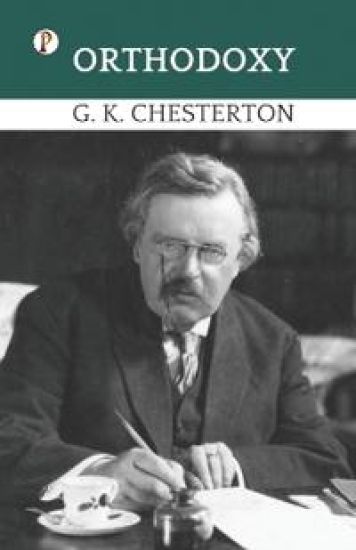
Orthodoxy is a classic work of Christian apologetics by G. K. Chesterton, which defends the basic tenets of Christianity against scepticism and unbelief. Chesterton uses his unique style of writing to convey his message with humour and clarity. He argues that Christianity is not just a religion but a way of seeing the world that is grounded in reality. He also addresses common objections to Christianity, such as the problem of evil and the existence of miracles, and provides compelling responses. He also delves into the importance of tradition and the value of paradox. Orthodoxy is a must-read for anyone seeking a deeper understanding of Christianity and its place in the world.