Kirjojen hintavertailu – 12 859 818 kirjaa ja 27 kauppaa

Kirjailija

Immanuel Kant

Kirjat ja teokset yhdessä paikassa: 1 083 kirjaa, julkaisuja vuosilta 1785–2026, suosituimpiin kuuluu Politz, K: Immanuel Kants Vorlesungen Uber Die Philosophisch. Vertaile teosten hintoja ja tarkista saatavuus suomalaisista kirjakaupoista.

1 083 kirjaa

Kirjojen julkaisuvuodet: 1785–2026.

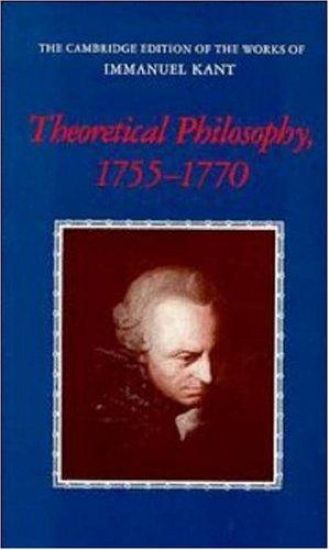
Theoretical Philosophy, 1755–1770

Theoretical Philosophy, 1755–1770

Immanuel Kant

Cambridge University Press
2003
pokkari
This is the first volume of the first ever comprehensive edition of the works of Immanuel Kant in English translation. The eleven essays in this volume constitute Kant’s theoretical, pre-critical philosophical writings from 1755 to 1770. Several of these pieces have never been translated into English before; others have long been unavailable in English. We can trace in these works the development of Kant’s thought to the eventual emergence in 1770 of the two chief tenets of his mature philosophy: the subjectivity of space and time, and the phenomena-noumena distinction. The volume has been furnished with substantial editorial apparatus, including a general introduction to the main themes of Kant’s early thought, introduction to the individual works and résumés of their contents, linguistic and factual notes, bibliographies, a glossary of key terms, and biographical-bibliographical sketches of persons mentioned by Kant.
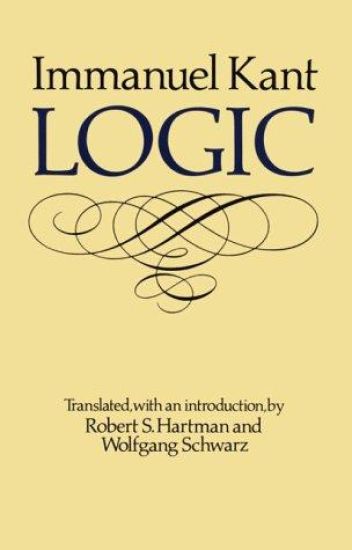
Logic

Logic

Immanuel Kant

Dover Publications Inc.
2003
nidottu
First and only English translation of highly influential classic--most accessible introduction to Kant's system; essential for understanding three Critiques.
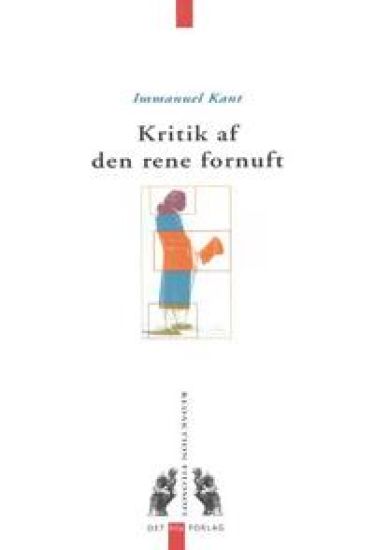
Kritik af den rene fornuft

Kritik af den rene fornuft

Immanuel Kant

Lindhardt og Ringhof
2002
nidottu
Den tyske filosof Immanuel Kant (1724-1804) er en af de store, berømte tænkere. "Kritik af den rene fornuft" fra 1781 anses af mange for at være Kants mest betydningsfulde værk på grund af dens store indflydelse på filosofihistorien. I dette erkendelsesteoretiske værk søger Kant at løse konflikten mellem rationalisme, der hævder at al vores viden kommer fra fornuften og empirisme, der hævder, at al viden kommer fra erfaring. Kant foreslår, at vores viden er en kombination af begge dele: vores fornuft strukturerer vores erfaringer for at skabe viden. Kant indfører også sin berømte "transcendentale æstetik", hvor han argumenterer for, at tid og rum er rene intuitioner, der strukturerer vores oplevelse af verden. Værket omfatter også centrale ideer som kategoriske imperativer og det transcendentale ego." Kritik af den rene fornuft" er kendt for at være yderst kompleks og svær at forstå. Men det er også anerkendt som et af de mest betydningsfulde bidrag til filosofi nogensinde og er ekstremt indflydelsesrigt inden for filosofiens verden. Oversat af Claus Bratt Østergaard.
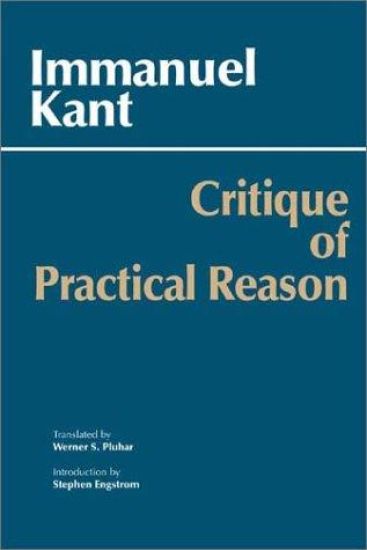
Critique of Practical Reason

Critique of Practical Reason

Immanuel Kant

Hackett Publishing Co, Inc
2002
sidottu
With this volume, Werner Pluhar completes his work on Kant's three Critiques, an accomplishment unique among English language translators of Kant. At once accurate, fluent, and accessible, Pluhar's rendition of the Critique of Practical Reason meets the standards set in his widely respected translations of the Critique of Judgment (1987) and the Critique of Pure Reason (1996). Stephen Engstrom's Introduction discusses the place of the second Critique in Kant's critical philosophy, its relation to Kant's ethics, and its practical purpose and provides an illuminating outline of Kant's argument.
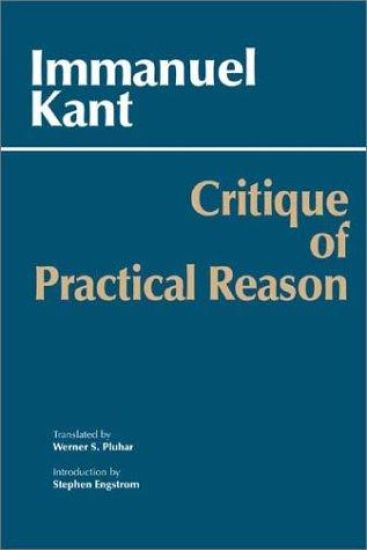
Critique of Practical Reason

Critique of Practical Reason

Immanuel Kant; Werner S. (TRN) Pluhar

Hackett Pub Co Inc
2002
pokkari
With this volume, Werner Pluhar completes his work on Kant's three Critiques, an accomplishment unique among English language translators of Kant. At once accurate, fluent, and accessible, Pluhar's rendition of the Critique of Practical Reason meets the standards set in his widely respected translations of the Critique of Judgement (1987) and the Critique of Pure Reason (1996).
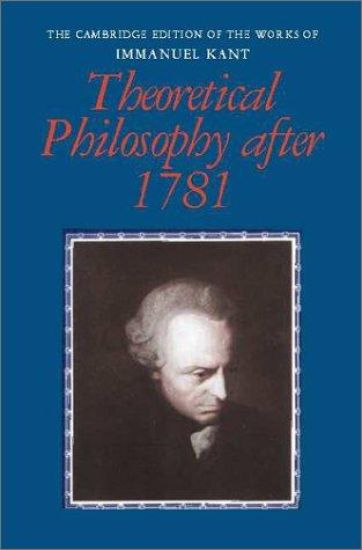
Theoretical Philosophy after 1781

Theoretical Philosophy after 1781

Immanuel Kant

Cambridge University Press
2002
sidottu
This volume is the first to assemble in historical sequence the writings that Kant published between 1783 and 1796 to popularize, summarize, amplify and defend the doctrines of his masterpiece, the Critique of Pure Reason of 1781. The best known of them, the Prolegomena, is often recommended to beginning students, but the other texts are also vintage Kant and are important sources for a fully-rounded picture of Kant’s intellectual development. As with other volumes in the series there are copious linguistic notes and a glossary of key terms. The editorial introductions and explanatory notes shed light on the critical reception accorded Kant by the metaphysicians of his day and on Kant’s own efforts to derail his opponents.
Prolegomena - Till varje framtida metafysik som skall kunna uppträda som ve
Prolegomena kom ut två år efter Kritik av det rena förnuftet. Kant söker här sammanfatta tankegångarna i sitt huvudverk och tillrättavisa några av de missförstånd som det gav upphov till. Boken är uppbyggd kring frågor som är implicita i Kritiken men som nu ställs explicit: Vad är förutsättningarna för att erfarenhet skall vara möjlig? Hur är matematik och naturvetenskap möjliga? Kan det finns en vetenskaplig metafysik? Den s k kritiska idealismen som Kant utarbetade ger svaret på dessa frågor. En grundläggande tanke får följande formulering i Prolegomena: "Ting är givna för oss såsom utanför oss befintliga föremål för våra sinnen, men vad de må vara i sig själva vet vi ingenting om, utan vi är bara bekanta med deras framträdelser, dvs de föreställningar som de åstadkommer i oss i det att de påverkar våra sinnen". Att tro att man kan ha kunskap om "tinget i sig" är det misstag som en äldre metafysik gjorde sig skyldig till. En metafysik som gör anspråk på vetenskaplighet måste vara erfarenhetens metafysik. Det är mot bakgrund av dessa tankar som man ska förstå bokens fullständiga titel, som i original lyder: Prolegomena zu einen jeden künftigen Metaphysik, die als Wissenshaft wird auftreten können. Det blir på svenska; Inledande anmärkningar till varje framtida metafysik som skall kunna uppträda som vetenskap. Prolegomena har varit inkörsporten till Kants filosofi för generationer av filosofer.
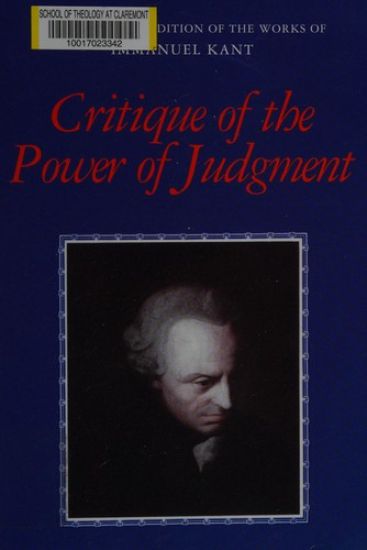
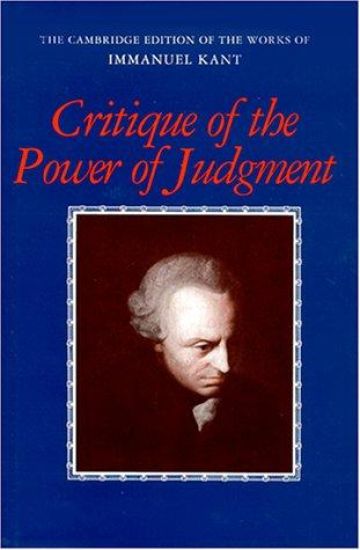
Critique of the Power of Judgment

Critique of the Power of Judgment

Immanuel Kant

Cambridge University Press
2001
pokkari

Halvin toimitettuna 51,20 €

The Critique of the Power of Judgment (a more accurate rendition of what has hitherto been translated as the Critique of Judgment) is the third of Kant’s great critiques following the Critique of Pure Reason and the Critique of Practical Reason. This entirely new translation of Kant’s masterpiece follows the principles and high standards of all other volumes in The Cambridge Edition of the Works of Immanuel Kant. This volume includes: for the first time the indispensable first draft of Kant’s introduction to the work; the only English edition notes to the many differences between the first (1790) and second (1793) editions of the work; and relevant passages in Kant’s anthropology lectures where he elaborated on his aesthetic views. All in all this new edition offers the serious student of Kant a dramatically richer, more complete and more accurate translation.
Prolegomena zu einer jeden künftigen Metaphysik, die als Wissenschaft wird auftreten können
Kein Geringerer als Arthur Schopenhauer beurteilte Kants Prolegomena als die "schönste und faßlichste aller Kantischen Hauptschriften, welche viel zu wenig gelesen wird, da sie doch das Studium seiner Philosophie außerordentlich erleichtert". Die Prolegomena von 1783 sind eine Kurzfassung der "Kritik der reinen Vernunft", deren Plan und Ergebnisse sie übersichtlich darstellen sollen. In Umkehrung der Methode der Kritik - statt der synthetischen Lehrart wird nun die analytische befolgt - nimmt Kant unter der Leitfrage "Wie sind synthetische Urteile a priori möglich?" eine Inhalts-, Umfangs- und Grenzbestimmung reiner Erkenntnis vor. Orientiert am Ideal der Mathematik und der Naturwissenschaft soll der Metaphysik hinsichtlich der Gewißheit ihrer Prinzipien die Nobilitierung einer Wissenschaft zuteil werden, die ihr vor der Kritik versagt war. Damit sind die Prolegomena nicht nur eine Einführung in den Transzendentalen Idealismus Kants, sondern dokumentieren bereits die Weiterführung dieser Kritischen Philosophie, welche sich über die "Grundlegung zur Metaphysik der Sitten" (1785) sowie die "Metaphysischen Anfangsgründe der Naturwissenschaft" (1786) bis zur zweiten Auflage der Kritik (1787) und über diese hinaus fortsetzt.
Lectures on Metaphysics

Lectures on Metaphysics

Immanuel Kant

Cambridge University Press
2001
pokkari
The purpose of the Cambridge Edition is to offer translations of the best modern German edition of Kant’s work in a uniform format suitable for Kant scholars. When complete (fourteen volumes are currently envisaged) the edition will include all of Kant’s published writings and a generous selection from the unpublished writings such as the Opus postumum, handschriftliche Nachlass, lectures, and correspondence. This volume contains the first translation into English of notes from Kant’s lectures on metaphysics. These lectures, dating from the 1760s to the 1790s, touch on all the major topics and phases of Kant’s philosophy. Most of these notes have appeared only recently in the German Academy Edition; this translation offers many corrections of that edition. As is standard with the volumes in the Cambridge Edition there is an extensive editorial apparatus, including extensive linguistic and explanatory notes, a detailed subject index, and glossaries of key terms.
Basic Writings of Kant

Basic Writings of Kant

IMMANUEL KANT

Modern Library Inc
2001
pokkari
With an Introduction by renowned Kant scholar Allen W. Wood, this is the only available one-volume edition of the essential works of the Enlightenment's greatest philosopher and one of the most influential thinkers of modern times. Containing carefully selected excerpts from his most frequently taught essays and book-length publications, including Critique of Pure Reason, Critique of Judgment, and Eternal Peace, the Basic Writings of Kant is an indispensable collection. This revised edition was edited by Carl J. Friedrich.
Kritik av praktiska förnuftet

Kritik av praktiska förnuftet

Immanuel Kant

Argos/Palmkrons Förlag
2001
nidottu
Kritik av praktiska förnuftet är en av Kants tre "kritiska" avhandlingar - föregången av Kritik av det rena förnuftet och följd av Kritik av omdömesförmågan. Här bygger Kant vidare på sin framställning i den tre år tidigare (1785) utgivna Grundläggning av sedernas metafysik. Medan det teoretiska förnuftets värdepoler är sant och falskt är det praktiska förnuftets gott och ont. De förra kan till
Religion and Rational Theology

Religion and Rational Theology

Immanuel Kant

Cambridge University Press
2001
pokkari
This volume collects for the first time in a single volume all of Kant’s writings on religion and rational theology. These works were written during a period of conflict between Kant and the Prussian authorities over his religious teachings. His final statement of religion was made after the death of King Frederick William II in 1797. The historical context and progression of this conflict are charted in the general introduction to the volume and in the translators’ introductions to particular texts. All the translations are new with the exception of The Conflict of the Faculties, where the translation has been revised and re-edited to conform to the guidelines of the Cambridge Edition. As is standard with all the volumes in this edition, there are copious linguistic and explanatory notes, and a glossary of key terms.
Lectures on Ethics

Lectures on Ethics

Immanuel Kant

Cambridge University Press
2001
pokkari
This volume contains four versions of the lecture notes taken by Kant's students of his university courses in ethics given regularly over a period of some thirty years. The notes are very complete and expound not only Kant's views on ethics but many of his opinions on life and human nature. Much of this material has never before been translated into English. As with other volumes in the series, there are copious linguistic and explanatory notes and a glossary of key terms.
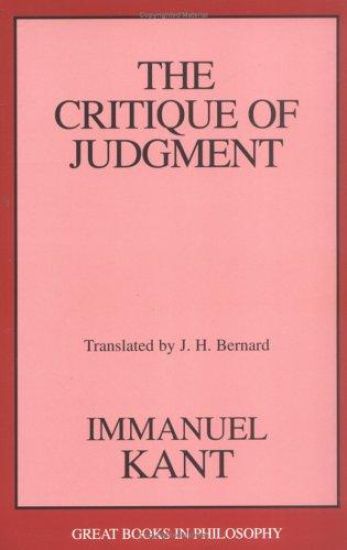
The Critique of Judgment

The Critique of Judgment

Immanuel Kant

Prometheus Books
2000
pokkari
Considered by Kant to be the culmination of his critical philosophy, "The Critique of Judgement" was the last work in the trilogy begun with "The Critique of Pure Reason" and continued with "The Critique of Practical Reason". In this work Kant seeks to establish the a priori principles underlying the faculty of judgement, just as he did in his previous analyses of pure and practical reason. The first part deals with the subject of our aesthetic sensibility; we respond to certain natural phenomena as beautiful, says Kant, when we recognise in nature a harmonious order that satisfies the mind's own need for order. The second half of the critique concentrates on the apparent teleology in nature's design of organisms, i.e., organisms display a complex inter-working of parts, which are subordinated as means to serve the purpose of the whole. All of this suggests, concludes Kant, that our minds are inclined to attribute a final purpose to nature's design and to life as a whole. This natural tendency to see purpose in nature is the main principle underlying all of our judgements. Although this might imply a super-sensible Designer behind nature and a theistic interpretation of the world, in the final analysis Kant maintains an agnostic stance. Ever the objective philosopher he insists that though we are predisposed to read design and purpose into nature, we cannot therefore prove a supernatural dimension or the existence of God. Such considerations are beyond reason and are solely the province of faith.

Critique of the Power of Judgment

Critique of the Power of Judgment

Immanuel Kant

Cambridge University Press
2000
sidottu
The Critique of the Power of Judgment (a more accurate rendition of what has hitherto been translated as the Critique of Judgment) is the third of Kant’s great critiques following the Critique of Pure Reason and the Critique of Practical Reason. This entirely new translation of Kant’s masterpiece follows the principles and high standards of all other volumes in The Cambridge Edition of the Works of Immanuel Kant. This volume includes: for the first time the indispensable first draft of Kant’s introduction to the work; the only English edition notes to the many differences between the first (1790) and second (1793) editions of the work; and relevant passages in Kant’s anthropology lectures where he elaborated on his aesthetic views. All in all this new edition offers the serious student of Kant a dramatically richer, more complete and more accurate translation.