Kirjailija
J.M.G. Le Clézio
Kirjat ja teokset yhdessä paikassa: 46 kirjaa, julkaisuja vuosilta 1984–2026, suosituimpiin kuuluu Alma. Vertaile teosten hintoja ja tarkista saatavuus suomalaisista kirjakaupoista.
Nimi esiintyy myös muodoissa: J. M. G. Le Clézio, J M G Le Clezio, J. M. G. Le Clezio, J.M.G. Le Clezio, J.M.G Le Clézio, J M G Le Clézio, J. M. G Le Clezio
46 kirjaa
Kirjojen julkaisuvuodet: 1984–2026.
Presents a collection of short stories, including "Ariadne," "The Great Life," and "David."
From master storyteller J. M. G. Le Cl zio, winner of the Nobel Prize in Literature, the search for treasure in a childhood Eden. "For as long as I can remember," the author writes, "I heard the sea." At the turn of the century on the island of Mauritius, and young Alexis L'Etang enjoys an idyllic existence with his parents and beloved sister: sampling the pleasures of privilege, exploring the constellations and tropical flora, and dreaming of treasure buried long ago by the legendary Unknown Corsair. But with his father's death, Alexis must leave his childhood paradise and enter the harsh world of privation and shame. Years later, Alexis has become obsessed with the idea of finding the Corsair's treasure and, through it, the lost magic and opulence of his youth. He abandons job and family, setting off on a quest that will take him from remote tropical islands to the hell of World War I, and from a love affair with the elusive Ouma to a momentous confrontation with the search that has consumed his life. Rich with sensuality and haunting resonance, by turns harsh and lyrical, pointed and nostalgic, The Prospector is "a parable of the human condition" (Le Monde) by one of the most significant literary figures in the world today.


A short story collection from Nobel Prize winner J. M. G. Le Clézio offers a poignant and powerful exploration of the lives of the underprivileged and marginalized. J. M. G. Le Clézio’s On the Wrong Side, a collection of eight short stories, continues the author’s life-long pursuit of granting visibility to the unseen and a voice to the voiceless. Here, the author focuses on the underclasses, primarily children who have been left behind, abandoned, and subjected to unspeakable violence. In these haunting tales, we encounter Maureez Samson, a mistreated orphan from Rodrigues Island, who, thanks to her exceptional voice, becomes a famous singer and defies all expectations; some young Indians in Darién, a region straddling Panama and Colombia, struggle to raise their young son and save their idyllic land from its invasion and destruction by drug lords; Juanico and Chuche, two slave children who are taken in by the community of Saint Kateri Takakwitha after an arduous and perilous journey; and in Nogales, on the border between Mexico and the United States, the “street rats,” children who cross through the sewers to wreak havoc and perhaps indulge their dreams of life on the other side. In Le Clézio’s own words, these stories are not simply meant to reveal or describe the plight of the “rejected,” but to “create in the reader a feeling of revolt in the face of the injustice of what is happening to them.”
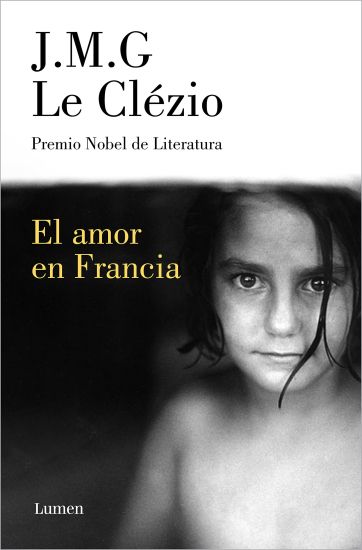
El Premio Nobel de Literatura Le Cl zio regresa con un libro «de una belleza inaudita (La Grande Librairie): «un magn fico himno a la humanidad . T l rama «Si hay un escritor que, como dec a Borges de Shakespeare, podr a ser todos los hombres, es sin duda Jean-Marie Gustave Le Cl zio . Andr s Seoane, El Cultural «Para m --escribe Jean-Marie Gustave Le Cl zio--, la escritura es ante todo un medio de acci n, una manera de propagar ideas. La suerte que reservo a mis personajes no es envidiable, porque son unos indeseables, y mi objetivo es el de que nazca en el lector un sentimiento de revuelta contra la injusticia de lo que les sucede . Esto es justo lo que consigue el el premio Nobel de Literatura, en estas ocho historias protagonizadas por unos j venes sedientos de aventuras, alegr a y poes a que tratan de encontrar su identidad en una sociedad que no los acepta y que los condena al olvido. En el relato que inaugura la colecci n, «Anverso , Maureez Samson, una joven de Rodrigues (Mauricio), deber afrontar el duelo tras la desaparici n de su padre en el mar; la violencia, cuando su padrastro intenta violarla, y la realidad del convento en el que decide refugiarse, hasta que su don para la m sica le permita encontrar una raz n para vivir. En «Camino de luz , una adolescente embarazada y un chico discapacitado huyen de un campo de ni os esclavos creado por los «revolucionarios marxistas de Per . «La pichancha narra las andanzas de unos chavales de la frontera entre M xico y Estados Unidos que atraviesan las alcantarillas para visitar el para so prohibido. En el cuento que da t tulo a este libro, un joven inmigrante no vive m s que por el amor a su familia, que se ha quedado al otro lado del mar, en Tata. Sobrevivir n estos inolvidables h roes en un mundo de duras leyes y acerada modernidad? ENGLISH DESCRIPTION Le Cl zio, winner of the Nobel Prize for Literature, is back with a book "of unprecedented beauty" (La Grande Librairie): "a magnificent hymn to humanity." T l rama "For me," writes Jean-Marie Gustave Le Cl zio, "writing is more than anything a means of action, a way of propagating ideas. The fate I reserve for my characters isn't enviable, because they are undesirables, and my goal is to awaken in the reader a sense of rebellion against the injustice of what happens to them." This is precisely what the Nobel Prize-winning Le Cl zio achieves in these eight stories. Their young protagonists are thirsty for adventure, happiness and poetry, seeking their identities in an unaccepting society that dooms them to be forgotten. In the first story of this collection, "Anverso" (Obverse), Maureez Samson, a young woman from Rodrigues (Mauritius), is in mourning following her father's disappearance at sea, an attempted rape by her stepfather, and the reality of the convent where she seeks shelter, until her musical talent gives her a reason to live. In "Camino de luz" (Path of Light), a pregnant teenager and a disabled boy flee a Marxist "revolutionary" camp of enslaved children in Peru. "La pichancha" (The Sewer) follows the journey of a group of young people on the US-Mexican border who use the sewer system to cross into the forbidden paradise of the north. In the title story, a young immigrant pines for the love of his family, whom he left behind in Tata, far across the ocean. Will these unforgettable characters survive a world of harsh laws and steely modernity?

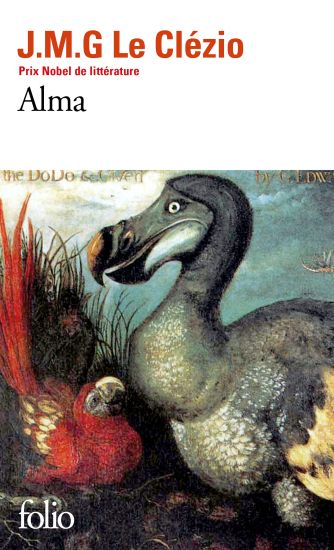
« Mon Alma, Alma des champs et des ruisseaux, des mares et des bois noirs, Alma dans mon cœur, Alma dans mon ventre. Je reste immobile dans le soleil d’or, les yeux levés vers l’intérieur de ma tête puisque je ne peux pas dormir, un jour mon âme va partir par un trou dans ma tête, pour aller au ciel où sont les étoiles. » Voici des histoires croisées, celle de Jérémie, en quête du dodo, l’oiseau jadis exterminé par les humains, et celle de Dominique, alias Dodo, l’admirable hobo, né pour faire rire. Leur lieu commun est Alma, l’ancien domaine des Felsen sur l’île Maurice, que les temps modernes ont changée en Maya, la terre des illusions.
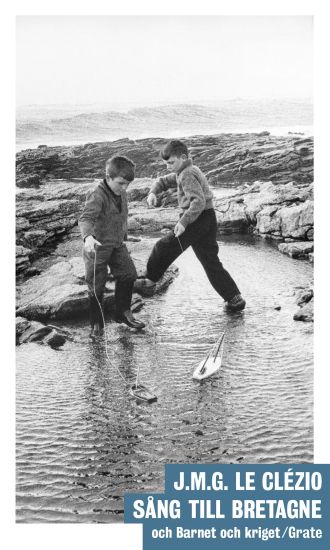
J. M. G. Le Clézios bok innehåller de två berättelserna Sång till Bretagne och Barnet och kriget. Den längre Sång till Bretagne är den vuxne författarens hyllning till sin barn- och ungdoms förtrollade landskap, Bretagne. En lovsång, där varje ord får läsaren att känna doften av varm jord och nyslaget hö, svalkan och smaken av det närbelägna havets salta vatten och se de sommarlediga barnens jublande glädje över efterkrigstidens berusande frihet! I Barnet och kriget samlar Le Clézio minnesfragment av sin tidiga barndom i krigets närhet. För Frankrike börjar andra världskriget i september 1939 och i april 1940 föds författaren i Nice. Tillsammans med modern, sin äldre bror och släktingar lever han de följande fem åren instängd bakom förtäckta fönster, gömdundan de tyska ockupanterna, isolerad i en by ovanför Nice. Författaren ger en djupt gripande skildring av en tillvaro präglad av hunger, kyla och ständig oro, minnen som för hans tankar till de villkor som alla barn i krigshärdar tvingas leva under. Fadern, som har engelskt medborgskap, tjänstgör under hela kriget som fältläkare i Afrika, och honom träffar Le Clézio för allra första gången, när han som åttaåring i sällskap med sin mor och bror besöker honom i Nigeria. Jean-Marie Gustave Le Clézio föddes i Nice 1940 och har sedan debuten 1963 skrivit ett femtiotal böcker: romaner essäer, noveller. Le Clézio tilldelades 2008 års Nobelpris i litteratur med motiveringen »uppbrottets, det poetiska äventyrets och den sinnliga extasens författare, utforskare av en mänsklighet utanför och nedanför den härskande civilisationen».» Jag får intrycket av att denna korta text [Barnet och kriget] ger nyckeln till författarskapets innersta rum, upprinnelsen till en livslång solidaritet med barnets perspektiv.» Svenska Dagbladet
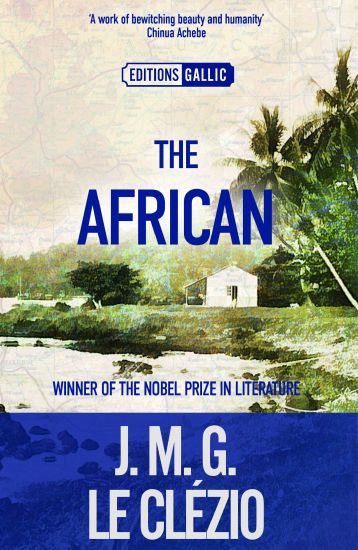
From the WINNER OF THE NOBEL PRIZE IN LITERATURE 'A work of bewitching beauty and humanity' Chinua Achebe In 1948, a young J. M. G. Le Clezio left behind a still-devastated Europe with his mother and brother to join his father, a military doctor in Nigeria, from whom he had been separated by the war. In his characteristically intimate, poetic voice, the Nobel Prize-winning author relates both the child's dazzled discovery of freedom in the African savannah and the torment of recalling his fractured relationship with a rigid, authoritarian father. Now available to UK readers in English for the first time, The African is a poignant memoir of a lost childhood and a tribute to a father whom Le Clezio never really knew. His legacy is the passionate anti-colonialism that the author has carried through his life.
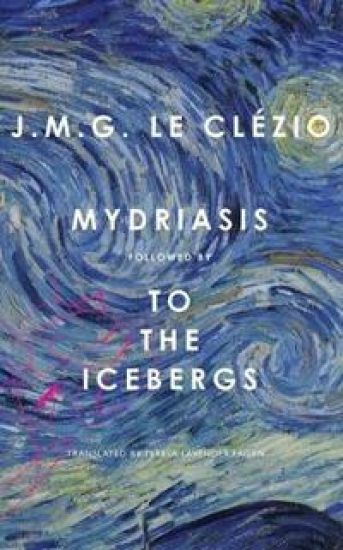
While presenting the Nobel Prize in Literature to J. M. G. Le Cl zio in 2008, the Nobel Committee called him the "author of new departures, poetic adventure and sensual ecstasy, explorer of a humanity beyond and below the reigning civilization." In Mydriasis, the author proves himself to be precisely that as he takes us on a phantasmagoric journey into parallel worlds and whirling visions. Dwelling on darkness, light, and human vision, Le Cl zio's richly poetic prose composes a mesmerizing song and a dizzying exploration of the universe--a universe not unlike the abysses explored by the highly idiosyncratic Belgian poet Henri Michaux. Michaux is, in fact, at the heart of To the Icebergs. Fascinated by his writing, Le Cl zio includes Michaux's 'poem of the poem', 'Iniji', thereby allowing the poet's voice to emerge by itself. What follows is much more than a simple analysis of the poem; rather, it is an act of complete insight and understanding, a personal appropriation and elevation of the work. Written originally in the 1970s and now translated into English for the first time, these two brief, incisive and haunting texts will further strengthen the reputation of one of the world's greatest and most visionary living writers.
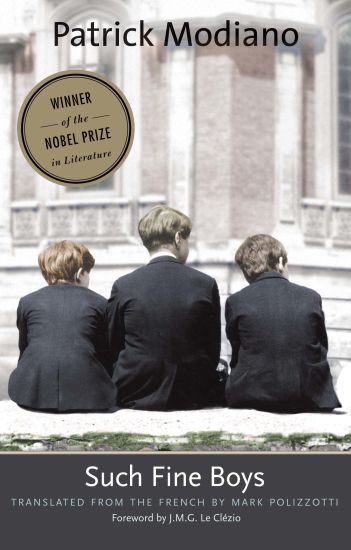
Such Fine Boys
Patrick Modiano; J. M. G. Le Clezio
Yale University Press
2017
pokkari
Halvin toimitettuna 21,50 €
Nobel laureate Patrick Modiano’s spellbinding tale of adolescent schoolmates and the vicissitudes of fate As a boarding school student in the early 1960s, Patrick Modiano lived among the troubled teenage sons of wealthy but self-involved parents. In this mesmerizing novel, Modiano weaves together a series of exquisitely crafted stories about such jettisoned boys at the exclusive Valvert School on the outskirts of Paris: abandoned children of privilege, left to create new family ties among themselves. Misfits and heroes, sports champions and good-hearted chums, the boys of Valvert misbehave, run away, get expelled, and engage in various forms of delinquency and disappearance. They emerge into adulthood tragically damaged, still tethered to their adolescent selves, powerless to escape the central loneliness of their lives in an ever-darkening spiral of self-delusion and grim consequence. A meditation on nostalgia, the pitfalls of privilege, and the vicissitudes of fate, this book fully demonstrates the powerful mix of sadness, mystery, wonder, and ominous danger that characterizes Modiano’s most rewarding fiction. Special feature: J. M. G. Le Clézio’s foreword, here in English for the first time, provides a rare and insightful appreciation of one Nobel laureate by another.
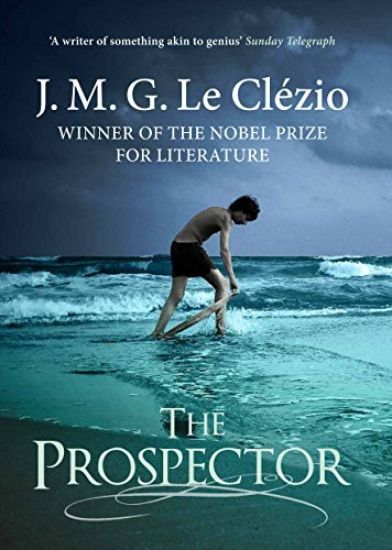
***J. M. G. Le Clézio is the Winner of the 2008 Nobel Prize for Fiction***On the isle of Mauritius at the turn of the century the young Alexis L'Etang enjoys an idyllic existence with his parents and beloved sister - sampling the pleasures of privilege, exploring the onstellations and tropical flora, and dreaming of treasure buried long ago by the Unknown Corsair. But with his father's death, Alexis must leave his childhood paradise and enter the harsh world of privation and shame. Years later, Alexis has become obsessed with the idea of finding the Corsair's treasure; and through it, the lost magic and opulence of his youth. He abandons job and family, setting off on a quest that will take him from the remote tropical islands to the hell of the First World War, and from a love affair with the mysterious Ouma to a momentous confrontation with the search that has consumed his life. By turns harsh and lyrical, pointed and nostalgic, The Prospector is a 'parable of the human condition' (Le Monde) by one of the most significant literary figures in Europe today.
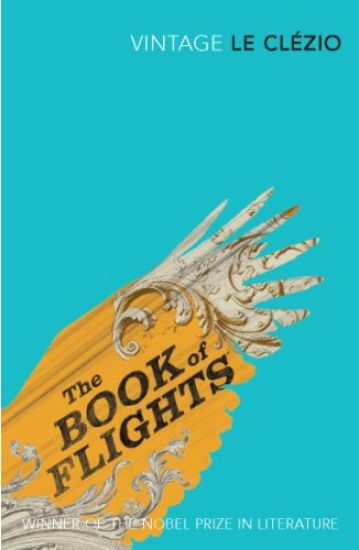
Young Man Hogan's journey begins in the dazzling streets of a nameless necropolis, and leads across fleeting landscapes - deserts, seas, mountains, islands, cities and great plains - to countless entertainments and adventures in four continents. It is an exploration and a celebration, glittering and exuberant, of the writer's art and of life itself.
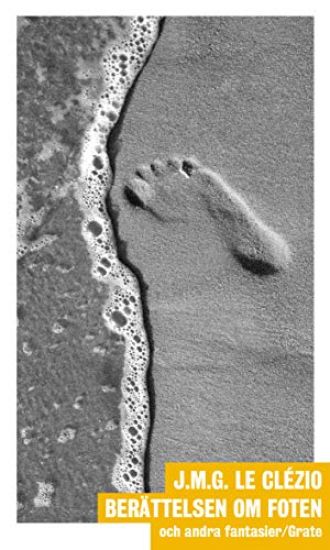
I sin fantasieggande novellsamling tar J. M. G. Le Clézio läsaren med på en omtumlande resa ut i världen. Utgångspunkten är Paris, där den unga Ujine »tänker på havet, då hon vandrade på stranden vid lågvatten och såg hur fotspåren suddades ut bakom henne». Via Afrika, Lanzarote och Mauritius återvänder Le Clézio till Paris, där han i en sublim final konstaterar: »Att skriva är som att åka tunnelbana». Jean-Marie Gustave Le Clézio föddes i Nice 1940 och har sedan debuten 1963 skrivit ett fyrtiotal böcker: romaner essäer, noveller. Le Clézio tilldelades 2008 års Nobelpris i litteratur med motiveringen »uppbrottets, det poetiska äventyrets och den sinnliga extasens författare, utforskare av en mänsklighet utanför och nedanför den härskande civilisationen».» När jag så går in i Nobelpristagarens textfantasier snarare än noveller fylls jag av förtröstansfull ömhet.» Expressen»Det känns som om man skulle kunna följa denna milda berättarröst till världens ände. Le Clézios varma blick på människor tröstar och stärker i en hård tid. () Jag är full av beundran för hur Le Clézio med sin berättelser med postkoloniala förtecken navigerar på ett upprört hav av känslor. Han är en Noa, som tagit oss alla med i båten.» Dagens Nyheter»Le Clézio skriver med andra ord inte bara skärande vackert Ulla Bruncrona lyckas igen och igen att överföra hans sköna flöde till en lika skönt flödande och lättsinnig svenska. Utan hela tiden med såväl etos som patos. I sina bästa stunder är det mycket svårt att motstå.» Helsingborgs Dagblad»Novellerna engagerar och griper tag i läsaren.» Norrköpings Tidningar
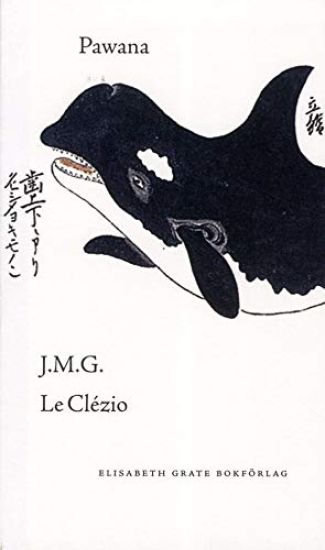
Pawana, valfisk på nattick-indianska, bygger på en autentisk historia om valfångaren Charles Melville Scammon som, efter att 1856 ha upptäckt den lagun i Mexiko där gråvalarna årligen samlades för att kalva, beslöt att utrota dem. Efter att senare ha insett sitt oåterkalliga misstag, ägnade han återstoden av sitt liv åt att skydda valarna. Nobelpristagaren i litteratur 2008, den franske författaren J. M. G. Le Clézio, föddes i Nice 1940. Han har sedan debuten 1963 skrivit ett fyrtiotal böcker: romaner, noveller, essäer, sagor. Förlaget har tidigare utgivit Afrikanen, Allt är vind, Raga, Hungerns visa och Färder i filmens värld. Översättning av Ulla Bruncrona. "Jag vill gärna rekommendera Pawana till de som ännu inte stiftat bekantskap med Le Clézio, berättelsen ger en enkel ingång till ett magnifikt, Nobelprisat berättande." Lyrans Noblesser "Samtidigt rymmer historien i sitt begränsade format allt det som är Le Clézios storhet: den enastående klara stilen, de storslagna scenerierna, närkampen med mänsklighetens grymhet. Med sitt undersköna språk beskriver han våldtäkten på naturen. Skildringen av hur harpunerna går loss i valarnas bukt är svår att skaka av sig." Helsingborgs Dagblad