Kirjojen hintavertailu – 12 859 828 kirjaa ja 27 kauppaa
Kirjailija
James Lee
Kirjat ja teokset yhdessä paikassa: 461 kirjaa, julkaisuja vuosilta 2004–2026, suosituimpiin kuuluu Silesian Folk Tales. Vertaile teosten hintoja ja tarkista saatavuus suomalaisista kirjakaupoista.
Each puzzle consists of a 9x9 grid containing given clues in various places. The object is to fill all empty squares so that the numbers 1 to 9 appear exactly once in each row, column, diagonal and 3x3 box.
Each puzzle consists of a 9x9 grid containing given clues in various places. The object is to fill all empty squares so that the numbers 1 to 9 appear exactly once in each row, column, diagonal and 3x3 box.
Each puzzle consists of a 9x9 grid containing given clues in various places. The object is to fill all empty squares so that the numbers 1 to 9 appear exactly once in each row, column, diagonal and 3x3 box.
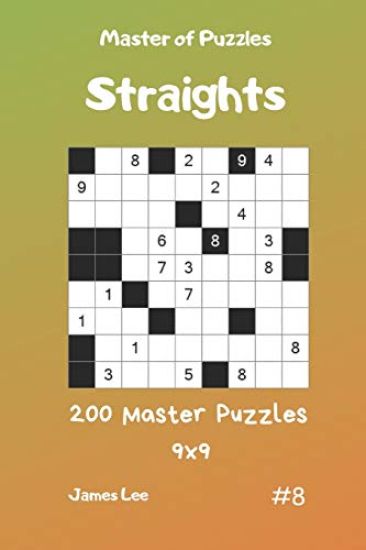
The solver is given a 9x9 grid, partially divided by black cells into compartments. Each compartment, vertically or horizontally, must contain a straight - a set of consecutive numbers, but in any order. For example: 7, 6, 4, 5 is valid, but 1, 3, 8, 7 is not. Like sudoku, the solver must fill the remaining white cells with numbers 1 to 9 (or 1 to n in puzzles with N cells per side) such that each row and column contains unique digits. Whereas Sudoku has the additional constraint of 3x3 boxes, in Str8ts rows and columns are divided by blacks cells. Additional clues are set in some of the black cells - these numbers remove that digit as an option in the row and column. Such digits do not form part of any straight.
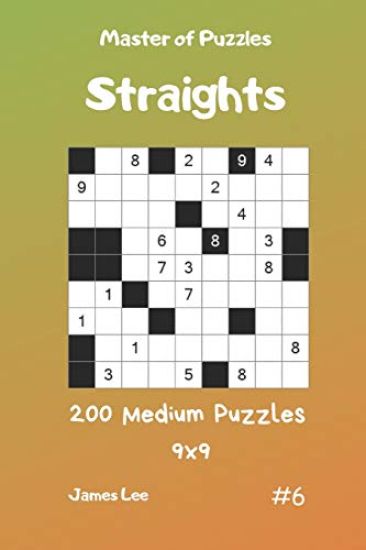
The solver is given a 9x9 grid, partially divided by black cells into compartments. Each compartment, vertically or horizontally, must contain a straight - a set of consecutive numbers, but in any order. For example: 7, 6, 4, 5 is valid, but 1, 3, 8, 7 is not. Like sudoku, the solver must fill the remaining white cells with numbers 1 to 9 (or 1 to n in puzzles with N cells per side) such that each row and column contains unique digits. Whereas Sudoku has the additional constraint of 3x3 boxes, in Str8ts rows and columns are divided by blacks cells. Additional clues are set in some of the black cells - these numbers remove that digit as an option in the row and column. Such digits do not form part of any straight.
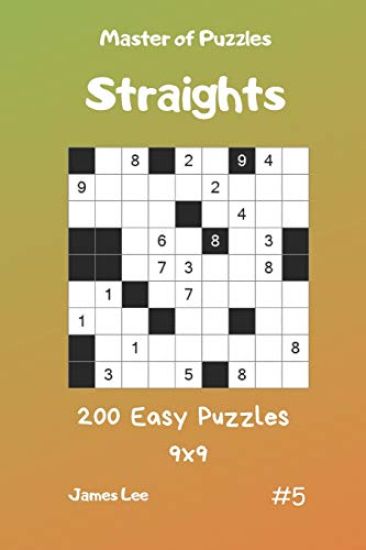
The solver is given a 9x9 grid, partially divided by black cells into compartments. Each compartment, vertically or horizontally, must contain a straight - a set of consecutive numbers, but in any order. For example: 7, 6, 4, 5 is valid, but 1, 3, 8, 7 is not. Like sudoku, the solver must fill the remaining white cells with numbers 1 to 9 (or 1 to n in puzzles with N cells per side) such that each row and column contains unique digits. Whereas Sudoku has the additional constraint of 3x3 boxes, in Str8ts rows and columns are divided by blacks cells. Additional clues are set in some of the black cells - these numbers remove that digit as an option in the row and column. Such digits do not form part of any straight.
The solver is given a 9x9 grid, partially divided by black cells into compartments. Each compartment, vertically or horizontally, must contain a straight - a set of consecutive numbers, but in any order. For example: 7, 6, 4, 5 is valid, but 1, 3, 8, 7 is not. Like sudoku, the solver must fill the remaining white cells with numbers 1 to 9 (or 1 to n in puzzles with N cells per side) such that each row and column contains unique digits. Whereas Sudoku has the additional constraint of 3x3 boxes, in Str8ts rows and columns are divided by blacks cells. Additional clues are set in some of the black cells - these numbers remove that digit as an option in the row and column. Such digits do not form part of any straight.
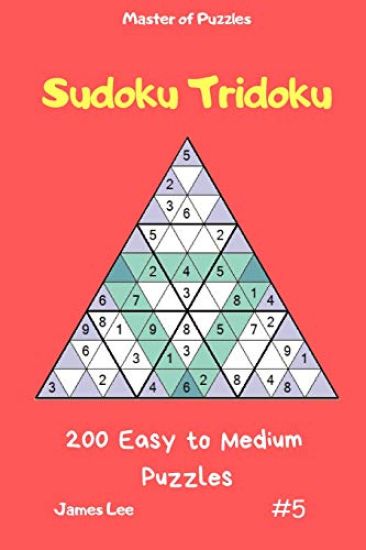
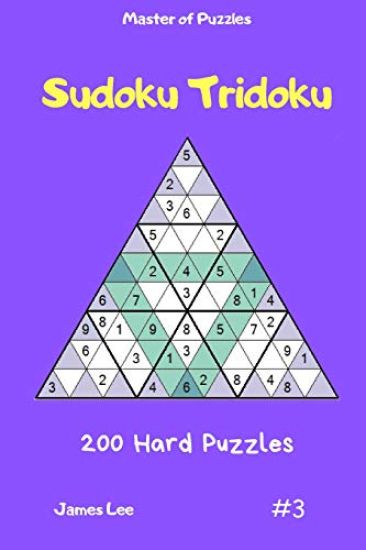
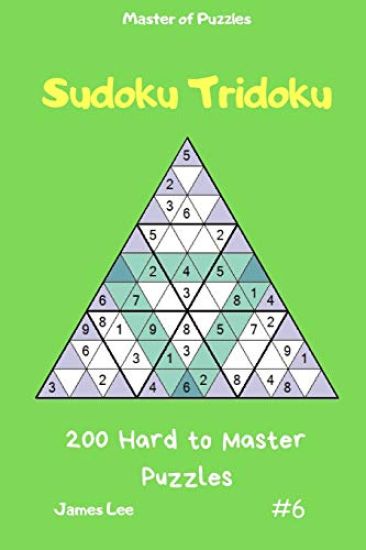
Tridoku consists of nine large triangles; the numbers 1 through 9 must be placed into the triangular cells of each large triangle. Also, the numbers 1 through 9 must be placed in the three legs of the inner shaded triangle and in the three legs of the outer shaded triangle. No two neighboring cells may contain the same number.
Tridoku consists of nine large triangles; the numbers 1 through 9 must be placed into the triangular cells of each large triangle. Also, the numbers 1 through 9 must be placed in the three legs of the inner shaded triangle and in the three legs of the outer shaded triangle. No two neighboring cells may contain the same number.
Tridoku consists of nine large triangles; the numbers 1 through 9 must be placed into the triangular cells of each large triangle. Also, the numbers 1 through 9 must be placed in the three legs of the inner shaded triangle and in the three legs of the outer shaded triangle. No two neighboring cells may contain the same number.
Integrate Redux with React and other front-end JavaScript frameworks efficiently and manage application states effectivelyKey FeaturesGet better at building web applications with state management using ReduxLearn the fundamentals of Redux to structure your app more efficientlyThis guide will teach you develop complex apps that would be easier to maintainBook DescriptionStarting with a detailed overview of Redux, we will follow the test-driven development (TDD) approach to develop single-page applications. We will set up JEST for testing and use JEST to test React, Redux, Redux-Sage, Reducers, and other components. We will then add important middleware and set up immutableJS in our application. We will use common data structures such as Map, List, Set, and OrderedList from the immutableJS framework. We will then add user interfaces using ReactJS, Redux-Form, and Ant Design. We will explore the use of react-router-dom and its functions. We will create a list of routes that we will need in order to create our application, and explore routing on the server site and create the required routes for our application. We will then debug our application and integrate Redux Dev tools. We will then set up our API server and create the API required for our application. We will dive into a modern approach to structuring our server site components in terms of Model, Controller, Helper functions, and utilities functions. We will explore the use of NodeJS with Express to build the REST API components. Finally, we will venture into the possibilities of extending the application for further research, including deployment and optimization. What you will learnFollow the test-driven development (TDD) approach to develop a single-page applicationAdd important middleware, such as Redux store middleware, redux-saga middleware, and language middleware, to your applicationUnderstand how to use immutableJS in your applicationBuild interactive components using ReactJSConfigure react-router-redux and explore the differences between react-router-dom and react-router-reduxUse Redux Dev tools to debug your applicationSet up our API server and create the API required for our applicationWho this book is forThis book is meant for JavaScript developers interesting in learning state management and building easy to maintain web applications.
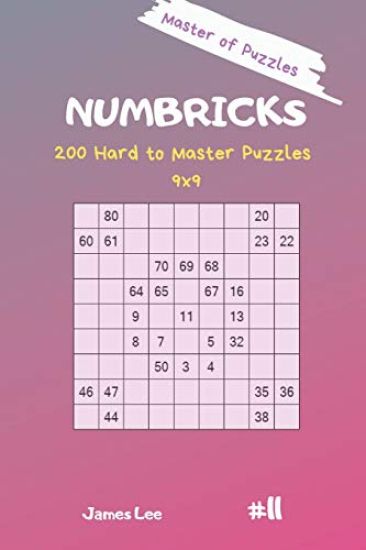
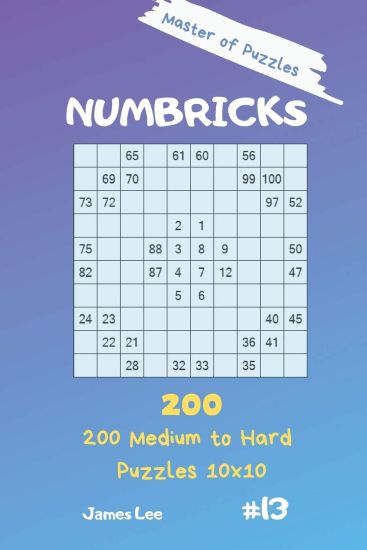
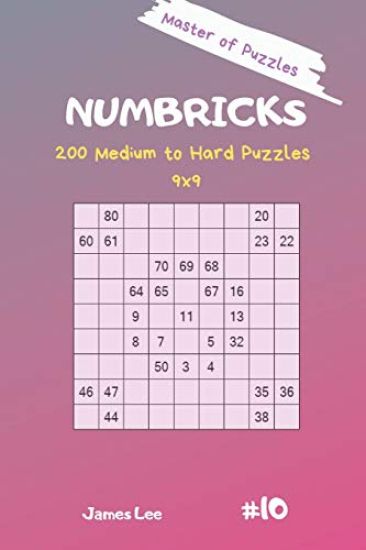
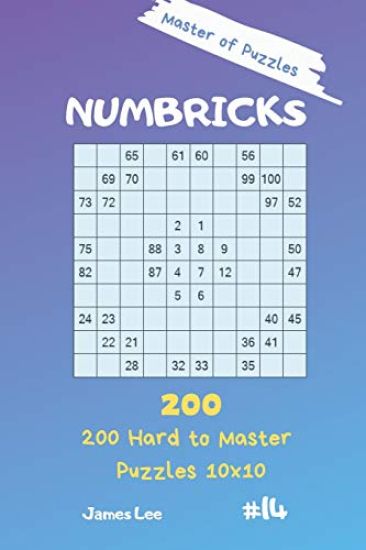
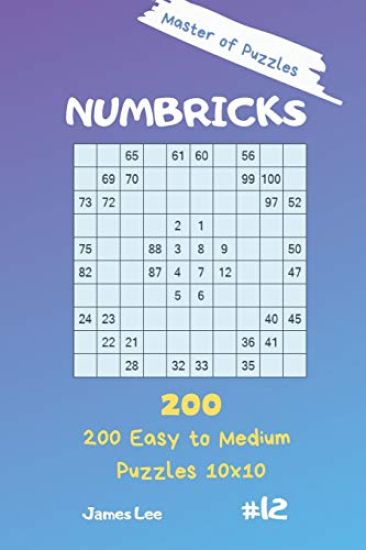
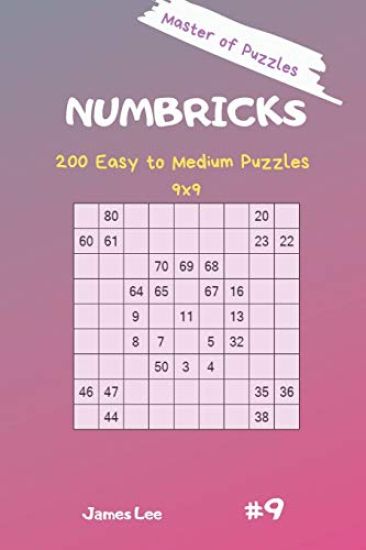
Numbricks puzzles are similar to Hidato. The most important difference is that it is only possible to move 1 node left, right, up, or down. It is played on a rectangular grid of squares. Some of the cells have numbers in them. The object is to fill in the missing numbers, in sequential order, going horizontally and vertically only. Diagonal paths are not allowed.
Numbricks puzzles are similar to Hidato. The most important difference is that it is only possible to move 1 node left, right, up, or down. It is played on a rectangular grid of squares. Some of the cells have numbers in them. The object is to fill in the missing numbers, in sequential order, going horizontally and vertically only. Diagonal paths are not allowed.
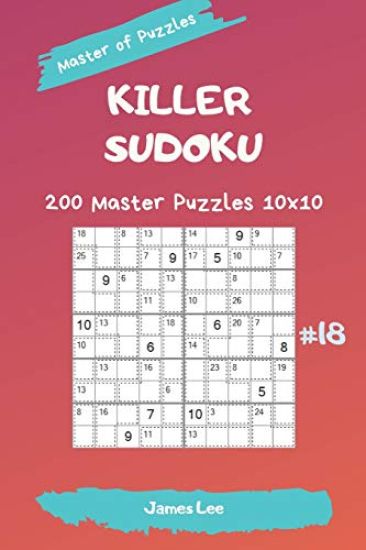
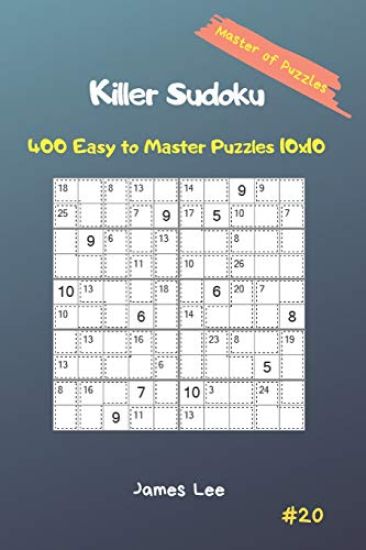
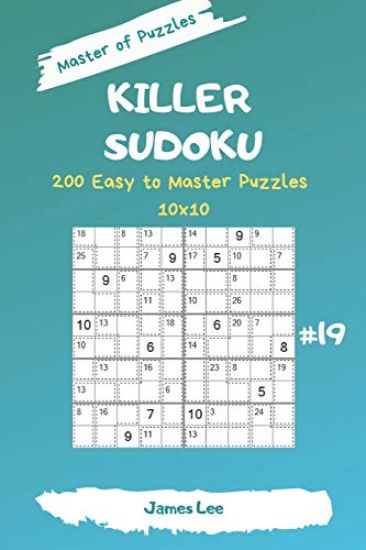
Killer Sudoku is a mix of Sudoku and Kakuro. Your goal is the same as in regular sudoku: fill every row, column and 5x2 region with the numbers 1-10 once. The difference is how you arrive at those numbers. The objective is to fill the grid with numbers from 1 to 10 in a way that the following conditions are met: Each row, column, and nonet contains each number exactly once. The sum of all numbers in a cage must match the small number printed in its corner. No number appears more than once in a cage. (This is the standard rule for killer sudokus, and implies that no cage can include more than 10 cells.
Numbricks puzzles are similar to Hidato. The most important difference is that it is only possible to move 1 node left, right, up, or down. It is played on a rectangular grid of squares. Some of the cells have numbers in them. The object is to fill in the missing numbers, in sequential order, going horizontally and vertically only. Diagonal paths are not allowed.
Numbricks puzzles are similar to Hidato. The most important difference is that it is only possible to move 1 node left, right, up, or down. It is played on a rectangular grid of squares. Some of the cells have numbers in them. The object is to fill in the missing numbers, in sequential order, going horizontally and vertically only. Diagonal paths are not allowed.
Numbricks puzzles are similar to Hidato. The most important difference is that it is only possible to move 1 node left, right, up, or down. It is played on a rectangular grid of squares. Some of the cells have numbers in them. The object is to fill in the missing numbers, in sequential order, going horizontally and vertically only. Diagonal paths are not allowed.
Numbricks puzzles are similar to Hidato. The most important difference is that it is only possible to move 1 node left, right, up, or down. It is played on a rectangular grid of squares. Some of the cells have numbers in them. The object is to fill in the missing numbers, in sequential order, going horizontally and vertically only. Diagonal paths are not allowed.
Killer Sudoku is a mix of Sudoku and Kakuro. Your goal is the same as in regular sudoku: fill every row, column and 5x2 region with the numbers 1-10 once. The difference is how you arrive at those numbers. The objective is to fill the grid with numbers from 1 to 10 in a way that the following conditions are met: Each row, column, and nonet contains each number exactly once. The sum of all numbers in a cage must match the small number printed in its corner. No number appears more than once in a cage. (This is the standard rule for killer sudokus, and implies that no cage can include more than 10 cells.
Killer Sudoku is a mix of Sudoku and Kakuro. Your goal is the same as in regular sudoku: fill every row, column and 5x2 region with the numbers 1-10 once. The difference is how you arrive at those numbers. The objective is to fill the grid with numbers from 1 to 10 in a way that the following conditions are met: Each row, column, and nonet contains each number exactly once. The sum of all numbers in a cage must match the small number printed in its corner. No number appears more than once in a cage. (This is the standard rule for killer sudokus, and implies that no cage can include more than 10 cells.