Kirjojen hintavertailu – 12 859 828 kirjaa ja 27 kauppaa
Kirjailija
James Lee
Kirjat ja teokset yhdessä paikassa: 461 kirjaa, julkaisuja vuosilta 2004–2026, suosituimpiin kuuluu Silesian Folk Tales. Vertaile teosten hintoja ja tarkista saatavuus suomalaisista kirjakaupoista.
Killer Sudoku is a mix of Sudoku and Kakuro. Your goal is the same as in regular sudoku: fill every row, column and 5x2 region with the numbers 1-10 once. The difference is how you arrive at those numbers. The objective is to fill the grid with numbers from 1 to 10 in a way that the following conditions are met: Each row, column, and nonet contains each number exactly once. The sum of all numbers in a cage must match the small number printed in its corner. No number appears more than once in a cage. (This is the standard rule for killer sudokus, and implies that no cage can include more than 10 cells.
Killer Sudoku is a mix of Sudoku and Kakuro. Your goal is the same as in regular sudoku: fill every row, column and 5x2 region with the numbers 1-10 once. The difference is how you arrive at those numbers. The objective is to fill the grid with numbers from 1 to 10 in a way that the following conditions are met: Each row, column, and nonet contains each number exactly once. The sum of all numbers in a cage must match the small number printed in its corner. No number appears more than once in a cage. (This is the standard rule for killer sudokus, and implies that no cage can include more than 10 cells.
Killer Sudoku is a mix of Sudoku and Kakuro. Your goal is the same as in regular sudoku: fill every row, column and 5x2 region with the numbers 1-10 once. The difference is how you arrive at those numbers. The objective is to fill the grid with numbers from 1 to 10 in a way that the following conditions are met: Each row, column, and nonet contains each number exactly once. The sum of all numbers in a cage must match the small number printed in its corner. No number appears more than once in a cage. (This is the standard rule for killer sudokus, and implies that no cage can include more than 10 cells.
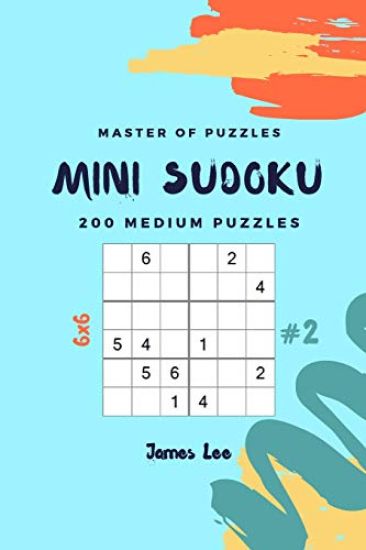
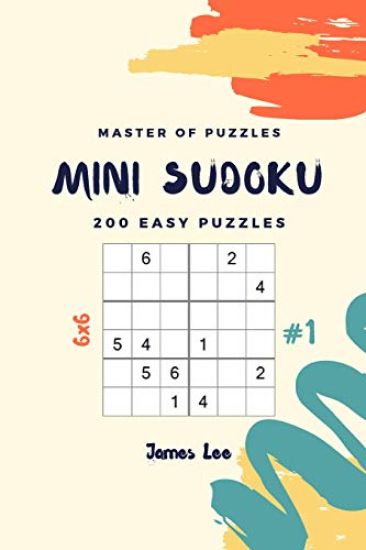
Each puzzle consists of a 6x6 grid containing given clues in various places. The object is to fill all empty squares so that the numbers 1 to 6 appear exactly once in each row, column and 3x2 box.
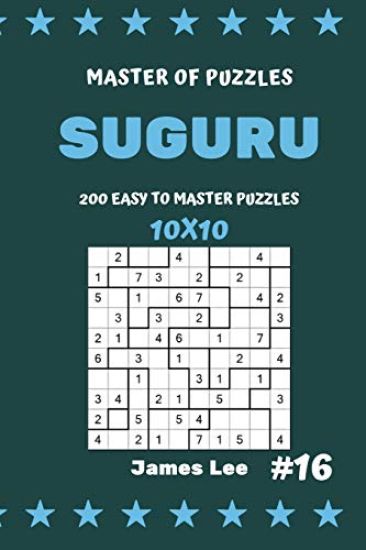
Suguru, also known as Tectonics or Number Blocks, is a Japanese puzzle invented by Naoki Inaba. The goal is to fill a given rectangular grid with numbers, so that every designated area contains a sequence of non-repeating, consecutive numbers, starting from 1 and going up. Also, adjacent (touching) cells should not contain the same number, even diagonally.
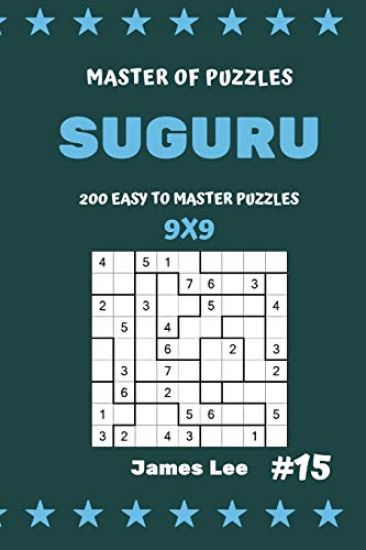
Suguru, also known as Tectonics or Number Blocks, is a Japanese puzzle invented by Naoki Inaba. The goal is to fill a given rectangular grid with numbers, so that every designated area contains a sequence of non-repeating, consecutive numbers, starting from 1 and going up. Also, adjacent (touching) cells should not contain the same number, even diagonally.
Each puzzle consists of a 6x6 grid containing given clues in various places. The object is to fill all empty squares so that the numbers 1 to 6 appear exactly once in each row, column and 3x2 box.
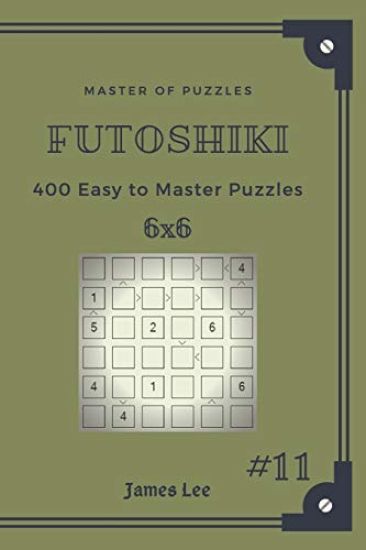
Place numbers of the given range in the grid 9x9 such that every row and column contains each number exactly once. Inequality constraints must be satisfied. The open end of the sign denotes the greater number.
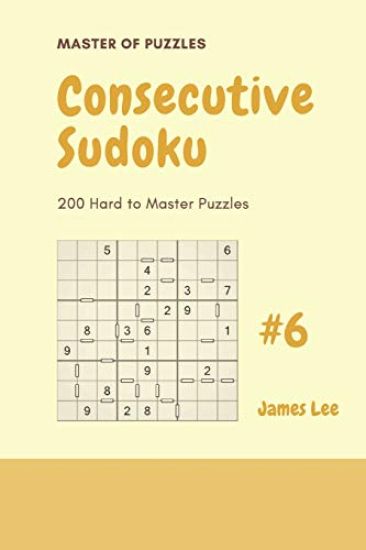
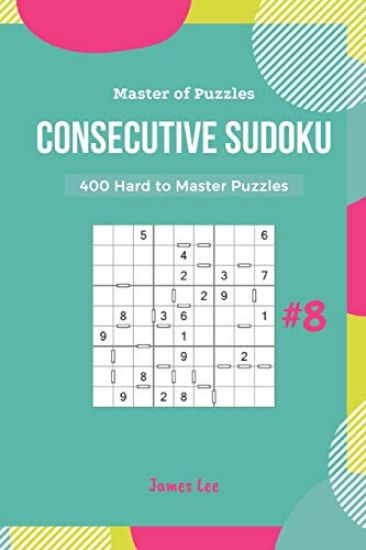
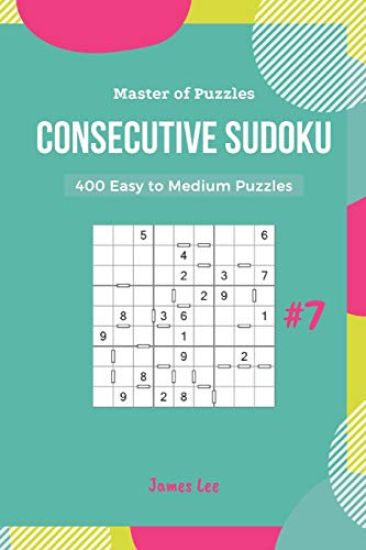
A Consecutive Sudoku puzzle adds one extra constraint to the standard Sudoku grid - not only must you place 1 to 9 (or 1 to whatever the width of the puzzle is) in each row, column and bold-lined box, but also obey the white consecutive markers: White bars between squares indicate that the squares are consecutive - meaning that the numbers in these two squares have a numerical difference of '1'. For example: 1 and 2; or 4 and 5. If there is no white bar then the numbers are not consecutive.
Suguru, also known as Tectonics or Number Blocks, is a Japanese puzzle invented by Naoki Inaba. The goal is to fill a given rectangular grid with numbers, so that every designated area contains a sequence of non-repeating, consecutive numbers, starting from 1 and going up. Also, adjacent (touching) cells should not contain the same number, even diagonally.
Suguru, also known as Tectonics or Number Blocks, is a Japanese puzzle invented by Naoki Inaba. The goal is to fill a given rectangular grid with numbers, so that every designated area contains a sequence of non-repeating, consecutive numbers, starting from 1 and going up. Also, adjacent (touching) cells should not contain the same number, even diagonally.
Each puzzle consists of a 6x6 grid containing given clues in various places. The object is to fill all empty squares so that the numbers 1 to 6 appear exactly once in each row, column and 3x2 box.
Each puzzle consists of a 6x6 grid containing given clues in various places. The object is to fill all empty squares so that the numbers 1 to 6 appear exactly once in each row, column and 3x2 box.
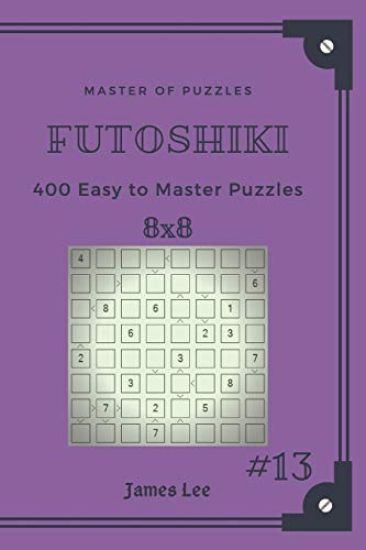
Place numbers of the given range in the grid 8x8 such that every row and column contains each number exactly once. Inequality constraints must be satisfied. The open end of the sign denotes the greater number.
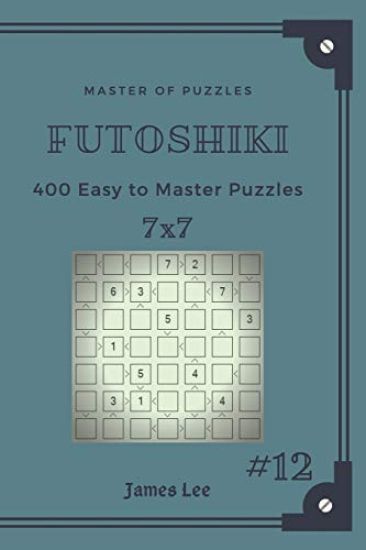
Place numbers of the given range in the grid 7x7 such that every row and column contains each number exactly once. Inequality constraints must be satisfied. The open end of the sign denotes the greater number.
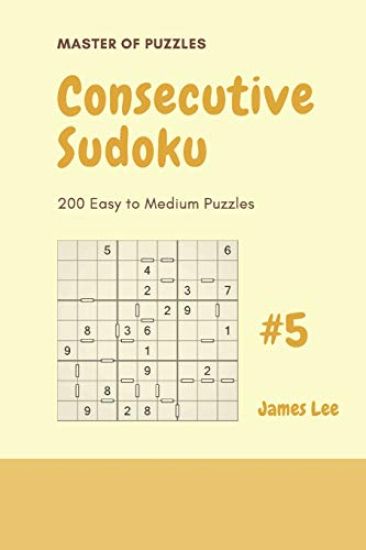
A Consecutive Sudoku puzzle adds one extra constraint to the standard Sudoku grid - not only must you place 1 to 9 (or 1 to whatever the width of the puzzle is) in each row, column and bold-lined box, but also obey the white consecutive markers: White bars between squares indicate that the squares are consecutive - meaning that the numbers in these two squares have a numerical difference of '1'. For example: 1 and 2; or 4 and 5. If there is no white bar then the numbers are not consecutive.
A Consecutive Sudoku puzzle adds one extra constraint to the standard Sudoku grid - not only must you place 1 to 9 (or 1 to whatever the width of the puzzle is) in each row, column and bold-lined box, but also obey the white consecutive markers: White bars between squares indicate that the squares are consecutive - meaning that the numbers in these two squares have a numerical difference of '1'. For example: 1 and 2; or 4 and 5. If there is no white bar then the numbers are not consecutive.
A Consecutive Sudoku puzzle adds one extra constraint to the standard Sudoku grid - not only must you place 1 to 9 (or 1 to whatever the width of the puzzle is) in each row, column and bold-lined box, but also obey the white consecutive markers: White bars between squares indicate that the squares are consecutive - meaning that the numbers in these two squares have a numerical difference of '1'. For example: 1 and 2; or 4 and 5. If there is no white bar then the numbers are not consecutive.
Place numbers of the given range in the grid 6x6 such that every row and column contains each number exactly once. Inequality constraints must be satisfied. The open end of the sign denotes the greater number.
Solve all big data problems by learning how to create efficient data modelsKey FeaturesCreate effective models that get the most out of big dataApply your knowledge to datasets from Twitter and weather data to learn big dataTackle different data modeling challenges with expert techniques presented in this bookBook DescriptionModeling and managing data is a central focus of all big data projects. In fact, a database is considered to be effective only if you have a logical and sophisticated data model. This book will help you develop practical skills in modeling your own big data projects and improve the performance of analytical queries for your specific business requirements. To start with, you’ll get a quick introduction to big data and understand the different data modeling and data management platforms for big data. Then you’ll work with structured and semi-structured data with the help of real-life examples. Once you’ve got to grips with the basics, you’ll use the SQL Developer Data Modeler to create your own data models containing different file types such as CSV, XML, and JSON. You’ll also learn to create graph data models and explore data modeling with streaming data using real-world datasets. By the end of this book, you’ll be able to design and develop efficient data models for varying data sizes easily and efficiently. What you will learnGet insights into big data and discover various data modelsExplore conceptual, logical, and big data modelsUnderstand how to model data containing different file typesRun through data modeling with examples of Twitter, Bitcoin, IMDB and weather data modelingCreate data models such as Graph Data and Vector SpaceModel structured and unstructured data using Python and RWho this book is forThis book is great for programmers, geologists, biologists, and every professional who deals with spatial data. If you want to learn how to handle GIS, GPS, and remote sensing data, then this book is for you. Basic knowledge of R and QGIS would be helpful.