Kirjailija
Jane Austen
Kirjat ja teokset yhdessä paikassa: 3 212 kirjaa, julkaisuja vuosilta 1791–2027, suosituimpiin kuuluu Ylpeys ja ennakkoluulo. Vertaile teosten hintoja ja tarkista saatavuus suomalaisista kirjakaupoista.
3 212 kirjaa
Kirjojen julkaisuvuodet: 1791–2027.
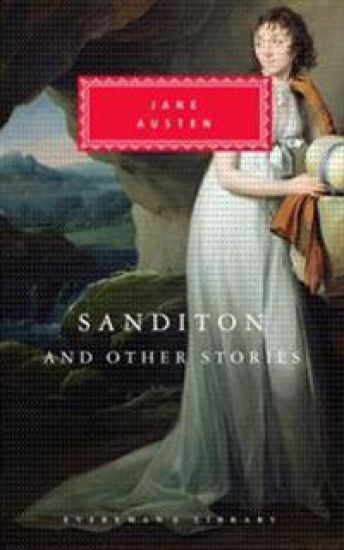
A dazzling collection of early stories and later fragments which throw an entirely new light on Jane Austen. In particular, they reveal a precociously brilliant genius with a talent for broad comedy and even farce. Most of the pieces in this collection are very funny indeed, and several - including the novella LADY SUSAN and the unfinished novel SANDITION are also neglected masterpieces. Other material includes the celebrated HISTORY OF ENGLAND, poems, prayers, the Plan of a Novel, etc. The volume is arranged in two parts, with the mature stories in Part 1 edited for easy reading, and the juvenilia collected by Austen herself presented exactly as she wrote them in Part 2. It includes everything she wrote apart from letters and the six famous novels, and is the final volume in the complete Everyman edition of her works now available in seven uniform volumes.
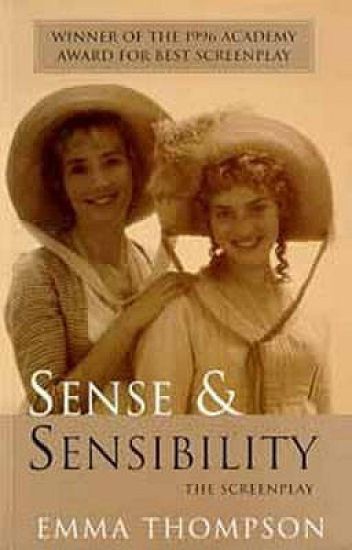
Jane Austen's classic tale of two sisters, Elinor and Marianne Dashwood, who, when they are deprived of their family inheritance, leave their Sussex home for a new life in Devonshire.
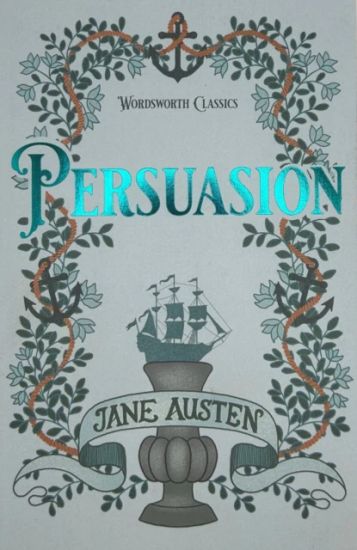
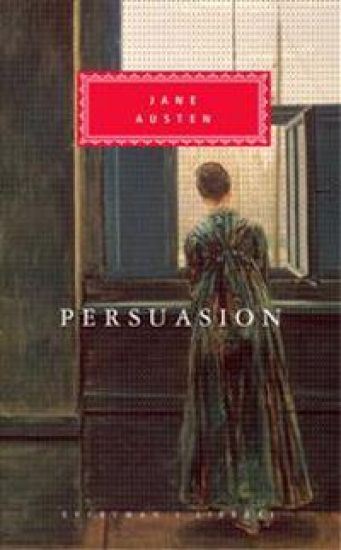
At twenty-seven, Anne Elliot is no longer considered young enough for worthy romantic prospects. Eight years earlier, she had been persuaded by her friend Lady Russell to break off her engagement to Frederick Wentworth, a handsome naval captain with neither fortune nor rank. What transpires when they encounter each other again is movingly told in Jane Austen's last completed novel. A brilliant satire of vanity and pretension, Persuasion is, above all, a love story tinged with the heartache of missed opportunities.
Sense and Sensibility (1811) was the first novel written by legendary novelist Jane Austen. The novel is an insightful analysis of the social customs of early Nineteenth century in which Jane exemplifies the two sisters, Elinor and Marianne, as models of sense and sensibility respectively. A parallel is drawn between their experiences of love as elder sister, Elinor, is skillful and patient as she deals with heartache whereas Marianne wears her heart on her sleeve and falls in love with the controversial Willoughby. Jane's description of true love and rational perspective won encouraging reviews and turned out to be a huge success for the author. Jane Austen is regarded as one of the most renowned writers in English literature. She earned her place amongst readers because of her realism and clever ability to combine the attraction between the sexes with conflict and humor which created some of the most enduringromantic novels of all time.
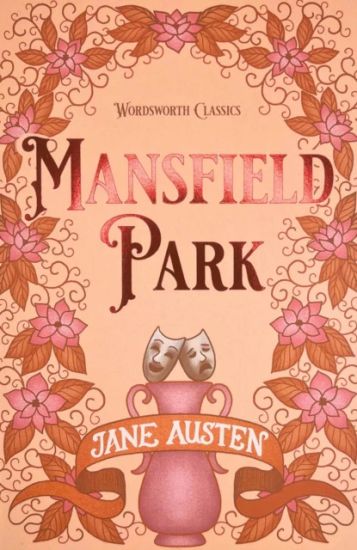
A study of three families - the Bertrams, the Crawfords and the Prices - in which Jane Austen uses the unlikely heroine, Fanny Price, to explore the social and moral values by which these families' lives are ordered.
One of the most globally admired novels, Pride and Prejudice tells the story of the courtship between Elizabeth Bennet, the daughter of a county squire with four sisters and no great fortune and Fitzwilliam Darcy a gentleman who's admiration turns into ardent love. Set in the English countryside during the reign of George III, this novel takes the reader from ballroom to county lane and back again, as we follow the two lovers in their endeavour to overcome their limitations for the sake of love. Jane Austen is regarded as one of the most renowned writers in English literature. She earned her place amongst readers because of her realism and clever ability to combine attraction between the sexes with conflict and humor which created some of the most enduring romantic novels.
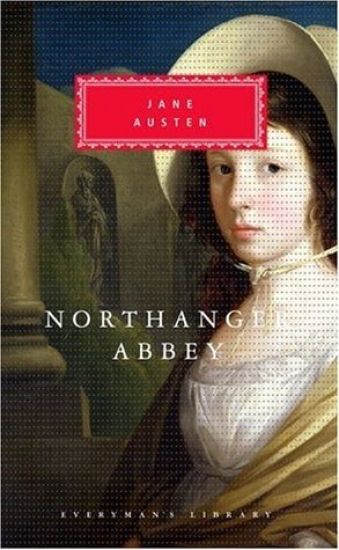
Northanger Abbey was Jane Austen's first novel and it narrates the story of a romantic, yet sometimes silly, Catherine who travels to Bath and lets her imagination run away with her. Filled with the wit and intricacy that Austen is famous for, this is a classic romantic novel. Northanger Abbey is a must-read for all Austen fans and students of English literature. Jane Austen one of the most renowned English author, completed just six novels during her time and yet manages to command a legion of fans around the world. Her timeless stories have been turned into movies, television shows, and modern adaptations in addition to being translated into multiple languages to cross cultural boundaries. She is still regarded as one the biggest literary figures of all times who is universally acknowledged for her most enduring romance novels.
This series provides unabridged versions of pre-20th-century novels, complete with an introduction, glossary, extended writing questions and activities. Their sewn binding and hard laminated covers make them hardwearing for class use.
Introduction and Notes by Elaine Jordan, Reader in Literature, University of Essex. What does persuasion mean - a firm belief, or the action of persuading someone to think something else? Anne Elliot is one of Austen's quietest heroines, but also one of the strongest and the most open to change. She lives at the time of the Napoleonic wars, a time of accident, adventure, the making of new fortunes and alliances. A woman of no importance, she manoeuvres in her restricted circumstances as her long-time love Captain Wentworth did in the wars. Even though she is nearly thirty, well past the sell-by bloom of youth, Austen makes her win out for herself and for others like herself, in a regenerated society.
Introduction and Notes by Dr Ian Littlewood, University of Sussex. Adultery is not a typical Jane Austen theme, but when it disturbs the relatively peaceful household at Mansfield Park, it has quite unexpected results. The diffident and much put-upon heroine Fanny Price has to struggle to cope with the results, re-examining her own feelings while enduring the cheerful amorality, old-fashioned indifference and priggish disapproval of those around her.
Northanger Abbey is a perfectly aimed literary parody that is also a withering satire of the commercial aspects of marriage among the English gentry at the turn of the nineteenth century. But most of all, it is the story of the initiation into life of its na ve but sweetly appealing heroine, Catherine Morland, a willing victim of the contemporary craze for Gothic literature who is determined to see herself as the heroine of a dark and thrilling romance. When she is invited to Northanger Abbey, the grand though forbidding ancestral seat of her suitor, Henry Tilney, she finds herself embroiled in a real drama of misapprehension, mistreatment, and mortification, until common sense and humor-and a crucial clarification of Catherine's financial status-resolve her problems and win her the approval of Henry's formidable father. Written in 1798 but not published until after Austen's death in 1817, Northanger Abbey is characteristically clearheaded and strong, and infinitely subtle in its comedy.
Portraying social life in fashionable Bath and centred around Catherine Morland, this novel ridicules the popular tales of romance and terror and contrasts with these the normal realities of life.
The romance between Captain Wentworth and Anne, the daughter of Sir Walter Elliot, seems doomed because of the young man's family connections and lack of wealth.
This complete and unabridged edition contains a biography of the author and a new introduction and afterword. Anne falls in love with Wentworth, who had nothing but himself to recommend him, and no hopes of attaining influence, so persuaded by friends and family she breaks off the match and sends him away. Years later, he returns, is it too late?
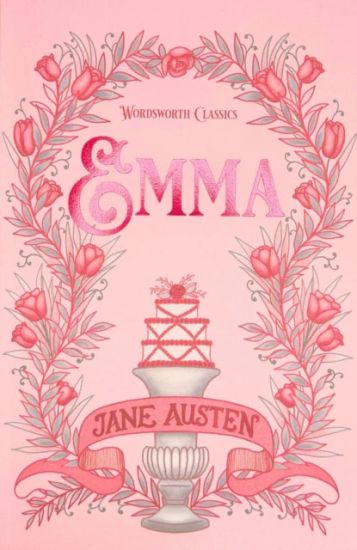
With an Introduction and Notes by Dr Nicola Bradbury, University of Reading. Jane Austen teased readers with the idea of a 'heroine whom no one but myself will much like', but Emma is irresistible. 'Handsome, clever, and rich', Emma is also an 'imaginist', 'on fire with speculation and foresight'. She sees the signs of romance all around her, but thinks she will never be married. Her matchmaking maps out relationships that Jane Austen ironically tweaks into a clearer perspective. Judgement and imagination are matched in games the reader too can enjoy, and the end is a triumph of understanding.
Introduction and Notes by Professor Stephen Arkin, San Francisco University. 'Young women who have no economic or political power must attend to the serious business of contriving material security'. Jane Austen's sardonic humour lays bare the stratagems, the hypocrisy and the poignancy inherent in the struggle of two very different sisters to achieve respectability. Sense and Sensibility is a delightful comedy of manners in which the sisters Elinor and Marianne represent these two qualities. Elinor's character is one of Augustan detachment, while Marianne, a fervent disciple of the Romantic Age, learns to curb her passionate nature in the interests of survival. This book, the first of Austen’s novels to be published, remains as fresh a cautionary tale today as it ever was.
Introduction and Notes by David Blair, University of Kent. Northanger Abbey tells the story of a young girl, Catherine Morland who leaves her sheltered, rural home to enter the busy, sophisticated world of Bath in the late 1790s. Austen observes with insight and humour the interaction between Catherine and the various characters whom she meets there, and tracks her growing understanding of the world about her. In this, her first full-length novel, Austen also fixes her sharp, ironic gaze on other kinds of contemporary novel, especially the Gothic school made famous by Ann Radcliffe. Catherine's reading becomes intertwined with her social and romantic adventures, adding to the uncertainties and embarrassments she must undergo before finding happiness.
Introduction and Notes by Dr Ian Littlewood, University of Sussex. Pride and Prejudice, which opens with one of the most famous sentences in English Literature, is an ironic novel of manners. In it the garrulous and empty-headed Mrs Bennet has only one aim - that of finding a good match for each of her five daughters. In this she is mocked by her cynical and indolent husband. With its wit, its social precision and, above all, its irresistible heroine, Pride and Prejudice has proved one of the most enduringly popular novels in the English language.
First published in 1814, this is a study of three families - the Bertrams, the Crawfords and the Prices - in which Jane Austen uses the unlikely heroine, Fanny Price, to explore the social and moral values by which these families' lives are ordered.