Kirjojen hintavertailu – 12 903 735 kirjaa ja 27 kauppaa
Kirjailija
John Swinton
Kirjat ja teokset yhdessä paikassa: 46 kirjaa, julkaisuja vuosilta 2001–2025, suosituimpiin kuuluu Spiritual Caregiving as Secular Sacrament. Vertaile teosten hintoja ja tarkista saatavuus suomalaisista kirjakaupoista.
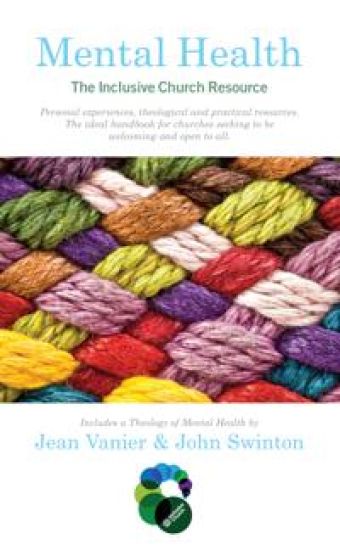
Mental Health: The Inclusive Church Resource is written to help your own church to be equipped to welcome all people who live with mental health issues.
Spirituality, religious belief and inclusive faith communities are important for mental well being but mental health practitioners have few guidelines for acknowledging these issues when working with service users. Spirituality, Values and Mental Health gathers together personal and professional contributions from mental health professionals, carers and mental health service users and survivors. It addresses the stigma that can surround both mental health and spirituality and explores the place of the spiritual in mental health care, teasing out its implications for research, education, training and good practice. This book is a welcome source of ideas and common-sense that is essential reading for mental health practitioners, carers and service users, chaplains, faith leaders, faith communities, as well as students and professionals working in the field of spirituality and mental health.
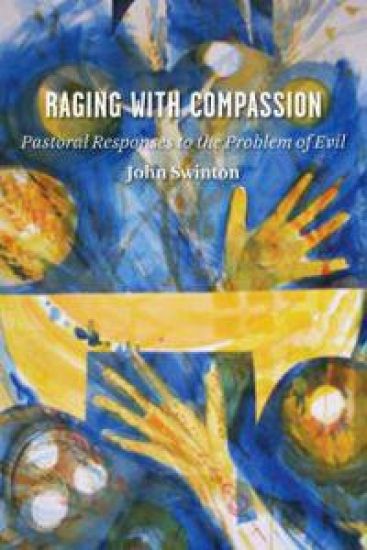
In "Raging with Compassion", Swinton argues for a practical theodicy, one embodied in the life and practices of the Christian community. This practicality does not seek to provide an explanation for the existence of evil, but rather presents ways in which evil and suffering can be resisted and transformed. This, he insists, will enable Christians to live faithfully with unanswered questions as they await God's redemption of the whole creation. Swinton explores essential practices of redemption - lament, forgiveness, thoughtfulness, hospitality, and friendship - drawing out their implications for the faithful resistance of evil. Enhanced by case studies from current events and by Swinton's own experience as a pastor and mental health nurse, "Raging with Compassion" seeks to inspire fresh Christian responses and modes of practice in our broken, fallen world.
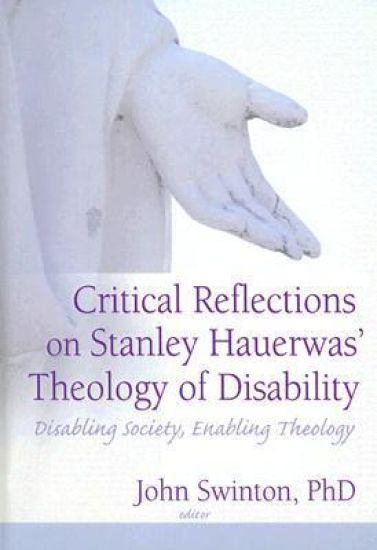
No other mainstream theologian has so consistently and trenchantly taken a stand with and for people with developmental disabilities. John SwintonCritical Reflections on Stanley Hauerwas’ Theology of Disability: Disabling Society, Enabling Theology examines the influential writings of one of the most important contemporary theologians. Over the past thirty years, Time magazine Theologian of the Year (2001) Dr. Stanley Hauerwas has consistently presented a theological position which values the deep theological significance of people with developmental disabilities, as well as their importance to the life and the faithfulness of the church. Ten key Hauerwas essays on disability are brought together in a single volumeessays which reflect and illustrate his thinking on the theology of disability, along with responses to each essay from multidisciplinary authoritative sources including Jean Vanier, Michael Bérubé, John O'Brien and Ray S. Anderson. Dr. Hauerwas has always been a fearless voice in the field of theology. Critical Reflections on Stanley Hauerwas’ Theology of Disability: Disabling Society, Enabling Theology presents his work on the true meaning of disability and provides critical multidisciplinary discussions about his challenging ideas and their validity. In his essays, Hauerwas discusses his views on issues such as the social construction of developmental disabilities, the experience of profound developmental disabilities in relation to liberal society, and the community as the hermeneutic of the gospel. Included is a new essay by Dr. Hauerwas responding to the contributors to the book. Critical Reflections on Stanley Hauerwas’ Theology of Disability: Disabling Society, Enabling Theology explores Hauerwas’ thoughts on: the political nature of disability in liberal society the creation of a society where there is more love the dimensions of what is normal the key role of those treated as outsiders in building community the theological understanding of parenting which places responsibility for the individual child firmly within the Christian community using the model of the church as a social ethic developmental disability being equated with suffering the concept of the person in the theology of disability the developmentally disabled and the criteria for humanhood the importance of family in the process of caring for people with developmental disabilities Critical Reflections on Stanley Hauerwas’ Theology of Disability: Disabling Society, Enabling Theology is a fascinating exploration of contemporary theological reflection on disability and is essential reading for students and teachers of practical theology, pastoral counselors, clergy, chaplains, and social and health care students.
No other mainstream theologian has so consistently and trenchantly taken a stand with and for people with developmental disabilities. John SwintonCritical Reflections on Stanley Hauerwas’ Theology of Disability: Disabling Society, Enabling Theology examines the influential writings of one of the most important contemporary theologians. Over the past thirty years, Time magazine Theologian of the Year (2001) Dr. Stanley Hauerwas has consistently presented a theological position which values the deep theological significance of people with developmental disabilities, as well as their importance to the life and the faithfulness of the church. Ten key Hauerwas essays on disability are brought together in a single volumeessays which reflect and illustrate his thinking on the theology of disability, along with responses to each essay from multidisciplinary authoritative sources including Jean Vanier, Michael Bérubé, John O'Brien and Ray S. Anderson. Dr. Hauerwas has always been a fearless voice in the field of theology. Critical Reflections on Stanley Hauerwas’ Theology of Disability: Disabling Society, Enabling Theology presents his work on the true meaning of disability and provides critical multidisciplinary discussions about his challenging ideas and their validity. In his essays, Hauerwas discusses his views on issues such as the social construction of developmental disabilities, the experience of profound developmental disabilities in relation to liberal society, and the community as the hermeneutic of the gospel. Included is a new essay by Dr. Hauerwas responding to the contributors to the book. Critical Reflections on Stanley Hauerwas’ Theology of Disability: Disabling Society, Enabling Theology explores Hauerwas’ thoughts on: the political nature of disability in liberal society the creation of a society where there is more love the dimensions of what is normal the key role of those treated as outsiders in building community the theological understanding of parenting which places responsibility for the individual child firmly within the Christian community using the model of the church as a social ethic developmental disability being equated with suffering the concept of the person in the theology of disability the developmentally disabled and the criteria for humanhood the importance of family in the process of caring for people with developmental disabilities Critical Reflections on Stanley Hauerwas’ Theology of Disability: Disabling Society, Enabling Theology is a fascinating exploration of contemporary theological reflection on disability and is essential reading for students and teachers of practical theology, pastoral counselors, clergy, chaplains, and social and health care students.
A person's sense of spirituality informs his or her awareness of self and of the society around them, and is intrinsic to their mental well-being. In this balanced and thoughtful book John Swinton explores the connections between mental health or illness and spirituality and draws on these to provide practical guidance for people working in the mental health field. He analyses a range of models of mental health care provision that will enable carers to increase their awareness of aspects of spirituality in their caring strategies. Using a critical evidence-based and interdisciplinary approach to contemporary mental health practice, Swinton explores the therapeutic significance of spirituality from the perspectives of both carers and service-users, looking at mental health problems such as psychotic disorder and depression, Alzheimer's disease and bipolar disorder. He also provides a critical review of existing literature in the field to place spirituality in contemporary theory and practice.