Kirjojen hintavertailu – 12 859 828 kirjaa ja 27 kauppaa

Kirjailija

Langston Hughes

Kirjat ja teokset yhdessä paikassa: 84 kirjaa, julkaisuja vuosilta 1931–2026, suosituimpiin kuuluu Graphic Classics Volume 22: African-American Classics. Vertaile teosten hintoja ja tarkista saatavuus suomalaisista kirjakaupoista.

84 kirjaa

Kirjojen julkaisuvuodet: 1931–2026.

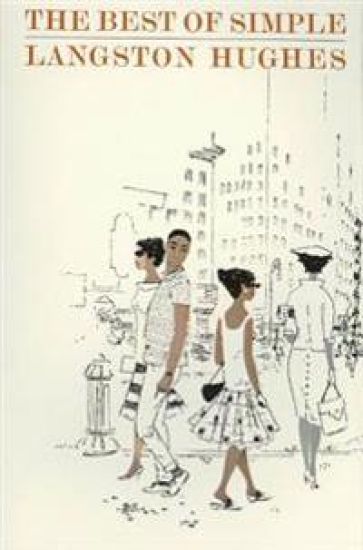
The Best of Simple: Stories

The Best of Simple: Stories

Langston Hughes

Hill Wang
1990
nidottu
Langston Hughes's stories about Jesse B. Semple--first composed for a weekly column in the Chicago Defender and then collected in Simple Speaks His Mind, Simple Takes a Wife, and Simple Stakes a Claim--have been read and loved by hundreds of thousands of readers. In The Best of Simple, the author picked his favorites from these earlier volumes, stories that not only have proved popular but are now part of a great and growing literary tradition. Simple might be considered an Everyman for black Americans. Hughes himself wrote: "...these tales are about a great many people--although they are stories about no specific persons as such. But it is impossible to live in Harlem and not know at least a hundred Simples, fifty Joyces, twenty-five Zaritas, and several Cousin Minnies--or reasonable facsimiles thereof." As Arnold Rampersad has written, Simple is "one of the most memorable and winning characters in the annals of American literature, justly regarded as one of Hughes's most inspired creations."
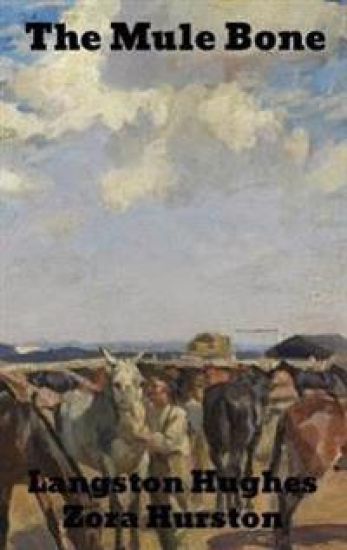
The Mule-Bone

The Mule-Bone

Langston Hughes

Binker North
1931
sidottu
Mule Bone: A Comedy of Negro Life is a 1930 play by American authors Langston Hughes and Zora Neale Hurston. The process of writing the play led Hughes and Hurston, who had been close friends, to sever their relationship. Mule Bone was not staged until 1991. The play begins in Eatonville, Florida, on a Saturday afternoon with Jim and Dave fighting for Daisy's affection. The two men come to blows, and Jim picks up a hock bone from a mule and knocks Dave out. Jim is arrested and held for trial in Joe Clarke's barn. On Monday, the trial begins in the Macedonia Baptist Church. The townspeople are divided along religious lines: Jim's Methodist supporters sit on one side of the church, Dave's Baptist supporters on the other. The issue to be decided at the trial is whether or not Jim has committed a crime. Jim admits he hit Dave but denies it was a crime. Elder Simms argues on Jim's behalf that a weapon is necessary to commit a crime, and nowhere in the Bible does it say a mule bone is a weapon. Elder Childers, representing Dave, says Samson used a donkey's jawbone to kill 3,000 men (citing Judges 18:18), so the hock bone of a mule must be even more powerful. Joe Clarke declares Jim guilty and banishes him from town for two years. Hughes and Hurston began writing Mule Bone in March 1930. They wanted to write a comedy about African-American life that didn't consist of racial stereotypes