Kirjailija
Louise Glück
Kirjat ja teokset yhdessä paikassa: 72 kirjaa, julkaisuja vuosilta 1992–2025, suosituimpiin kuuluu Liberties Journal of Culture and Politics. Vertaile teosten hintoja ja tarkista saatavuus suomalaisista kirjakaupoista.
Nimi esiintyy myös muodoissa: Louise Gluck
72 kirjaa
Kirjojen julkaisuvuodet: 1992–2025.
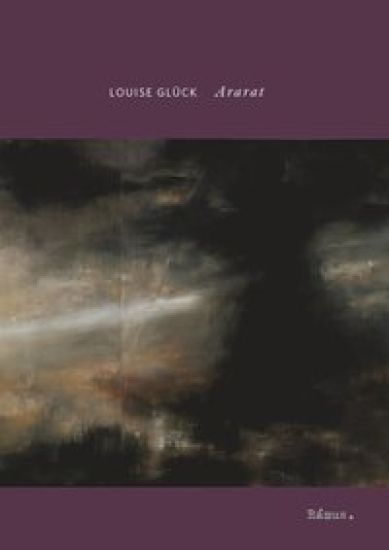
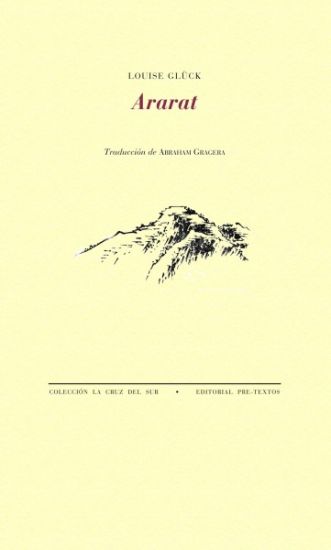
Ararat kan vara den mest brutala och sorgefyllda amerikanska diktsamling som utkommit det senaste halvseklet. Självbekännande, vild och själsligt fulländad. Pulitzerprisade och 2020 års Nobelprisvinnare Louise Gluck går med förödande ironi och hänsynslöshet i klinch med familjen; en död syster, en mor oförmögen att visa känslor, en bortgången fars tomma liv och hur känslorna inför de egna barnen inte motsvarar det som förväntats. En lika stenhård som djup och ömsint vacker diktsamling av en av den amerikanska samtidspoesins allra största, eller som New York Times uttryckt det, hennes egen Blood on the Tracks .
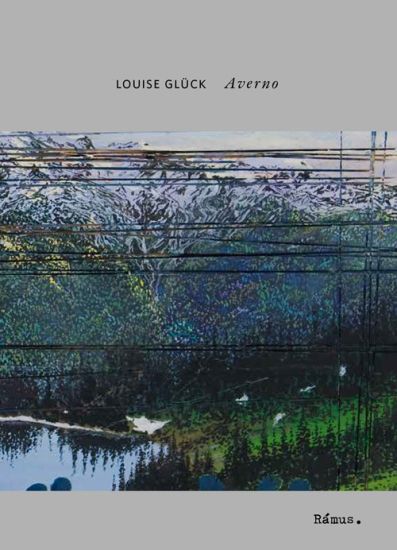
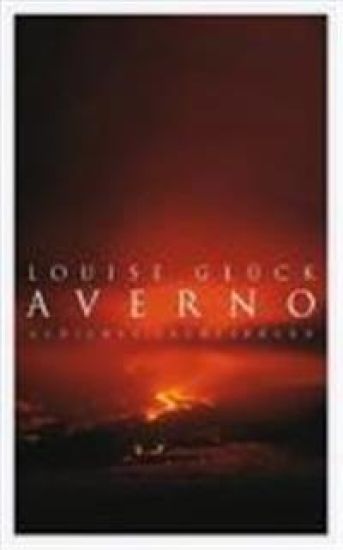
Louise Gluck har sedan debuten 1968 kommit att omnämnas som en av den amerikanska lyrikens mest beundransvärda poeter och belönades 2020 med Nobelpriset. Med diktsamlingen Averno introducerades hon på svenska i översättning av Jonas Brun. Med känslighet och exakt språklig precision närmar hon sig ämnen som förlust, ensamhet, besvikelse, döden och familjehemligheter. Dessa tas upp i Averno som med sina eviga frågeställningar ofta omtalats som en modern amerikansk klassiker. Glück förhåller sig också till psykoanalysen och refererar även till de klassiska myterna om Persefones bröllop med Hades och sjön Averno som ingång till underjorden.
Detta är en gripande diktsamling som fångar essensen av natur och mänskliga känslor, väver samman melankoli och skönhet för att väcka en känsla av längtan, förlust och tillvarons förgängliga natur.
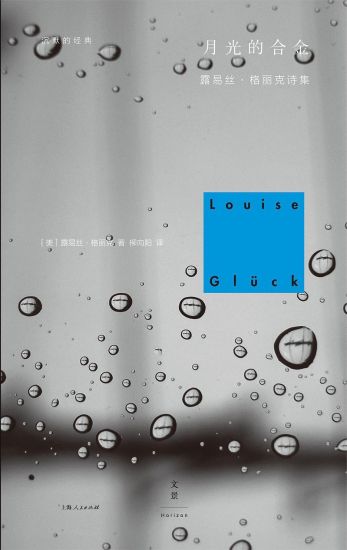
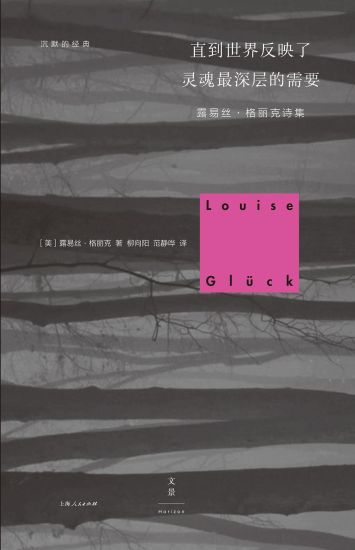
En samling av Louise Glücks poesi sammansatt för den kinesiska marknaden.
Until the World Reflects the Deepest Needs of the Soul
Louise Gluck
Shang Hai Ren Min Chu Ban She
2016
sidottu
En samling av Louise Glücks poesi sammansatt för den kinesiska marknaden.
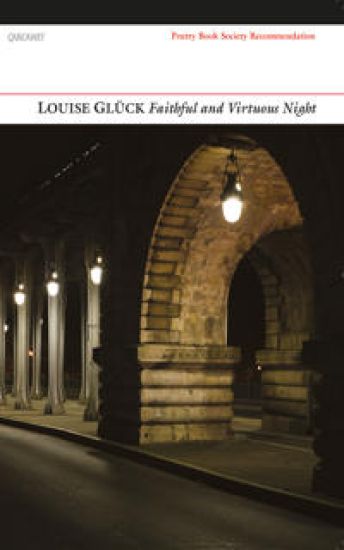
Faithful and Virtuous Night
Louise Gluck
Carcanet Press Ltd
2014
nidottu
Halvin toimitettuna 18,90 €
Shortlisted for the 2014 Forward Prize for Best Collection 'At last the night surrounded me; / I floated on it, perhaps in it, / or it carried me as a river carries / a boat'. In Louise Gluck's new collection, night takes on the dimensions of myth, becomes the setting for a sequence of journeys and explorations through time and memory, as the speaker of the poems moves backwards into childhood and forwards into 'the kingdom of death'. Gluck draws equally on the worlds of fairy-tale, of dream and of waking life, each poem a door into a narrative both haunting and compellingly beautiful.
Detta är en djuplodande diktsamling som utforskar teman som kärlek, förvandling och återfödelse, där känslig bildspråk och introspektion sammanvävs för att väcka en känsla av hopp, motståndskraft och förnyelsens kraft.
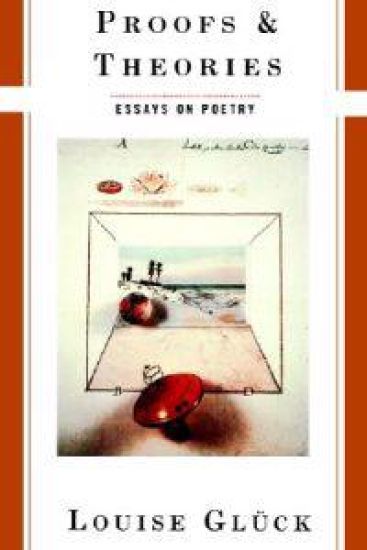
Winner of the Nobel Prize in LiteratureProofs and Theories, winner of the PEN/Martha Albrand Award for First Non-Fiction, is an illuminating collection of essays by Louise Gl ck, one of this country's most brilliant poets. Like her poems, the prose of Gl ck, who won the Pulitzer Prize for poetry in 1993 for The Wild Iris, is compressed, fastidious, fierce, alert, and absolutely unconsoled. The force of her thought is evident everywhere in these essays, from her explorations of other poets' work to her skeptical contemplation of current literary critical notions such as "sincerity" and "courage." Here also are Gl ck's revealing reflections on her own education and life as a poet, and a tribute to her teacher and mentor, Stanley Kunitz. Proofs and Theories is not a casual collection. It is the testament of a major poet.
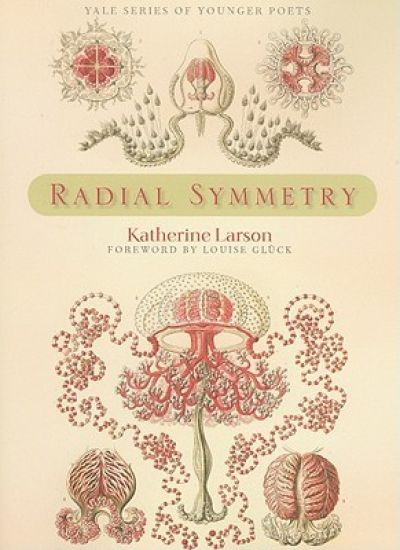
Katherine Larson is the winner of the 2010 Yale Series of Younger Poets Competition. With Radial Symmetry, she has created a transcendent body of poems that flourish in the liminal spaces that separate scientific inquiry from empathic knowledge, astute observation from sublime witness. Larson's inventive lyrics lead the reader through vertiginous landscapes—geographical, phenomenological, psychological—while always remaining attendant to the speaker's own fragile, creaturely self. An experienced research scientist and field ecologist, Larson dazzles with these sensuous and sophisticated poems, grappling with the powers of poetic imagination as well as the frightful realization of the human capacity for ecological destruction. The result is a profoundly moving collection: eloquent in its lament and celebration. Metamorphosis [excerpt] We dredge the stream with soup strainers and separate dragonfly and damselfly nymphs- their eyes like inky bulbs, jaws snapping at the light as if the world was full of tiny traps, each hairpin mechanism tripped for transformation. Such a ricochet of appetites insisting life, life, life against the watery dark, the tuberous reeds.
"Averno" av Louise Glück är en gripande vacker diktsamling som utforskar myten om Persefone och djupen av underjorden. Med sina gripande och introspektiva verser utforskar Glück teman som förvandling, kärlek och den mänskliga tillståndet, och lämnar läsarna förundrade över hennes lyriska mästerskap.
Detta är en djuplodande diktsamling som rör sig genom livets skeden, upplyser den mänskliga erfarenheten med gripande och introspektiv vers, fångar ögonblick av glädje, sorg och den oundvikliga gången av tiden.
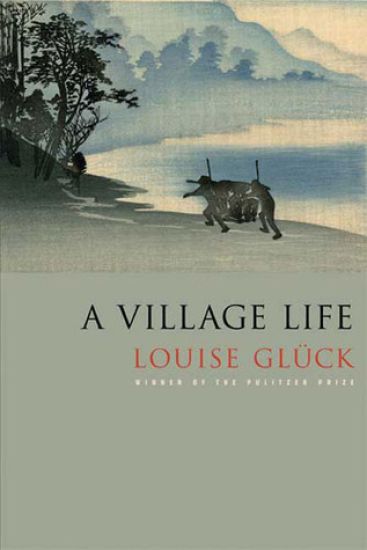
From a fountain where 'all the roads in the village unite', concentric circles expand into the distance: the young and old, fields, a river, a mountain - the fountain's stone counterpart, where the roads end, human time superimposed on geological time. Renowned as a lyrical poet of austere intensity, in "A Village Life Louise Gluck" evokes a Mediterranean world with luminous precision. Her focus is on moments of speculation and reflection in a dreamlike present tense.
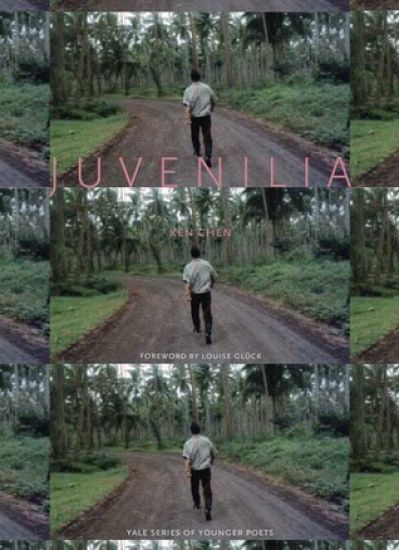
Ken Chen is the 2009 winner of the annual Yale Younger Poets competition. These poems of maturation chronicle the poet’s relationship with his immigrant family and his unknowing attempt to recapture the unity of youth through comically doomed love affairs that evaporate before they start. Hungrily eclectic, the wry and emotionally piercing poems in this collection steal the forms of the shooting script, blues song, novel, memoir, essay, logical disputation, aphorism—even classical Chinese poetry in translation. But as contest judge Louise Glück notes in her foreword, “The miracle of this book is the degree to which Ken Chen manages to be both exhilaratingly modern (anti-catharsis, anti-epiphany) while at the same time never losing his attachment to voice, and the implicit claims of voice: these are poems of intense feeling. . . . Like only the best poets, Ken Chen makes with his voice a new category.”
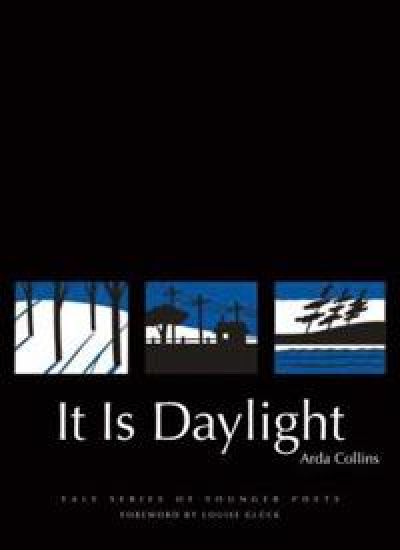
Announcing the 2008 recipient of the Yale Younger Poets prize Arda Collins is the 2008 winner of the annual Yale Series of Younger Poets competition. Mesmerizing and electric, her poems seem to be articulated in the privacy of an enclosed space. The poems are concrete and yet metaphysically challenging, both witty and despairing. Collins’ emotional complexity and uncommon range make this debut both thrillingly imaginative and ethical in its uncompromising attention to detail. In her Foreword, contest judge Louise Glück observes, “I know no poet whose sense of fraud, the inflated emptiness that substitutes for feeling, is more acute.” Glück calls Collins’ volume “savage, desolate, brutally ironic . . . a book of astonishing originality and intensity, unprecedented, unrepeatable.”
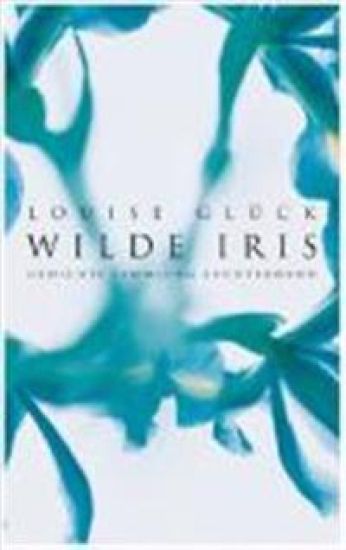
Nicht alles, was lebt, verlangt nach Licht im gleichen Maß. Einige unter uns erzeugen ihr eigenes Licht. Die 56 Gedichte in diesem Band besingen den unüberwindlichen Gegensatz zwischen dem ewigen Kreislauf der Natur und dem individuellen menschlichen Leben, die Diskrepanz zwischen dem Garten Eden und der Conditio humana. Louise Glück interessiert dabei nicht der Sündenfall. Mit ihrer klaren, scheinbar schlichten Sprache versetzt sie sich mal in eine Pflanze, mal in einen Gärtner, mal in Gott - und erkundet so die Essenz des menschlichen Seins. * Ausgezeichnet mit dem Pulitzerpreis * Deutsch von Ulrike Draesner "Glücks neuestes Werk ist nicht nur herzzerreißend, spielerisch, mythisch, nicht nur lyrische Poesie ersten Ranges - es ist visionäre Literatur. Das Titelgedicht gehört mit zum Besten, was Glück - oder überhaupt irgend jemand, der heute auf englisch schreibt - je geschaffen hat; jedes Mal, wenn man es liest, bricht es einem das Herz, aber es stärkt einen auch in den schlimmsten Augenblicken. Wenn Glück ihren Blickwinkel vergrößert, kann die Perspektive wahrlich episch sein; wenn sie nach innen schaut, kann man manchmal seine eigene Stimme hören." Library Journal über Averno "Averno ist möglicherweise Glücks Meisterwerk. Auf jeden Fall steht sie damit auf dem Gipfel ihrer Dichtkunst." The New York Times Book Review über Averno "Es gibt nur wenige lebende Dichter, deren neues Werk man unbedingt sofort lesen will. Louise Glück rangiert ganz oben auf dieser Liste." The Washington Post
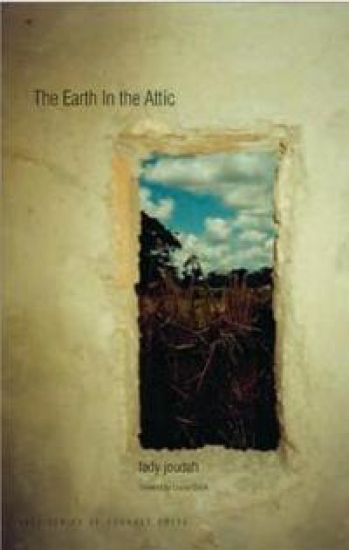
“The Earth in the Attic reads like a quiet storm of human emotions and experiences. . . . Joudah's poems explore loss, displacement, suffering, and longing. They drift from the personal and specific to the larger stories of peoples and nations that Joudah encounters. . . . [His] unique talent is to offer poetry readers a look at a wounded and fractured world through his eyes.”—Lena Khalaf Tuffaha, Institute for Middle East Understanding Winner of the Yale Younger Poets competition, 2007 In The Earth in the Attic, Fady Joudah, a Palestinian-American physician, explores big themes—identity, war, religion, what we hold in common—while never losing sight of the quotidian, the specific. Contest judge Louise Glück describes the poet in her Foreword as “that strange animal, the lyric poet in whom circumstance and profession . . . have compelled obsession with large social contexts and grave national dilemmas.” She finds in his poetry an incantatory quality and concludes, “These are small poems, many of them, but the grandeur of conception is inescapable. The Earth in the Attic is varied, coherent, fierce, tender; impossible to put down, impossible to forget.”
Detta är en djupgående samling dikter som utforskar teman som förlust, sorg och komplexiteten i mänskliga relationer. Med en utsökt språklig förmåga och emotionell djup lockar Glücks verk läsarna in i en hemsökt och förvandlande resa av självupptäckt.
Die Gedichte der größten amerikanischen Lyrikerin der Gegenwart. Erstmals auf Deutsch. Übersetzt von Ulrike Draesner. Averno ist der Name eines vulkanischen Kratersees in der Nähe von Neapel. Für die alten Römer war hier der Eingang zur Unterwelt. Die Mythologie, die Natur, der Mensch zwischen Liebe, Leben und Tod - das sind die Themen der mit zahlreichen Preisen ausgezeichneten amerikanischen Dichterin Louise Glück. Ihre Gedichte erscheinen zum ersten Mal auf deutsch, übersetzt von der Lyrikerin und Schriftstellerin Ulrike Draesner, in einer zweisprachigen Ausgabe. Prisma 20. Eine Nacht im Sommer. Geräusche eines Sommersturms. Die großen Platten verschieben und unsichtbar verwandeln sich - Und in dem dunklen Zimmer die Liebenden, schlafen einander im Arm. Wir sind, jeder von uns, der eine, der als erster erwacht, als erster sich bewegt und da im ersten Morgenrot den Fremden sieht. Louise Glück zählt mit ihren inzwischen zehn Gedichtbänden zu den bedeutendsten amerikanischen Lyrikerinnen. Sie gehört zu jenen Poeten, die wie Vergil die Unterwelt erforschen, um die Essenz des Menschen zu finden. Averno, der Eingang zur Unterwelt, ist zugleich die Verbindung zwischen den Welten, ermöglicht einen Austausch, aber keine Versöhnung. Ob in kollektiven oder individuellen Mythen, Louise Glück spürt unsere ältesten, tiefsten und unergründlichsten Ängste auf: Einsamkeit, Vergessen, Liebesverlust, Nicht-Sein. Sich ihnen zu stellen, bedeutet Klarheit, was wichtiger sein kann als Trost: "Stimmt, es gibt nicht genug Schönheit in der Welt./Und stimmt, ich bin nicht berufen, sie wieder herzustellen./Auch Offenheit gibt es nicht, hier kann ich vielleicht von Nutzen sein." Ihre klare, schöne Sprache, der musikalische Rhythmus und die raffiniert verwobenen Bilder und Motive sind ebenso ihr Markenzeichen wie die verblüffenden Volten, die sie immer wieder schlägt. Die 18 Gedichte in Averno sind Spiegelungen unseres Daseins im Hier und Jetzt, gefasst in Worte von berückender Schönheit. "Glücks neuestes Werk ist nicht nur herzzerreißend, spielerisch, mythisch, nicht nur lyrische Poesie ersten Ranges - es ist visionäre Literatur. Das Titelgedicht gehört mit zum Besten, was Glück - oder überhaupt irgend jemand, der heute auf englisch schreibt - je geschaffen hat; jedesmal, wenn man es liest, bricht es einem das Herz, aber es stärkt einen auch in den schlimmsten Augenblicken. Wenn Glück ihren Blickwinkel vergrößert, kann die Perspektive wahrlich episch sein; wenn sie nach innen schaut, kann man manchmal seine eigene Stimme hören." Library Journal "Vor und nach Vergil hat eine lange Reihe von Dichtern gefährliche Reisen in die Unterwelt aufgezeichnet, und sie sind tief hinuntergereist, um den wahren Schatz nach oben zu befördern. In dieser distinguierten Gemeinde der Unterweltpoeten hat sich Glück ihren Platz verdient." The New York Times Book Review "Es gibt nur wenige lebende Dichter, deren neues Werk man unbedingt sofort lesen will. Louise Glück steht ganz oben auf dieser Liste. Die emotionale und die rhetorische Intensität ihres Schreibens stehen außer Frage." The Washington Post über den Gedichtband The Wild Iris

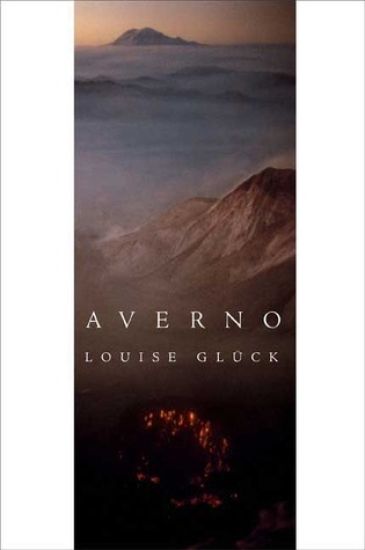
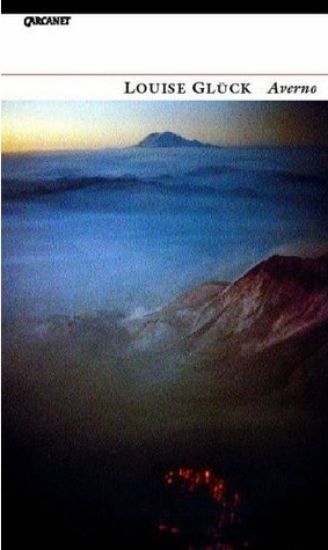
Averno is a small crater lake in southern Italy, regarded by the ancient Romans as the entrance to the underworld. That place gives its name to Louise Gluck's tenth collection: in a landscape turned irretrievably to winter, it is a gate or passageway that invites traffic between worlds while at the same time resisting their reconciliation. Averno is an extended lamentation, its long, restless poems no less spellbinding for being without conventional resoltution or consolation, no less ravishing for being savage, grief-stricken. What Averno provides is not a map to a point of arrival or departure, but a diagram of where we are, the harrowing, enduring present. Averno is a 2006 National Book Award Finalist for Poetry.
Averno, a crater lake in southern Italy, was for the Romans the entrance to the underworld, both gateway and impassable barrier between the living and the dead. In Louise Gluck's latest collection, Averno is the only source of heat and light in a world turned to icy winter. Ancient myth is reanimated in the desolation of Persephone's laments for the lost warmth of earthly life. Both epic and intimate in scope, "Averno" explores the enduring drama of love and death.