Kirjailija
Louise Glück
Kirjat ja teokset yhdessä paikassa: 72 kirjaa, julkaisuja vuosilta 1992–2025, suosituimpiin kuuluu Liberties Journal of Culture and Politics. Vertaile teosten hintoja ja tarkista saatavuus suomalaisista kirjakaupoista.
Nimi esiintyy myös muodoissa: Louise Gluck
72 kirjaa
Kirjojen julkaisuvuodet: 1992–2025.
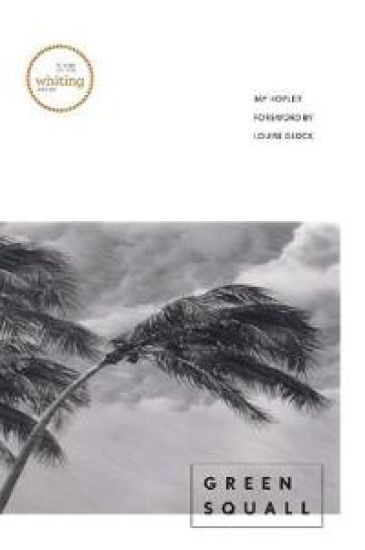
Announcing the 2005 recipient of the prestigious Yale Younger Poets prize Jay Hopler’s Green Squall is the winner of the 2005 Yale Series of Younger Poets competition. As Louise Glück observes in her foreword, “Green Squall begins and ends in the garden”; however, Hopler’s gardens are not of the seasonal variety evoked by poets of the English lyric—his gardens flourish at lower, fiercer latitudes and in altogether different mindscapes. There is a darkness in Hopler’s work as deep and brutal as any in American poetry. Though his verbal extravagance and formal invention bring to mind Wallace Stevens’s tropical extrapolations, there lies beneath Green Squall’s lush tropical surfaces a terrifying world in which nightmare and celebration are indistinguishable, and hope is synonymous with despair.
"Moonlight alloy" är ett poetiskt mästerverk som utforskar teman som natur, förlust och försoning. Genom levande bilder och lyriskt språk bjuder Glück in läsarna att utforska den djupa skönheten och skörheten i tillvaron, och lämnar ett varaktigt intryck på själen.
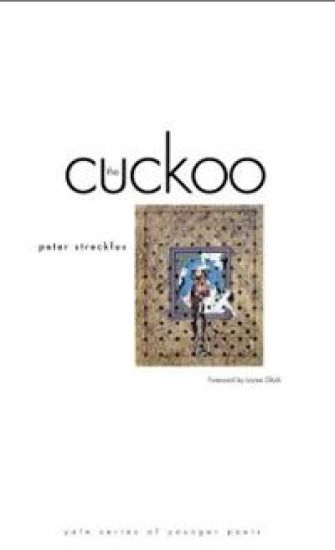
Announcing the 2003 recipient of the oldest annual literary prize in North America The winner of the 2003 Yale Series of Younger Poets competition is Peter Streckfus’s The Cuckoo, chosen by competition judge and Poet Laureate Louise Glück. It is Glück’s first selection as judge. In this unforgettable, daring first collection, Peter Streckfus offers the reader poems of deep originality and astonishing power. Taking his inspiration from both American and Chinese culture, Streckfus seems an impossible combination of John Ashbery and Ezra Pound. In her Foreword, Glück praises Streckfus’s art for its “nonsense and mystery,” its “mesmerizing beauty” and “luminous high-mindedness.”
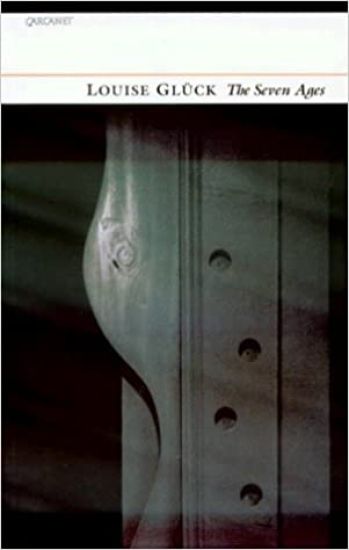
Louise Gluck has long practised poetry as a species of clairvoyance. She began as Cassandra, at a distance, in league with the immortals. To read her books sequentially is to chart the oracle's metamorphoses into unwilling vessel, reckless, mortal, down-to-earth. "The Seven Ages" is Gluck's ninth book, one of her strangest and certainly her most bold. In it - like William Blake's mystical Thel - she gazes down at her own death and in so doing forces endless superimpositions of the possible on the impossible. Her act at once defies and embraces the inevitable and is finally mimetic. Over and over, at each wild leap and transformation, flames shoot up the reader's spine. In an essay she writes, "one of the revelations of art is the discovery of a tone or perspective at once wholly unexpected and wholly true to a set of materials". This truth to materials -language, occasion, antecedent - is the proof of a poem.
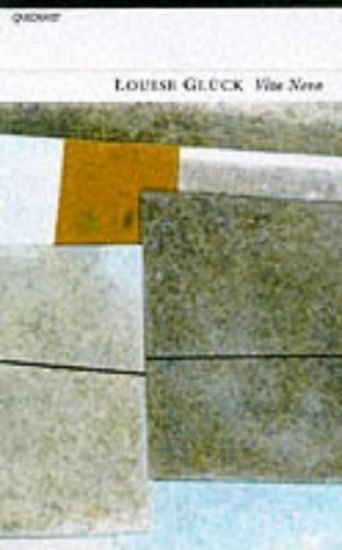
Louise Gluck's collection is a work of ends and beginnings. Her poetry comes in white-hot sequences of passionate intensity. "Vita Nova" is a sequence of poems which dramatises the end of a relationship and the beginning of a new life. Vibrant, at times anguished, but never resigned, the voices in this collection are a reminder of both the pleasure and pain which accompany all our relationships. Gluck manages an act of perspective that brings into resolution the smallest human Hope and the vast forces that shape and thwart it.
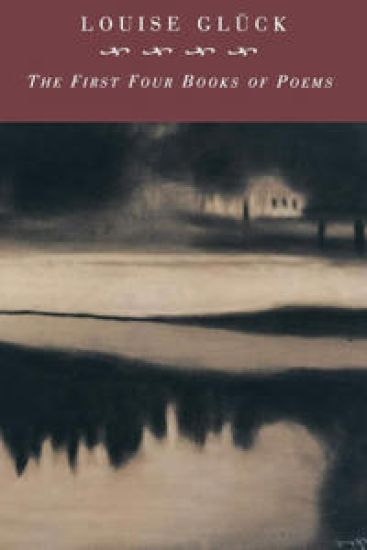
The First Four Books of Poems collects the early work that established Louise Gluck as one of America's most original and important poets. Honored with the Pulitzer Prize for The WildIris, Gluck was celebrated early in her career for her fierce, austerely beautiful voice. InFirstborn, The House on Marshland Wand, Descending Figure, and The Triumph of Achilles, which wonthe National Book Critics Circle Award for Poetry, we see the conscious progression of apoet who speaks with blade-like accuracy and stirring depth.
A collection of essays in which the author writes of her own upbringing, her human and literary antecedents, and also dwells on lives and poems. The book includes writings on T. S. Eliot, George Oppen, Sylvia Plath, Robinson Jeffers, Wallace Stevens, and John Berryman.
Includes Penelope's Song in which the author interweaves in a book-length sequence an account of the dissolution of a contemporary marriage with the story of Homer's Odyssey. This collection of poetry also explores the notion of the nostos, the homecoming.
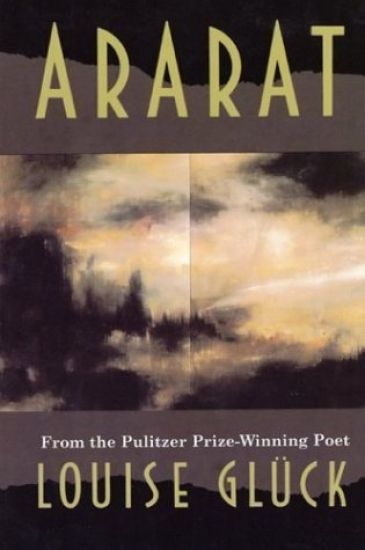
The themes of the previous volume of poetry define the tasks of the next for Louise Gluck. This collection shows the poet in this evolution. It includes: Firstborn (1968); The House on Marshland (1975); Descending Figure (1980); The Triumph of Achilles (1985); and Ararat (1990).
Articulates the familial relationships between man, woman, and child, exploring Circe and Penelope and emotional psychodramas in poetry that is both chastened and spiritual
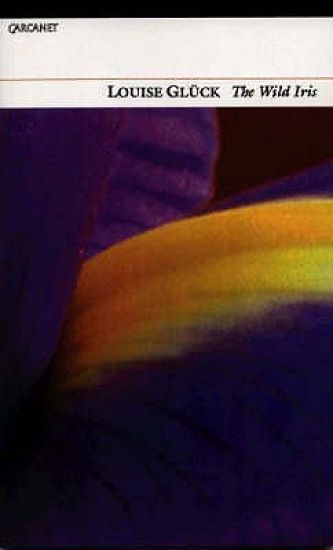
The poems in this collection are written in the language of flowers. Louise Gluck received the Pulitzer Prize for The Wild Iris in 1993, and has also received the National Book Critics Award for Poetry and the Poetry Society of America's Melville Kane Award.