Kirjojen hintavertailu – 12 859 819 kirjaa ja 27 kauppaa
Kirjailija
Luigi Pirandello
Kirjat ja teokset yhdessä paikassa: 327 kirjaa, julkaisuja vuosilta 1957–2026, suosituimpiin kuuluu One, None And A Hundred-Thousand(Illustrated). Vertaile teosten hintoja ja tarkista saatavuus suomalaisista kirjakaupoista.
He wears a mask - he pretends to be an idling, strolling observer of others: an amused spectator. He watches people on the street, in shops, in cafes: wherever he finds them he notes their peculiarities and imagines their lives. Like a naturalist with a bone of an unknown creature, he extrapolates and forms an entire animal in his mind's eye. It is his joy; it is his defence: he revels in life, so as to ignore death. For its shadow lies over him.
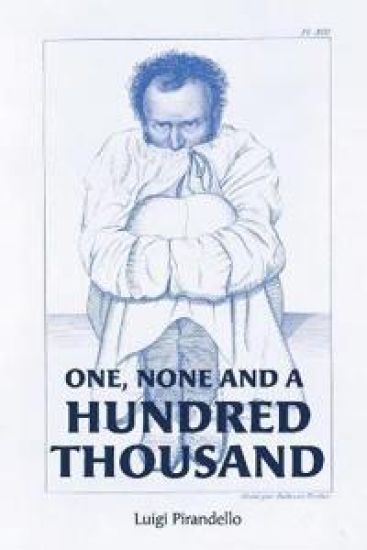
After all, the "Moscarda" he believed himself to be was different when he was alone, or with his wife, his tenant, or his friends. And there were hundreds--no, thousands--of additional Moscardas in the minds of everyone who had met or heard of him. Moscarda grappled with this new knowledge: that he was not who he thought he was, nor who anyone else thought he was. And the people around him? They were not who he thought they were either. So he decided, in his own words, to "...find out who I was, at least to those closest to me, acquaintances so-called, and to amuse myself by maliciously decomposing the I that I was to them." What follows is a series of experiments, meant to befuddle and confuse those around him and prove that he was not, in fact, who they believed him to be. Written by Nobel Laureate Luigi Pirandello over the course of 15 years, One, None, and One Hundred Thousand was a groundbreaking look at the nature of identity and the self. Pirandello was no stranger to reinvention and loss of identity. Born into a well-to-do Sicilian family, he seemed destined to follow his father into business as a sulfur merchant. Instead, he spent his youth writing stories, and later excelled in literary studies. Pirandello's early writing and teaching at the Istituto Superiore di Magistero di Roma was sufficient to support himself, his wife, and his three children--supplemented by an allowance from his father and his wife's dowry. But in 1903, the family was ruined when the sulfur mines his father had invested in were flooded and destroyed. The family fortune was gone, including his wife's dowry. The news so shocked her that she suffered a complete mental collapse. In the aftermath, she suffered from hallucinations and anxieties that would follow her for the rest of her life. At first, with an ailing wife and no money, Pirandello contemplated suicide. Instead, he redoubled his efforts. He took on more teaching work and wrote at a furious pace. He would go on to write 7 novels, numerous short stories, poetry, and around 40 plays throughout his career. The issue of identity comes up again and again in Pirandello's work. In his play To Clothe the Naked, the protagonist tries to reinvent herself, with each subsequent identity stripped away from her by others. In The Life I Gave You, a mother is confronted with the truth that her long-lost son is not the person that she has created in her mind. In the end, she chooses to adhere to her fiction rather than face the facts about her son. In Six Characters in Search of an Author, Pirandello's most famous work, six unused and incomplete characters walk onto a stage and demand that a director and his actors tell their stories. But of course, the lines between reality and invention are blurred, getting more absurd as the play goes on. This play created such a stir on opening night in Rome that fighting broke out in the audience, forcing Pirandello to flee the theater with his daughter. Later that year, the same play would be hailed by critics in Milan as a work of genius. Pirandello's work was later seen as a precursor to the Theatre of the Absurd, in which writers explore the meaninglessness of human existence through deliberately confusing situations and purposeless dialogue. By the time of his death in 1936, Pirandello was a well-known and respected writer in the theater and literary worlds. Although his name wouldn't be recognized by many today, his contributions to literature can be seen in the later work of notable writers like Jean-Paul Sartre and fellow Nobel Prize winner Samuel Beckett, among others.
After all, the "Moscarda" he believed himself to be was different when he was alone, or with his wife, his tenant, or his friends. And there were hundreds--no, thousands--of additional Moscardas in the minds of everyone who had met or heard of him. Moscarda grappled with this new knowledge: that he was not who he thought he was, nor who anyone else thought he was. And the people around him? They were not who he thought they were either. So he decided, in his own words, to "...find out who I was, at least to those closest to me, acquaintances so-called, and to amuse myself by maliciously decomposing the I that I was to them." What follows is a series of experiments, meant to befuddle and confuse those around him and prove that he was not, in fact, who they believed him to be. Written by Nobel Laureate Luigi Pirandello over the course of 15 years, One, None, and One Hundred Thousand was a groundbreaking look at the nature of identity and the self. Pirandello was no stranger to reinvention and loss of identity. Born into a well-to-do Sicilian family, he seemed destined to follow his father into business as a sulfur merchant. Instead, he spent his youth writing stories, and later excelled in literary studies. Pirandello's early writing and teaching at the Istituto Superiore di Magistero di Roma was sufficient to support himself, his wife, and his three children--supplemented by an allowance from his father and his wife's dowry. But in 1903, the family was ruined when the sulfur mines his father had invested in were flooded and destroyed. The family fortune was gone, including his wife's dowry. The news so shocked her that she suffered a complete mental collapse. In the aftermath, she suffered from hallucinations and anxieties that would follow her for the rest of her life. At first, with an ailing wife and no money, Pirandello contemplated suicide. Instead, he redoubled his efforts. He took on more teaching work and wrote at a furious pace. He would go on to write 7 novels, numerous short stories, poetry, and around 40 plays throughout his career. The issue of identity comes up again and again in Pirandello's work. In his play To Clothe the Naked, the protagonist tries to reinvent herself, with each subsequent identity stripped away from her by others. In The Life I Gave You, a mother is confronted with the truth that her long-lost son is not the person that she has created in her mind. In the end, she chooses to adhere to her fiction rather than face the facts about her son. In Six Characters in Search of an Author, Pirandello's most famous work, six unused and incomplete characters walk onto a stage and demand that a director and his actors tell their stories. But of course, the lines between reality and invention are blurred, getting more absurd as the play goes on. This play created such a stir on opening night in Rome that fighting broke out in the audience, forcing Pirandello to flee the theater with his daughter. Later that year, the same play would be hailed by critics in Milan as a work of genius. Pirandello's work was later seen as a precursor to the Theatre of the Absurd, in which writers explore the meaninglessness of human existence through deliberately confusing situations and purposeless dialogue. By the time of his death in 1936, Pirandello was a well-known and respected writer in the theater and literary worlds. Although his name wouldn't be recognized by many today, his contributions to literature can be seen in the later work of notable writers like Jean-Paul Sartre and fellow Nobel Prize winner Samuel Beckett, among others.
Marta sposa di Rocco; Gregorio la corteggia divertito con lettere adulatorie che Marta raccoglie compiaciuta. L'amore per non un gioco: brucia come una fiamma: curata e alimentata con pazienza, scalda e rinfranca ma se gli gettiamo sopra polveri e benzine, brilla e distrugge tutto.
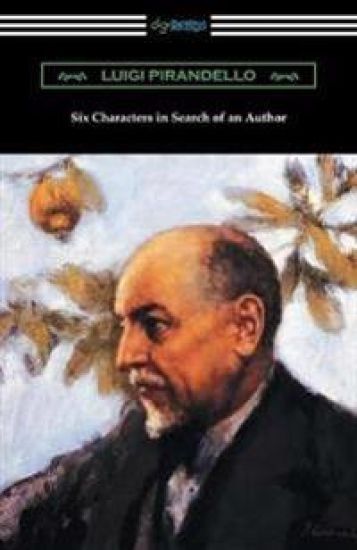
This selection of plays by Luigi Pirandello contains some of his best-known works, such as Six Characters in Search of an Author – an absurdist piece in which the characters, actors and Pirandello himself interact during the rehearsal of a fictional play within the play – and Henry IV – a tragicomic tale of a man who falls from a horse and believes himself to be the eponymous Holy Roman Emperor. Preoccupied with the nature of truth and delusion, and treading dangerously on the borderline between sanity and madness, Pirandello’s plays are a daring exploration of human actions and the dark motives lying behind them, and the culmination of the naturalistic school of theatre inaugurated by authors such as Ibsen and Chekhov.
After all, the "Moscarda" he believed himself to be was different when he was alone, or with his wife, his tenant, or his friends. And there were hundreds--no, thousands--of additional Moscardas in the minds of everyone who had met or heard of him. Moscarda grappled with this new knowledge: that he was not who he thought he was, nor who anyone else thought he was. And the people around him? They were not who he thought they were either. So he decided, in his own words, to "...find out who I was, at least to those closest to me, acquaintances so-called, and to amuse myself by maliciously decomposing the I that I was to them." What follows is a series of experiments, meant to befuddle and confuse those around him and prove that he was not, in fact, who they believed him to be. Written by Nobel Laureate Luigi Pirandello over the course of 15 years, One, None, and One Hundred Thousand was a groundbreaking look at the nature of identity and the self. Pirandello was no stranger to reinvention and loss of identity. Born into a well-to-do Sicilian family, he seemed destined to follow his father into business as a sulfur merchant. Instead, he spent his youth writing stories, and later excelled in literary studies. Pirandello's early writing and teaching at the Istituto Superiore di Magistero di Roma was sufficient to support himself, his wife, and his three children--supplemented by an allowance from his father and his wife's dowry. But in 1903, the family was ruined when the sulfur mines his father had invested in were flooded and destroyed. The family fortune was gone, including his wife's dowry. The news so shocked her that she suffered a complete mental collapse. In the aftermath, she suffered from hallucinations and anxieties that would follow her for the rest of her life. At first, with an ailing wife and no money, Pirandello contemplated suicide. Instead, he redoubled his efforts. He took on more teaching work and wrote at a furious pace. He would go on to write 7 novels, numerous short stories, poetry, and around 40 plays throughout his career. The issue of identity comes up again and again in Pirandello's work. In his play To Clothe the Naked, the protagonist tries to reinvent herself, with each subsequent identity stripped away from her by others. In The Life I Gave You, a mother is confronted with the truth that her long-lost son is not the person that she has created in her mind. In the end, she chooses to adhere to her fiction rather than face the facts about her son. In Six Characters in Search of an Author, Pirandello's most famous work, six unused and incomplete characters walk onto a stage and demand that a director and his actors tell their stories. But of course, the lines between reality and invention are blurred, getting more absurd as the play goes on. This play created such a stir on opening night in Rome that fighting broke out in the audience, forcing Pirandello to flee the theater with his daughter. Later that year, the same play would be hailed by critics in Milan as a work of genius. Pirandello's work was later seen as a precursor to the Theatre of the Absurd, in which writers explore the meaninglessness of human existence through deliberately confusing situations and purposeless dialogue. By the time of his death in 1936, Pirandello was a well-known and respected writer in the theater and literary worlds. Although his name wouldn't be recognized by many today, his contributions to literature can be seen in the later work of notable writers like Jean-Paul Sartre and fellow Nobel Prize winner Samuel Beckett, among others.
After all, the "Moscarda" he believed himself to be was different when he was alone, or with his wife, his tenant, or his friends. And there were hundreds--no, thousands--of additional Moscardas in the minds of everyone who had met or heard of him. Moscarda grappled with this new knowledge: that he was not who he thought he was, nor who anyone else thought he was. And the people around him? They were not who he thought they were either. So he decided, in his own words, to "...find out who I was, at least to those closest to me, acquaintances so-called, and to amuse myself by maliciously decomposing the I that I was to them." What follows is a series of experiments, meant to befuddle and confuse those around him and prove that he was not, in fact, who they believed him to be. Written by Nobel Laureate Luigi Pirandello over the course of 15 years, One, None, and One Hundred Thousand was a groundbreaking look at the nature of identity and the self. Pirandello was no stranger to reinvention and loss of identity. Born into a well-to-do Sicilian family, he seemed destined to follow his father into business as a sulfur merchant. Instead, he spent his youth writing stories, and later excelled in literary studies. Pirandello's early writing and teaching at the Istituto Superiore di Magistero di Roma was sufficient to support himself, his wife, and his three children--supplemented by an allowance from his father and his wife's dowry. But in 1903, the family was ruined when the sulfur mines his father had invested in were flooded and destroyed. The family fortune was gone, including his wife's dowry. The news so shocked her that she suffered a complete mental collapse. In the aftermath, she suffered from hallucinations and anxieties that would follow her for the rest of her life. At first, with an ailing wife and no money, Pirandello contemplated suicide. Instead, he redoubled his efforts. He took on more teaching work and wrote at a furious pace. He would go on to write 7 novels, numerous short stories, poetry, and around 40 plays throughout his career. The issue of identity comes up again and again in Pirandello's work. In his play To Clothe the Naked, the protagonist tries to reinvent herself, with each subsequent identity stripped away from her by others. In The Life I Gave You, a mother is confronted with the truth that her long-lost son is not the person that she has created in her mind. In the end, she chooses to adhere to her fiction rather than face the facts about her son. In Six Characters in Search of an Author, Pirandello's most famous work, six unused and incomplete characters walk onto a stage and demand that a director and his actors tell their stories. But of course, the lines between reality and invention are blurred, getting more absurd as the play goes on. This play created such a stir on opening night in Rome that fighting broke out in the audience, forcing Pirandello to flee the theater with his daughter. Later that year, the same play would be hailed by critics in Milan as a work of genius. Pirandello's work was later seen as a precursor to the Theatre of the Absurd, in which writers explore the meaninglessness of human existence through deliberately confusing situations and purposeless dialogue. By the time of his death in 1936, Pirandello was a well-known and respected writer in the theater and literary worlds. Although his name wouldn't be recognized by many today, his contributions to literature can be seen in the later work of notable writers like Jean-Paul Sartre and fellow Nobel Prize winner Samuel Beckett, among others.
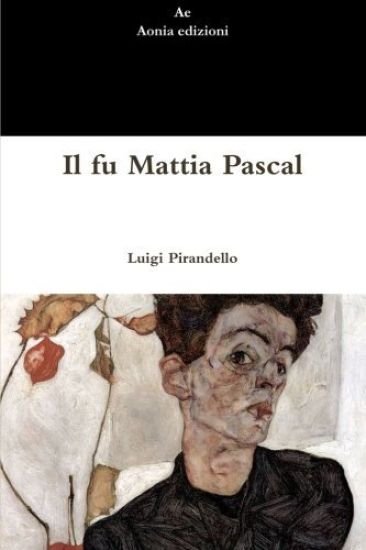
Mattia Pascal si allontana da casa dopo una delle solite liti con la moglie e, arrivato a Montecarlo, vince una grossa somma. Cio insieme alla lettura di una notizia di cronaca che annunzia la sua morte, lo spingono a simulare davvero la morte, e a tentare di cominciare una nuova vita. Egli diventa cosi Adriano Meis, e va a stabilirsi a Roma, in una pensione di famiglia, popolata da curiosi personaggi. Sono questi i personaggi che cominciano a ricreare attorno a Mattia la vita sociale alla quale egli aveva pensato di sfuggire. Alla fine il protagonista, non potendo liberarsi altrimenti dalla nuova realta cresciutagli intorno se non "morendo " di nuovo, decide di uccidere Adriano Meis e di riprendere la sua antica personalita di Mattia Pascal. Cosi ritorna al paese, trova la moglie sposata a un suo antico innamorato e con una figlioletta, si rifiuta di riprendere il suo posto nella vita civile e familiare, rimane il fu Mattia Pascal che ogni tanto si reca a visitare la propria tomba (Aonia edizioni).
"In ‘The Wave’, a young man falls dangerously in love with the tenant downstairs, who is engaged to be married; in ‘The Signorina’, a flirtatious young woman is caught between her feelings and her parents’ desire for a good match; in ‘A Friend to the Wives’, the peerless Pia Tolosani leaves a trail of regret in the life of a former suitor. In this collection of stories – Pirandello’s first published work of fiction – the master of Italian modernism dissects the passions that are either dimly felt or unrequited, ultimately raising doubts about the very nature and existence of love, while simultaneously foreshadowing the themes and the psychologically nuanced characters that he would go on to develop in his later works."
Il romanzo prende le mosse dal progetto di don Marcantonio Rav di dare in moglie la giovane figlia Stellina a Don Diego Alcozer, che vecchio, ma assai ricco e veterano di ben quattro matrimoni e altrettante vedovanze.
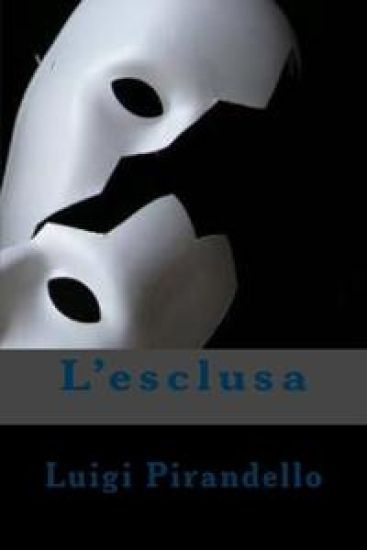
L'esclusa un romanzo di Luigi Pirandello, il cui titolo originario era Marta Ajala. Finito di scrivere nel 1893, fu pubblicato a puntate sulla rivista La Tribuna e, nel 1901, in volume. Pirandello lavora sullo sfondo tipico della letteratura del Verismo, ricca di dinamiche sociali ben descritte nei loro pregiudizi e nelle loro sanzioni; a questo, l'autore aggiunge una vicenda che rimanda ai paradossi del dramma esistenziale, del contrasto tra sostanza e apparenza.
Nel 1908 Pirandello scrive L'umorismo un saggio dove confluiscono idee, brani di scritti e appunti precedenti. La poetica dell'Umorismo Pirandelliana, in realt nasce gi quando, nel 1904, pubblica le due premesse de Il fu Mattia Pascal.