Kirjailija
Marcus Tullius Cicero
Kirjat ja teokset yhdessä paikassa: 1 147 kirjaa, julkaisuja vuosilta 1804–2026, suosituimpiin kuuluu Keskusteluja Tusculumissa. Vertaile teosten hintoja ja tarkista saatavuus suomalaisista kirjakaupoista.
1 147 kirjaa
Kirjojen julkaisuvuodet: 1804–2026.
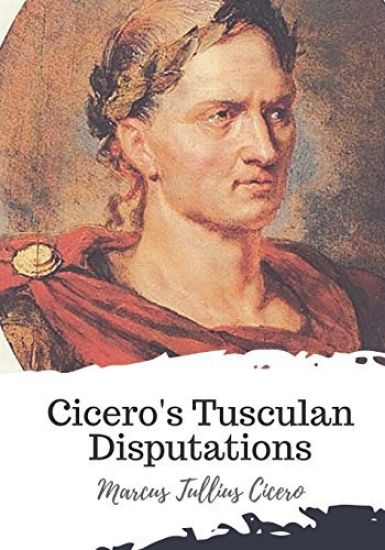
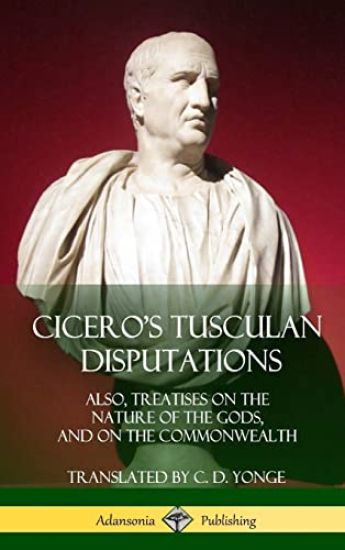
This comprehensive anthology of Cicero's works contains his Tuscalan Disputations, his treatises on the divine, and the 'De re Publica' - otherwise known as On the Commonwealth. Originally conceived by Cicero as a method of popularising the Stoical form of philosophy to which he subscribed, the Tusculan Disputations explain, in five books on specific topics, the principles and merits of the Stoic outlook on life. The benefits of adopting the Stoical mindset, from a rational, measured reaction to physical pain and illness, to the mental anguish of losing a loved one, are examples of what Cicero explores. Although the Disputations chiefly convey thoughts of other, prior thinkers, they contain Cicero's distinct voice on the subject. Written with the literate clarity and flair which defines the author's body of work, the Disputations persuasively identify, discuss and expound qualities of the philosophy to which Cicero ascribed his mentality in life.
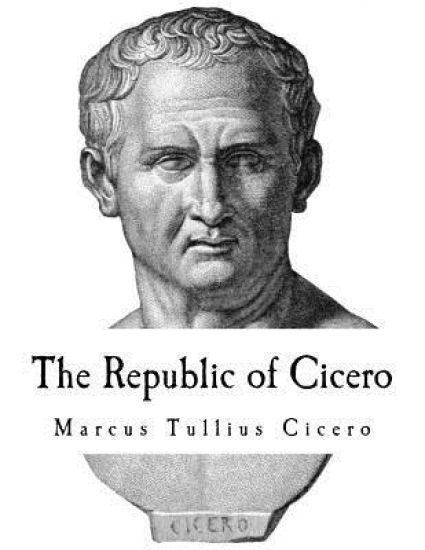
The Republic of Cicero: A Dialogue on Roman Politics
Marcus Tullius Cicero
Createspace Independent Publishing Platform
2018
nidottu
The Republic of Cicero by Marcus Tullius Cicero. The imperfect manuscript, a translation of which is now presented to the public, was discovered in the Library of the Vatican, by Professor Angelo Mai; a person of singular ingenuity in the detection of those Palimpsests whose contents were written upon ancient writings partially erased. A fac simile of part of the MSS. accompanies this work. The Republic of Cicero was greatly cherished by those who lived in and near his times; of which occasional evidences are found in the writings of antiquity. But the tyranny of the emperors bridled the Romans so soon after its appearance, that Horace, Virgil, Seneca, Quintilian, Pliny, and even Tacitus, have not dared to praise it, lest they should bring down vengeance upon themselves. It is remarkable that while despotism was rapidly extinguishing philosophy and letters, and the very existence of these precious monuments of better times was scarcely thought of; the Christian religion was gradually raising up amidst the persecutions of the primitive church, new champions for truth and justice; to whose works we are indebted for many valuable fragments of the best writers of antiquity, and for almost all the passages of Cicero's Republic which we were acquainted with, until the late discovery of professor Mai.
Cicero's Tusculan Disputations
Marcus Tullius Cicero
Createspace Independent Publishing Platform
2018
nidottu
How many men and women who have lived more than 2,000 years ago have impressed us with their humanity? We tend to see the statuary, but rarely the person behind it. When you read this outstanding title, you see that Marcus Tullius Cicero has a human face -- and it shows in his work. The Roman Republic that Cicero loved was falling apart. Marius and Sulla, the Gracchi, the conflicts over the powers of the tribunes had dealt a severe blow to a form of government that had proved itself adequate for governing a city-state, but less so for managing a multi-cultural empire. Cicero fought valiantly against corrupt governors like Verres ("Against Verres") and would-be dictators like Marc Antony ("2nd Phillipic Against Antony"). When he finally threw in his lot with Pompey, he picked the wrong horse and put himself in harm's way.
This fine edition of Cicero's treatises on the topics of friendship, old age and life contains the respected translation of E. S. Shuckburgh. Written in the second century A. D., these writings encapsulate the wisdom and ability possessed by their author. Already well into maturity, it is here that the accumulated experience of a man who had - in an illustrious career of public service in the Roman Empire - seen and known all manner of events and people in his bustling society. The attributes important to friendship are identified by Cicero as he discusses the qualities a good friend should have. There are several intractable virtues of friendship, which must be preserved lest the union be damaged. The second treatise elaborates upon what it is to be old. Writing so as to echo the much esteemed Cato the Elder, the beauty and profundity of the words in this essay are significant. The clear and plain yet succinct and wistfully eloquent words elaborate on aging and the concerns that arrive with it.
Cicero writes about his own experience with friendship. Cicero ponders the meaning of this friendship by using the relationship between Scipio Aemilianus and Laelius to expound his views. Laelius' speech comprises the most part and is instigated by the death of his best friend Scipio and he expresses how he could bear the loss, and explicates his grounds for bereavement. He enumerates what qualities make for good friends, explains what characteristics expose a bad friend, and provides examples from his personal life. Throughout the book, Cicero emphasizes the importance of virtue in friendship and how true friendship cannot exist without it. (wikipedia.org)
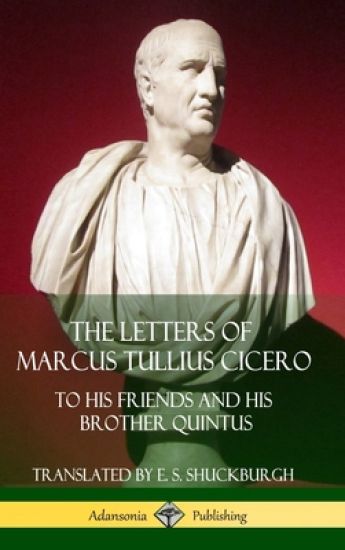
The Letters of Marcus Tullius Cicero are presented in this hardcover edition, in the acclaimed translation from E. S. Shuckburgh. Providing fascinating insight into the character of the author, and of civic life in Ancient Rome, these correspondences see Cicero discuss matters ranging from personal life to his life in the Roman court and as a holder of public office. Relied upon by chroniclers as some of the most authoritative sources for the period surrounding the Fall of the Roman Empire, these letters provide insights into the character and behaviour of the Roman legal system and the officials who staffed it. Cicero himself was an influential statesman, lawyer and orator with contacts across the strata of Roman civic society and elite. As such, his correspondences provide a fascinating look at the inner workings within politics and the Roman state. Himself a gifted and eloquent writer, Cicero capably brings to life the events, conversations and circumstances he writes about.
Clarendon Press Series. Selected Letters of Cicero with Notes for the Use of Schools
Marcus Tullius Cicero
Trieste Publishing
2018
nidottu
The Epistles of M. T. Cicero to M. Brutus, and of Brutus to Cicero
Marcus Tullius Cicero
Gale Ecco, Print Editions
2018
sidottu
The 18th century was a wealth of knowledge, exploration and rapidly growing technology and expanding record-keeping made possible by advances in the printing press. In its determination to preserve the century of revolution, Gale initiated a revolution of its own: digitization of epic proportions to preserve these invaluable works in the largest archive of its kind. Now for the first time these high-quality digital copies of original 18th century manuscripts are available in print, making them highly accessible to libraries, undergraduate students, and independent scholars. Western literary study flows out of eighteenth-century works by Alexander Pope, Daniel Defoe, Henry Fielding, Frances Burney, Denis Diderot, Johann Gottfried Herder, Johann Wolfgang von Goethe, and others. Experience the birth of the modern novel, or compare the development of language using dictionaries and grammar discourses. ++++The below data was compiled from various identification fields in the bibliographic record of this title. This data is provided as an additional tool in helping to insure edition identification: ++++British LibraryT075045Pp.1-186 contain parallel Latin and English texts. With an initial advertisement leaf. London: printed for Richard Manby, 1743. 4], cxxvii, 1],195, 1]p.; 8
The Oration of Marcus Tullius Cicero, for Marcus Marcellus, Address'd to Caius Julius Cæsar, Dictator, and the Roman Senate; Being a Specimen of a Translation of Tully's Select Orations
Marcus Tullius Cicero
Gale Ecco, Print Editions
2018
sidottu
The 18th century was a wealth of knowledge, exploration and rapidly growing technology and expanding record-keeping made possible by advances in the printing press. In its determination to preserve the century of revolution, Gale initiated a revolution of its own: digitization of epic proportions to preserve these invaluable works in the largest archive of its kind. Now for the first time these high-quality digital copies of original 18th century manuscripts are available in print, making them highly accessible to libraries, undergraduate students, and independent scholars. Western literary study flows out of eighteenth-century works by Alexander Pope, Daniel Defoe, Henry Fielding, Frances Burney, Denis Diderot, Johann Gottfried Herder, Johann Wolfgang von Goethe, and others. Experience the birth of the modern novel, or compare the development of language using dictionaries and grammar discourses. ++++The below data was compiled from various identification fields in the bibliographic record of this title. This data is provided as an additional tool in helping to insure edition identification: ++++British LibraryT111299London: printed for R. Dodsley, and sold by M. Cooper, 1745. 75, 1]p.; 8
The Orations of Marcus Tullius Cicero, Translated Into English, with Notes Historical and Critical, and Arguments to Each. by William Guthrie, Esq; In Three Volumes. the Fourth Edition of 3; Volume 1
Marcus Tullius Cicero
Gale Ecco, Print Editions
2018
sidottu
The 18th century was a wealth of knowledge, exploration and rapidly growing technology and expanding record-keeping made possible by advances in the printing press. In its determination to preserve the century of revolution, Gale initiated a revolution of its own: digitization of epic proportions to preserve these invaluable works in the largest archive of its kind. Now for the first time these high-quality digital copies of original 18th century manuscripts are available in print, making them highly accessible to libraries, undergraduate students, and independent scholars. Western literary study flows out of eighteenth-century works by Alexander Pope, Daniel Defoe, Henry Fielding, Frances Burney, Denis Diderot, Johann Gottfried Herder, Johann Wolfgang von Goethe, and others. Experience the birth of the modern novel, or compare the development of language using dictionaries and grammar discourses. ++++The below data was compiled from various identification fields in the bibliographic record of this title. This data is provided as an additional tool in helping to insure edition identification: ++++British LibraryT137812The separate titlepages to the volumes read: 'The orations of Cicero, translated into English. .. The fourth edition'. London: printed for T. Whieldon and Co, 1778. 3v.; 8
M. T. Cicero de Oratore. Or, his Three Dialogues Upon the Character and Qualifications of an Orator Translated Into English. With Notes and an Introductory Preface. To Which is Added, An Explanation of the Terms and Phrases Used
Marcus Tullius Cicero
Gale Ecco, Print Editions
2018
sidottu
The 18th century was a wealth of knowledge, exploration and rapidly growing technology and expanding record-keeping made possible by advances in the printing press. In its determination to preserve the century of revolution, Gale initiated a revolution of its own: digitization of epic proportions to preserve these invaluable works in the largest archive of its kind. Now for the first time these high-quality digital copies of original 18th century manuscripts are available in print, making them highly accessible to libraries, undergraduate students, and independent scholars. Western literary study flows out of eighteenth-century works by Alexander Pope, Daniel Defoe, Henry Fielding, Frances Burney, Denis Diderot, Johann Gottfried Herder, Johann Wolfgang von Goethe, and others. Experience the birth of the modern novel, or compare the development of language using dictionaries and grammar discourses. ++++The below data was compiled from various identification fields in the bibliographic record of this title. This data is provided as an additional tool in helping to insure edition identification: ++++British LibraryT138387Half-title: 'M. T. Cicero's three dialogues upon the character and qualifications of an orator. Addressed to his brother Quintus.'. With an index and a final advertisement leaf. London: printed for T. Waller, 1742. 9], iv-xxxiii, 1],400, 32]p.; 8
The Morals of Cicero. Containing, I. His Conferences de Finibus
Marcus Tullius Cicero
Gale Ecco, Print Editions
2018
sidottu
The 18th century was a wealth of knowledge, exploration and rapidly growing technology and expanding record-keeping made possible by advances in the printing press. In its determination to preserve the century of revolution, Gale initiated a revolution of its own: digitization of epic proportions to preserve these invaluable works in the largest archive of its kind. Now for the first time these high-quality digital copies of original 18th century manuscripts are available in print, making them highly accessible to libraries, undergraduate students, and independent scholars. The Age of Enlightenment profoundly enriched religious and philosophical understanding and continues to influence present-day thinking. Works collected here include masterpieces by David Hume, Immanuel Kant, and Jean-Jacques Rousseau, as well as religious sermons and moral debates on the issues of the day, such as the slave trade. The Age of Reason saw conflict between Protestantism and Catholicism transformed into one between faith and logic -- a debate that continues in the twenty-first century.++++The below data was compiled from various identification fields in the bibliographic record of this title. This data is provided as an additional tool in helping to insure edition identification: ++++British LibraryT111298With an initial advertisement leaf. London: printed for T. Waller, 1744. 4], xxxvii, 1],434p.; 8
Thoughts of Cicero, on the following subjects, I. Religion. ... XII. Miscellaneous subjects. Published in Latin and French by the Abbé D'Olivet to which is added, an English translation with notes The second edition, corrected.
Marcus Tullius Cicero
Gale Ecco, Print Editions
2018
sidottu
The 18th century was a wealth of knowledge, exploration and rapidly growing technology and expanding record-keeping made possible by advances in the printing press. In its determination to preserve the century of revolution, Gale initiated a revolution of its own: digitization of epic proportions to preserve these invaluable works in the largest archive of its kind. Now for the first time these high-quality digital copies of original 18th century manuscripts are available in print, making them highly accessible to libraries, undergraduate students, and independent scholars. The Age of Enlightenment profoundly enriched religious and philosophical understanding and continues to influence present-day thinking. Works collected here include masterpieces by David Hume, Immanuel Kant, and Jean-Jacques Rousseau, as well as religious sermons and moral debates on the issues of the day, such as the slave trade. The Age of Reason saw conflict between Protestantism and Catholicism transformed into one between faith and logic -- a debate that continues in the twenty-first century.++++The below data was compiled from various identification fields in the bibliographic record of this title. This data is provided as an additional tool in helping to insure edition identification: ++++British LibraryT138401Parallel Latin and French texts on every verso, with the English translation on the facing recto. London: printed for T. Carnan and F. Newbery, jun., 1773. 335, 1]p.; 12
M. Tullius Cicero Of the Nature of the Gods; in Three Books. With Critical, Philosophical, and Explanatory Notes. To Which is Added, An Enquiry Into the Astronomy and Anatomy of the Antients
Marcus Tullius Cicero
Gale Ecco, Print Editions
2018
sidottu
The 18th century was a wealth of knowledge, exploration and rapidly growing technology and expanding record-keeping made possible by advances in the printing press. In its determination to preserve the century of revolution, Gale initiated a revolution of its own: digitization of epic proportions to preserve these invaluable works in the largest archive of its kind. Now for the first time these high-quality digital copies of original 18th century manuscripts are available in print, making them highly accessible to libraries, undergraduate students, and independent scholars. The Age of Enlightenment profoundly enriched religious and philosophical understanding and continues to influence present-day thinking. Works collected here include masterpieces by David Hume, Immanuel Kant, and Jean-Jacques Rousseau, as well as religious sermons and moral debates on the issues of the day, such as the slave trade. The Age of Reason saw conflict between Protestantism and Catholicism transformed into one between faith and logic -- a debate that continues in the twenty-first century.++++The below data was compiled from various identification fields in the bibliographic record of this title. This data is provided as an additional tool in helping to insure edition identification: ++++British LibraryT138142Edited by Thomas Francklin. London: printed for R. Francklin, 1741. 4],283, 9]p.; 8
Cicero's Orations, Translated Into English, with Notes, Historical, Critical, and Explanatory. by John Rutherford. the Second Edition
Marcus Tullius Cicero
Gale Ecco, Print Editions
2018
sidottu
The 18th century was a wealth of knowledge, exploration and rapidly growing technology and expanding record-keeping made possible by advances in the printing press. In its determination to preserve the century of revolution, Gale initiated a revolution of its own: digitization of epic proportions to preserve these invaluable works in the largest archive of its kind. Now for the first time these high-quality digital copies of original 18th century manuscripts are available in print, making them highly accessible to libraries, undergraduate students, and independent scholars. Delve into what it was like to live during the eighteenth century by reading the first-hand accounts of everyday people, including city dwellers and farmers, businessmen and bankers, artisans and merchants, artists and their patrons, politicians and their constituents. Original texts make the American, French, and Industrial revolutions vividly contemporary.++++The below data was compiled from various identification fields in the bibliographic record of this title. This data is provided as an additional tool in helping to insure edition identification: ++++Cambridge University LibraryN005140First edition published in 1781 as 'The principle orations of Cicero'. London: printed for T. Cadell and W. Davies, 1799. 2], xix, 1],499, 1]p.; 4
The Treatise of Cicero, De Officiis; or, his Essay on Moral Duty. Translated, and Accompanied With Notes and Observations, by William M'Cartney,
Marcus Tullius Cicero
Gale Ecco, Print Editions
2018
sidottu
The 18th century was a wealth of knowledge, exploration and rapidly growing technology and expanding record-keeping made possible by advances in the printing press. In its determination to preserve the century of revolution, Gale initiated a revolution of its own: digitization of epic proportions to preserve these invaluable works in the largest archive of its kind. Now for the first time these high-quality digital copies of original 18th century manuscripts are available in print, making them highly accessible to libraries, undergraduate students, and independent scholars. Delve into what it was like to live during the eighteenth century by reading the first-hand accounts of everyday people, including city dwellers and farmers, businessmen and bankers, artisans and merchants, artists and their patrons, politicians and their constituents. Original texts make the American, French, and Industrial revolutions vividly contemporary.++++The below data was compiled from various identification fields in the bibliographic record of this title. This data is provided as an additional tool in helping to insure edition identification: ++++Harvard University LibrariesN022126Edinburgh: printed for Bell & Bradfute, William Creech, Elphinston Balfour, Alex. Guthrie, John Fairbairn, and Archd. Constable and G. G. & J. Robinson, London, 1798. iv,365, 1]p.; 8
M. Tullius Cicero de Oratore Ad Q. Fratrem. Ex Mss. Recensuit Tho. Cockman ... Editio Secunda.
Marcus Tullius Cicero
Gale Ecco, Print Editions
2018
sidottu
The 18th century was a wealth of knowledge, exploration and rapidly growing technology and expanding record-keeping made possible by advances in the printing press. In its determination to preserve the century of revolution, Gale initiated a revolution of its own: digitization of epic proportions to preserve these invaluable works in the largest archive of its kind. Now for the first time these high-quality digital copies of original 18th century manuscripts are available in print, making them highly accessible to libraries, undergraduate students, and independent scholars. Western literary study flows out of eighteenth-century works by Alexander Pope, Daniel Defoe, Henry Fielding, Frances Burney, Denis Diderot, Johann Gottfried Herder, Johann Wolfgang von Goethe, and others. Experience the birth of the modern novel, or compare the development of language using dictionaries and grammar discourses. ++++The below data was compiled from various identification fields in the bibliographic record of this title. This data is provided as an additional tool in helping to insure edition identification: ++++Harvard University Houghton LibraryN012260With an index. Oxoni e Theatro Sheldoniano, impensis Jo. Stephens; & prostant venales apud Ja. Knapton Lond., 1706. 10],294, 46]p., plate; 8
Marci Tullii Ciceronis pro Marco Caelio oratio. Ex editione J. Oliveti.
Marcus Tullius Cicero
Gale Ecco, Print Editions
2018
sidottu
The 18th century was a wealth of knowledge, exploration and rapidly growing technology and expanding record-keeping made possible by advances in the printing press. In its determination to preserve the century of revolution, Gale initiated a revolution of its own: digitization of epic proportions to preserve these invaluable works in the largest archive of its kind. Now for the first time these high-quality digital copies of original 18th century manuscripts are available in print, making them highly accessible to libraries, undergraduate students, and independent scholars. Rich in titles on English life and social history, this collection spans the world as it was known to eighteenth-century historians and explorers. Titles include a wealth of travel accounts and diaries, histories of nations from throughout the world, and maps and charts of a world that was still being discovered. Students of the War of American Independence will find fascinating accounts from the British side of conflict. ++++The below data was compiled from various identification fields in the bibliographic record of this title. This data is provided as an additional tool in helping to insure edition identification: ++++Bodleian Library (Oxford)T178822Glasguae: in aedibus academicis excudebat Andreas Foulis, 1783. 66p.; 8