

Kirjailija
Matthew Lewis
Kirjat ja teokset yhdessä paikassa: 90 kirjaa, julkaisuja vuosilta 1994–2025, suosituimpiin kuuluu The Monk. Vertaile teosten hintoja ja tarkista saatavuus suomalaisista kirjakaupoista.
90 kirjaa
Kirjojen julkaisuvuodet: 1994–2025.


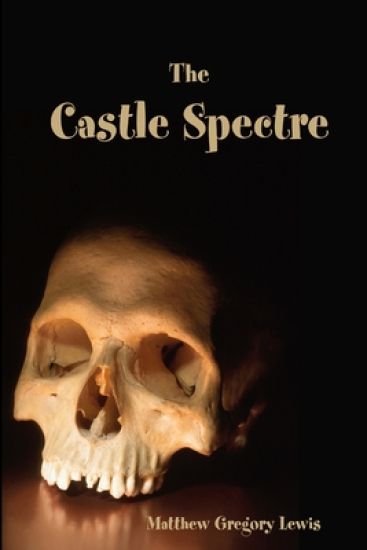
The Castle Spectre was first performed at Drury Lane Theatre in London in 1797 and quickly became a dramatic standard during the late 18th and early 19th centuries. Lewis' Gothic play was one of the first to combine the action on stage with both music and special effects in order to evoke an emotional overload from theatre-goers. It was quite common, according to contemporary accounts, for members of the audience to pass out from fright during performances of The Castle Spectre. The Playwright, Matthew Lewis, was one of the originators of early Literary Gothic with his novel, The Monk. This edition includes the text of the original five-act play, a condensed three-act version, biographies of the original performers, newspaper adverts, contemporary reviews and critiques, the original musical score, and a critical introduction.


Methinks, Oh vain ill-judging Book, I see thee cast a wishful look, Where reputations won and lost are In famous row called Paternoster. Incensed to find your precious olio Buried in unexplored port-folio, You scorn the prudent lock and key, And pant well bound and gilt to see Your Volume in the window set Of Stockdale, Hookham, or Debrett. Go then, and pass that dangerous bourn Whence never Book can back return: And when you find, condemned, despised, Neglected, blamed, and criticised, Abuse from All who read you fall, (If haply you be read at all Sorely will you your folly sigh at, And wish for me, and home, and quiet.

Henry III became King of England within days of his ninth birthday. His father, King John, had overseen a disastrous period in English history and the boy king inherited a country embroiled in a bitter, entrenched war with itself. With barons inviting a French prince to take the crown, the young Henry was forced to rely on others to maintain his position. As he grew into adulthood, Henry had to manage the transition to a personal rule, wrenching power from men who had held it almost unchecked for years. With a settled position at home, attention could turn to the recovery of lost territory abroad and the salvaging of Henry’s family reputation. All would not go according to plan. Failures abroad led to trouble back in England as restless barons became disillusioned. They found a figurehead in Simon de Montfort, a man who would transform himself from Henry’s favourite to a de facto king. Imprisoned and stripped of his power, Henry would again have to fight for his kingdom, now relying not on older mentors but on his immensely capable son. Henry was handed a monarchy in peril, a crown that was cracked and tarnished. He was given fifty-six years to mend the damage his father had done. It would spell over half a century of highs and lows in a country crying out for stability; the final measure of Henry’s achievement displayed in the crown that he left to his son, Edward I.

In the second half of the fifteenth century, for over thirty years, civil war tore England apart. However, its roots were deeper and its thorns were felt for longer than this time frame suggests. The Wars of the Roses were not a coherent period of continual warfare. There were distinct episodes of conflict, interspersed with long periods of peace. But the struggles never really ceased. Motives changed, fortunes waxed and waned, the nature of kingship was weighed and measured and the mettle of some of England’s greatest families was put to the test. Matthew Lewis examines the people behind these events, exploring the personalities of the main players, their motives, successes and failures. He uncovers some of the lesser-known tales and personal stories often lost in the broad sweep of the Wars of the Roses, in a period of famously complex loyalties and shifting fortunes.